







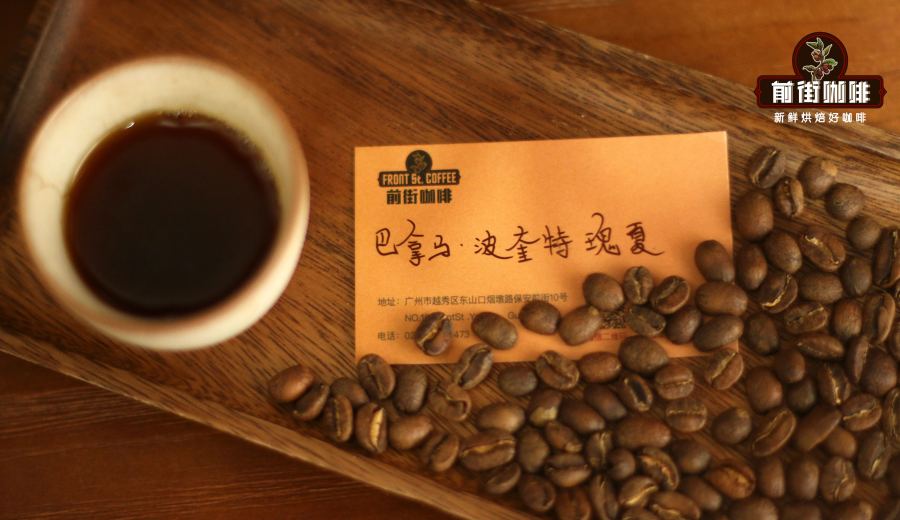
Introduction:Panamanian Geisha is renowned for its bright acidity and delicate floral notes, but how can you distinguish the differences in flavor profiles across various regions and processing methods? This article delves into how the unique microclimate of the Boquete region nurtures top-tier Geisha, explains the selection criteria behind Emerald Estate’s Red and Green Label beans, and offers professional pour over brewing recommendations with specific parameters to help you easily brew a layered, flavorful cup of Geisha at home.
Dubbed the “Bluefin Tuna of the coffee world,” Panamanian Geisha has long been a legend in the specialty coffee scene. This coffee variety, once ranked among Forbes’ top ten most expensive coffees globally, completely redefined the notion that coffee must be dark-roasted and bold—thanks to its clean flavor profile, intricate berry-like acidity, and exuberant floral aromas. As Geisha’s fame soared, many high-altitude growing regions across Central and South America began cultivating it, yet due to variations in terroir, the resulting beans often exhibit distinctly different characteristics. If you truly want to appreciate the essence of Geisha, understanding the environmental advantages of the Boquete region and the grading systems of its leading estates is a crucial first step.
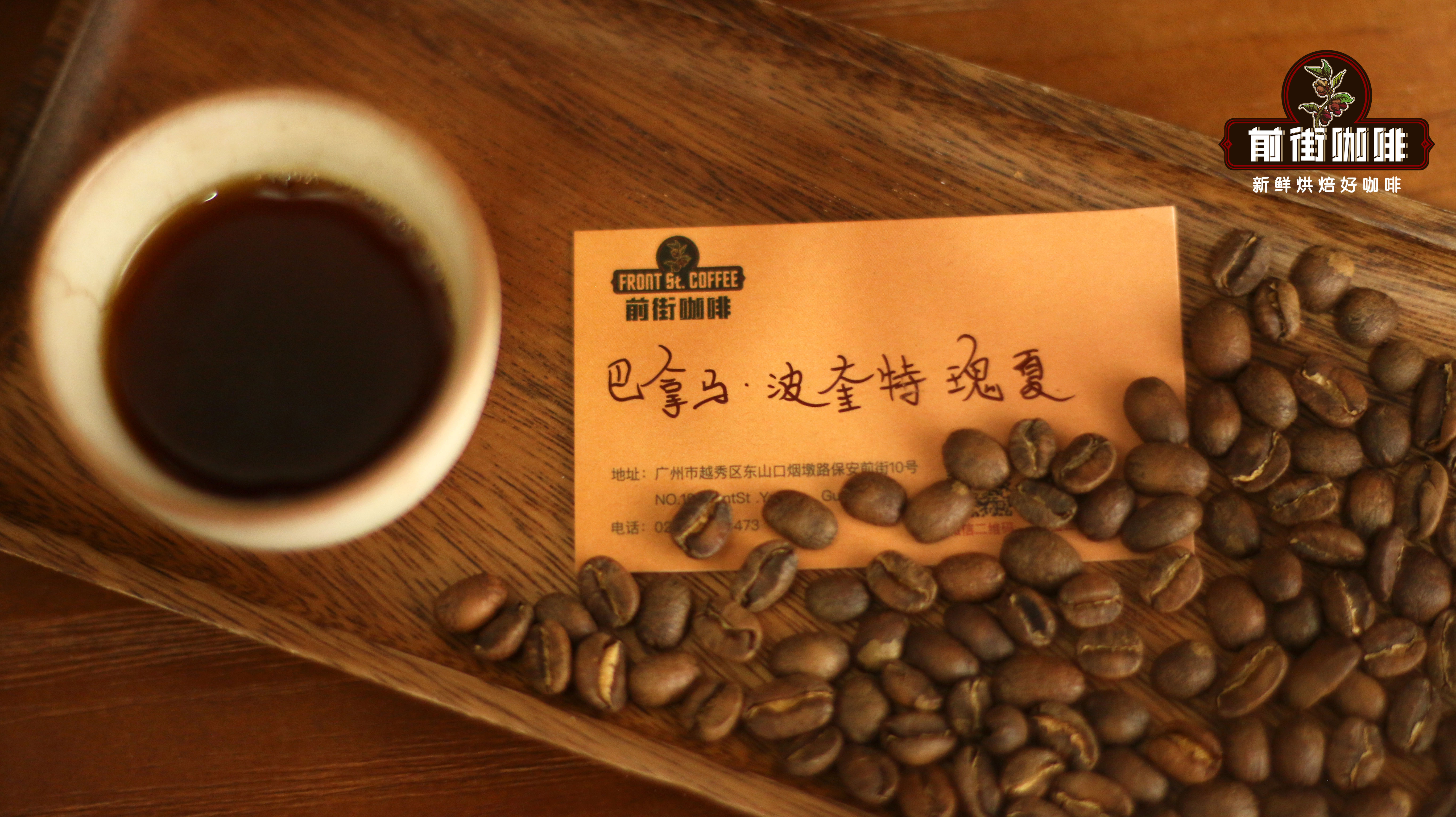
When talking about Geisha, one cannot overlook Panama’s Hacienda La Esmeralda. Nestled in the Boquete region, famous for its highly variable microclimates, the estate benefits from fertile volcanic soils, significant day-night temperature variation, and moderate humidity—ideal conditions for cultivating high-quality Geisha. The estate features several well-known sub-parcels, such as Jaramillo, Canas Verdes, and El Velo. Owing to subtle differences in altitude, slope orientation, and microclimate—even when growing the same Geisha variety—each site imparts its own unique flavor direction. This is why Emerald Estate has further introduced two distinct grades: Red Label and Green Label, allowing consumers to choose the most representative expression of Geisha based on their preferences.
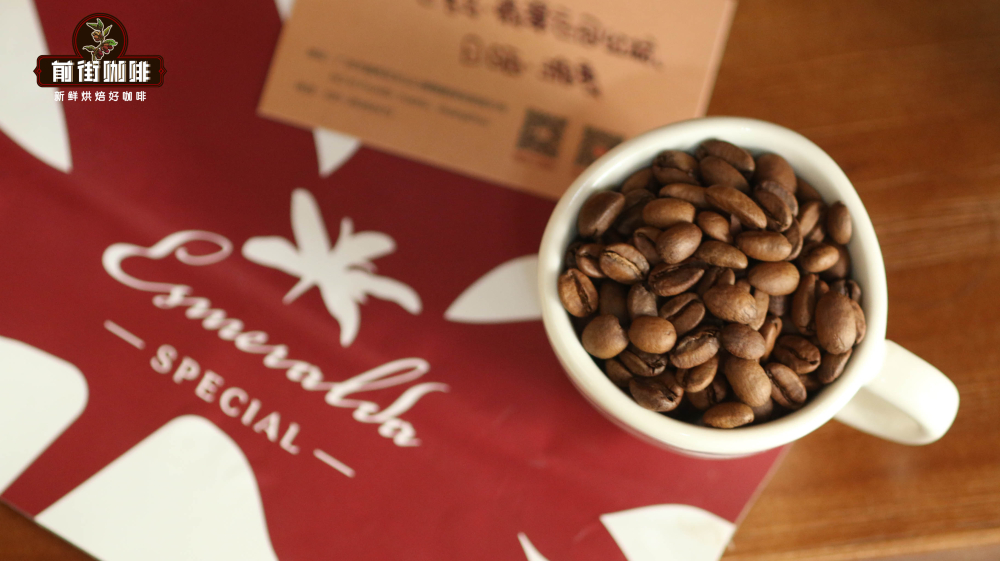
The so-called “Red Label” refers to the Esmeralda Special line—the flagship representation of the estate’s top-tier Geisha. These beans typically come from the star sub-parcels of Jaramillo and Canas Verdes, situated at elevations between 1600 and 1800 meters, with each lot scoring 90 points or higher in cupping evaluations. Such Geisha beans are mostly processed using the natural (sun-dried) method, often exhibiting intense flavors of strawberry, rose, black tea, and citrus, with bright acidity and a sweet, berry-like finish that unfolds in distinct layers. Generally, these high-grade Geishas fetch high auction prices, though non-auction lots are also available on the market at more accessible prices—around 350 RMB per 100g—making them a great choice for coffee enthusiasts eager to deeply explore complex flavor profiles.
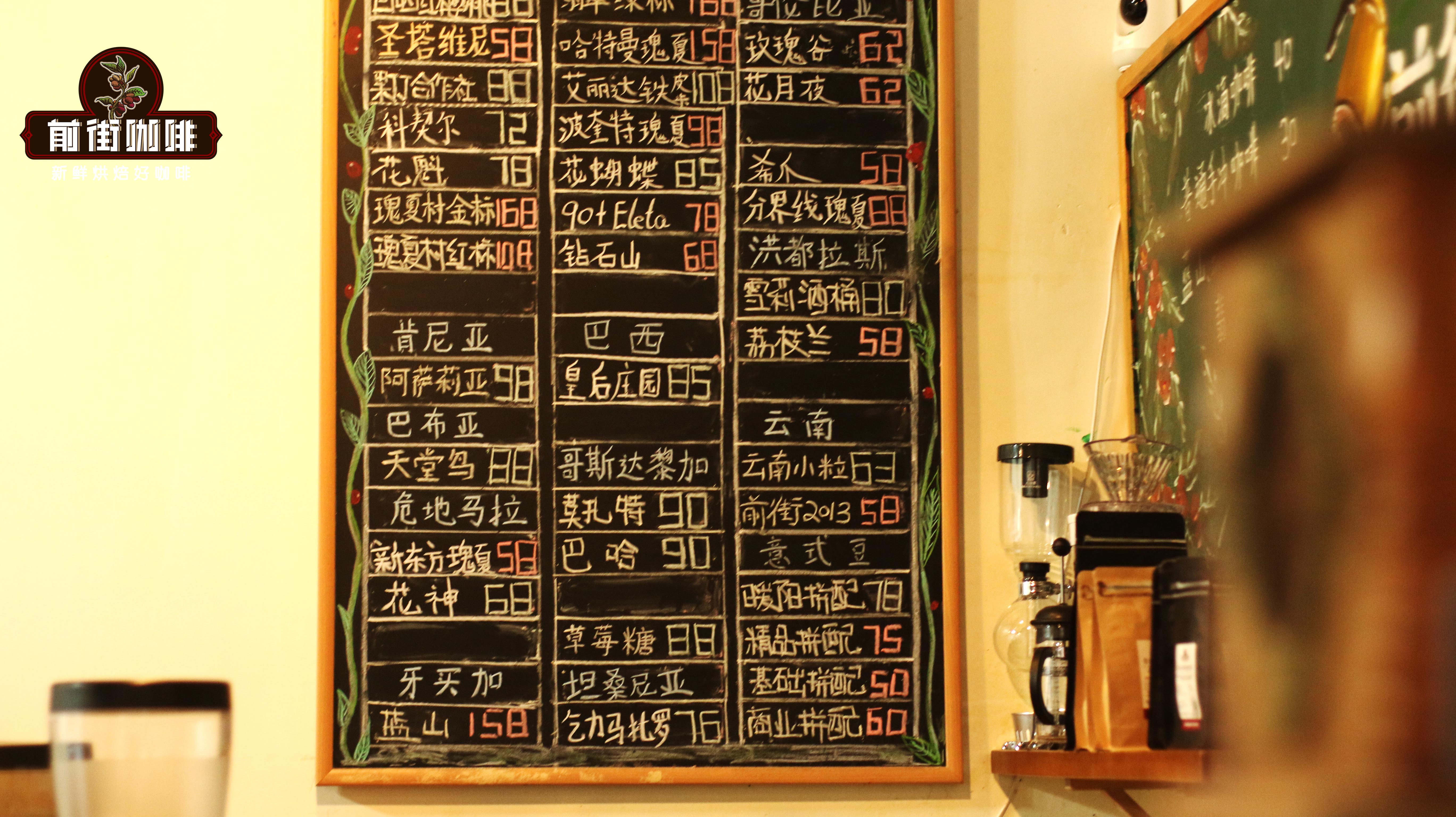
As for the Green Label, also known as the Private Collection series, it blends Geisha beans from multiple sub-parcels without emphasizing any single origin, yet still maintains the high-altitude cultivation standard of 1600–1800 meters. This series commonly employs the washed processing method, resulting in a flavor profile that is more refreshing, often featuring white floral notes like jasmine and ginger lily paired with clean acidity from lemon and sweet orange. It delivers a pronounced sweetness with a honey-like, velvety aftertaste, overall balanced and approachable. With a market price of about 168 RMB per 100g, it serves as an excellent entry point into the world of Geisha.
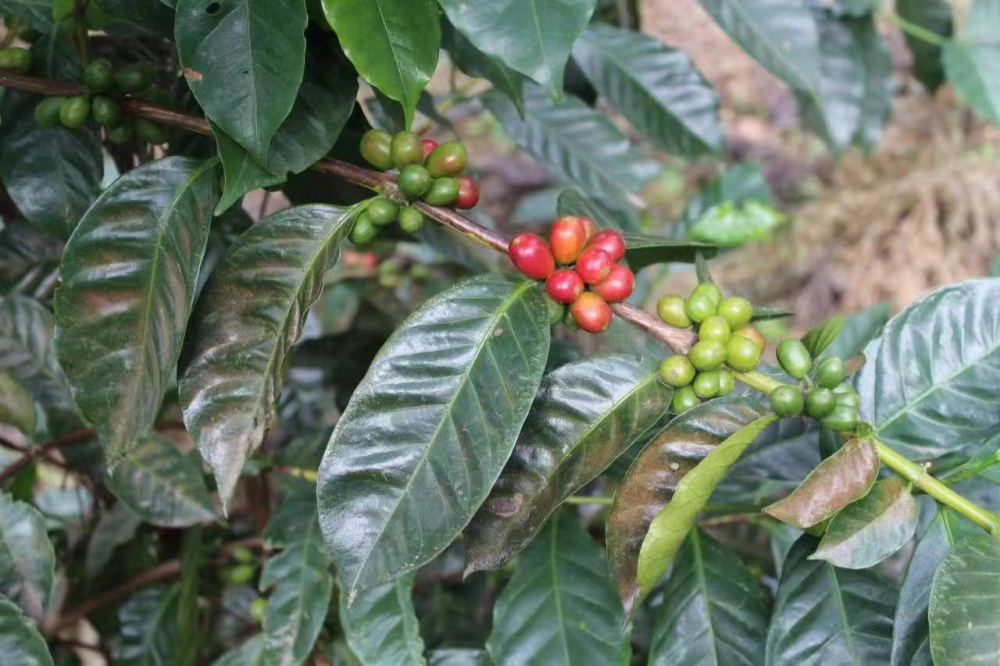
Beyond Emerald Estate, the broader Boquete region is also a golden land for cultivating Geisha. Located on the eastern side of the Barú Volcano, the region spans altitudes of roughly 1000 to 2000 meters. It boasts not only fertile volcanic ash soil but also benefits from the dual influence of the warm, humid Caribbean air currents and the cool currents of the Atlantic Ocean, forming a distinctive microclimate. Moreover, the presence of the “Barú Volcano National Park” enhances the area’s biodiversity, giving rise to more than seven distinctly different microclimates. The year-round misty environment and abundant rainfall encourage coffee trees to ripen slowly, accumulating richer flavor compounds. As a result, Geisha beans from Boquete often carry citrus acidity, clean floral notes, and a tea-like sweetness, offering clarity and layers in the cup. Pourover beans of Boquete-grown Geisha are priced at around 98 RMB per 100g—a great option for budget-conscious beginners who still want to experience the charm of Geisha.
The reason Geisha can express such nuanced and multifaceted flavors lies heavily in roasting and brewing methods. It is generally recommended to use a medium-light roast to preserve the bright acidity and complex fruity-floral characteristics inherent to high-altitude beans. Over-roasting can easily mask its delicate aromas, rendering the overall flavor profile monotonous. Furthermore, to fully activate Geisha’s aromatic compounds, it is advised to use a high water temperature of 91–92°C along with a relatively fine grind size (approximately 80% through a #20 sieve, similar in coarseness to superfine sugar), and to moderately increase the coffee-to-water ratio to 1:16, which helps achieve a fuller release of flavors.
In terms of equipment, the V60 dripper is a top recommendation among many professional baristas. Its unique spiral channel design and central large hole allow for extended contact time between water and coffee while maintaining an appropriate flow rate, helping to extract a more three-dimensional balance of sweet and acidic layers along with clear aromatic expression. Below is a commonly used shop brewing procedure suitable for Red Label sun-dried Geisha:
Pour over brewing parameters:
- Dripper: V60
- Water temperature: 91–92°C
- Coffee dose: 15g
- Grind size: Superfine sugar (sifted through a #20 sieve to 80% extraction)
- Coffee-to-water ratio: 1:16 (total water volume approximately 240g)
Three-stage extraction steps:
- Place 15g of coffee grounds into the dripper, then pour 30g of water for the bloom phase and let it sit for about 30 seconds. It is recommended to pour in a slow circular motion from the center outward to ensure even saturation of the coffee bed.
- Next, pour a slightly larger stream of water to reach 120g, for a total of 150g, completing this stage within approximately 55 seconds. Ensure the water stream is vertical and even to help lift the coffee bed and ensure uniform extraction.
- Finally, when the coffee liquid level drops to about half, switch to a smaller stream and pour the remaining 90g of water to reach a total of 240g. Complete this stage within about 2 minutes and 10 seconds. Maintain a steady pour to avoid disrupting the structure of the coffee bed.
Once brewing is complete, let it sit briefly, then remove the dripper. Gently swirl the coffee in the server to blend the layers, and enjoy this cup of Geisha with its vibrant floral and fruity aromas and bright acidity.
The above content is compiled by CoffeeHunters, a coffee news website.


