







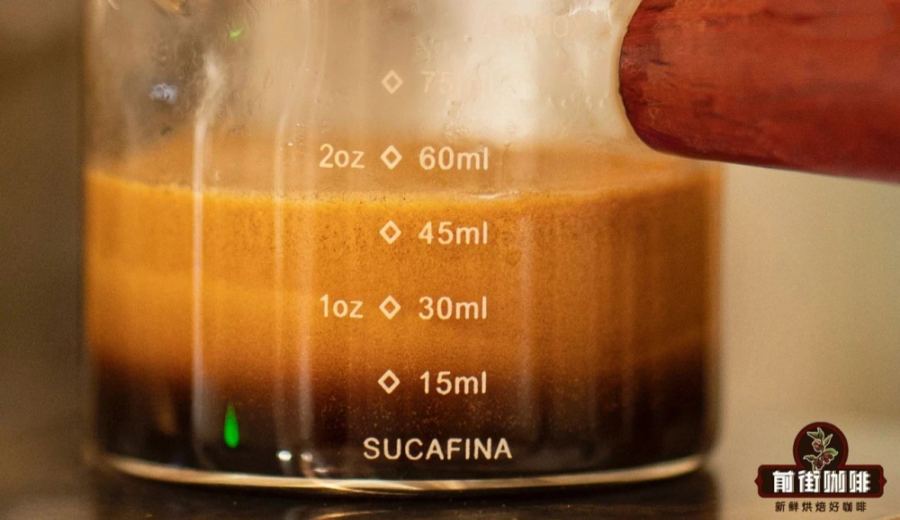
Introduction:When making espresso, if extraction is accidentally interrupted prematurely, many wonder whether it’s possible to restart the process and continue extracting, just like with pour over. A laboratory conducted three comparative experiments using the Warm Sun Blend, including normal extraction, mid-extraction interruption and continuation, and late-stage interruption and continuation. The experiments analyzed changes in flow rate and flavor profiles at different stages. This article delves into the principles of pressurized extraction in espresso machines and offers practical advice on how to properly handle extraction interruptions.
During the espresso brewing process, occasional operational errors or distractions may cause the extraction to stop before reaching the standard liquid volume. Some coffee enthusiasts might think that since the desired yield hasn’t been achieved, can they simply press the extraction button again to “continue” the brew, just like with pour over? To answer this question, researchers used the Warm Sun Blend as the base and conducted a series of comparative experiments to explore whether restarting the extraction at different stages could effectively compensate for lost flavors and compounds.
The experiment was divided into three groups: the first group underwent a standard single continuous extraction; the second group had the extraction interrupted halfway through the liquid volume, waited two seconds, and then restarted; the third group had the extraction stopped at about two-thirds completion before continuing with the remaining portion. All three groups used the same coffee beans, grind size (Galileo Q18, 1.2 setting), coffee dose (20 grams), and target yield (40 milliliters), maintaining a brew ratio of 1:2.
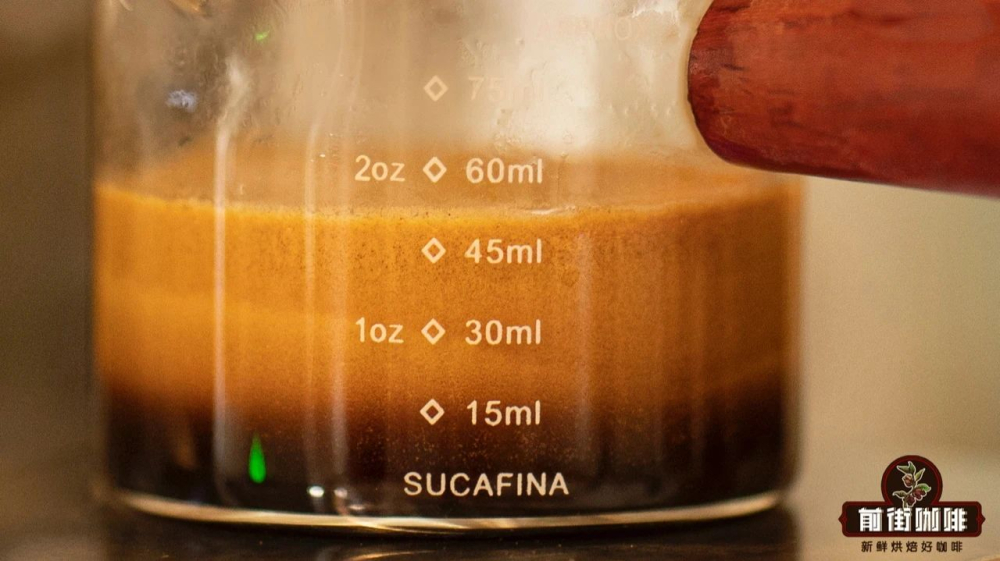
The first group, which underwent normal extraction, completed smoothly within 30 seconds, showcasing the distinctive whiskey-like aroma, rich buttery cookie notes, and subtle berry acidity unique to the Warm Sun Blend. The overall profile was balanced and layered. However, in the second group—where extraction was interrupted at 20 milliliters (about halfway) and restarted after two seconds—the outcome was markedly different. The remaining 20 milliliters flowed out in just 4 seconds, with a noticeably faster flow rate. The coffee liquid was pale in color, the flavor extremely thin, and the expected aroma and sweetness were almost entirely absent.
The third group had the extraction stopped at 31 milliliters (about two-thirds) after 25 seconds, followed by a two-second wait before continuing. The remaining 10 milliliters finished in 2 seconds—slightly thicker than the second group and with marginally more body, but compared to the standard extraction, it still lacked strength and failed to restore the full coffee profile. This proves that even attempting to continue extraction near the end stage cannot compensate for the loss in extraction quality caused by the interruption.
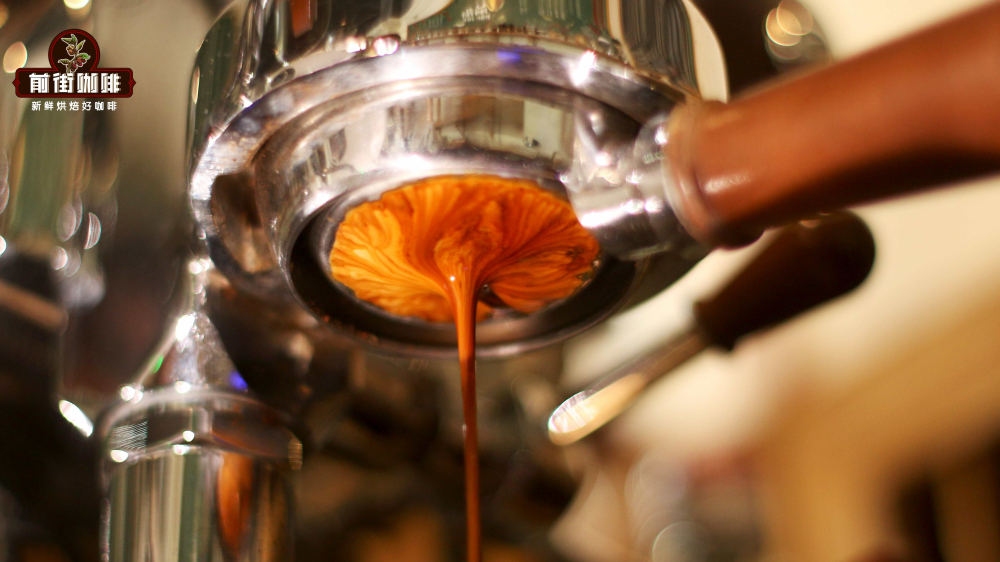
So why can’t the same coffee puck be effectively extracted a second time or in segments? The key lies in the pressurized extraction principle used in espresso machines. When the extraction button is pressed, the machine pushes hot water through the coffee puck at around 9 bars of pressure. This high pressure not only forces soluble compounds out of the coffee but also compresses the puck, forming a compact and uniform bed structure. This helps the water penetrate evenly, extracting a rich array of flavor compounds.
However, once extraction is interrupted, the originally compressed and stable puck structure collapses. First, the backflow suction quickly draws away the substances already released from the surface of the puck. In addition, the carbon dioxide released under high pressure alters the density of the coffee particles, making any residual pathways more open. When extraction is restarted, the water no longer faces uniform resistance but instead flows rapidly through the already formed “channels,” leading to a sudden surge in flow rate but a significant drop in extraction efficiency.

The resulting coffee liquid is not only light in color but also extremely limited in flavor compounds. It may even carry burnt, bitter, or off-tasting notes due to channeling effects, further diluting the overall mouthfeel and quality of the espresso. Therefore, if an extraction interruption occurs during the brewing process, it is advised not to attempt to continue extraction using the same puck. Instead, regrind and re-tamp to prepare a completely new shot of espresso, ensuring both flavor consistency and the integrity of the extraction.
In summary, although segmented or multiple-stage extraction is a common technique in some pour over or filter coffee methods, under the pressurized system of espresso—especially within a stable 9-bar high-pressure environment—continuing extraction not only fails to achieve the desired results but may also disrupt the original flavor balance. If you want a cup of espresso with a complete and layered flavor profile, the best approach is to focus and avoid interruptions during the initial extraction. Should an interruption truly occur, starting fresh is the most reliable and quality-controlled option.
The above content is compiled by CoffeeHunters, a coffee news website.


