







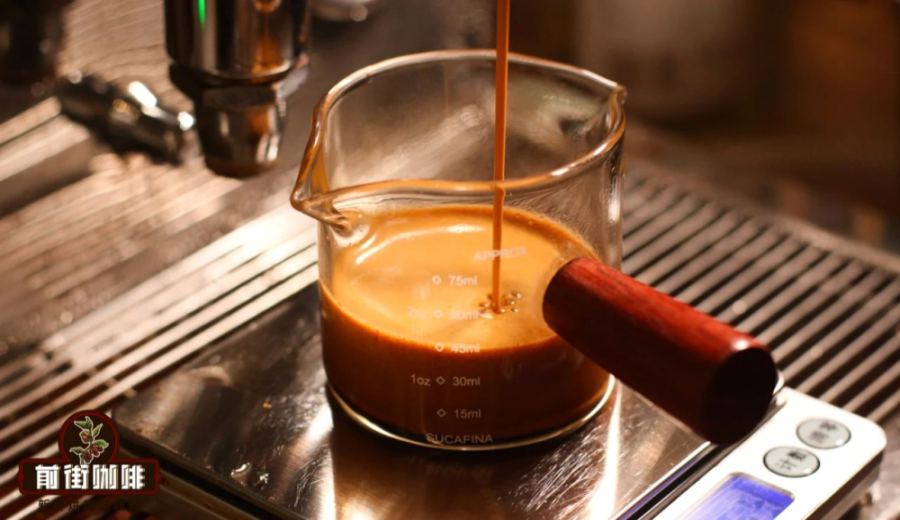
Introduction:Grind size is a key factor that influences the flavor and extraction efficiency of espresso. Since the grind setting on an espresso grinder is extremely fine and difficult to discern with the naked eye, many coffee beginners often struggle with adjustments. This article will teach you how to adjust to the appropriate grind coarseness by observing extraction time (20–30 seconds being the optimal range), brew ratio, and flow rate. Practical examples will also illustrate how to shift from an overly bitter extraction to one with balanced aroma, while reminding you that taste remains the ultimate test to find your coffee’s best expression.
The grind size for espresso typically falls between flour and table salt, within the very fine range — it’s hard to judge accurately just by looking. However, the coarseness of coffee grounds directly affects how quickly water flows through, which in turn determines extraction time and the final flavor profile. Therefore, adjusting the grind size becomes the first step in crafting an ideal espresso shot.
According to standards set by the Italian Espresso National Institute and the World Barista Championship (WBC), a qualified espresso shot must be extracted under9 atmospheres of pressure (9bar)and90.5~96°Ca specific water temperature,for 20–30 secondsto yield about30 milliliters (1 ounce)of coffee liquid, accompanied by a rich Crema (coffee foam). While these conditions do not explicitly state what the grind size should be, we can infer the appropriate grind coarseness by controlling the extraction time.
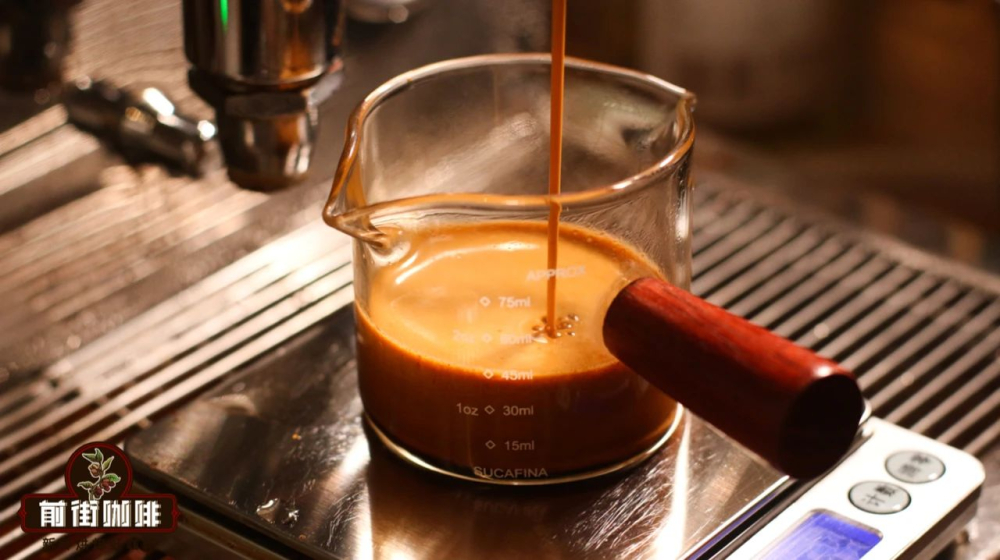
So how do you determine whether your espresso grind size is just right? The key lies in the “flow rate.” When coffee is ground too fine, water faces greater resistance as it passes through, leading to a longer extraction time and a risk of over-extraction, resulting in burnt, bitter flavors. Conversely, if the grind is too coarse, water flows too quickly, leading to under-extraction — the coffee may taste sour and lack complexity. Therefore, adjusting the grind size is all about finding that “sweet spot” where the coffee releases its optimal flavors within the right amount of time.
In practical operation, it’s recommended to first fix other variables, including:dose (usually 20 grams),brew ratio (commonly 1:2, meaning 40 grams of extracted coffee),water temperature (around 93°C), andpressure (9bar). These are all critical parameters affecting extraction. By keeping them stable, you can more effectively focus on adjusting the grind size to control extraction time.
For example, when a certain coffee brand was testing a Colombian Gesha coffee bean using a Galileo Q18 grinder, the initial setting was at2.0. With20 grams of coffee grounds, it yielded40 grams of coffee liquid, but took34 seconds— noticeably slow — and the resulting cup had a clear, bitter taste. After adjusting the grind setting to2.2(a finer adjustment),the extraction time was shortened to30 seconds
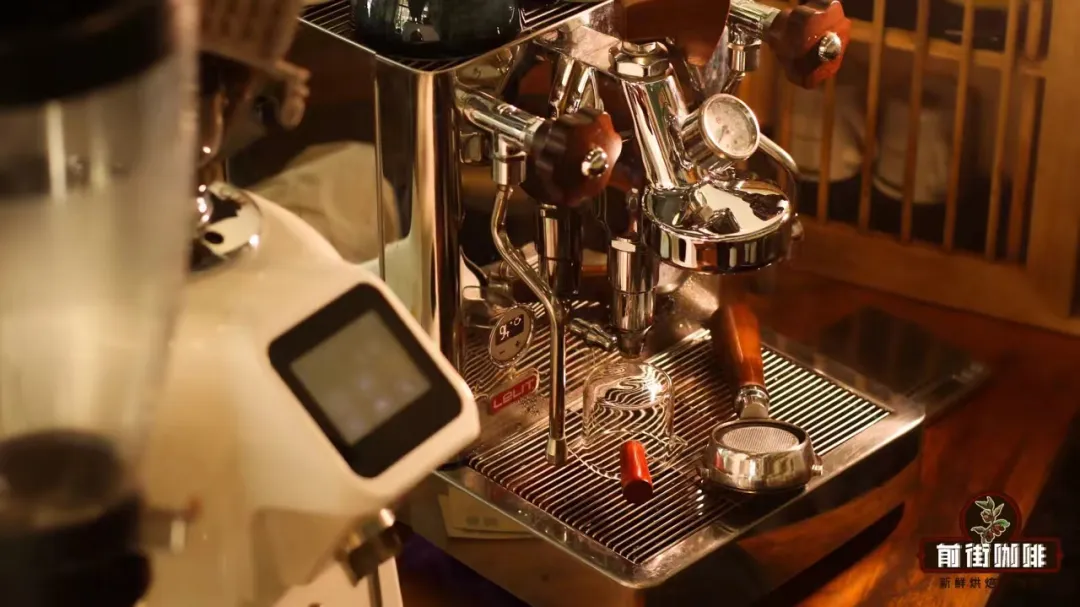
. Not only did the bitterness decrease, but the aroma also became clearer and brighter, indicating that the grind size was now closer to the ideal.
However, even if the extraction time falls within the ideal 20–30 second range, it doesn’t guarantee excellent flavor. In this case, your taste buds are the final judge. If you detect sharp acidity, astringency, or a thin, watery mouthfeel, it may mean that the brew ratio, water temperature, or pressure still needs fine-tuning. If you’ve confirmed that other parameters are correct but are still unsatisfied with the flavor, consider slightly adjusting the coffee dose — for instance, reducing it by 0.2–0.5 grams — to slightly speed up the flow rate and further enhance flavor clarity and complexity.
In another real-world example, when the grind size, flow rate, and extraction time for a Colombian Gesha Single Origin coffee were all dialed in to ideal levels, the coffee exhibited rich flavors of tropical fruits such as grapes, passionfruit, and citrus — very appealing. But under the same conditions, if you perceive an unwanted hint of burnt bitterness, then fine-tuning the dose or checking whether the grinder has old coffee residue is also necessary. Whenever you change coffee beans or grinders, always clean the burrs and hopper to avoid interference from residual oils or fine particles affecting the current batch’s extraction performance.In summary, adjusting the grind size for espresso beans isn’t a one-size-fits-all formula — it requires combining scientific data with sensory evaluation. Start by setting a reasonable extraction time, observe flow rate and brew output, and then use actual cupping to assess flavor performance, ultimately finding the optimal grind size for your machine, beans, and personal taste preferences. Remember,a 30-second extraction
The above content is compiled by CoffeeHunters, a coffee news website.


