







Introduction:Spanish coffee culture blends rich history with local charm, showcasing a unique drinking art that ranges from black coffee to creative pairings with condensed milk. This article delves into nine classic Spanish coffees—including Café solo, Café con leche, and Café Bombón—and shares brewing details and practical tips for Spanish-style lattes, taking you on a journey to discover the soul of coffee in the Iberian Peninsula.
Coffee presents a diverse and vibrant face around the world, but Spanish coffee culture is truly one of a kind. From the bold Café solo to the mellow Café con leche, and the sweet, condensed-milk-centric Café Bombón, Spaniards skillfully blend coffee with milk, sweetened condensed milk, and even alcohol to create a variety of memorable classic drinks. These coffees are not only everyday pick-me-ups but also an essential part of social life.
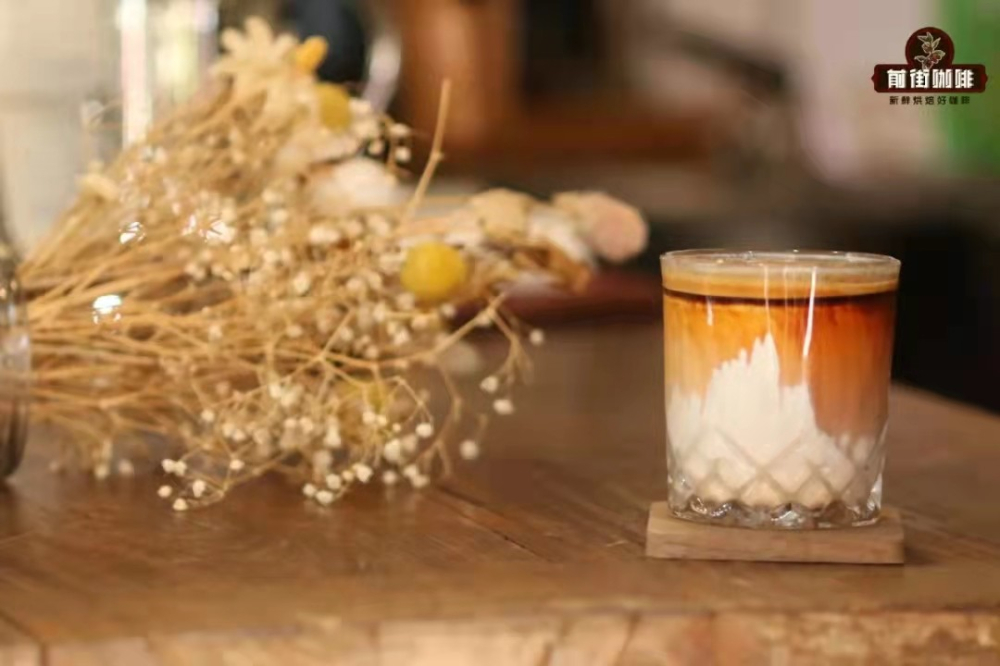
Take Vietnam, for example, where the popular “ca phe sua da” is made with dark-roasted Robusta beans and intensely sweet condensed milk, resulting in a unique flavor profile that balances bitterness and sweetness. A similar creative twist has emerged in Spain with the local version, Café Bombón, which pairs espresso with condensed milk. This drink is typically served in a transparent glass cup with a capacity of about 90 to 120 milliliters, where equal parts espresso and condensed milk are layered—due to the higher density of the condensed milk, it naturally creates a striking black-and-white visual effect. When left unstirred, the richness of the espresso contrasts with the smoothness of the condensed milk, and once sipped, the bitterness is noticeably softened, resulting in a rich and layered mouthfeel.
The history of coffee in Spain is closely tied to maritime trade. Early Spanish ships brought coffee plants to Central and South America, helping those regions become major coffee-producing areas. Although domestic coffee cultivation is limited, Spain developed a tradition of dark roasting, giving rise to what is known as “Spanish-style roasting”—a style that produces intense flavors and nearly pitch-black beans. This roasting approach is commonly applied to coffee beans imported from Angola and Mozambique, where high-temperature roasting fully releases nutty and chocolatey aromas.
Spanish coffee shops are a microcosm of social life. Whether at traditional establishments marked with “Bar” or lively corner hangouts, it’s common to see locals gathered over cups of coffee. Waiters bustle about with loud calls, while customers chat and laugh amid the aroma of coffee, creating a uniquely local atmosphere. Interestingly, when travelers ask for takeout coffee, staff often kindly suggest enjoying it on the spot—because in Spain, sipping coffee is a cherished daily ritual meant to be savored slowly.
Here are nine essential classic Spanish coffees you should know:
Café soloA tiny glass filled with pure black coffee, packing all the concentrated essence.
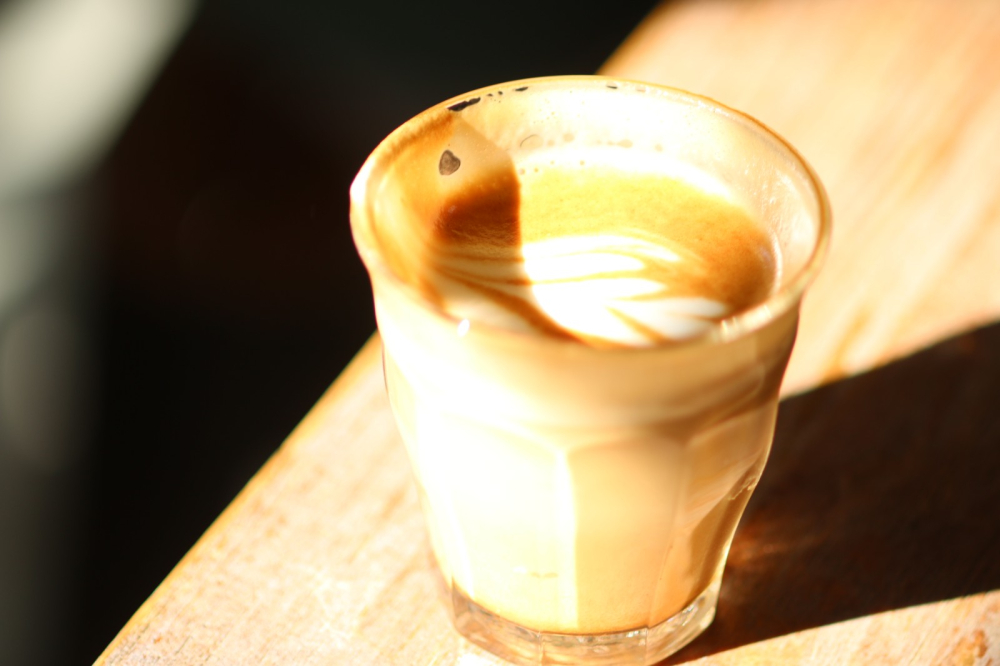
Café con lecheSpain’s most popular breakfast drink, made by combining steamed milk with espresso, usually served in a wide-mouthed cup.
Café cortadoEspresso with just a small amount of milk, perfect for a light afternoon sip.
Café BombónA Valencia-born classic where espresso and condensed milk are layered in a 1:1 ratio, offering sweetness without being cloying.
Café descafeinadoAvailable in decaffeinated options, either as instant packets or brewed using professional machines.
Café americanoEspresso diluted with water to adjust strength to personal preference.
Café con hieloA classic iced coffee, recommended to dissolve sugar in hot coffee before pouring over ice to prevent sugar settling.
CapuchinoThe Spanish version of a cappuccino, often topped with whipped cream and a sprinkle of cinnamon.
CarajilloBlack coffee with added spirits such as brandy, where the traditional practice of igniting the alcohol before mixing it into the coffee adds a distinctive charm.
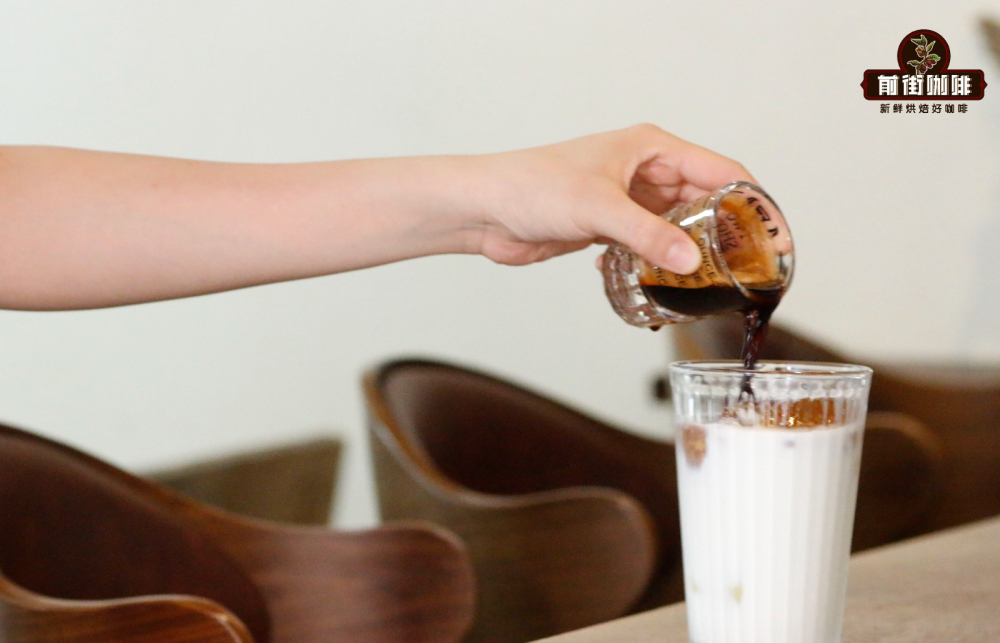
What sets the Spanish latte apart from the common latte is the addition of condensed milk. This adjustment not only reduces the bitterness but also highlights the natural sweetness of lactose. In practice, it’s recommended to first extract 40 milliliters of espresso base, mix in 10 grams of condensed milk until well-blended, and then combine with 200 milliliters of fresh milk heated to about 55–65°C. For an iced version, start by placing ice cubes and cold milk in the cup, then slowly pour the condensed milk-infused espresso over, finishing with a gentle stir to mix evenly.
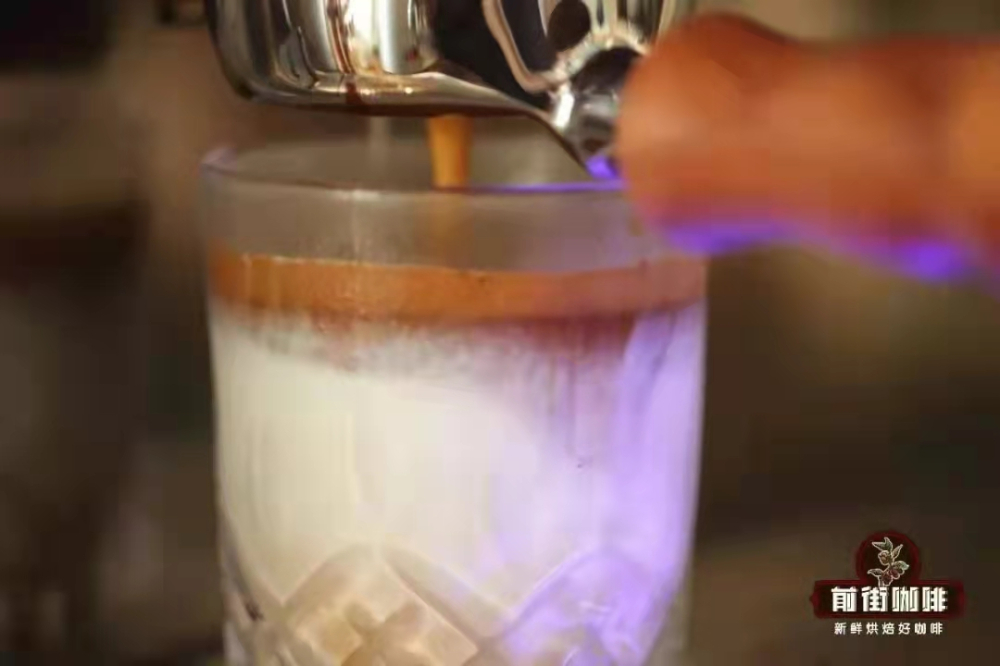
Brewing high-quality Spanish coffee involves several key steps: Use freshly roasted coffee beans (ideally within 5 days post-roast), allowing for proper resting time (usually 4–7 days). Ground coffee should be used as soon as possible to preserve aroma; if pre-ground, brew immediately to avoid oxidation affecting flavor. Taking a common Spanish coffee blend as an example—combining sun-dried Ethiopian red cherry and Honduran sherry barrel-aged profiles—it delivers a complex layering of vanilla, cream, and berries, with the addition of condensed milk further enhancing the sweet and smooth texture.
The above content is compiled by CoffeeHunters, a coffee news website.


