







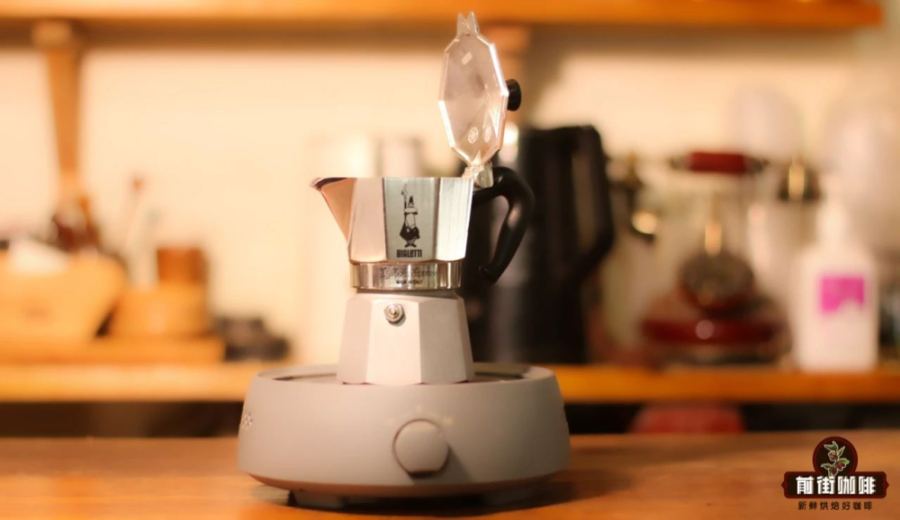
Introduction:The moka pot is a classic Italian coffee maker that uses steam pressure to extract coffee, allowing you to easily brew rich, crema-filled espresso-style coffee at home. This article provides a detailed guide on selecting suitable coffee beans, step-by-step operation instructions, and common mistakes to avoid when using a moka pot. Learn how to achieve near-professional-grade espresso by controlling grind size, water temperature, and heat with precision.
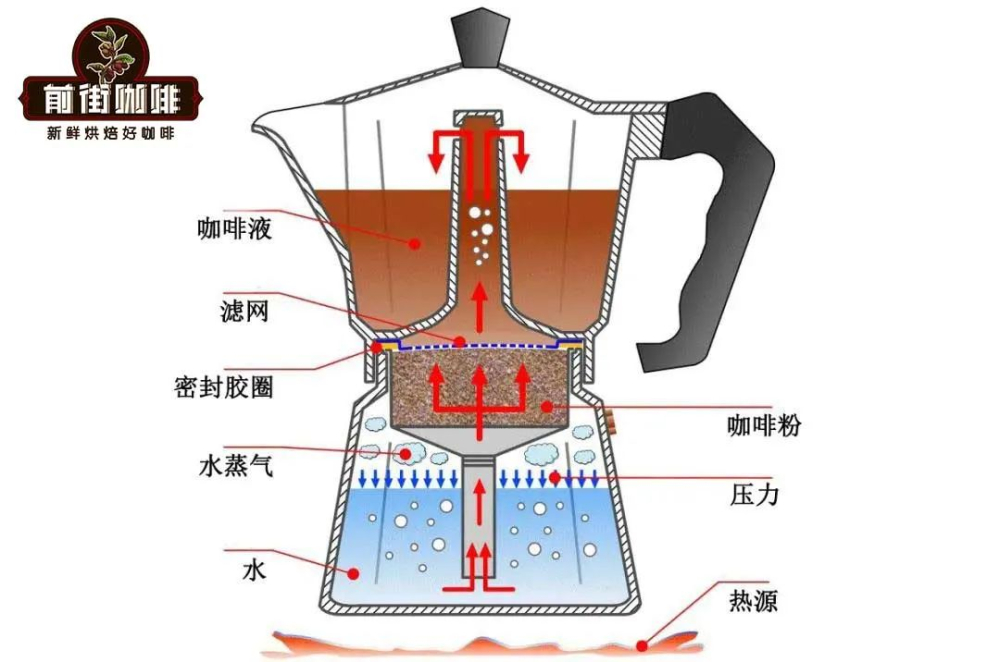
Since its invention in 1933, the moka pot has been an indispensable coffee tool in Italian households. Designed by Alfonso Bialetti, it operates by heating water in the lower chamber to generate steam pressure, which forces the hot water upward through the coffee grounds in the middle filter basket, extracting a strong coffee concentrate into the upper chamber. Although not as precise as professional semi-automatic machines, this extraction method enables the use of relatively simple tools to produce coffee with crema and intense flavor, making it beloved by coffee enthusiasts worldwide.
Coffee beans suitable for the moka pot are generally medium to dark roasted. This roast level highlights rich caramel, chocolate, and nutty notes, along with appropriate body and crema release. It is recommended to try a “classic Italian blend,” which features flavors of nuts, butter, chocolate, and caramel—perfectly matching the high-intensity characteristics of moka pot extraction. For those who prefer a milder fruitiness, blends combining beans from Costa Rica, Colombia, and Ethiopia, such as those featuring the Geisha variety, can offer bright acidity and sweet berry or gummy-like notes while retaining crema and a smooth mouthfeel. These reduce overall bitterness and are ideal for those less accustomed to strong, bitter coffee.
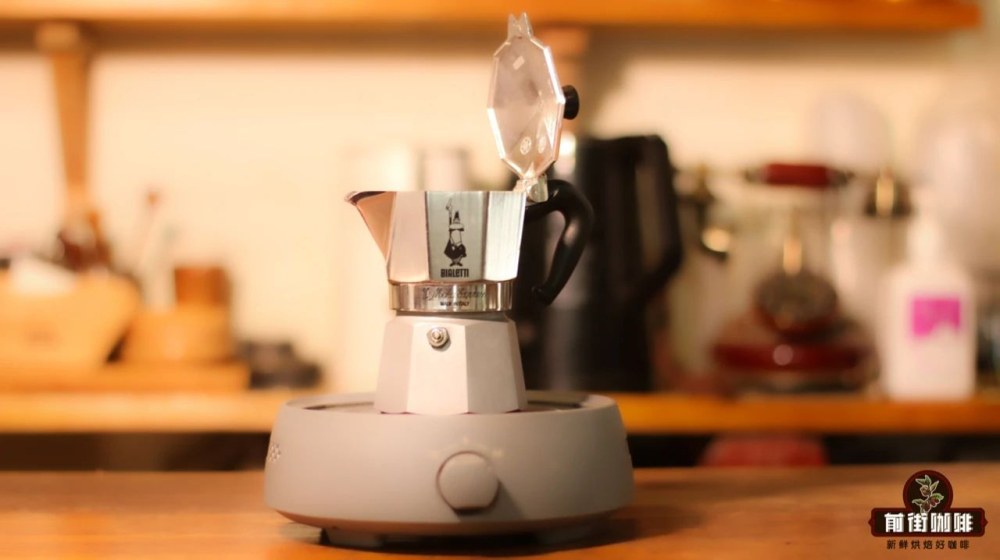
Although the steps for using a moka pot are not complicated, each stage affects the final flavor. First, fill the lower chamber with clean water.The water level should be kept about 0.5 cm below the safety valve.This prevents excessively high steam pressure, which could lead to danger. Next, grind the coffee beans to a slightly coarser consistency than what’s typically used for standard espresso machines—roughly similar to the texture of fine sugar. This helps avoid over-extraction or channeling. Place the ground coffee into the filter basket, gently tap it to level the coffee bed, then use a distribution tool or your fingers to evenly press and flatten the surface, ensuring consistent coffee density. This promotes stable extraction and avoids uneven over- or under-extraction.
Insert the filled filter basket into the lower chamber, securely screw the upper and lower parts together, and place the moka pot on the heat source. It’s recommended to use an electric coil stove or gas burner, heating it over high heat initially. As the pot gradually warms up and you hear a distinct “wuu wuu” steam sound, reduce the flame to low. You may slightly lift the upper chamber lid to observe the extraction process. When about half of the coffee has flowed into the upper chamber, turn off the heat. Let the remaining pressure and heat push the last of the coffee into the upper chamber. This approach helps prevent over-extraction while preserving optimal flavor.
Coffee brewed with a moka pot is typically strong and features noticeable crema, with a mouthfeel close to professional espresso. Aside from drinking it straight, you can also add hot water to make an Americano, or mix with milk to prepare lattes, cappuccinos, and other specialty coffee drinks. Additionally, it’s advised to use freshly roasted beans and store them properly to maintain their flavor. Be sure to clean the moka pot after each use to avoid residual coffee grounds affecting the quality of future extractions.

When using a moka pot, there are several important precautions and common mistakes to watch out for. First,the water level must never exceed the safety valve position.Doing so may cause the hot water to spray or the pot to become damaged due to excessive pressure. Furthermore, the exterior of the moka pot becomes extremely hot during use, so be sure to use heat-resistant gloves or a towel to handle it and avoid direct contact to prevent burns. If you notice the coffee extraction behaving explosively, it’s usually due to water that’s too hot; conversely, if the coffee flows out too slowly, it may indicate insufficient heat, and you can adjust the flame accordingly. Also, since the moka pot is a pressure-based extraction device, always pay close attention to heat control to prevent safety issues caused by excessive internal pressure buildup.

In summary, as long as you master the right selection of coffee beans, proper grind size, accurate water temperature, and suitable heat control, the moka pot can reliably brew espresso-quality coffee at home. Whether you prefer bold, smoky flavors or smoother profiles with fruity notes, slight adjustments based on personal taste can help you enjoy a rich, high-quality Italian coffee experience using this classic brewing tool.
The above content is compiled by CoffeeHunters, a coffee news website.


