







Introduction:Yirgacheffe is a classic washed Ethiopian Arabica coffee known for its bright acidity and floral notes, often serving as many coffee beginners’ first encounter with specialty coffee. This article provides an in-depth look at its regional characteristics, price range, flavor profile, along with practical pour over parameters and techniques. It also explores whether it’s suitable for milk, helping you better understand this iconic African coffee.
Yirgacheffe — a name familiar to coffee enthusiasts — refers to classic washed Ethiopian Arabica beans sourced from the highlands of southwestern Ethiopia. This coffee is most renowned for its medium-to-high acidity, delicate floral aroma, and tea-like body, often carrying pleasant scents such as lemon, jasmine, and honey. Upon tasting, its tea-like notes shine through, making it especially popular among those who prefer a clean and refreshing cup. It is not only a top choice for many entering the world of specialty coffee but also a bean variety frequently recommended by baristas.
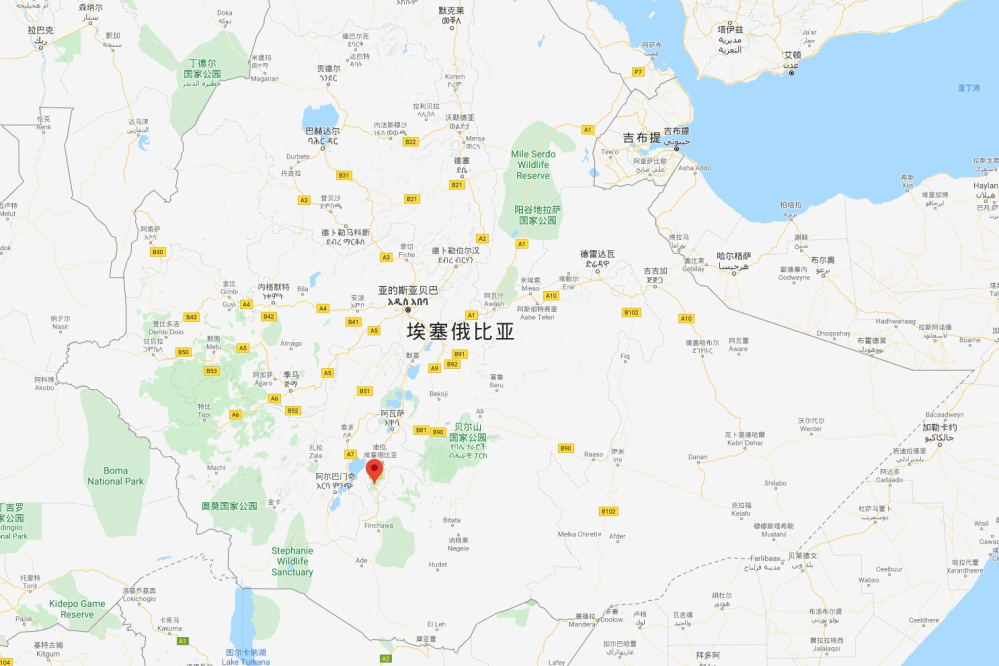
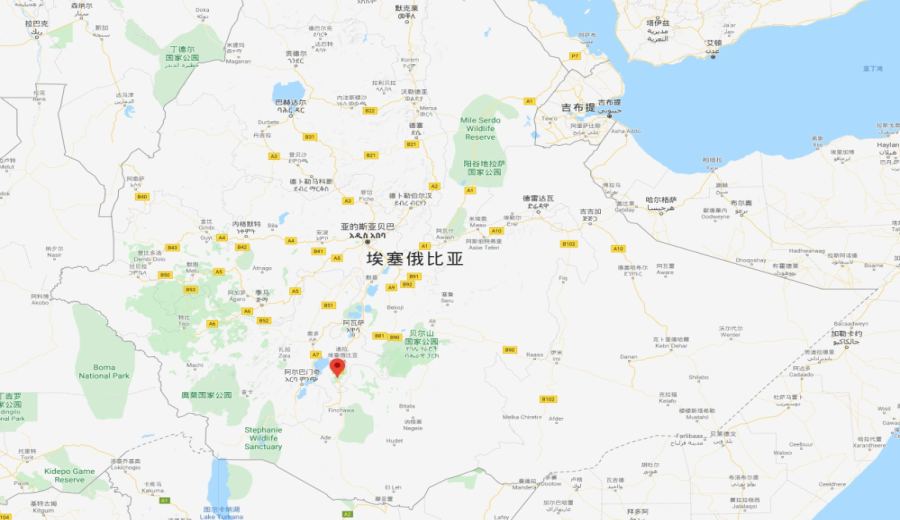
The Yirgacheffe region is located in the highlands of southern Ethiopia, characterized by rolling hills and forested terrain, with elevations typically ranging between 1,700 and 2,100 meters. Such altitude contributes to the beans’ rich flavor complexity and vibrant acidity. The coffee produced here mostly consists of small to medium-sized beans, with greenish-yellow raw beans that are plump and uniformly shaped — signs of good ripeness and processing quality. The washed processing method preserves the coffee’s most pristine and clean flavors, which is one of the keys to Yirgacheffe’s delicate taste profile.
What makes this coffee most captivating is its complex yet balanced flavor expression: upon first sniff, it often presents fresh floral notes resembling jasmine or white blossoms; the first sip reveals a distinct yet gentle fruit acidity, akin to the bright zest of lemon or citrus fruits; then, a tea-like sensation gradually emerges, offering a smooth mouthfeel reminiscent of green or oolong tea, with a long-lasting finish. For this reason, Yirgacheffe is often regarded as a bridge to specialty coffee — ideal for drinkers eager to explore coffee’s original flavors without encountering excessive bitterness.
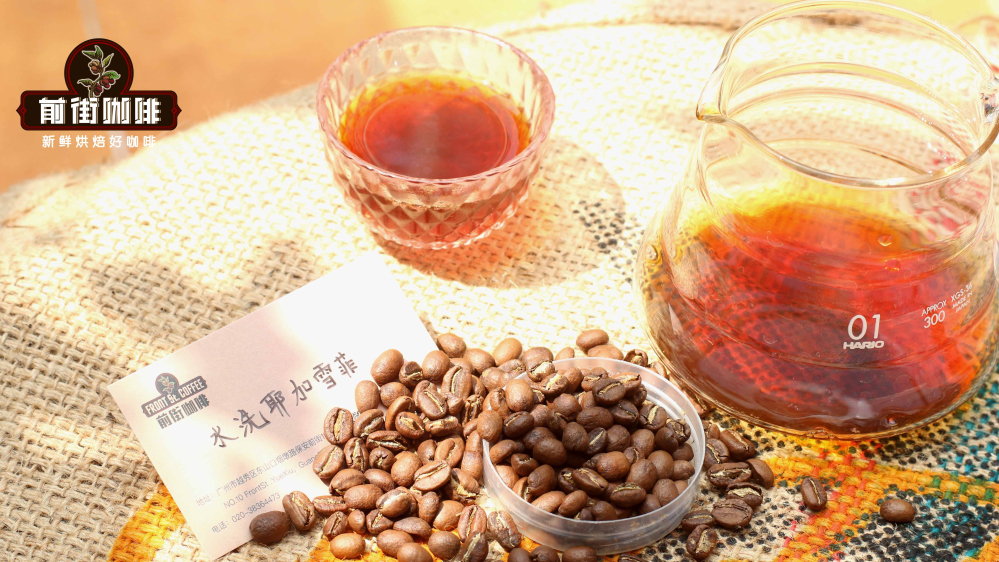
Many people new to coffee tend to add large amounts of sugar or milk, treating it more as a stimulant than a beverage meant for savoring flavors. However, the allure of Yirgacheffe lies in its inherently rich aromas and layered profile. Adding milk can easily mask its delicate floral notes and tea-like body, causing one to miss out on appreciating its true character. Therefore, unless one strongly prefers a bold milky flavor, it is recommended to try it as a black coffee on the first encounter — this way, its unique freshness and balanced acidity can be fully appreciated.
In terms of pricing, as a premium-grade washed bean, Yirgacheffe generally costs more than commercial-grade beans, but still falls within a reasonable range for specialty coffee. Depending on the harvest season, processing mill, and roast level, market prices typically range between NT$500 and NT$1,200 per pound (about 454 grams), subject to sourcing and whether it’s from an auction lot. It’s worth noting that due to the region’s high reputation, many beans on the market are labeled as having a “Yirgacheffe-style” profile. When purchasing, consumers are advised to pay attention to the specific origin information and processing method to ensure they’re getting the authentic flavor.
If you plan to brew it yourself at home using a pour over method, Yirgacheffe is also an excellent bean for practice. It’s recommended to use a medium-light roast to preserve its bright acidity and floral qualities. Grind size can be similar to that of fine sugar or slightly finer, and extraction should be done with water heated to 90°C to 95°C. Below is a set of practical and simple pour over parameters for reference:
- Dose: about 15 grams
- Water temperature: 92°C (can be slightly adjusted based on personal taste preference)
- Grind size: medium-fine (similar to fine sugar)
- Coffee-to-water ratio: 1:12 to 1:15 (it is recommended to start with 1:15, i.e., 15 grams of coffee to 225 ml of water)
- Bloom time: pour a small amount of hot water (about 30 ml) to wet the coffee grounds and let them bloom for around 30 seconds
- Total brew time: 2 minutes to 2 minutes 30 seconds
In actual practice, you may begin by evenly wetting the coffee grounds with a small amount of hot water (around 30 ml), then let it sit for 30 seconds to allow the coffee to “bloom.” This step helps release aromas and develop flavors. Then, slowly pour water in a spiral motion from the center outward. Adjust the total water volume between 180 and 225 ml based on your taste preference. After brewing, it is advisable to wait until the coffee cools down to around 60–65°C before drinking, as this is when its layers and subtle details can be best appreciated.
In summary, Yirgacheffe is an exceptionally representative African washed coffee, celebrated for its bright acidity, delicate floral notes, and tea-like body. It is not only suitable for enjoying on its own, but also serves as a great entry point for understanding the flavors of specialty coffee. By mastering the appropriate roast level, grind size, and brewing parameters, you can easily extract its charming intricacies and layers. If you’re looking for a coffee bean that showcases the true essence of coffee, why not start with Yirgacheffe and embark on a unique coffee journey?
The above content is compiled by CoffeeHunters, a coffee news website.


