







Category: Coffee Knowledge
Price and Pour Over Flavor Profile of Yirgacheffe G1 Coffee Beans | Beginner's Guide
Yirgacheffe G1 coffee beans are renowned for their delicate floral and fruity aromas, but many coffee enthusiasts have questions about their price and whether they produce bitterness when brewed using pour over methods. This article delves into the regional characteristics of Yirgacheffe, its grading system, differences in processing methods, and explores the market pricing and actual flavor performance of G1 beans. It also provides pour over brewing recommendations and parameter references to help you better understand this classic specialty coffee. [more…]
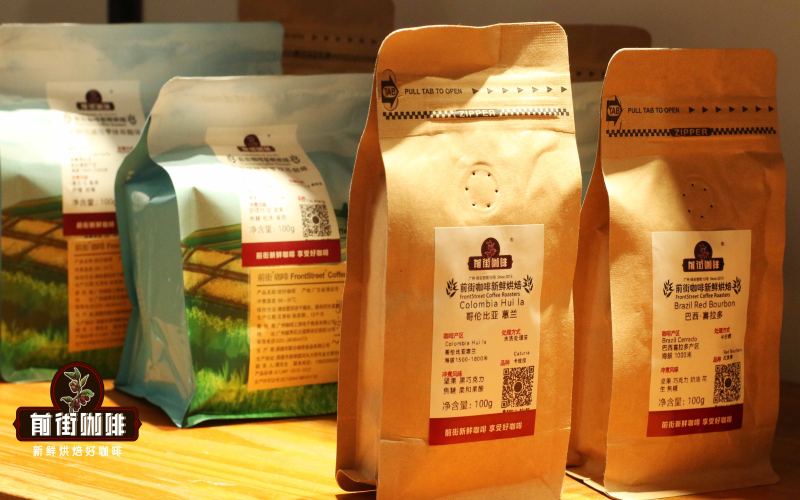
Why does Colombian Huila coffee have such rich chocolate notes? An analysis of high-altitude terroir and flavor profiles
The Colombian Huila region is renowned for its high-altitude advantages and meticulous processing techniques. Its coffees often boast intense chocolate, nutty, and caramel aromas, making them a top choice for many specialty coffee enthusiasts. This article delves into the geographical environment, climate conditions, and washed processing characteristics of the Huila area, analyzing the origins of its balanced and full-bodied flavors. It also introduces a popular washed Caturra bean suitable for various brewing methods, helping you better understand this standout Central and South American specialty coffee. [more…]
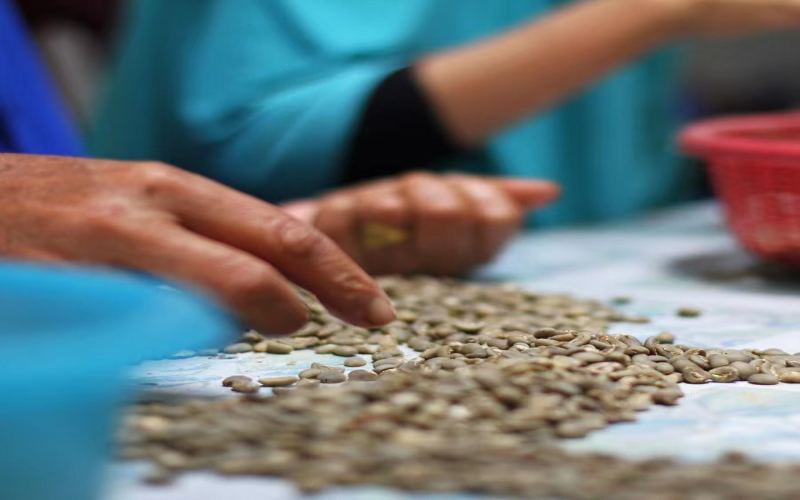
Indonesian Mandheling Coffee Bean Grades and Wet-Hulling Process: From Grading Standards to Flavor Analysis
Indonesian Mandheling coffee is favored by many coffee enthusiasts for its rich, full-bodied taste and distinctive regional characteristics. This article delves into the grading system of Mandheling, including the specific criteria and selection process for Grade 1 (G1), and provides a detailed analysis of how the wet-hulling process influences flavor. It also explores the unique regional flavors of Mandheling and explains how to achieve the best cup profile through suitable roasting and pour over parameters. [more…]
Does barrel-fermented coffee contain alcohol? Will drinking whiskey barrel-processed beans cause a DUI?
Barrel-fermented coffee has garnered significant attention in recent years due to its captivating wine-like aroma, but many consumers are concerned about whether it retains any alcohol content, even raising concerns about potential DUI risks. This article delves into the oak barrel fermentation process in Honduras' Marcala region, starting from traditional washed processing, explaining how rum barrel post-processing imparts unique flavors to the coffee, while clarifying common misconceptions about alcohol residue. It also shares the key steps of this processing method and its actual flavor profile. [more…]
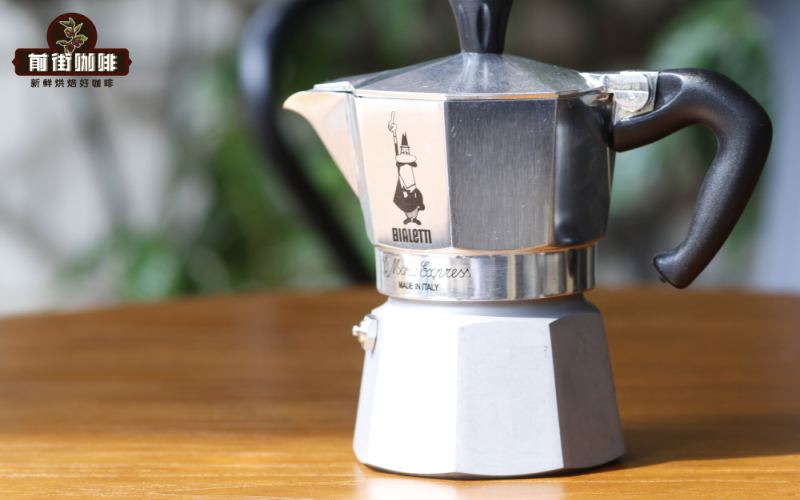
Complete Guide to Choosing and Using a Moka Pot: Differences Between Single and Double Valves, Coffee Grounds Adjustment, and Brewing Techniques
As a classic stovetop pressure coffee maker, the moka pot is beloved by coffee enthusiasts worldwide for its simple operation and rich flavor. However, many people still feel confused when choosing between single-valve and double-valve models. This article delves into the structural principles, extraction characteristics, and suitable scenarios of both valve designs, and provides detailed guidance on how to fill the coffee chamber, adjust the amount of coffee grounds, and avoid common issues such as over-extraction or under-extraction. It will help you master the key techniques of using a moka pot and brew coffee with your desired flavor profile. [more…]

A Comprehensive Guide to Arabica Coffee Bean Varieties: An Introductory Guide to Pour Over Single-Origin Selections and Flavor Profiles
Delve into the world’s most popular family of Arabica coffee beans—from the classic Typica to the high-yield, disease-resistant Catuai—exploring each variety’s origins, physical characteristics, growing environments, and unique flavor expressions. This guide helps pour over coffee enthusiasts choose single-origin beans that suit their taste preferences based on bean variety traits, and understand the positioning of Robusta and Liberica in the coffee market. [more…]

Does Americano mostly use Arabica? Analysis of 6 major representative varieties and global regional flavors
The coffee beans commonly used for American black coffee actually mostly come from the Arabica species. These beans not only have delicate flavors but also richer aromas, making them the mainstream choice for specialty coffee. What kind of environment is suitable for growing Arabica? How does it differ from Robusta? This article will delve into the main producing regions and variety characteristics of Arabica, including Typica, Geisha, Bourbon, Caturra, and Kenya SL28 and SL34, helping you understand the key factors that influence coffee flavor. [more…]
How to Choose Bolivian Washed Coffee? Exploring the Caturra Variety and High-Altitude Processing Characteristics
Bolivian coffee has recently gained attention for its delicate acidity and unique floral notes, thanks largely to washed processing methods and high-altitude growing environments. This article delves into the rise of specialty coffee in the country, analyzes the characteristics of the Caturra and Catuai varieties, shows you how altitudes of around 1800 meters create a balanced flavor profile of acidity and sweetness, and unveils the different profiles of cocoa sun-dried processing — providing practical guidance for selecting beans from Central and South America. [more…]

Can you make Americano with a moka pot? Full guide to timing and ratios for weight-loss drinking
Americano is actually made by diluting espresso with water, offering a flexible taste profile that suits various palates. This article dives deep into how to make your own Americano using tools like a moka pot, introduces the flavor characteristics of common espresso blends, and details the ideal ratios of espresso to water. Additionally, it explores how drinking before or after exercise or meals can aid in weight loss, helping you enjoy your coffee both wisely and healthily. [more…]
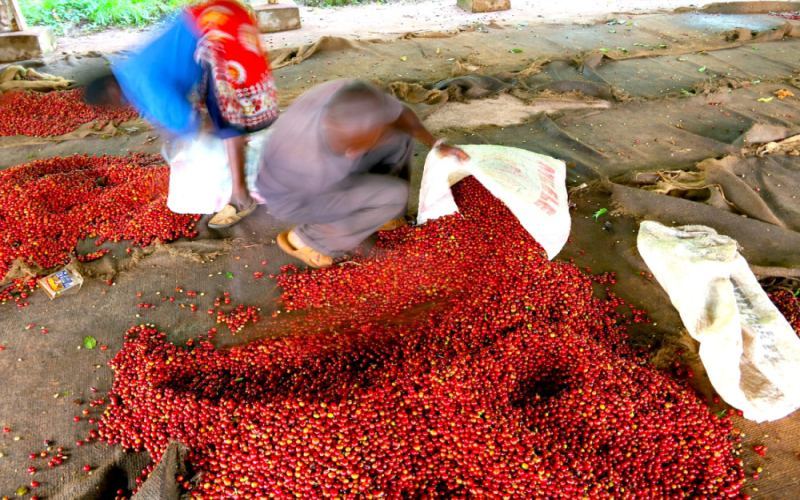
Analysis of Kenyan Coffee Bean Grading: AA Standard, Bean Size Explanation, and Pour Over Recommendations
Kenyan coffee is renowned for its bright acidity and rich layered flavors, and its rigorous grading system is a testament to quality. This article delves into the eight grades of Kenyan coffee beans, including the highly esteemed AA grade. It explains the 17/18 mesh size specifications and the flavor-based classifications such as TOP and PLUS defined by exporters, while also exploring the processing methods and regional characteristics that are ideal for pour over brewing. This helps readers select high-quality Kenyan beans. [more…]

Are Kenyan coffee beans Arabica? Unveiling the secrets of the SL varieties and berry acidity
Kenyan coffee is renowned for its bright acidity and rich mouthfeel—so what variety does it actually belong to? This article takes an in-depth look at Kenya’s two major cultivated varieties, SL-28 and SL-34, exploring their genetic origins, breeding history, and how they create that unique tomato-berry flavor profile. It also guides you through Kenya’s coffee-growing regions, cultivation environment, and production structure, making it a comprehensive flavor guide to Kenyan beans. [more…]

How to Choose Kenyan AA Coffee Beans? Exploring Its Acidic Aroma, Washed Processing, and Pour Over SOE Brewing Guide
Kenyan coffee is renowned for its intense berry-like acidity and is highly favored by coffee enthusiasts. But do you know where this unique flavor comes from? This article delves into the variety characteristics of Kenyan coffee, the AA grade standard, the K72 washed processing method, and provides practical pour over parameters and SOE brewing tips to help you fully appreciate the charm of this African star bean. [more…]
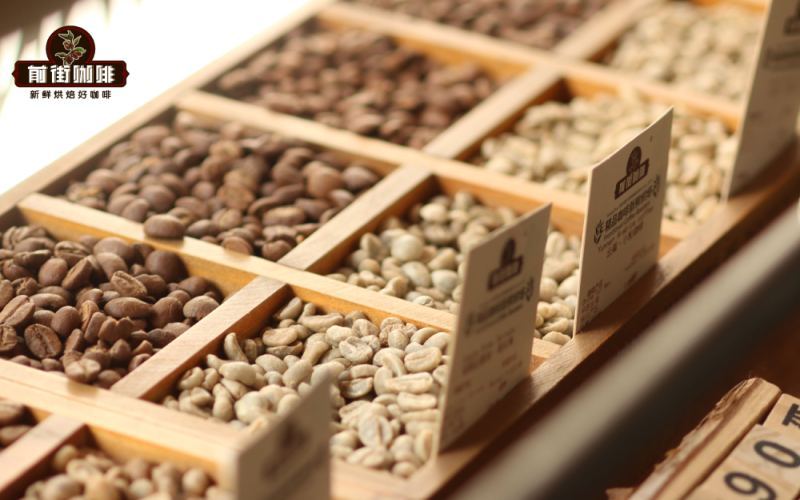
Is Yunnan Catimor Arabica? Variety Origins, Flavor Analysis & Pour Over Recommendations
Catimor coffee has been widely cultivated in Yunnan in recent years, but due to its Robusta lineage, it is often questioned whether it truly belongs to the Arabica species. This article delves into the breeding background and genetic makeup of Catimor, explores its performance differences at high and low altitudes, and analyzes how Yunnan enhances its flavor potential through cultivation and post-harvest processing techniques. It also provides practical pour over parameters and flavor characteristics to help you gain a more comprehensive understanding of this unique variety. [more…]

Complete Guide to Brewing with a Moka Pot Using Medium-Dark Roast: A Detailed Breakdown of Heating Techniques and Extraction Parameters
Want to brew a rich, full-bodied cup of coffee with an inviting crema using your moka pot? This article takes an in-depth look at how medium-dark roasted beans pair perfectly with the moka pot. We break down key steps—from the device’s structure, heating methods, to grind size and water temperature control. Not only will you master the essential techniques, but we’ll also share practical details to help you brew moka pot coffee at home that rivals that of a professional Italian café. [more…]

What's the difference between Yirgacheffe and Arabica? A complete guide to Ethiopian heirloom beans + pour over parameters
Yirgacheffe is often mistaken for a single coffee variety, but in fact it represents high-quality washed beans from a specific region in Ethiopia. This article delves into the fundamental differences between Yirgacheffe and Arabica, explores how the environment at altitudes of 1700–2100 meters shapes its unique flavors, and includes key pour over extraction parameters along with flavor profiles of two classic bean varieties—helping coffee enthusiasts precisely capture the essence of this renowned citrusy, floral bean. [more…]
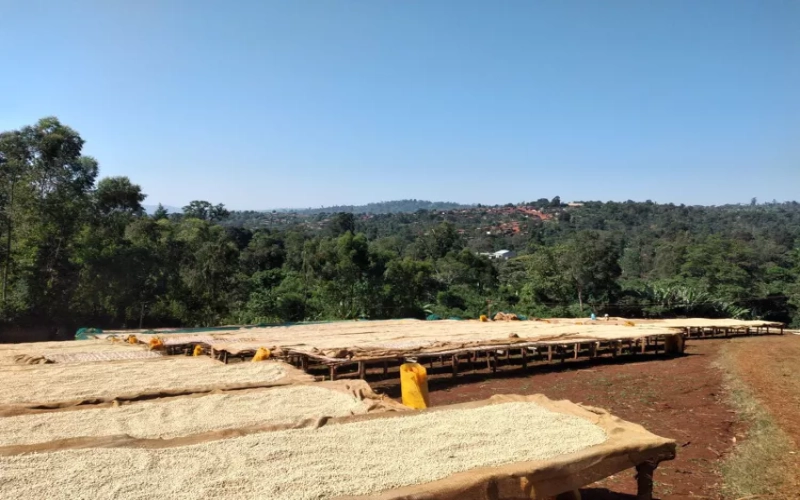
Yirgacheffe Coffee Flavor Analysis: A Complete Guide to Origin, Processing Methods, and Pour Over Brewing
As one of Ethiopia’s most renowned specialty coffee regions, Yirgacheffe is celebrated for its bright acidity and refreshing floral and fruity notes. This article delves into the region’s geographical conditions, cooperative system, and the differences between washed and natural processing methods, while also exploring the characteristics of its native coffee varieties. Practical recommendations for grind size and brewing parameters for pour over are provided to help you better understand Yirgacheffe’s unique flavor profile. Additionally, we compare it with Sidamo’s Huakui, offering useful references for both pour over and espresso brewing. [more…]
Analysis of Indonesian Sumatra Typica Beans: Flavor Characteristics and Regional Differences Guide
Typica is a classic variety of Arabica coffee. Although it has low yields and is susceptible to diseases, it possesses exceptional flavor potential. This article will take you on an in-depth exploration of the origins and characteristics of Typica, focusing on the Sumatra region to deconstruct the diverse distribution and unique flavors of Mandheling coffee—from growing environments to varietal details—offering a comprehensive and practical coffee tasting guide. [more…]
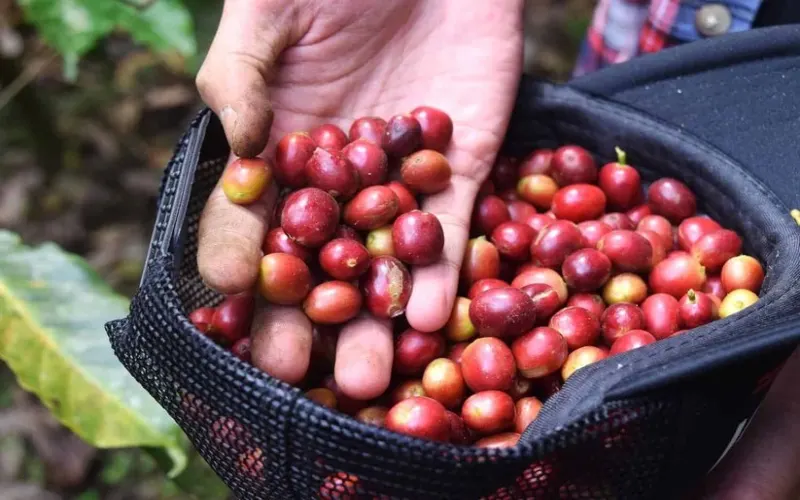
In-depth Analysis of Indonesian Mandheling Coffee: Flavor, Processing Methods, and Regions
Indonesian Sumatran Mandheling coffee is beloved by coffee enthusiasts worldwide for its rich, full-bodied taste and unique herbal and spicy notes. This article will delve into the origins of the Mandheling variety, regional characteristics, the secrets of the wet-hulled processing method, and provide a detailed explanation of the quality certification and selection tips for Golden Mandheling. It also offers practical pour over parameters and flavor profiles to help you fully appreciate the charm of this classic Asian coffee. [more…]

Pour Over Coffee Beans Buying Guide | Complete Overview of 7 Major Regions’ Flavor Profiles & Pouring Techniques
Faced with so many pour over coffee bean options, how do you pick the ones that suit your taste? This guide explores three major coffee-growing regions in depth, analyzing classic bean varieties and their flavor characteristics from seven key regions—Ethiopia, Brazil, Indonesia, Colombia, Costa Rica, Yunnan, and Panama. It also details how different processing methods such as washed, natural, and honey impact flavor. Additionally, it offers practical advice on pour over pouring techniques and freshness evaluation tips to help you find your ideal beans. [more…]
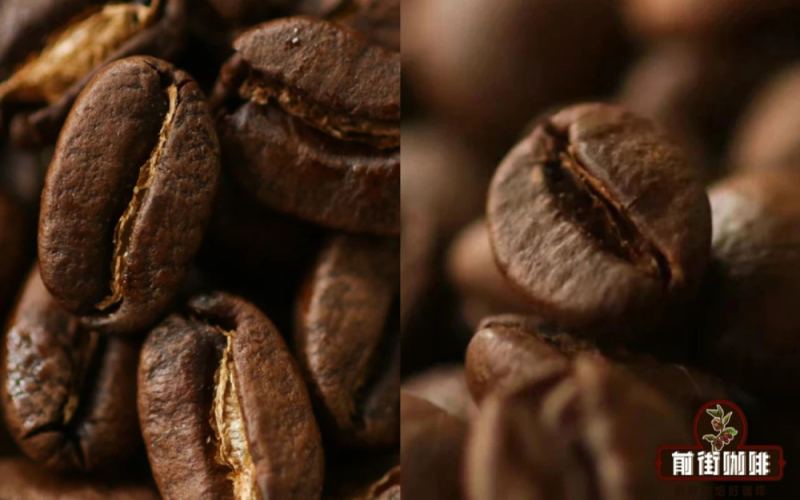
Is Yirgacheffe Arabica? Analyzing the Flavors and Origins of Ethiopian Beans
Many coffee beginners often ask: Is Yirgacheffe Arabica? And why does it deliver such captivating citrus and floral notes? This article explores the genetic roots of Ethiopian landrace varieties, the geographical conditions of the growing regions, and the washed processing methods to uncover the flavor origins of Yirgacheffe. Paired with tested pour over parameters and flavor notes, it helps you fully understand this classic specialty coffee—from variety and origin to brewing. [more…]