







Introduction:As one of Ethiopia’s most renowned specialty coffee regions, Yirgacheffe is celebrated for its bright acidity and vibrant floral and fruity flavor profiles. This article delves into the region’s geographical conditions, cooperative systems, and the differences between washed and natural processing methods, while also analyzing the characteristics of its native coffee varieties. Practical pour over grind size and brewing parameter recommendations are provided to help you better understand Yirgacheffe’s unique flavors and compare it with Sidama’s Guji Hambella (also known as Sidamo Huakui). Whether you prefer pour over or espresso brewing, you’ll find useful insights here.
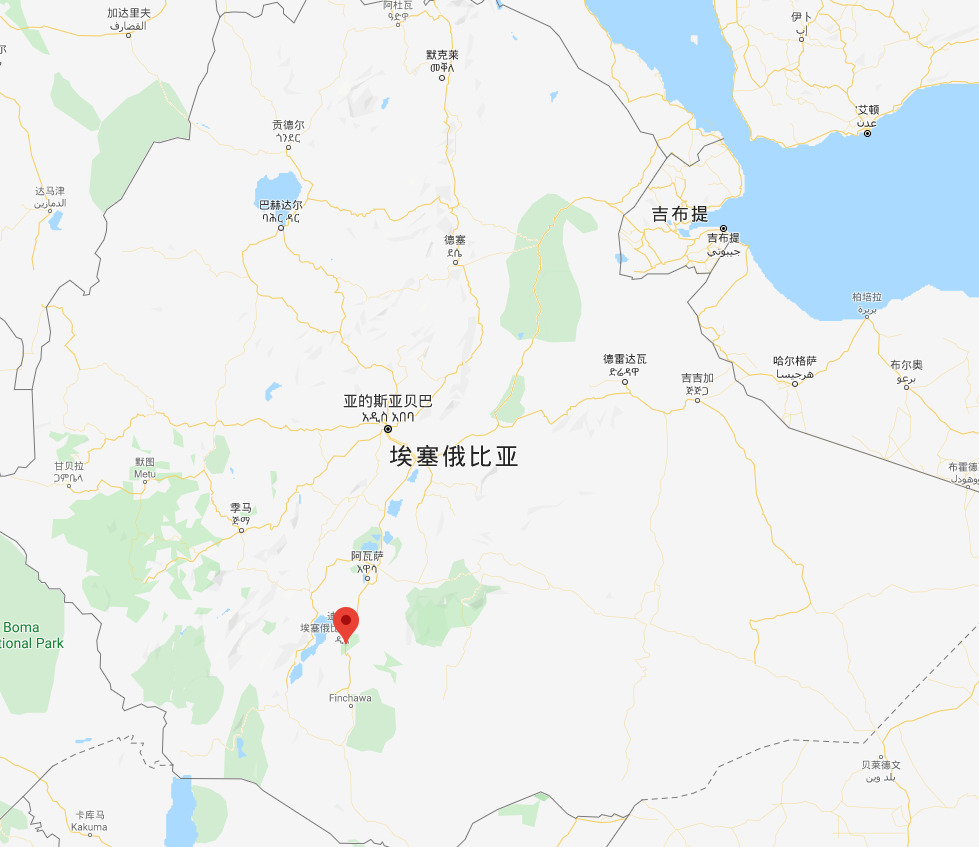
Yirgacheffe, this charming little town rich in flavor, is part of Ethiopia’s Sidama administrative region, with an overall elevation ranging from 1,700 to 2,200 meters. It is not only an important administrative hub for Ethiopia’s coffee industry but also globally recognized as one of the premier regions for specialty coffee. Most local families have been growing coffee for generations, though yields per household are typically modest. After harvest, the coffee cherries are usually sent to the town’s cooperative processing facilities, where professional teams handle subsequent processing and export under the cooperative’s name.
Most coffee farmers in the Yirgacheffe area are members of the Yirgacheffe Coffee Farmers Cooperative Union (YCFCU), which comprises 23 member cooperatives encompassing over 40,000 coffee growers, including well-known ones such as Konga, Wolkite, and Gedeb. Unlike the regulations of Ethiopia’s central coffee exchange (ECX), the YCFCU retains greater bargaining power and has obtained Fair Trade and Organic certifications, helping to maintain coffee quality and improve farmer incomes.
In addition to the YCFCU, some growers participate in the Oromia Coffee Farmers Cooperative Union (OCFCU), which serves numerous smallholders in Ethiopia’s Oromia region. By integrating processing, grading, and sales procedures, the OCFCU not only enhances market efficiency but also helps solidify Ethiopia’s international coffee reputation. The union offers an annual installment payment system, providing farmers with more stable income beyond the regular harvest season.
Why has Yirgacheffe coffee captivated the world? The foremost reason lies in its exceptional geographical environment. High altitude and significant day-night temperature variations slow down the ripening process of coffee cherries, allowing them to accumulate more complex and rich flavor compounds. The classic flavor profile of Yirgacheffe includes bright citrus acidity, delicate white floral notes, and a honey-like sweetness in the aftertaste, all contributing to a highly distinctive and refreshing character that has changed many people’s perception of coffee as merely bitter.
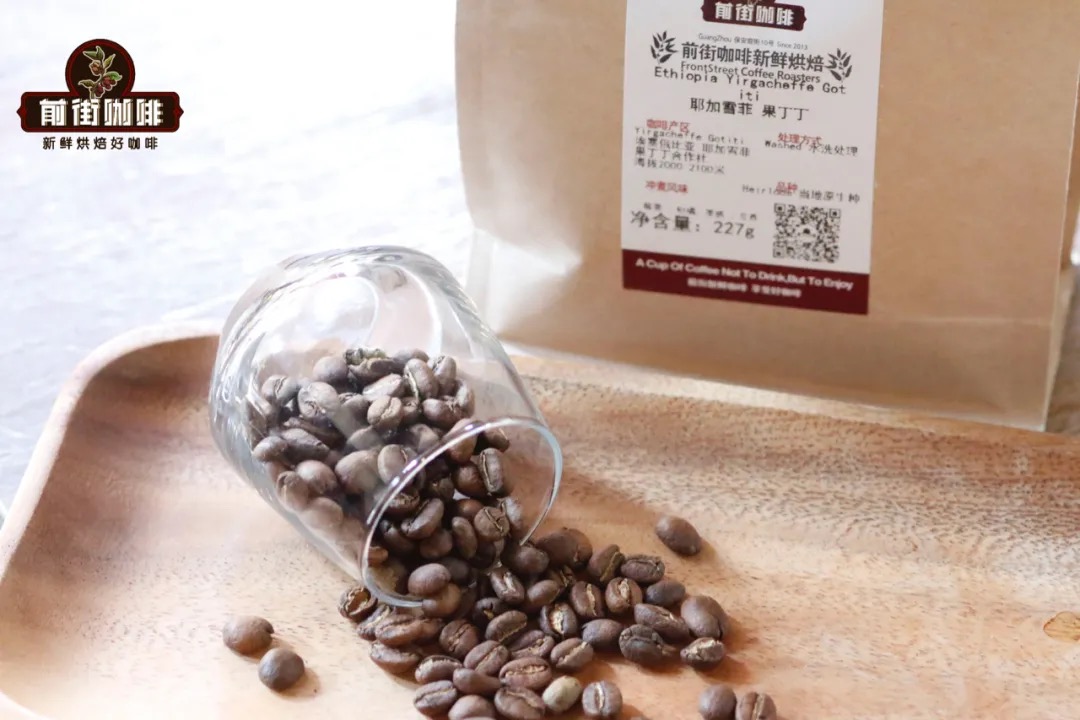
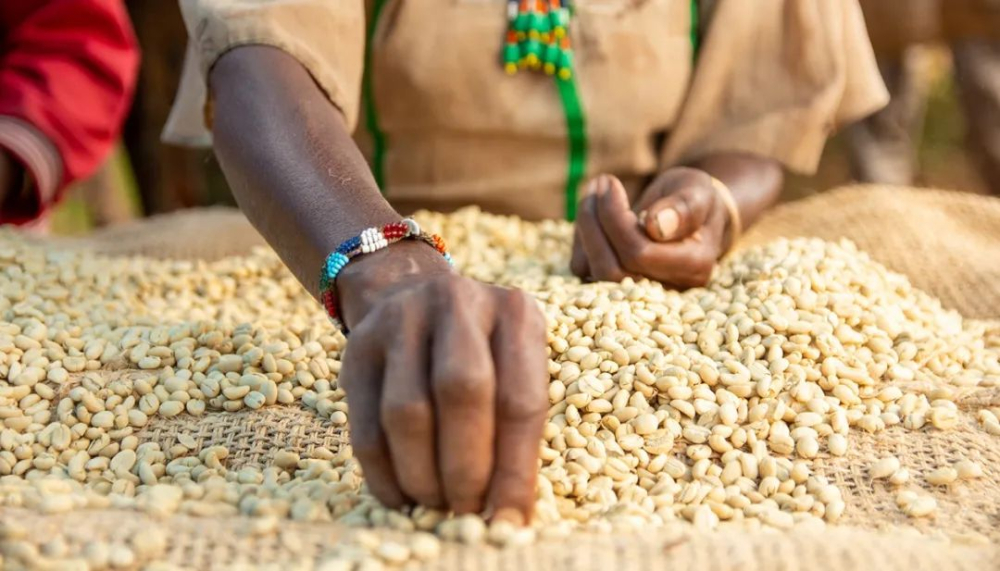
When discussing Yirgacheffe, one cannot overlook its two primary processing methods: washed and natural. The washed process involves mechanically removing the outer skin and pulp of harvested coffee cherries, then fermenting the mucilage-covered seeds in clean water tanks for 12 to 36 hours. During fermentation, natural acids break down the fruit’s pectin layer, after which the beans are repeatedly rinsed with clean water and finally sun-dried. This method effectively removes impurities and defective beans, resulting in more uniform green bean appearance, often seen as a symbol of high quality and premium pricing. However, the overall process is relatively complex, requiring stricter hygiene and management. Washed Yirgacheffe typically exhibits clear fruit acidity and a clean cup profile, making it ideal for those who prefer bright acidity and layered flavors—examples include washed Yirgacheffe and washed Konga Cooperative coffees.
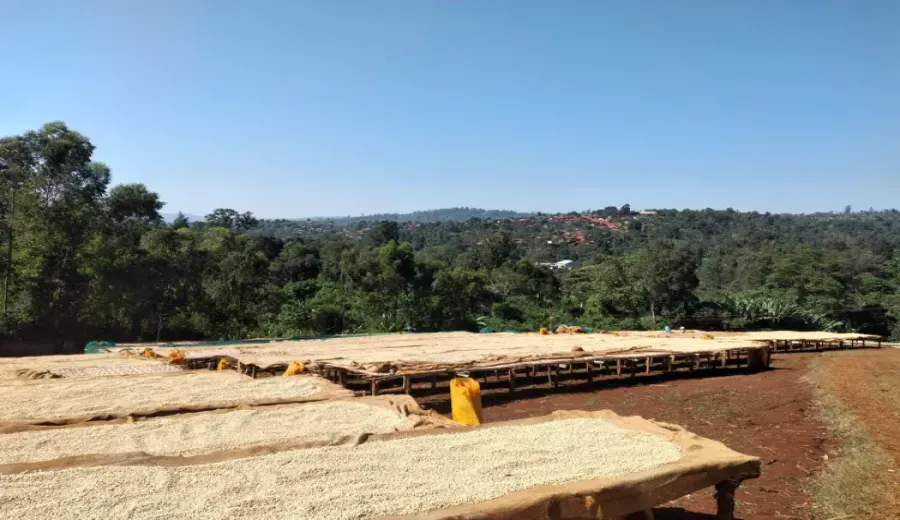
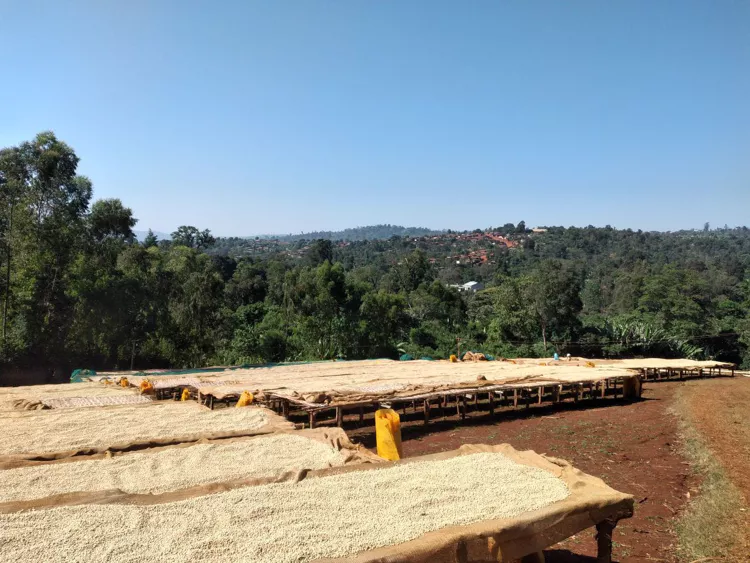
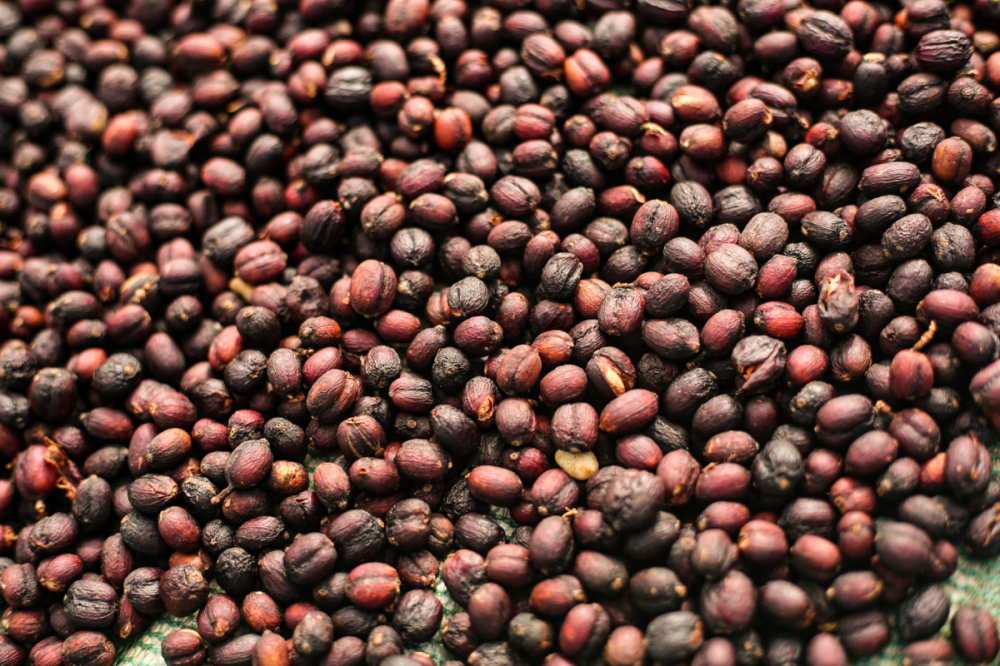
In contrast, the natural process is relatively simpler, involving spreading harvested coffee cherries directly on drying beds to dry naturally in the sun, a traditional method in water-scarce regions. In Ethiopia, up to 70% of coffee cherries are processed using the natural method. Compared to washed coffee, natural Yirgacheffe generally has lower acidity but more pronounced sweetness, with a richer, more complex cup featuring berry and sweet flavor notes. While slightly less clean than washed, it offers greater complexity and a rounder mouthfeel, with natural red cherry being a typical representative.
The coffee varieties used in Yirgacheffe mostly belong to Ethiopia’s native heirloom types. These varieties have evolved naturally over time in the region and, due to the lack of commercial naming and subdivision, are highly diverse and often interbred. As a result, they are generally categorized collectively as “Ethiopian Heirloom” during harvest. The so-called “Yirgacheffe flavor” typically refers to a flavor profile that combines bright fruit acids like citrus and lemon, along with jasmine and white floral notes, resulting in a clean, refreshing cup with distinct acidity and a clean finish. Within the ECX classification system, in addition to Yirgacheffe town itself, surrounding areas such as Wenago, Gelena Abaya, and Kochere are also considered part of the Yirgacheffe flavor profile region. Products such as “washed Konga Cooperative” and “natural red cherry Konga” are classic representatives of this flavor type.
For medium-to-light roasted Yirgacheffe coffee beans, the following pour over extraction parameters are recommended to fully highlight their floral, fruity aromas, and bright acidity:
Filter:Hario V60
Water temperature:91~93℃
Coffee dose:15 grams
Brew ratio:1:15
Grind size:Medium-fine grind (approximately 80% passing through a Chinese standard No. 20 sieve)
Brewing method:Brew in stages
1. Start with a 30-gram bloom using hot water for 30 seconds, pouring in a circular motion from the center outward;
2. Continue pouring with a slow, circular motion until reaching 120 grams, then pause and let the water level drop;
3. When the coffee bed is about to become visible, pour again until reaching 225 grams, wait for the water level to drop once more, then remove the filter.
(Total brew time is approximately 2 minutes)
With these parameters, the coffee will present a full body, with pronounced tropical fruit and fermentation aromas. As the temperature drops, berry and creamy notes gradually emerge, and the aftertaste leaves a lasting citrusy sweetness.
Many people ask: What’s the difference between Yirgacheffe and Sidamo Huakui? The Huakui coffee originates from the broader Sidamo region and gained fame in 2017 when it was submitted by DW Company to the TOH (Taste of Harvest) competition in Ethiopia and won the championship. This traditional natural G1 coffee bean from the Hambella region has a precise origin at the Buku Abel processing station in Dimtu town. Later, DW established several exclusive processing stations in the area to meet market demand. Initially, Huakui was known for its intense natural aroma, but from 2018 onward, due to factors such as climate, processing variations, or slight changes in tree variety, subsequent vintages (such as 2018’s “Huakui 2.0”, 2019’s “Huakui 3.0/3.1”, etc.) showed slight differences in body and aftertaste. Consumers can easily identify batches by their numbering.
The latest Huakui batch available does not use numerical suffixes, but it still delivers outstanding dry fragrance, with complex aromas of guava, jackfruit, apricot, citrus, and flowers. After brewing, it reveals layers of honey, berry, and chocolate sweetness. If Huakui SOE is used to make espresso, a medium roast highlights a balanced flavor of dark berries, dried apricots, caramel, and cream. For Americano preparation, it offers a refreshing citrus acidity, which transforms into a sweet combination of buttery cookies, plums, and almonds when milk is added.
In summary, both Yirgacheffe and Huakui are premium coffee regions in Ethiopia, each with its own unique flavor charm. Understanding their regional backgrounds, processing techniques, and roast levels—and pairing them with appropriate brewing parameters—will allow you to more precisely appreciate the essence of these world-class specialty coffees, whether you prefer the nuanced layers of pour over or the bold intensity of espresso.
The above content is compiled by CoffeeHunters, a coffee news website.


