







Introduction:Indonesian Mandheling coffee is favored by many coffee enthusiasts for its rich, full-bodied flavor and distinctive regional characteristics. This article delves into the grading system of Mandheling, including the specific criteria and screening process for Grade 1 beans, and provides an in-depth analysis of how the wet-hulling process impacts its flavor profile. It also explores the unique regional flavors of Mandheling and how proper roasting and pour over parameters can bring out its best cup performance.
The widespread popularity of Indonesian Mandheling coffee stems not only from its bold, hearty taste but also from its unique regional flavors. To truly understand this classic coffee, we must first explore Indonesia’s coffee bean grading system. The grading of green beans in Indonesia is primarily based on defect rates and bean size, supplemented by factors such as altitude, density, and processing methods.
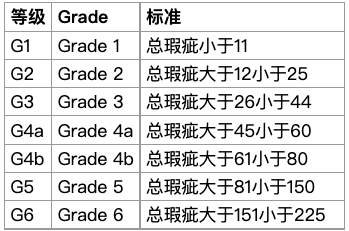
In Indonesia, the most common grading method is based on the number of defective beans in a 300-gram sample of green beans, ranging from Grade 1 to Grade 6, with Grade 1 being the highest. In addition, bean size is also referenced by screen size (e.g., 17/18 mesh). It’s important to note that many coffee varieties in Indonesia are hybrids, and although their genetics are complex, they are still classified as Arabica.
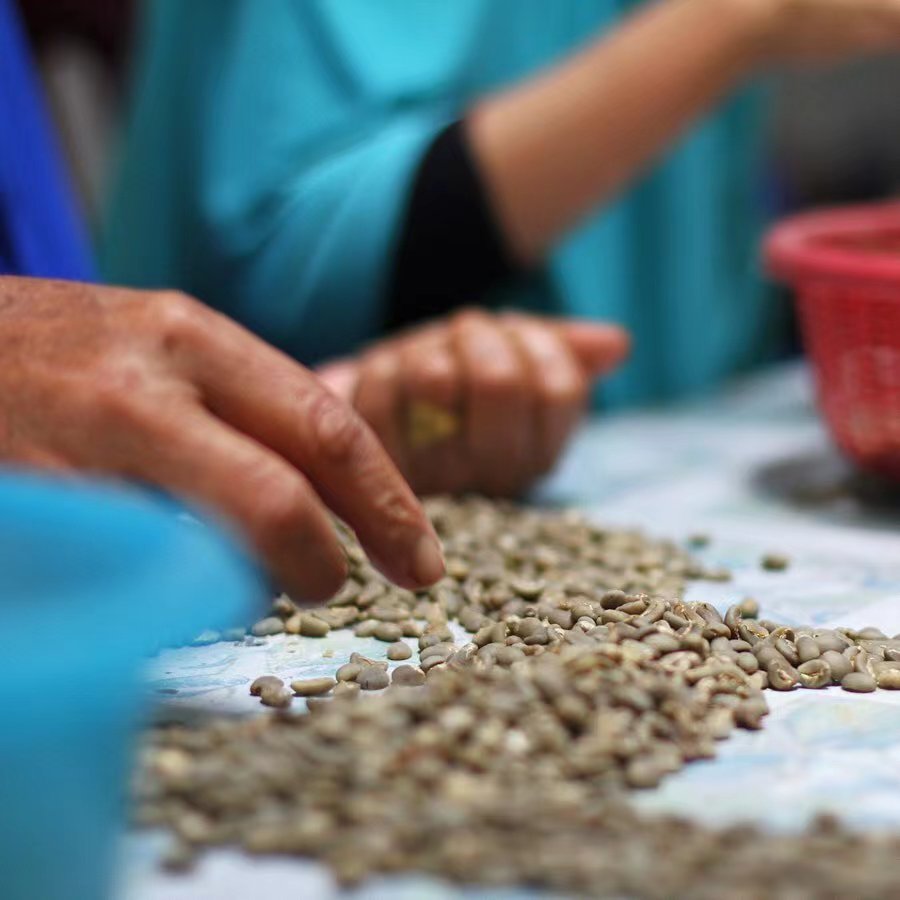
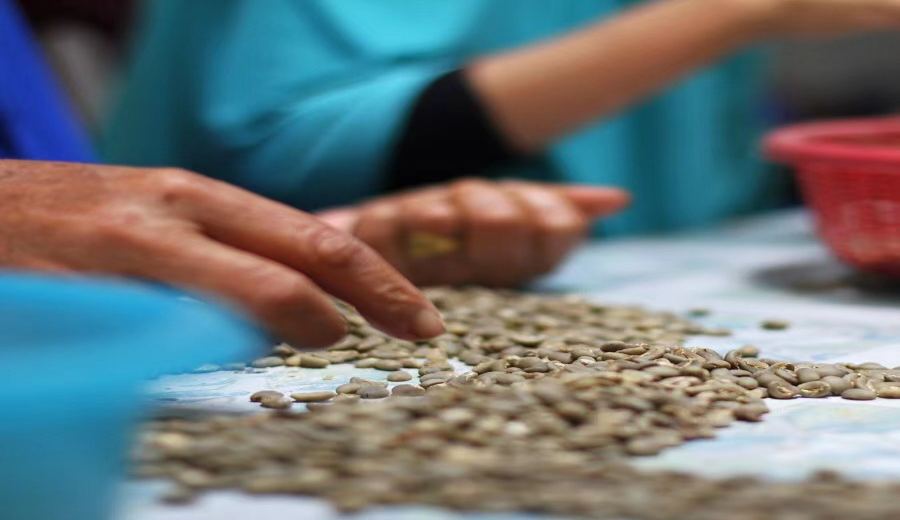
Located on the equator, Indonesia has a typical tropical rainforest climate, and most coffee is processed using the wet-hulling method. The hallmark of this method is the removal of the outer parchment layer before the beans are fully dried, which significantly shortens the processing time. However, this practice can easily damage the surface of the green beans, especially causing cracks or breaks at the ends, leading to a relatively higher defect rate. To ensure quality, green beans are usually subjected to multiple rounds of manual sorting before export.
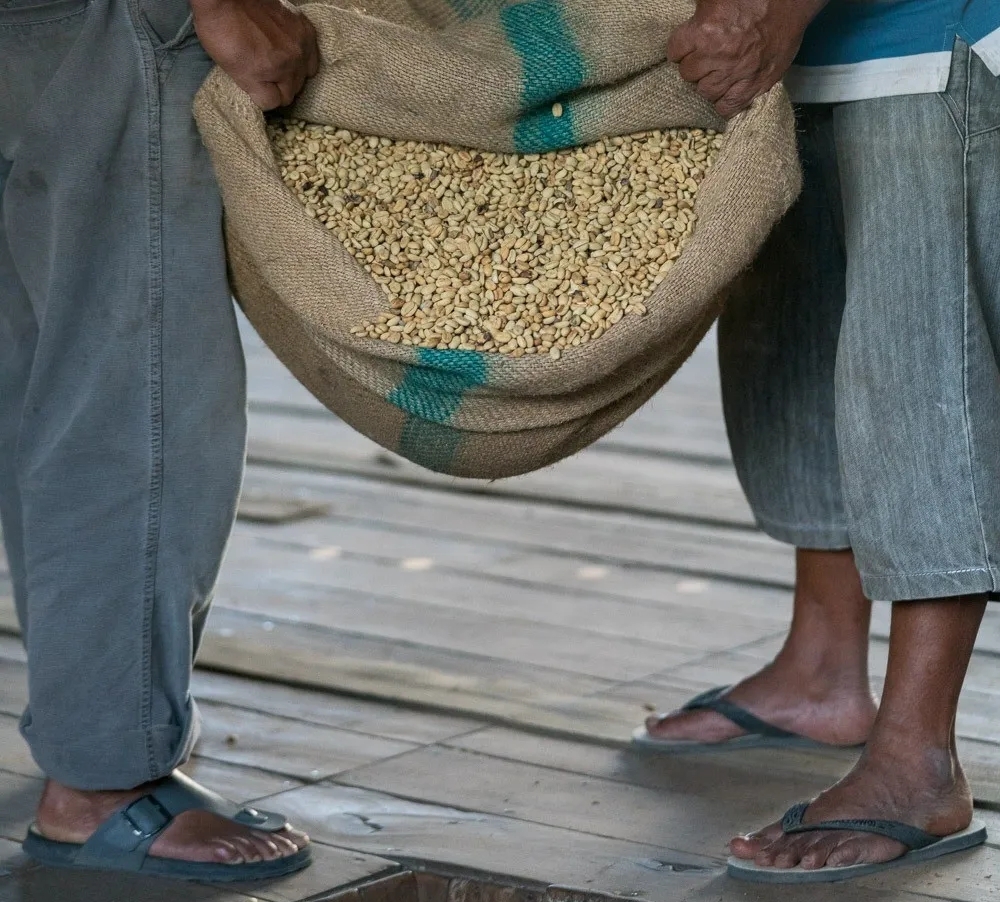
The Indonesian government’s basic requirements for green beans include being free of live insects, mold, with a moisture content not exceeding 12.5%, and an impurity rate below 0.5%. Green bean sacks typically clearly indicate origin, grade, and exporter information. For example, a common label like “PWN GOLDEN MANDHELING TRIPLE PICKED Grade 1 PROD OF INDONESIA 30KGS NET” signifies that the batch is Grade 1 Golden Mandheling produced by PWN, having undergone three rounds of hand-picking and one round of machine sorting—indicating a very high quality.
Impact of the Wet-Hulling ProcessAlthough it increases the risk of defects, the wet-hulling process also shapes the unique aromatic profile of Mandheling. Since the final drying stage lacks the protection of parchment, the beans are directly exposed to air, making microbial activity more active and bringing out complex regional flavors such as woody notes, herbs, and spices. This is one of the reasons why many coffee enthusiasts are drawn to Mandheling.
To showcase the rich and bold flavor characteristics of Mandheling, many roasters opt for medium to dark roasts or even dark roasts to highlight aromas of dark chocolate, caramel, and nuts. However, regardless of roast level,freshness is always key. The aromatic compounds in coffee beans diminish over time, so it is recommended to choose roasted beans within five days of roasting for the best flavor experience.
In terms of extraction, for a coffee with a bold flavor profile like Mandheling, it is recommended to use a medium-coarse grind (approximately 70% passing through a Chinese standard No. 20 sieve), and to brew with a slightly lower water temperature (around 87–88°C) using the pour over method, which helps balance bitterness and bring out sweetness. A recommended powder-to-water ratio is 1:15, though it can be adjusted to 1:13 if a stronger flavor is preferred.
Specific brewing recommendations are as follows: the first pour involves adding 30ml of hot water for blooming to help release gases and initiate extraction; the second pour adds 100ml to bring out the golden crema on the coffee’s surface and expand the contact area of the coffee bed; the final pour uses 95ml poured centrally to refine the flavors and enhance sweetness and body. This three-stage pouring method effectively enhances the layered profile of Mandheling, particularly showcasing its caramel sweetness and nutty flavors.
Additionally, when choosing a filter cone,the KONO filter conewith its smooth inner wall and minimal venting design extends the contact time between coffee grounds and water, resulting in a smoother, fuller extraction. It is also suitable for other similarly flavored coffees such as Brazilian Queen Estate or Jamaican Blue Mountain No. 1.
The above content is compiled by CoffeeHunters, a coffee news website.


