







Introduction:Yirgacheffe is often mistakenly thought to be a single coffee variety, but in fact it represents high-quality washed beans from a specific producing region in Ethiopia. This article delves into the essential differences between Yirgacheffe and Arabica, explores how the environment at altitudes of 1700–2100 meters shapes its unique flavor profile, and includes key pour over extraction parameters along with the flavor characteristics of two classic beans to help coffee enthusiasts truly grasp the essence of this renowned citrusy, floral bean.
When Yirgacheffe is mentioned, many people immediately think of the epitome of specialty coffee, but what exactly is the difference between it and Arabica coffee in the broader sense? In reality, Arabica is a large family within the genus Coffea of the Rubiaceae family, encompassing hundreds of varieties, whereas Yirgacheffe refers to high-altitude washed coffee beans produced in the Gedeb region of southern Ethiopia (formerly part of the Sidamo region). Thanks to its unique terroir and refined processing methods, it has become a star-producing region sought after by coffee aficionados worldwide.
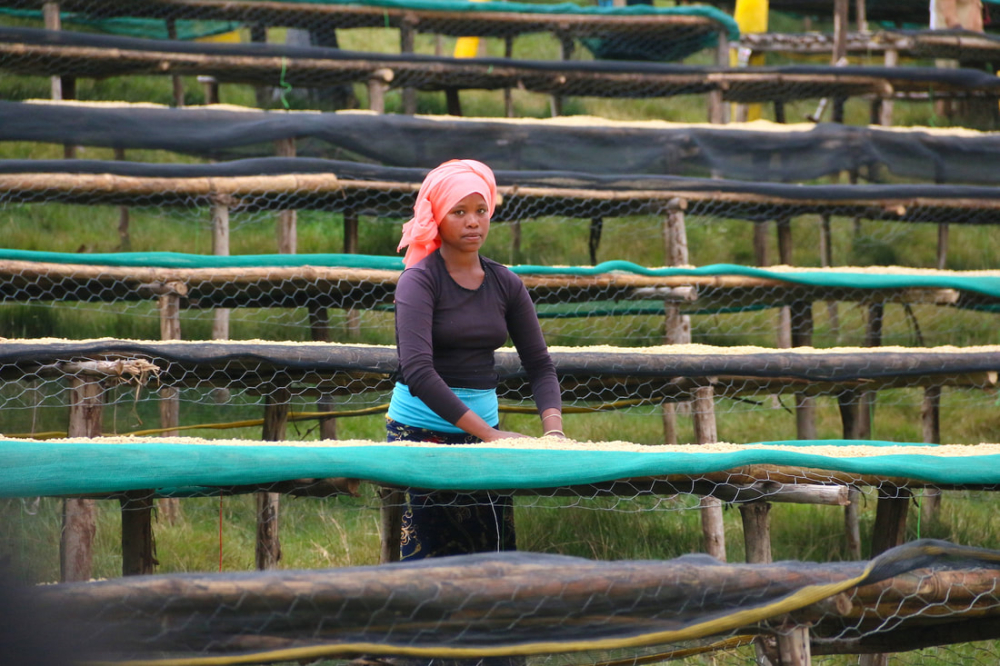
Ethiopia is recognized as the genetic birthplace of coffee, with the ancestors of all existing Arabica varieties traceable back to this region. What sets Yirgacheffe apart from typical Arabica beans is not the variety itself, but rather itsmicroclimate of the growing region and washed processing method, as well as the distinctive bright citrus and floral flavor notes that result. The region is located on a plateau at elevations of 1700 to 2100 meters. Originally part of the Sidamo administrative zone, it eventually stood out as an independent producing region due to its highly recognizable processing methods and flavor profile, and is even hailed as one of the highest-altitude specialty coffee origins in the world.
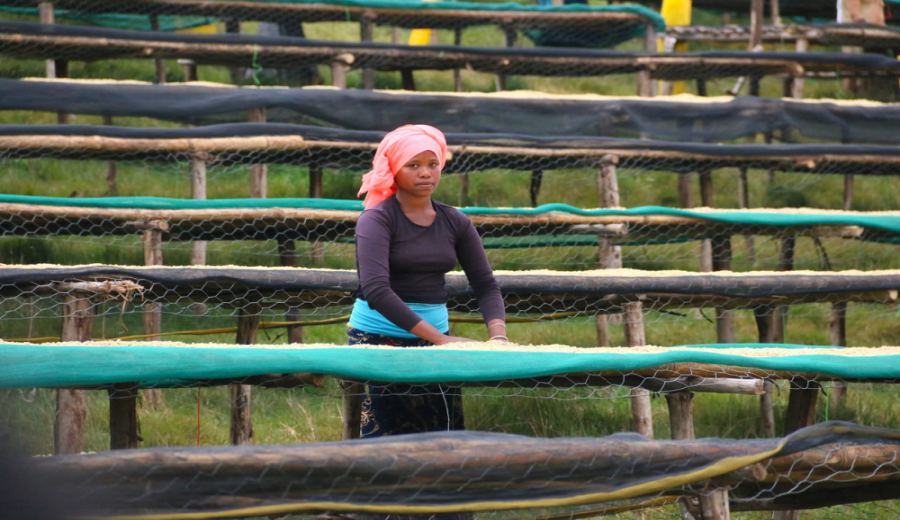
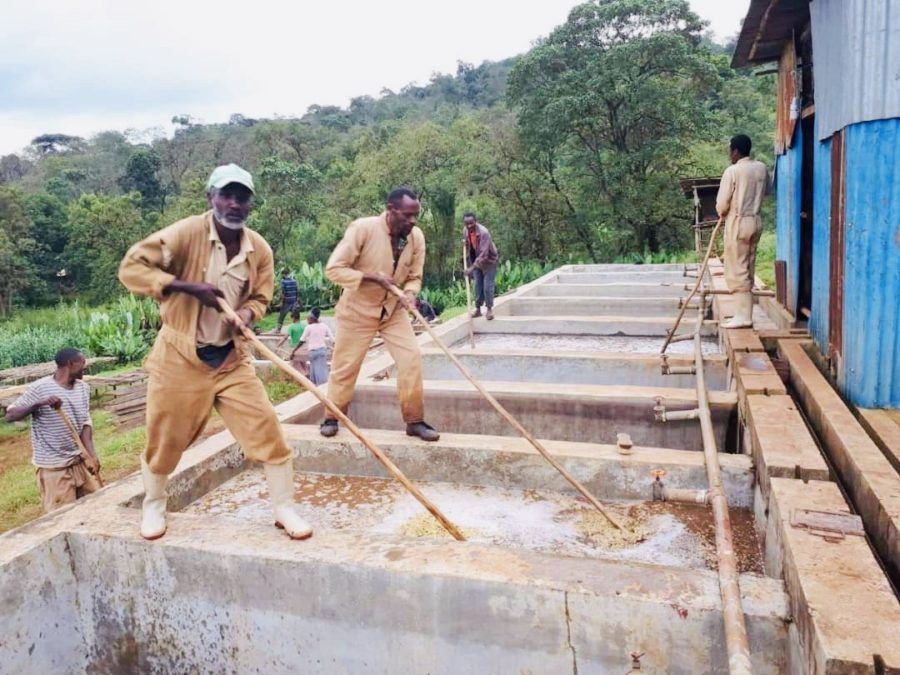
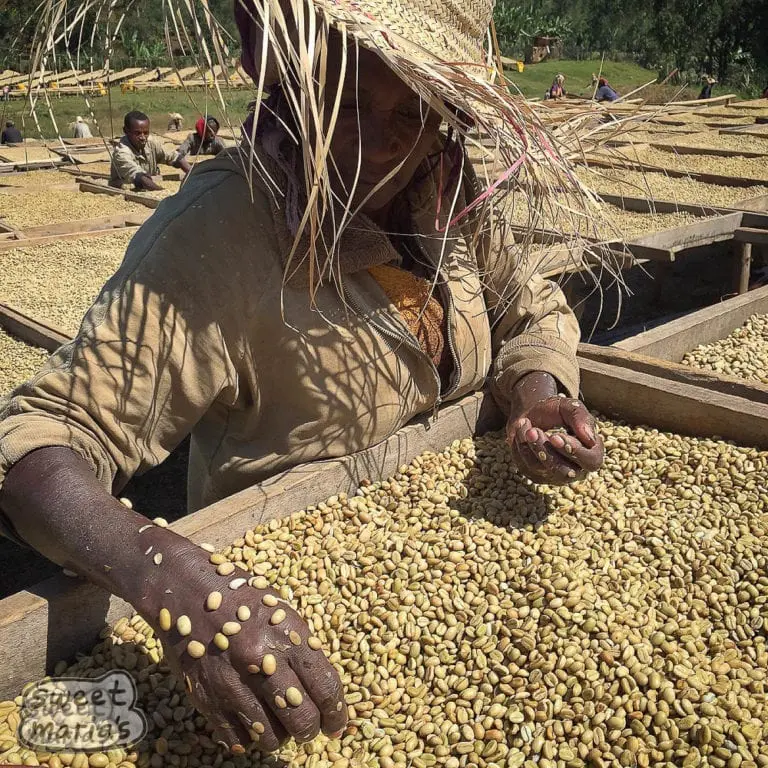
The popularization of washed coffee techniques in the Yirgacheffe area began in the 1970s with the establishment of the first washing station. In earlier years, the region mostly used the traditional natural (sun-dried) method, where whole coffee cherries were directly dried in the sun. This not only led to limited hygiene conditions but also often resulted in muddled flavors. With the rise of farmer cooperatives, aimed at improving export quality and income, local areas gradually built washing processing facilities—these required stable water sources, depulping equipment, and skilled labor. Yirgacheffe, conveniently situated downstream of a large lake with abundant spring water resources and good transportation access, became an ideal location for the development of washed processing. Interestingly, the term “Yirgacheffe” in the local ancient language means “let us settle in this wetland,” reflecting its coffee history deeply tied to water.
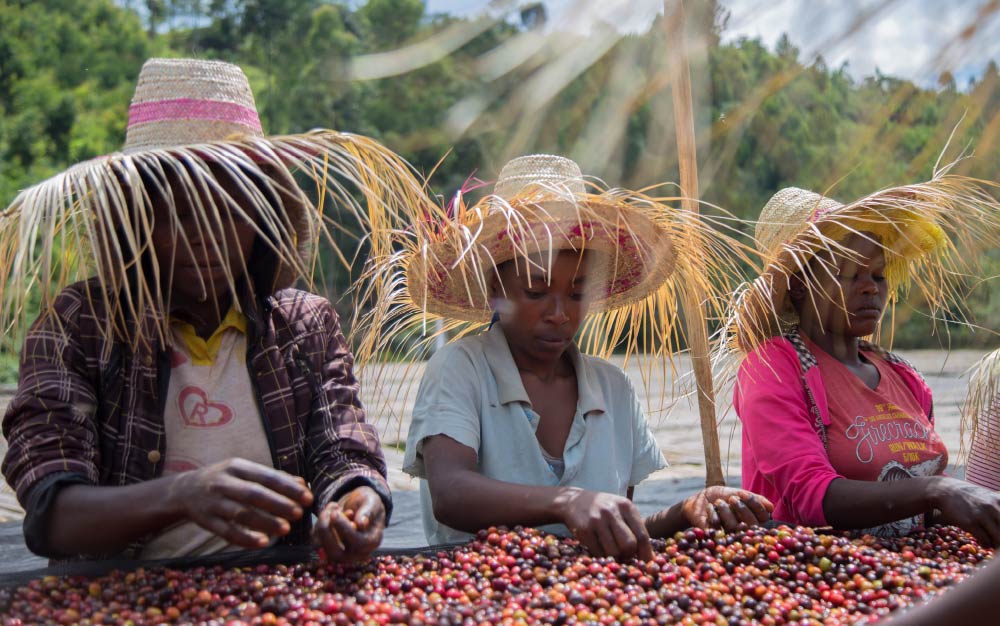
Currently, all coffee grown in the Yirgacheffe region belongs to the Arabica species, commonly known as small coffee fruit. Due to the abundance of both wild and cultivated varieties within Ethiopia, many uncategorized native varieties are still widely planted. To meet the specialty coffee market’s demand for transparent variety information, these mixed and broadly uncategorized varieties are collectively referred to as Heirloom (meaning “heirloom variety”), symbolizing their unique and irreplaceable genetic value. Though these native varieties vary in size, they generally exhibit bright acidity and a clean taste, making them highly favored in the international market.
Cupping data from a certain coffee brand shows that although Yirgacheffe coffee beans may appear small, they harbor astonishing citrus and white floral flavor notes. Unlike the intense bitterness brought by traditional dark roasts, light roasting preserves more fruity acidity and floral nuances, presenting a layered flavor profile of berries, lemon, and jasmine. This has given rise to the so-called “new era of fruity-acidic coffee.” This balance of sweet and acidic characteristics is precisely the key to Yirgacheffe’s enduring presence in the global specialty coffee market.
To experience authentic Yirgacheffe flavors, the following two classic beans are worth trying: a washed bean from a certain origin, grown at altitudes of 1900–2000 meters using the Heirloom native variety, with flavor notes of jasmine, citrus, berries, and tea-like qualities intertwined; and a natural (sun-dried) bean from a certain estate, grown at altitudes of 1700–2200 meters, also of the Heirloom variety, characterized by intense berry flavors, jasmine aroma, and a refreshing lemon note. Both beans showcase the soulful flavors of the Yirgacheffe region and are ideal for coffee lovers seeking intricate flavor details.
For medium-to-light roasted Yirgacheffe, it is recommended to use the following pour over parameters to fully bring out its floral and fruity aromas: use a V60 filter cone, with water temperature controlled at92-93°C, a coffee dosage of about15 grams, and a grind size based on a 20-mesh sieve passing rate of80%(fineness similar to fine sugar). The specific steps are as follows: the first pour is30 grams of water for a 30-second bloom, followed by pouring95 grams of water (total weight approximately 125 grams)for about 1 minute, then when the water level drops to two-thirds of the coffee bed, pour another100 grams of water (total weight approximately 225 grams), with a total extraction time of about1 minute and 35 seconds. These parameters balance acidity and aroma while avoiding over-extraction or muddiness in flavor.
The above content is compiled by CoffeeHunters, a coffee news website.


