







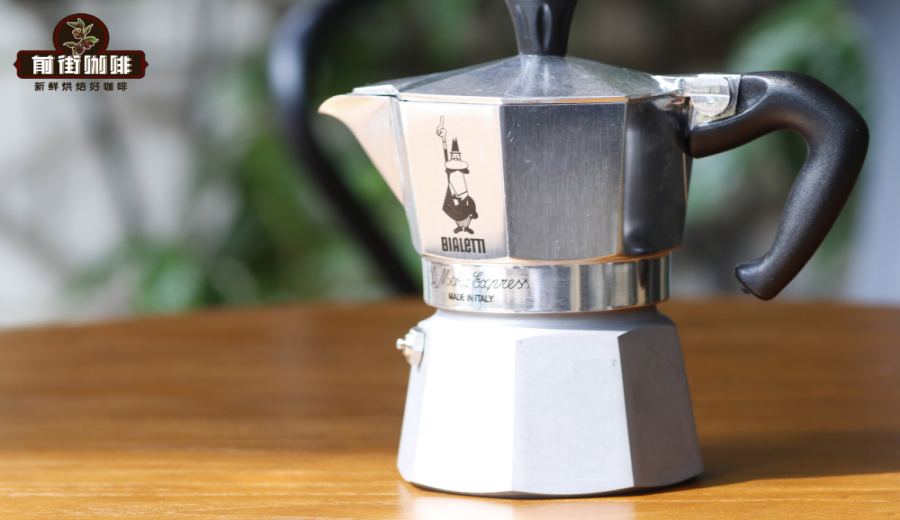
Introduction:As a classic pressurized coffee brewing device, the Moka pot is beloved by coffee enthusiasts worldwide for its simple operation and rich flavor. However, many people still feel confused when choosing between single-valve and double-valve models. This article delves into the structural principles, extraction characteristics, and suitable scenarios of both valve designs, and provides detailed guidance on how to fill the coffee chamber, adjust the coffee dosage, and avoid common issues like over-extraction or under-extraction. It will help you master the Moka pot with precision and brew coffee with your desired flavor profile.
In recent years, the pressurized Moka pot has once again surged in popularity. This coffee brewing tool, which has endured for over ninety years, continues to captivate coffee lovers with its intense extraction. Among the most frequently asked questions are: Should I choose a single-valve or double-valve Moka pot? Additionally, how should the coffee chamber be properly filled? Is it necessary to fill it to the top? And can you still brew delicious coffee using a smaller amount of coffee grounds? This article will address these concerns one by one and offer practical adjustment tips to help you find the Moka pot usage method that best suits your personal preferences and needs.
First, regarding whether the coffee chamber needs to be filled to the top, it is recommended to fill it as much as possible with coffee grounds. This ensures that the hot water encounters sufficient resistance as it passes through the coffee layer, thereby extending the extraction time and resulting in a richer and more balanced coffee flavor. If only about half the amount of coffee is used, the resistance the water faces while passing through the coffee layer is significantly reduced. This not only shortens the extraction time but also tends to bring out overly acidic notes. In more severe cases, since the water flows directly through gaps above or around the coffee layer—creating what’s known as “channeling”—some coffee grounds may be under-extracted, while the bottom part becomes overly saturated and bitter due to prolonged contact.
If you wish to experiment with using a smaller amount of coffee grounds, you can follow these steps: First, pour the coffee grounds into the chamber, then gently shake it from side to side to allow the grounds to naturally settle, making the particles more compact. Next, use the back of a small spoon to evenly press the coffee layer down to about half of its original height. To avoid over-extraction caused by the thinner coffee layer, you can pour about half the capacity of hot water into the lower chamber before adding the coffee grounds. This effectively reduces the overall heating time. When the Moka pot starts to drip, and the liquid in the lower chamber is close to full, quickly remove it from the heat source and let the residual heat finish the extraction. This approach balances concentration and flavor harmony. This adjustment method not only prevents coffee splattering but also creates a fine crema layer, enhancing the overall mouthfeel. It’s especially suitable for making iced milk coffee, bringing out the captivating aromas of cocoa and cream.
<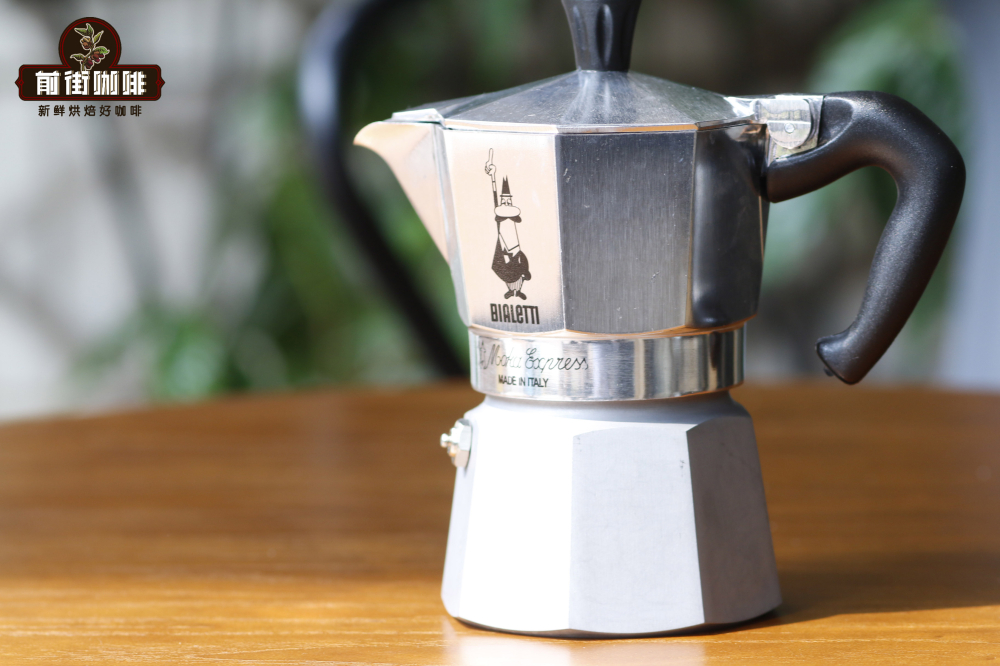 Next, let’s discuss the differences between single-valve and double-valve Moka pot designs. The single-valve Moka pot is the most common type, where the brewed coffee flows out directly through a small hole at the top. Its structure is relatively simple, offering a higher margin for error during operation, making it suitable for beginners new to Moka pots. In contrast, the double-valve Moka pot features an additional pressure valve on the hollow tube. When the internal steam pressure builds up to a certain level, it pushes the coffee upward. This design generates higher extraction pressure, helping to extract more coffee oils, thereby enhancing the richness and complexity of the flavor.
However, the high-pressure nature of the double-valve Moka pot also comes with risks. If the grind size is too fine or the coffee dosage is too high, it can easily lead to over-extraction, resulting in noticeable bitterness. Therefore, when using a double-valve Moka pot, special attention must be paid to adjusting the grind size and the amount of coffee used. It is recommended to grind slightly coarser than for the single-valve model and to control the coffee dosage appropriately to avoid excessive pressure that could throw off the flavor balance.<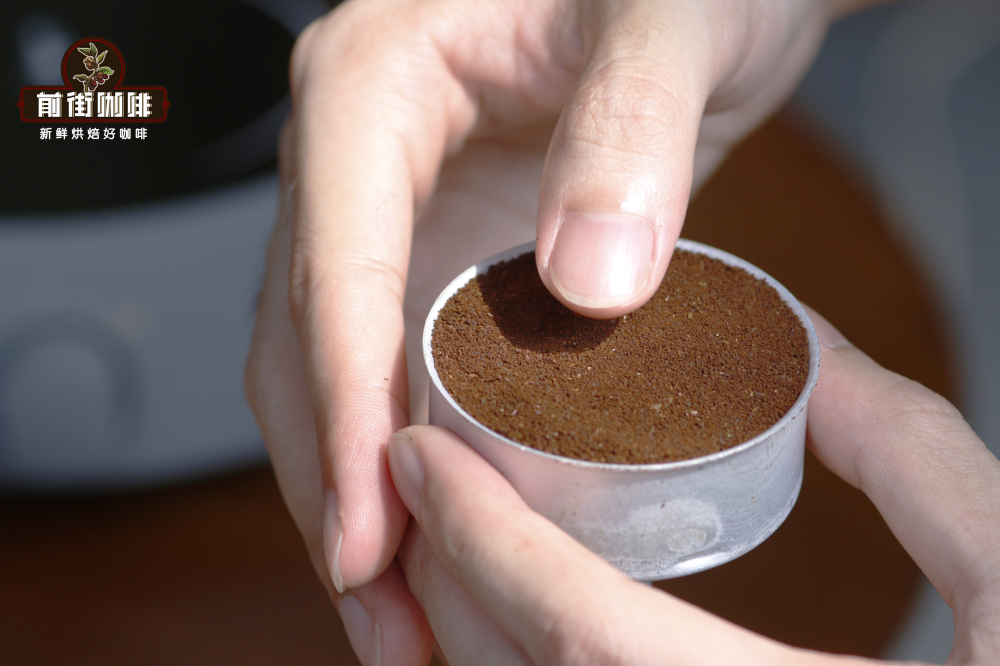 In summary, the single-valve Moka pot has a lower learning curve and is suitable for everyday use and beginners, consistently producing coffee with a well-balanced flavor. The double-valve Moka pot, on the other hand, delivers richer crema and more complex layers, but requires more precise parameter control. Regardless of which type you choose, the correct way to fill the coffee chamber, appropriate adjustment of coffee dosage, and mastery of extraction time and pressure are all key factors that influence the final flavor. Through continuous experimentation and fine-tuning, you’ll be able to fully unlock the potential of the Moka pot and brew a truly exceptional coffee experience tailored to you.
The above content is compiled by CoffeeHunters, a coffee news website.


