







Introduction:Many coffee beginners often ask: Is Yirgacheffe an Arabica? Why does it deliver such captivating citrus and floral flavors? This article explores the formation of Yirgacheffe’s flavor profile from the perspectives of Ethiopia’s native varietal genetics, regional geographical conditions, and washed processing methods. Alongside tested pour over parameters and flavor notes, it guides you to comprehensively understand this classic specialty coffee—from varietal and origin to brewing.
Many coffee enthusiasts have wondered while purchasing or tasting: Is Yirgacheffe truly an Arabica variety? How can it exhibit such refreshing citrus tones and even delicate jasmine floral notes? This article takes a washed Yirgacheffe as an example to deeply examine the fundamental differences between Arabica and Robusta, the genetic diversity of Ethiopia’s native varietals, the unique environmental conditions of the Yirgacheffe region, and how washed processing creates its clean and bright classic flavor profile. We’ve also compiled practical pour over parameter suggestions and flavor descriptions to help you fully grasp this highly praised entry-level specialty coffee—from its varietal origins and regional characteristics to brewing techniques.
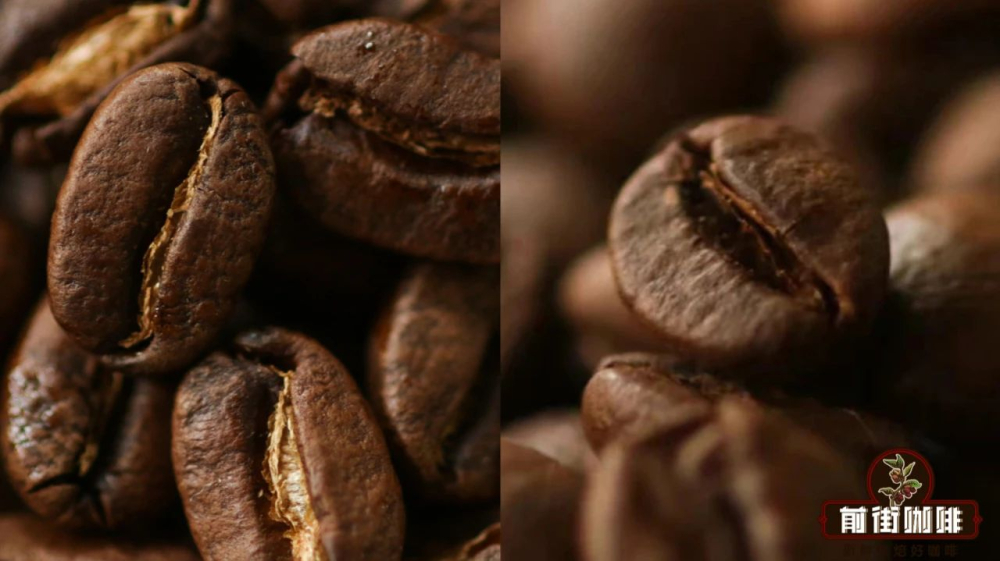 (Illustration: Left is Arabica, right is Robusta)
Many readers often inquire about the specific differences between the two major coffee categories—Arabica and Robusta. In fact, the vast majority of single-origin coffee beans on the market belong to the Arabica species, while Robusta is mostly used as a supporting role in espresso blends to enhance the body and crema of the shot. For instance, some espresso blend recipes may include about 10% washed Robusta to strengthen the crema layer. In contrast, Arabica, influenced by factors such as microclimates at origin, varietal genetics, and processing techniques, can present a much richer and more varied spectrum of flavors.
Next, let’s take a washed Yirgacheffe as an example and gradually break down how these captivating flavors are formed.
What varietal does Yirgacheffe actually belong to? In fact, “Yirgacheffe” is not the name of a coffee varietal, but rather a famous producing region in Ethiopia. The coffee produced there is renowned for its clean and transparent taste experience, and it is often the gateway choice for many coffee beginners exploring specialty coffee. However, due to its high reputation, many consumers mistakenly believe that Yirgacheffe is a specific coffee varietal, which is actually a common misconception.
Ethiopia’s coffee varietals are mostly collectively referred to as “Ethiopian Heirloom,” primarily because the region possesses an extremely large varietal gene pool, with most being wild or semi-wild, making varietal identification and classification extremely difficult. Additionally, based on biodiversity conservation policies, the local government has not fully disclosed detailed varietal information. In Ethiopia, coffee trees are commonly found in fields, courtyards, or under forest canopies, growing in natural mixed plantings. Once the fruits mature, they are harvested and processed together, forming a “mixed bag” of raw materials that are similar in flavor yet each with its own distinctive traits. It is estimated that nearly 2,000 coffee varietals have been recorded in the country, of which 1,927 are native and 128 are introduced from abroad. It is precisely because of this genetic diversity that Ethiopian coffee beans often vary in size, which is one of the sources of their rich flavors. Well-known single-origin coffees such as Guji Gedeb, Guji Hambella, Red Cherry, Kaffa Forest, and Kochere are all classic representatives of Ethiopian Heirloom.
Yirgacheffe is actually a small town located on the eastern side of the East African Rift Valley, situated at an altitude of 1,800 to 2,000 meters, with rugged and varied terrain. To its west lies Lake Abaya, a wetland area that has been water-rich since ancient times, providing ideal operating conditions for local washed processing facilities. Although Yirgacheffe was originally part of the Sidamo region, its uniquely expressive flavors led to its later designation as an independent producing region, which also includes surrounding sub-regions such as Wokka and Kochere.
The so-called “Yirgacheffe flavor” is typically described as featuring bright citrus and lemon acidity, rich jasmine floral aromas, a light body with tea-like qualities, and an overall clean and transparent profile reminiscent of a refreshing lemon tea. In the early days, coffee from this region was mostly processed using the natural (sun-dried) method, but because it was directly spread on the ground to dry, it easily absorbed off-flavors, and the sorting process was relatively rough, resulting in inconsistent quality. It wasn’t until 1972, when Ethiopia introduced washed processing technology from Central and South America, that the citrus and floral characteristics of Yirgacheffe could be more clearly highlighted, propelling it to the status of a world-renowned representative of specialty coffee.
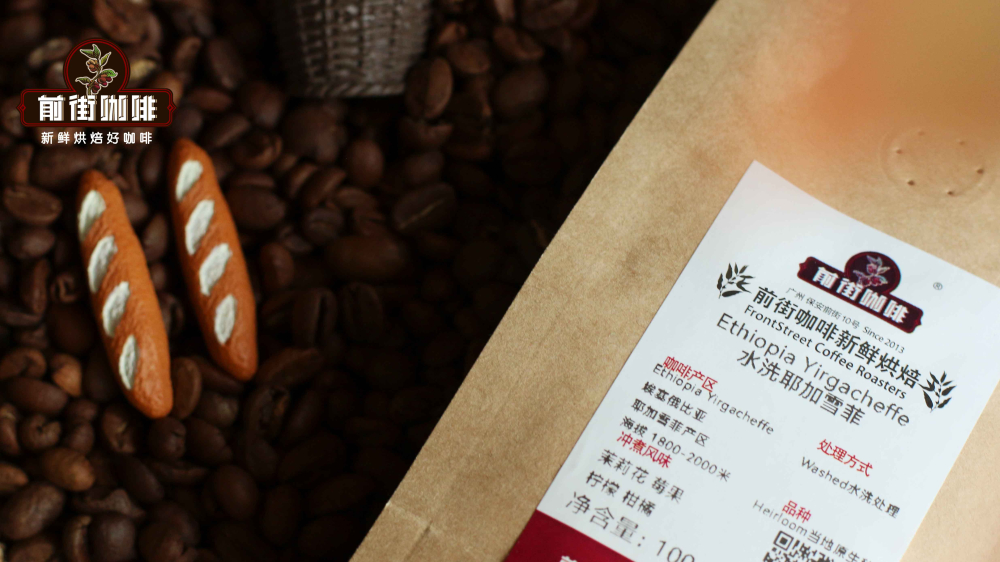
The washed processing method is relatively complex and consumes a large amount of water, making it more costly than the natural process, and thus less commonly used in parts of Africa where water resources are limited. Its basic steps include: after harvesting, coffee cherries first undergo floatation in water tanks to remove unripe beans; then the pulp and flesh are mechanically removed, followed by placement in fermentation tanks for 18 to 36 hours of fermentation to break down the mucilage layer; after fermentation, the parchment-covered beans are washed in special channels with flowing water for about 30 to 60 minutes, using density differences to separate out lower-quality beans; finally, the selected beans are evenly spread on African-style raised beds to dry, allowing the coffee beans’ inherent aromas to be fully preserved. Since the pulp is removed early in the washed process, Yirgacheffe’s citrus, lemon tones, and white floral notes can be presented more clearly, resulting in a bright and delicate flavor, making it one of the benchmarks of specialty coffee regions. A well-known cooperative is an outstanding representative of this process, with its coffee often showcasing distinct floral notes, fresh citrus aromas, and an elegant green-tea-like finish.
The tested and recommended pour over parameters are as follows: Use a V60 #01 filter, control the water temperature at 90-91°C, use a dose of 15 grams, set the coffee-to-water ratio at 1:15, and grind to a fine pour over setting (approximately 80% through a standard 20-mesh sieve). Specifically, in the first stage, pour 30 grams of water for a 30-second bloom; then pour 95 grams of water (scale reading approximately 125 grams) within about 1 minute; when the water level drops to two-thirds of the coffee bed, pour the remaining 100 grams of water (scale reading approximately 225 grams), with a total extraction time of about 1 minute and 35 seconds; the entire dripping process takes about 2 minutes, and the filter can be removed once done. With these parameters, a well-known brand of Yirgacheffe often exhibits citrus and black tea flavors upon entry, with creamy, caramel, and almond notes emerging in the aftertaste as the temperature drops, delivering an overall clean, sweet taste with pronounced sweetness lingering on the palate.
The above content is compiled by CoffeeHunters, a coffee news website.


