







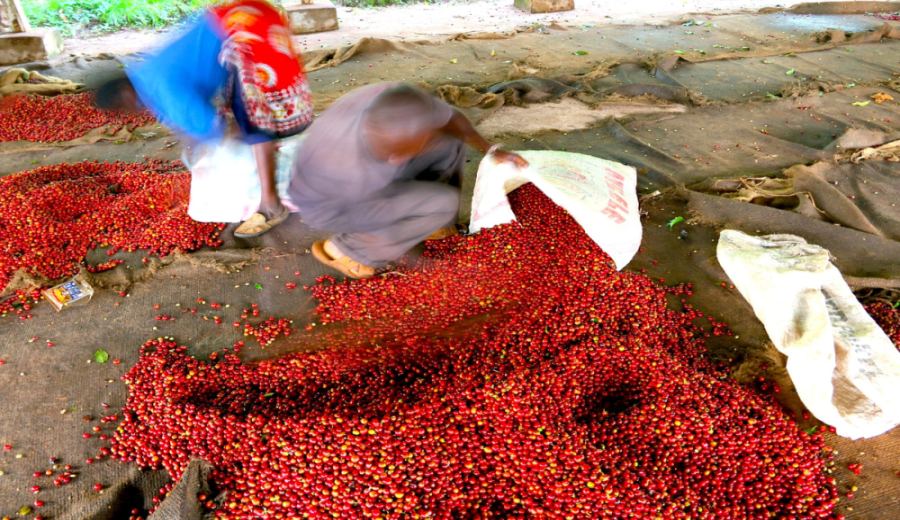
Introduction:Kenyan coffee is renowned for its bright acidity and rich layered flavors, and its rigorous grading system is a guarantee of quality. This article delves into the eight grades of Kenyan coffee beans, including the highly acclaimed AA grade, explains the 17/18 mesh specification and flavor-based classifications such as TOP and PLUS set by exporters, and explores the processing methods and regional characteristics suitable for pour over brewing, helping readers select high-quality Kenyan beans.
Kenyan coffee holds a unique place in the global specialty coffee market with its distinctive bright acidity and complex fruit notes. To understand the excellent quality of Kenyan coffee, one must first look at its coffee bean grading system. The Kenyan government classifies coffee beans into eight grades based on bean size, weight, and appearance: E, PB, AA, AB, C, TT, T, and MH/ML. Among these, the AA grade is the most prominent—not only for its consistent quality but also as the best entry point for many coffee enthusiasts exploring Kenyan flavors.
Kenya’s grading system is overseen by the “Kenya Coffee Board” (CBK), a government agency established in 1933 that manages domestic coffee quality and market trade, and hosts weekly auctions at the Nairobi Coffee Exchange. In the auction system, coffee beans are primarily graded and priced based on bean size and cupping performance. Generally speaking, larger and more uniform beans achieve more consistent roasting results, which aids in flavor development—making size an important grading criterion.
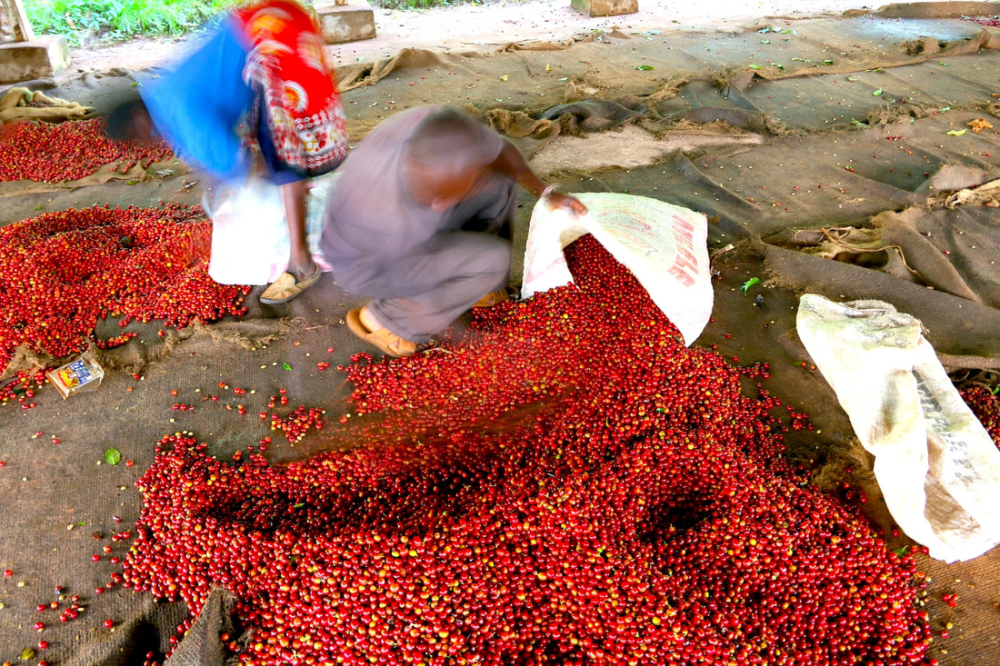
Kenyan coffee beans can be mainly divided into the following eight grades based on size and appearance: First is the E grade, also known as “elephant beans,” which are noticeably larger in size but relatively rare in production. The PB grade refers to peaberry beans, where a single rounded seed forms inside the coffee cherry instead of the usual two, resulting in a small, oval shape and often more concentrated flavor profiles. The most popular AA grade typically grows at altitudes above 6,600 feet (about 2,000 meters), with a bean size of17/18 mesh, making it the largest and most uniformly sized category, often characterized by bright acidity and complex fruity aromas.
The AB grade has slightly smaller beans, sized at 16/17 mesh, and is a blend of Grade A beans (sieved through 6.8mm) and Grade B beans (sieved through 6.2mm). The C grade consists of beans smaller than 14 mesh, usually slightly lower in quality compared to AA and AB. The TT grade comprises low-density beans sorted from AA, AB, and E grades via air classification; although their mesh size remains large, their insufficient density still allows them to fall within the specialty coffee category. The T grade has beans smaller than 14 mesh, with density and overall quality not meeting specialty grade standards. Finally, the MH/ML grade mostly consists of overripe or sun-dried low-quality beans, generally not recommended for use in specialty coffee.
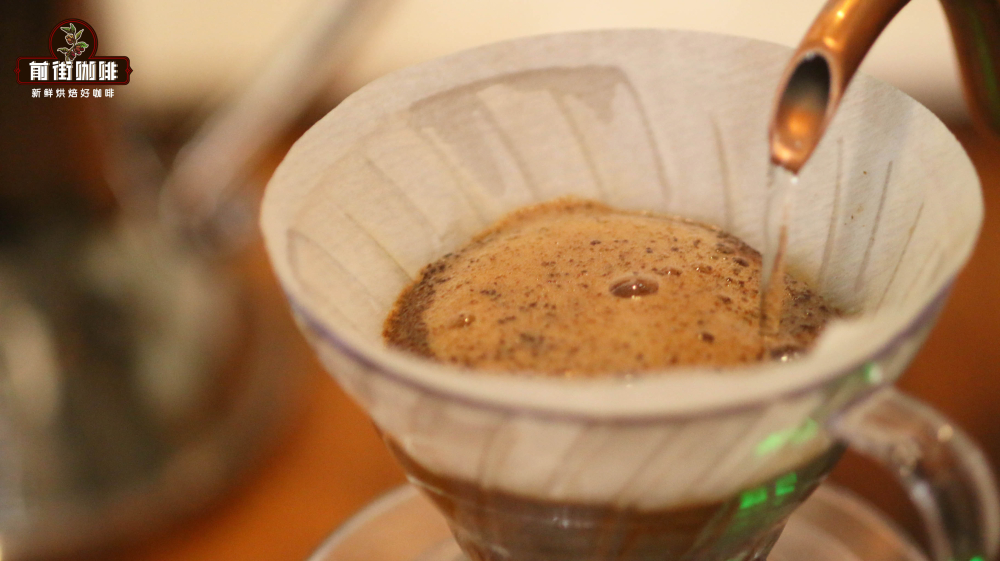
Among all the grades, AA is considered the representative grade of Kenyan coffee due to its large size, high altitude cultivation, and consistent quality, and is often the top choice for specialty coffee buyers and roasters. It’s worth noting that in addition to the official size-based grading, some exporters also provide additional flavor-based classifications based on cupping results, such as TOP, PLUS (or marked as +), and FAQ. While these are not official Kenyan standards, they are commonly found on exporter bean lists. The TOP grade represents the batches with the highest cupping scores, ideal for coffee lovers seeking ultimate flavor. However, even AA or AB grades, when grown in the right regions and processed properly, can exhibit outstanding flavor profiles without needing to overly focus on these additional exporter grading labels.
In terms of actual tasting experience, Kenyan AA-grade beans often showcase bright acidity reminiscent of berries and red wine, paired with a creamy finish, making them highly suitable for coffee drinkers who enjoy a balanced sweet and sour profile. Take the Thika region as an example—the AA-grade beans produced there often use the SL28 and SL34 varieties, coupled with the region’s unique K72 double-washed fermentation process, which enhances the layers of fruitiness and acidity. This processing method involves multiple soakings and fermentations over about 72 hours, effectively improving flavor clarity and sweetness, and is a hallmark of Kenyan coffee processing techniques.
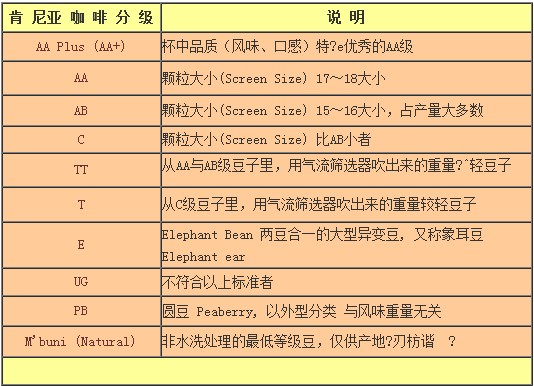
For pour over enthusiasts, Kenyan AA-grade beans are an excellent choice for practice and tasting. It is recommended to use a medium-light roast, and when brewing, opt for a fine grind (similar to coarse sugar), with water temperature controlled between 90–93°C. Employing a multi-pour extraction method can more fully release flavors such as berries, dark plums, and subtle floral notes. For first-time tasters, trying a hot pour over black coffee can better highlight its vibrant acidity and delicate aftertaste.
In summary, understanding the grading system of Kenyan coffee beans not only helps consumers choose higher-quality beans but also allows for a deeper appreciation of the terroir and processing craftsmanship behind each coffee. Whether you’re pursuing the top-tier flavors of the TOP grade or the consistently excellent AA and AB grades, Kenyan coffee offers a rich and varied taste experience, making it a classic origin that specialty coffee enthusiasts shouldn’t miss.
The above content is compiled by CoffeeHunters, a coffee news website.


