







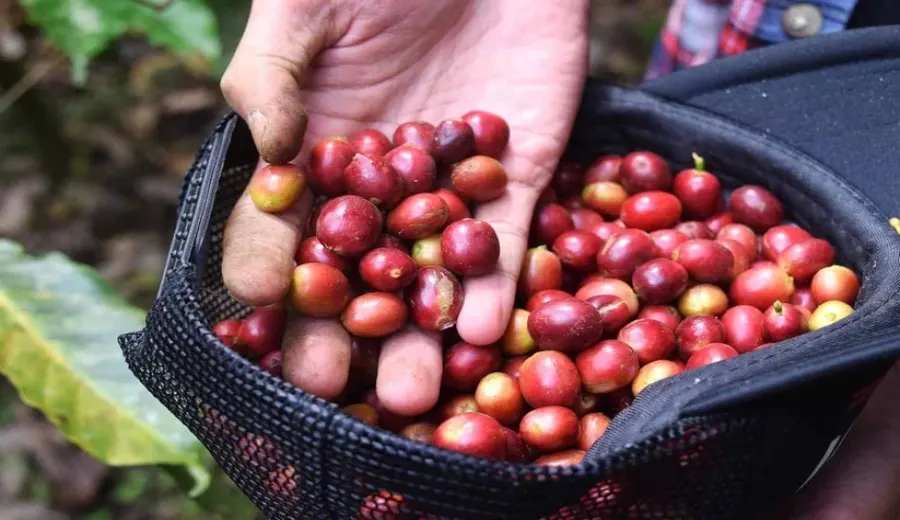
Introduction:Indonesian Sumatra Mandheling coffee is beloved by coffee enthusiasts worldwide for its rich, full-bodied flavor and distinctive herbal and spicy notes. This article will delve into the varietal origins of Mandheling, the characteristics of its growing regions, the secrets of the wet-hulled processing method, and provide an in-depth look at the quality certification and selection tips for Golden Mandheling. It also offers practical pour over parameters and flavor profiles to help you fully appreciate the charm of this classic Asian coffee.
When it comes to Indonesian coffee, most people immediately think of Mandheling. This coffee, known for its heavy body and unique herbal aroma, has long been one of the representatives of Asian coffee. However, many may not know that "Mandheling" is not actually the name of a coffee variety, but rather a term derived from a specific ethnic group in Sumatra, Indonesia, which later evolved into a synonym for a particular flavor profile of coffee. So, what varieties make up Mandheling? And how is its unique flavor formed?
The traditional Mandheling coffee is primarily composed of two main varieties: Ateng and TimTim. TimTim is the Timor variety, which carries Robusta genes and is a hybrid of Arabica and Robusta; whereas Ateng refers to Catimor, a cross between Caturra and Catimor. Both of these varieties inherit certain characteristics of Robusta, and since they are mostly grown in lower-altitude regions with less pronounced day-night temperature variations, it is difficult for them to accumulate delicate flavor compounds. This results in the distinctive herbal, woody, and mildly spicy notes that define Mandheling.
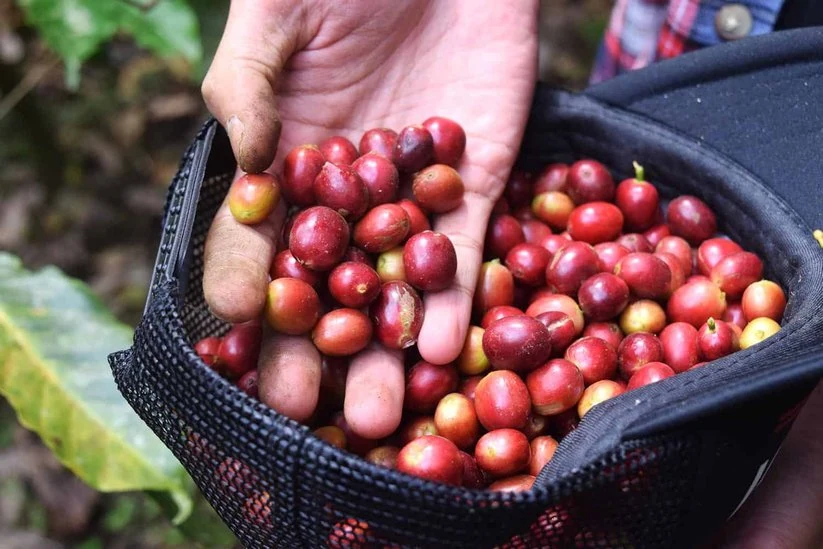
Although Mandheling is known for its bold and rich profile, it was traditionally more favored by male consumers. However, in recent years, an increasing number of female coffee drinkers have also come to appreciate its deep and complex flavor layers. Compared to the bright acidity and floral notes commonly found in Ethiopian coffees, Mandheling offers a more grounded, robust, and long-lasting aftertaste, making it an excellent choice for those who enjoy strong flavors and unique characteristics.
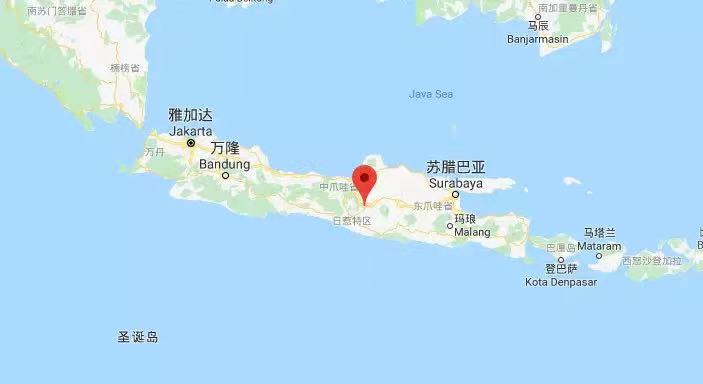
Sumatran Mandheling coffee is mainly grown on the island of Sumatra within the Indonesian archipelago, with the northern regions of Lintong and Mandheling being the most renowned. The coffee in the Lintong area is cultivated on highlands surrounding Lake Toba, at higher altitudes with soil rich in organic matter. Most of the farms are small-scale private operations that avoid chemical inputs and shaded cultivation, resulting in a clean and pure flavor foundation. The name "Mandheling," on the other hand, broadly refers to coffees grown under similar conditions in the region, including areas such as Diari and the northern part of Lake Toba.
In addition to Lintong and Mandheling, the Gayo Highlands of Sumatra are now also considered an important source of specialty Mandheling. The Gayo Mountains are located in Aceh Province, at elevations of about 1,500 to 2,500 meters, with a cool climate and fertile soil. The coffee here is predominantly grown by the indigenous Gayo people using traditional organic farming methods, without chemical fertilizers or pesticides. As a result, the coffee produced in this region is often referred to as "green coffee" or "Gayo organic coffee," and is known for its richer flavor layers and delicate sweetness.
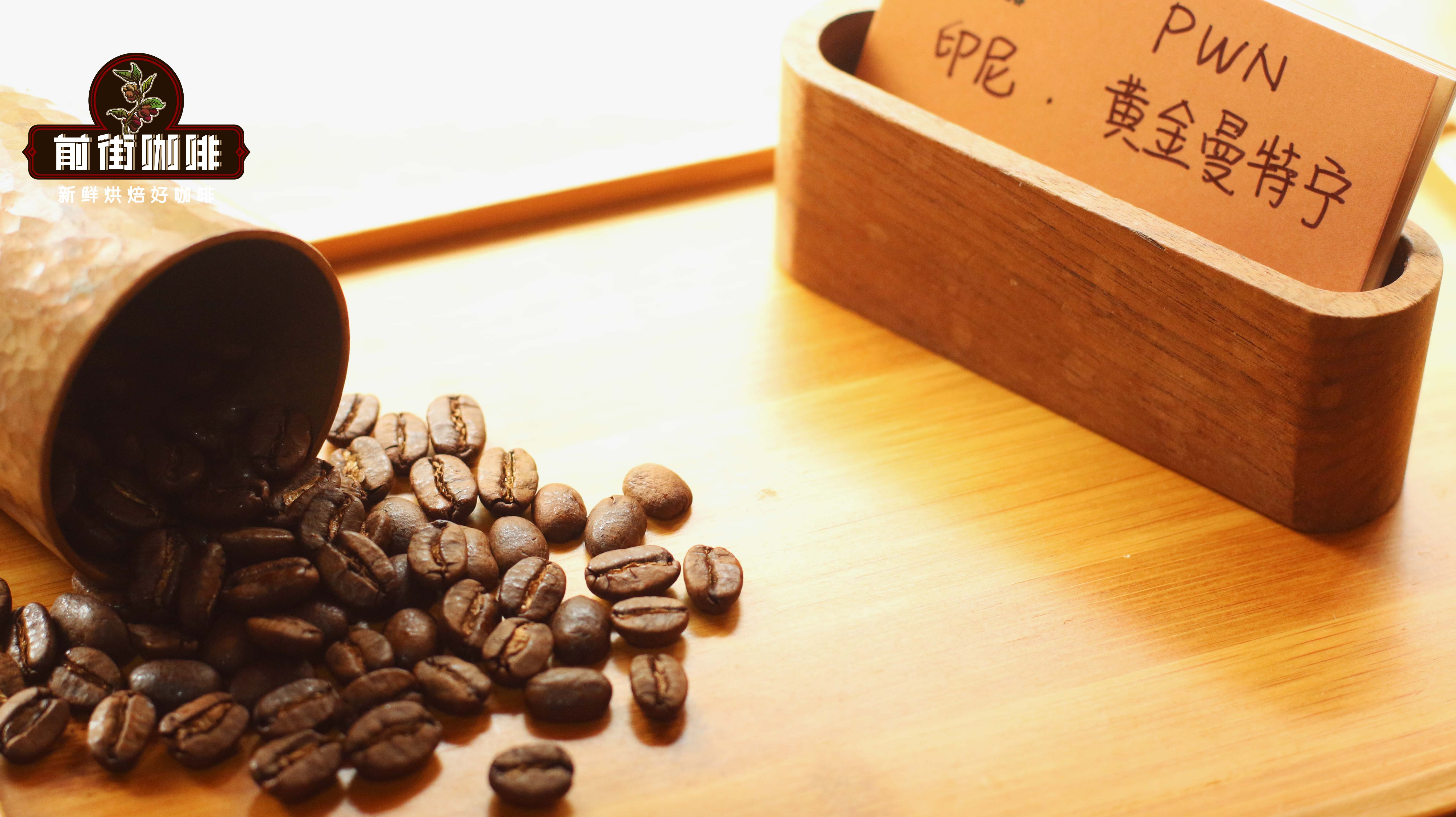
When discussing Mandheling, one cannot overlook "Golden Mandheling." However, Golden Mandheling is not a coffee grade but rather a trademark registered by the Indonesian company P.N. Van Nelle Medan (abbreviated as PWN). Established in 1957, PWN was one of the first traders to export Sumatran coffee to international markets, particularly Japan and Taiwan, and played a significant role in promoting the "Mandheling" brand across Asia. Since 1977, PWN has focused on exporting high-quality Sumatran Arabica Mandheling Grade 1 and Robusta AP-I Grade 2 beans, with Japan and Taiwan accounting for over 90% of its total exports.

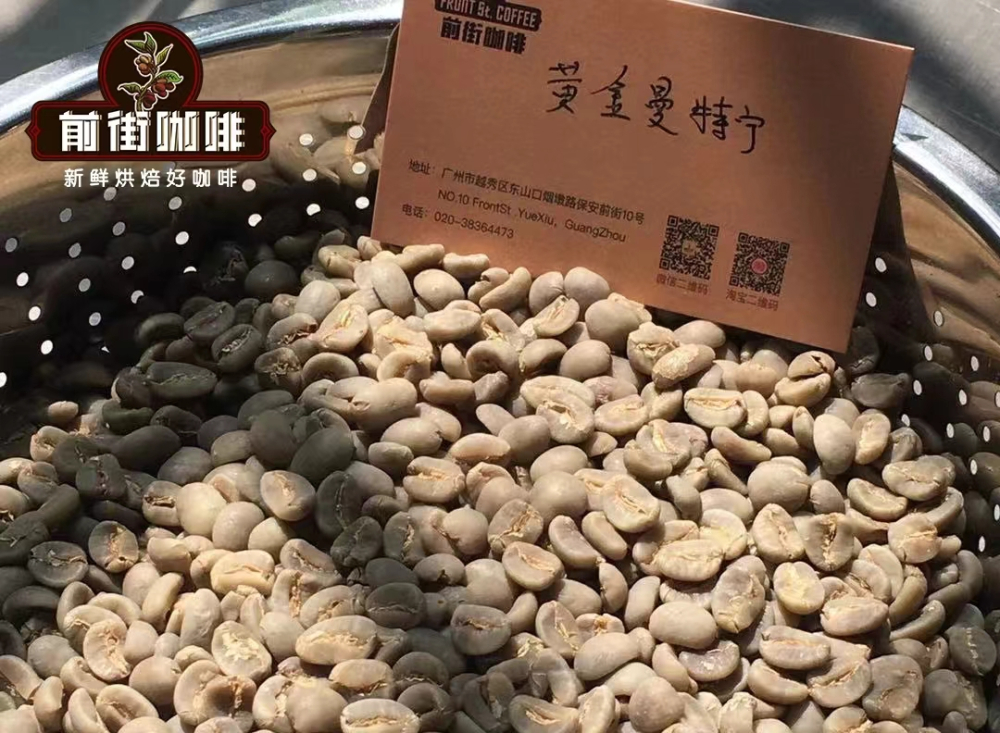
PWN’s Golden Mandheling is subject to extremely strict quality control. Only G1 grade coffee beans that are 19-screen size, plump, uniform, dark green in color, regularly shaped, and flat beans are selected. Each batch of beans undergoes one mechanical screening and three manual hand-pickings to ensure a defect rate of less than 3 beans per 300 grams. It’s worth noting that many coffees on the market that claim to be "Golden Mandheling" are not actually from PWN and can only be considered as general specialty Mandheling. When purchasing, it is recommended to look for official PWN certification and the exclusive logo on the packaging to ensure quality and origin.
Sumatran coffee generally employs a processing method known as "wet-hulling" (Giling Basah), which is a highly localized post-harvest technique. Adapted to Sumatra’s hot, humid, and frequently rainy climate, as well as local economic conditions and equipment limitations, smallholder farmers developed this method to effectively reduce water usage while accelerating the processing workflow. The steps include: first removing the outer skin and pulp of the coffee cherry, followed by a short fermentation period, then drying the mucilage-covered beans to a semi-dry state with a moisture content of about 30% to 50%. The parchment layer is then removed, and the beans are further dried until the moisture content reaches 12% to 13%. Because the beans are still semi-dry during processing, removing the parchment layer can easily cause pressure damage to the green beans, resulting in characteristic dents and defects. As a result, strict hand-picking is required afterward to remove defective beans.
To fully showcase the rich characteristics of Mandheling, the pour over parameters are particularly crucial. It is recommended to use a Kono filter, whose rib design is concentrated at the bottom, reducing airflow and extending the contact time between water and coffee grounds, thereby enhancing extraction efficiency and body. The suggested brewing parameters are a water temperature of around 88°C, 15 grams of coffee, a 1:15 coffee-to-water ratio, and a medium-fine grind (approximately 75% through a #20 sieve). Begin with a 30-second bloom using twice the amount of water (about 30 grams) to release carbon dioxide, then pour in a circular motion with a slow stream until reaching 125 grams, followed by a second pour to 225 grams before stopping. The total brew time is approximately 2 minutes. Allow the coffee to fully drip before gently swirling and enjoying.
In terms of flavor, PWN Golden Mandheling exhibits exceptional clarity and complexity, with a strong nutty profile accompanied by caramel and chocolate aromas, and a long, balanced finish. In contrast, Lintong Mandheling is dominated by intense herbal notes, paired with black chocolate and caramel flavors, and a pronounced aftertaste, making it equally worth trying. Whether as a daily drinker or an entry point for exploring Indonesian coffee, Mandheling offers a unique taste experience.
The above content is compiled by CoffeeHunters, a coffee news website.


