








Introduction:Delve into the world’s most popular family of Arabica coffee beans—from the classic Typica to the high-yield, disease-resistant Catuai—exploring each variety’s origin, physical characteristics, growing conditions, and unique flavor profiles. This article helps pour over coffee enthusiasts choose single-origin beans that suit their taste based on bean variety traits, while also introducing the role of Robusta and Liberica in the coffee market.
Global coffee varieties can be mainly divided into three main species: Arabica, Robusta, and Liberica. Among them, Arabica, known for its delicate and rich flavor profile, accounts for about 70% of the world’s total coffee production, making it the star of the specialty coffee market and the preferred choice for many professional coffee shops. The industry's product lines are primarily based on Arabica. Under Arabica, there are numerous varieties, such as Typica, Bourbon, Caturra, Catuai, etc., each with its own unique origin, plant characteristics, and flavor direction. This article will deeply introduce these common Arabica varieties, while also briefly explaining the current status of Robusta and Liberica, helping coffee lovers more accurately select single-origin pour over coffee beans suitable for their preferences.
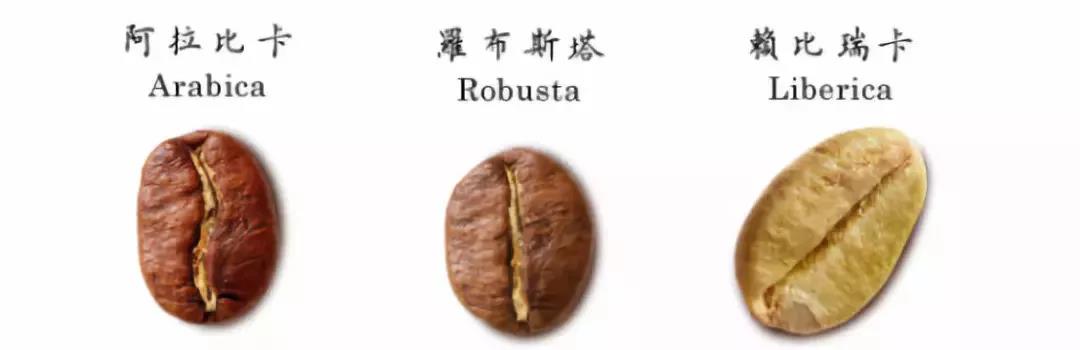 Arabica coffee is considered "small-bean coffee." Although its yield per unit is relatively low, it is widely cultivated at altitudes above 800 meters due to its outstanding flavor potential. Areas above 1,200 meters can even nurture its most exceptional flavor qualities. Among the many lineages, Typica and Bourbon are the two oldest and most historic varieties, serving as the foundation for many modern Arabica cultivars.
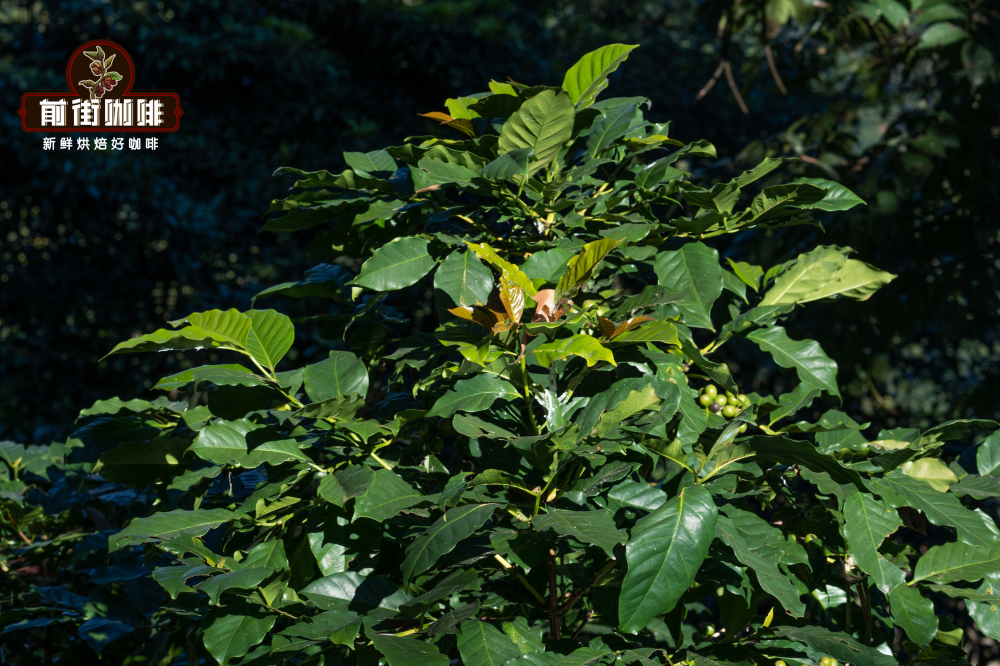
First is Typica, one of the oldest Arabica varieties. Its beans are slender, flat, and plump, taking on an oval shape with a very neat appearance. Typica is renowned for its elegant and delicate flavors, featuring soft acidity and pronounced sweetness. However, the plant itself is quite fragile, with almost no resistance to diseases such as leaf rust, and it also has a relatively low yield. Additionally, its young leaves exhibit a unique brownish-red color, which is why it is also called "copper-topped coffee." Today, some well-known producing regions still preserve pure Typica varieties, such as Jamaica Blue Mountain and certain Typica strains in parts of Yunnan.
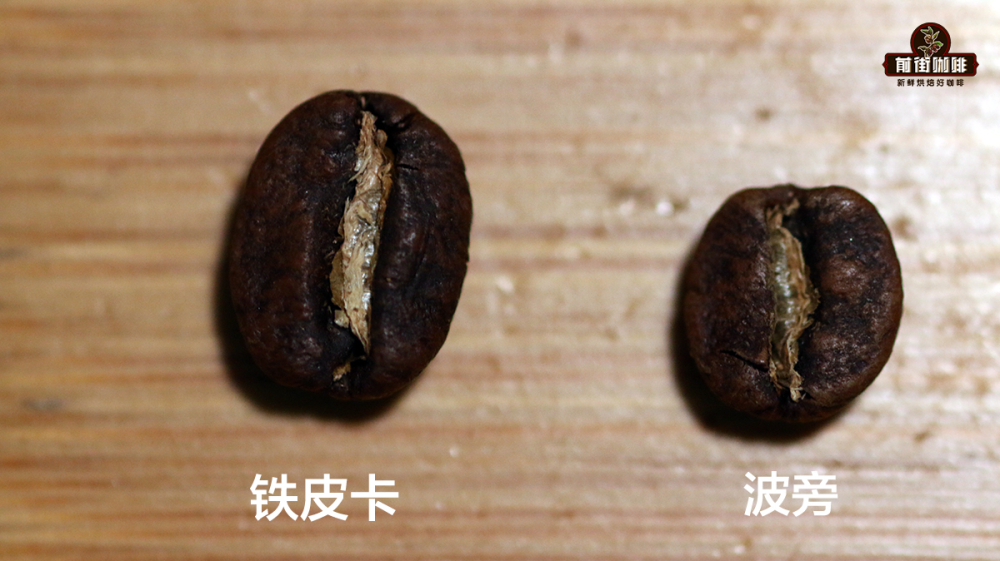
 Next is Bourbon, a natural mutation of Typica. The commonly seen Bourbon is "Red Bourbon," which, as the name suggests, turns wine-red when the coffee cherries ripen. Bourbon thrives at high altitudes, where the environment encourages the development of intense aromas, bright acidity, and complex notes reminiscent of red wine. In the 1930s, Brazil discovered the "Yellow Bourbon" mutation, believed to be a cross between Red Bourbon and a mutated yellow-fruited Typica lineage. However, Yellow Bourbon has not been widely planted due to its limited yield and susceptibility to weather conditions. Even so, Brazilian Queen Estate Yellow Bourbon, as previously introduced, still showcases clear fruit sweetness and nutty tones.
 Furthermore, further crosses between Yellow Bourbon and Red Bourbon have also given rise to "Pink Bourbon," whose fruits display a rare pink color controlled by specific recessive pollen genes. This variety was first cultivated in Colombia’s Huila region, and its cupping performance is exceptionally outstanding, with a rich and layered flavor profile, thus drawing significant market attention. A Pink Bourbon from that region, named Isabella, was also introduced. Its flavor profile includes citrus, berries, and a subtle tangy-sweetness akin to cherry tomatoes—making it highly suitable for those who enjoy bright acidity and fruity notes.
Another highly representative variety is Caturra, a natural mutation of Bourbon. It has a shorter plant height, making it easier to harvest, and does not require shade, hence it is often referred to as "sun-grown coffee." Caturra adapts well to various environments and is widely planted in places like Colombia. Its flavor characteristics include a smooth mouthfeel, refreshing acidity with berry-like notes, contributing to part of the reason Colombian coffee is praised as the "gentleman among coffees."
As for Catuai, it is a hybrid of Caturra and Mundo Novo. Compared to Caturra, Catuai plants are more compact, with higher yields, finer acidity, and excellent disease resistance. Due to its stable performance, it is now widely planted in countries such as Brazil, Costa Rica, and Honduras. For example, 30% of the non-Geisha portion in the Honduras Sweet Orange Estate and Panama Geisha Butterfly blend currently listed belongs to the Catuai variety.
 Aside from Arabica, the other two main species are also worth understanding. Robusta is known for its exceptional environmental adaptability, capable of growing in high temperatures, high humidity, and even low-altitude regions. It is widely distributed in places like Vietnam, Brazil, India, and Hainan, China. However, Robusta generally lacks aroma and often carries earthy or woody off-notes, leading to its common use in instant coffee or commercial blends. Nevertheless, high-quality Robusta is gradually gaining attention—for instance, Royal-grade Robusta produced in India, which offers a clean flavor free from earthy tones, showcasing rich nutty, peanut, and grainy profiles.
Lastly, there is Liberica, also known as large-bean coffee. While the plant is hardy, its flavor performance is poor, and its disease resistance is also limited. It is currently extremely rare in the commercial market and is only preserved in some research institutions. Overall, the Arabica family, with its diverse and superior variety performance, continues to lead the global specialty coffee trend and remains the top choice for pour over coffee enthusiasts exploring the world of flavors.
The above content is compiled by CoffeeHunters, a coffee news website.


