







Category: Coffee Knowledge
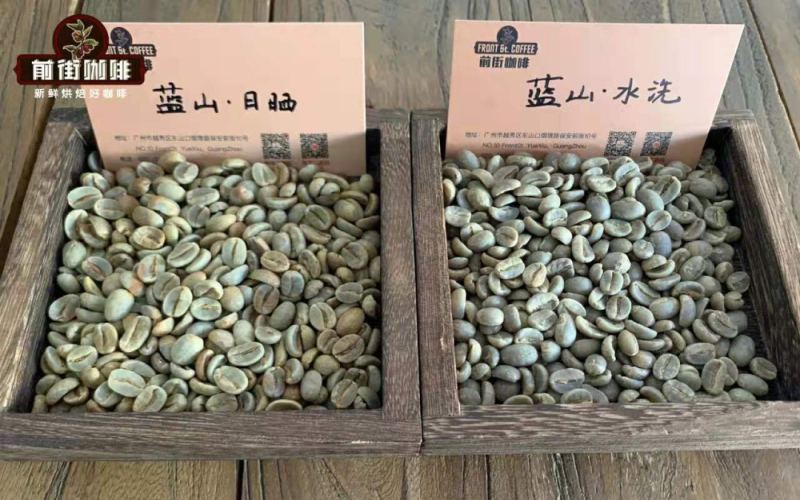
Jamaica Blue Mountain No.1 Coffee Beans: Price, Authenticity Guide, and Pour Over Flavor Profile
Jamaica Blue Mountain No.1 coffee is hailed as one of the world’s finest coffees, but genuine beans are rare and expensive, with counterfeit versions commonly found on the market making them hard to distinguish. This article delves into the reasons behind the high price of Blue Mountain No.1, including its limited production, Japan’s long-term monopoly in the past, and the impact of Japan’s historical right of first refusal on the market. It also teaches you how to identify authenticity through certificates, pricing, and bean appearance, and provides practical pour over recommendations and parameters to help you better understand the unique flavor profile of this legendary coffee. [more…]
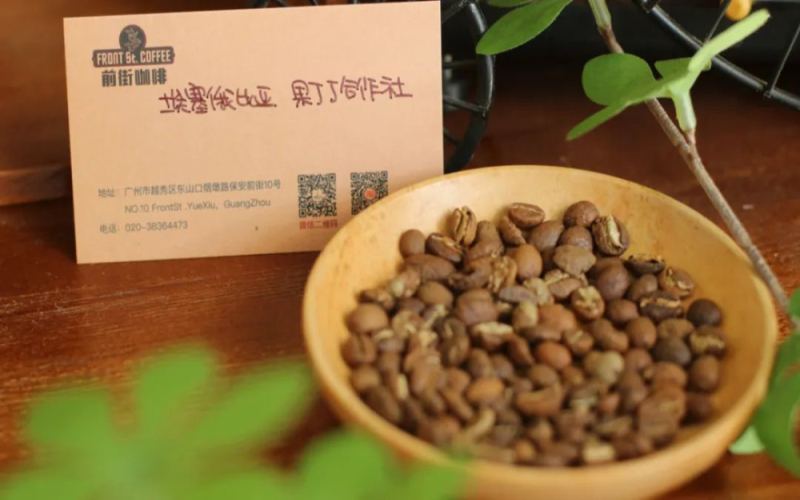
Recommendation for Yirgacheffe Gedeb Washed G1 Beans | Flavor Analysis of Guodiding Processing Factory & Pour Over Suggestions
This article takes an in-depth look at the Yirgacheffe G1 washed beans produced in Ethiopia’s Gedeb region by Guodiding Processing Factory. From altitude conditions and processing techniques to the nuanced layers of floral and fruity aromas, it offers a comprehensive understanding of the unique charm of this popular coffee bean. Not only does it provide a detailed flavor profile and processing information, but it also includes practical pour over references and extraction tips—making it an unmissable choice for coffee lovers seeking bright acidity and fruity flavor profiles. [more…]
How to Brew Jamaican Blue Mountain Coffee? A Complete Guide to the Flavor Differences Between Blue Mountain Beans and Blends
Jamaican Blue Mountain coffee is hailed as one of the world’s top-tier coffees, yet the market is flooded with various misconceptions and imitations. This article delves into the true origin and grading system of authentic Blue Mountain coffee, and compares the essential differences between Blue Mountain coffee and Blue Mountain-flavored blends. It also explores the ideal roasting methods for Blue Mountain beans, as well as the flavor profiles achieved through pour over and French press brewing, helping you correctly understand Blue Mountain coffee, avoid the pitfalls of low-cost imitations, and master the optimal brewing parameters. [more…]
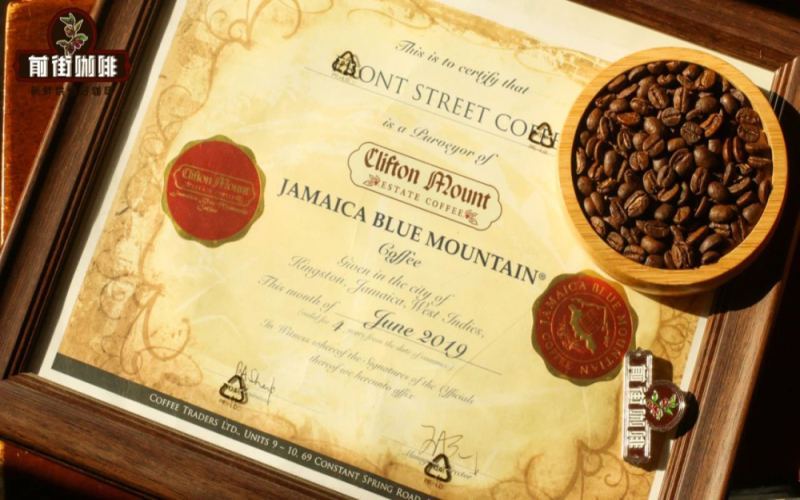
Jamaica Blue Mountain No. 1 Pour Over Guide: From Origin to Flavor, How to Brew a Balanced and Mellow Blue Mountain Cup
Jamaica Blue Mountain No. 1 is renowned as one of the world’s top specialty coffees, with its rich and well-balanced flavor captivating countless coffee enthusiasts. This article will take an in-depth look at the origin background, processing method, roast level of a well-known brand’s Jamaica Blue Mountain No. 1, and how to bring out the charming layers of chocolate, nuts, and subtle caramel through appropriate pour over parameters. Whether you’re tasting it for the first time or looking for a great gift, you’ll find practical advice here. [more…]
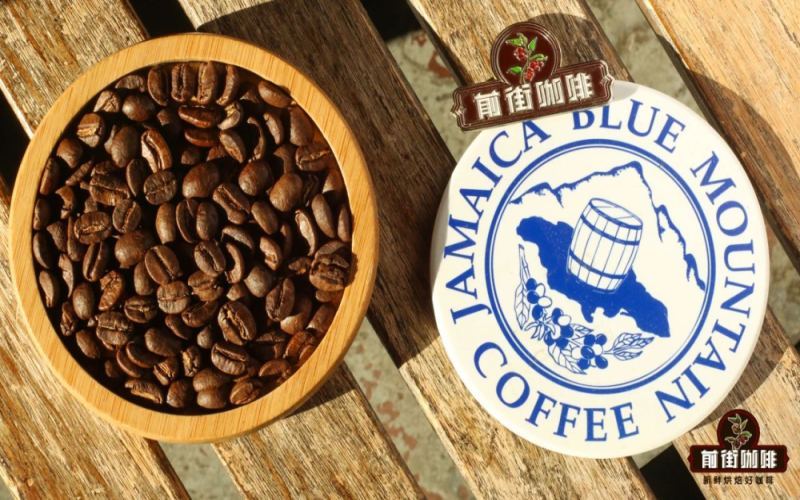
A Guide to Identifying Authentic Jamaican Blue Mountain Coffee and Choosing Pour Over Bean Varieties
Jamaican Blue Mountain coffee is hailed as the pinnacle of the coffee world, yet the market is flooded with imitations. This article delves into the origin certification, flavor characteristics, and grading standards of genuine Blue Mountain coffee, while also introducing you to the types of coffee beans suitable for pour over brewing—debunking the myth that “only Arabica will do.” With detailed information and practical advice, it helps you identify true Blue Mountain coffee and find high-quality options ideal for pour over. [more…]
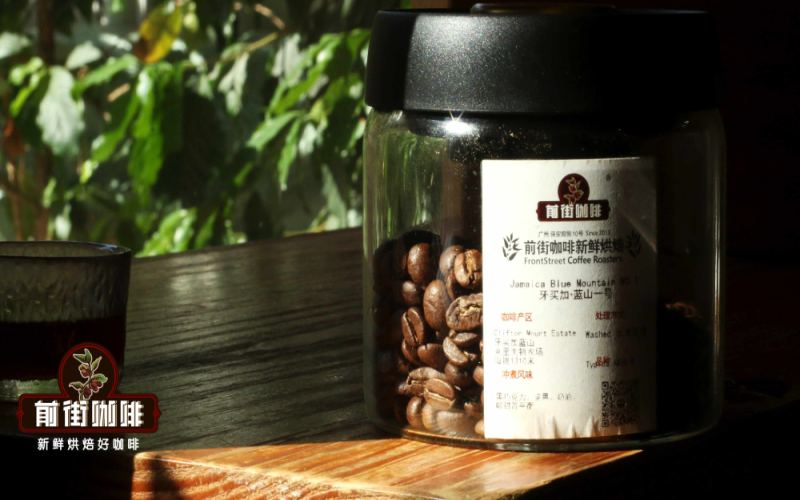
How to Choose Pour Over Coffee Beans? A Complete Guide to Jamaican Blue Mountain No.1 Flavor & Brewing Parameters
Choosing the right pour over coffee beans is key to brewing a great cup. This article takes Jamaican Blue Mountain No.1 as an example, detailing its bean variety characteristics, growing environment, grading standards, and roast-to-yield rate. It also provides an in-depth analysis of the balance between acidity, sweetness, bitterness, and body. Additionally, practical brewing parameters and a step-by-step pouring technique using the KONO dripper are shared, along with several flavorful alternative beans to help you easily find your ideal pour over setup. [more…]
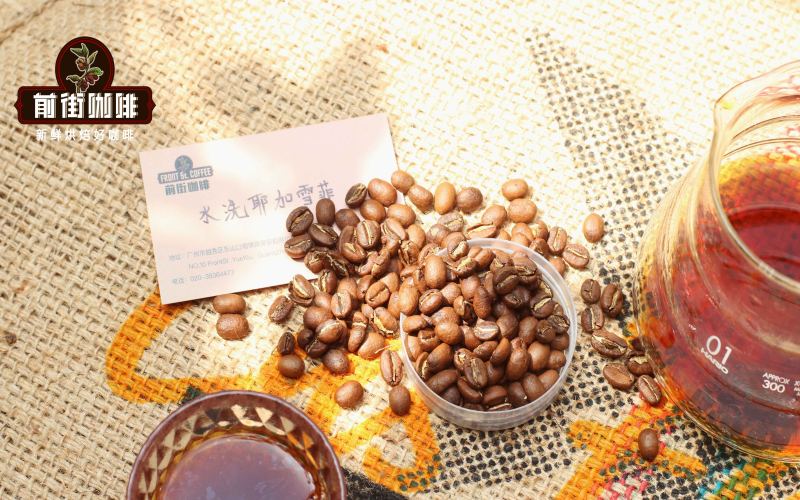
How are Yirgacheffe coffee beans graded? Understanding G1 and Arabica pricing through the ECX system
Want to understand how Yirgacheffe coffee beans are graded? Starting from the scoring mechanism of the Ethiopia Commodity Exchange (ECX), we’ll break down the scoring weightings for washed and natural processed beans, and help you understand the three classifications—Specialty, Commercial, and Local—as well as the selection criteria for Q1 and Q2 grades. We’ll also explain why there’s such a big price difference among Arabica coffee beans, and share the profiles of two popular G1 Yirgacheffe coffees. [more…]
A Comprehensive Guide to the Three Major Processing Methods of Yirgacheffe: Sun-Dried, Washed, and Honey—Flavor Differences and Buying Tips
As Ethiopia’s most representative specialty coffee region, Yirgacheffe is often the center of discussion among coffee enthusiasts for the flavor differences between its sun-dried and washed processing methods. This article delves into the processing characteristics, flavor profiles, and grading standards of the three major techniques—washed, sun-dried, and honey processing. From fermentation methods and drying processes to final cupping performance, it helps readers understand how different processing methods affect acidity, body, and aroma. Whether you’re a beginner or an advanced coffee drinker, you’ll be able to build a solid foundation for making informed judgments. [more…]

Complete Guide to Cold Brew Coffee: Principles, Flavor Analysis & Home Brewing Techniques
Cold brew coffee excels in slow extraction at low temperatures, delivering a refreshing taste profile distinctly different from traditional hot brewing. This article delves into the differences between cold brew, ice drip, and iced Americano, explains how low-temperature extraction influences the flavor spectrum, and provides practical bean selection advice along with a detailed brewing process. Whether you're trying cold brew for the first time or aiming to refine your own recipe, you'll master key techniques to brew a layered, well-balanced cup with sweet and acidic harmony. [more…]

Colombia Huila Pour Over Guide: From Regional Flavors to Three-Stage Brewing Mastery
Huila Province in Colombia produces specialty coffee with bright acidity and prominent sweetness, thanks to its high altitude and volcanic soil. This article delves into the natural conditions and smallholder farming practices of the Huila region, explaining how medium-dark roasts bring out nutty and dark chocolate notes. It also provides practical three-stage pour over parameters and steps to help you easily extract a balanced and rich coffee flavor—suitable for both beginners and advanced enthusiasts. [more…]

Coffee Bean Storage Secrets: Avoid the Four Killers, Extend the Optimal Flavor Period of Pour Over Coffee
Have you ever noticed that the flavor of freshly bought coffee beans doesn’t quite match what you taste at the café? The key difference might just lie in how the beans are stored. Light, oxygen, moisture, and high temperatures are the four major culprits that accelerate coffee bean aging. This article delves into how these factors affect coffee freshness, offers professional-grade storage advice, and debunks common myths—such as whether you should store coffee in the fridge, and the optimal consumption periods for whole beans versus ground coffee—so you can easily preserve the ultimate flavor of your pour over coffee. [more…]
Tasting Ethiopian Yirgacheffe Bensa Honey Process Beans | Enzyme Fermentation & High-Altitude Flavor Analysis
This in-depth review analyzes a brand's Ethiopian Yirgacheffe Bensa Bangegga Goeng enzyme honey-processed coffee beans, exploring the region’s geography, processing techniques, and flavor profile to understand how honey processing and enzyme fermentation create unique floral and fruity notes. It also extends to cross-disciplinary inspiration from carbonic maceration technology, making it ideal for coffee enthusiasts with advanced interests in specialty pour-over bean selection and processing methods. [more…]
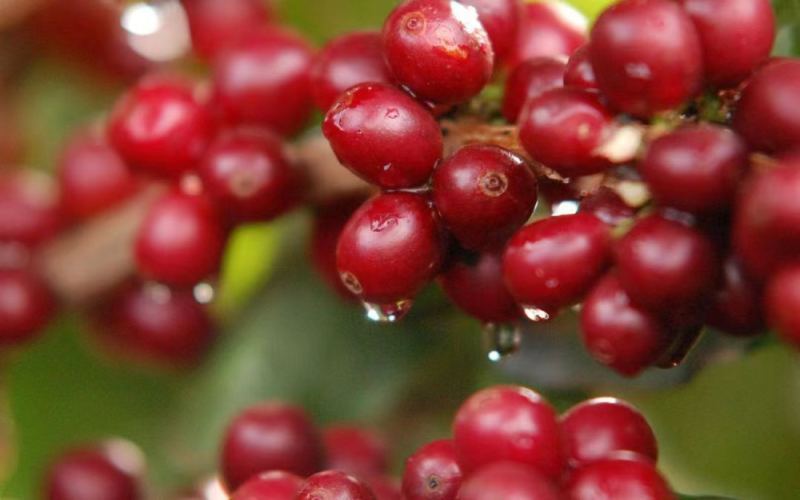
Arabica Coffee Varieties Guide: A Comprehensive Visual & Flavor Reference for Typica, Bourbon, Geisha & More
Understanding coffee varieties is fundamental to refining your coffee taste. This article starts with botanical characteristics, guiding you to observe differences in tree shape, leaves, and fruits among mainstream Arabica varieties such as Typica, Bourbon, Caturra, Catuai, and Geisha. It analyzes key visual identification points and their corresponding flavor profiles. Whether you're a pour over enthusiast seeking the right beans or a beginner looking to build variety knowledge, this practical guide offers clear direction. [more…]
How to Brew the Panama Blue Label Geisha Pour Over? A Complete Guide to the Sema Yeast Washed Process & Flavor Profile
The Panama La Esmeralda Blue Label Geisha is renowned for its Sema yeast washed process, delivering layers of lavender, pomegranate, and ginger syrup — a top choice for pour over enthusiasts. This article delves into its regional background, processing method, and offers expert pour over recommendations and flavor evaluations to help you master the optimal brewing technique and experience the unique charm of this premium Geisha. [more…]

How to Brew Kenyan Washed Coffee? A Guide to Berry Flavors in Three Major Regions & Pour Over Tips
Kenyan washed coffee is renowned for its intense berry notes, but flavor nuances vary significantly across regions. This article delves into three premium growing areas—Nyeri, Muranga, and Kirinyaga—exploring how altitude, varietals, and processing methods shape pour over performance. Based on actual cupping sessions, we’ll uncover the terroir secrets behind these berry profiles. [more…]
The Wine Aroma and Milk Coffee Potential of Italian Blends: Analysis of Processing Methods and Extraction Parameters
Have you ever wondered why some Italian blends exude an enchanting wine-like aroma and can still deliver a soft and rich flavor when combined with milk? This article will take an in-depth look at a blend that combines both wine character and milk coffee potential. From its component ratio and processing methods to its extraction performance, we’ll guide you through how flavor balance is achieved through thoughtful blending design, and provide practical suggestions for pairing with milk coffee. Whether you’re a barista or a coffee enthusiast, you’ll find valuable insights here. [more…]
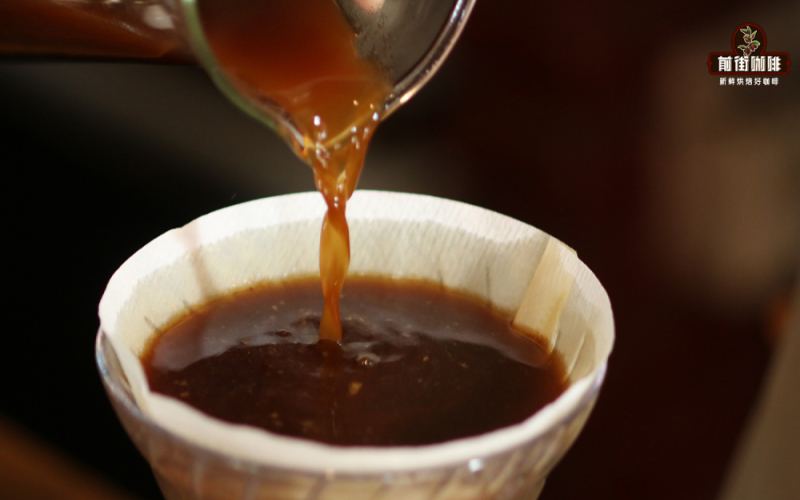
Complete Guide to Cold Brew Coffee: How to Choose Between Cold Drip and Immersion? Understand Parameters and Flavor Differences All at Once
Cold brew coffee, with its refreshing and low-acid profile, has become one of the most popular coffee beverages in summer. However, cold brew isn’t made in just one way—common methods such as immersion (cold drip) and slow drip (ice drip) differ greatly in extraction principles and flavor profiles. This article delves into the brewing processes of both, explores key parameters such as grind size, coffee-to-water ratio, and time control, and compares their differences in terms of sweet-acid balance, body, and aroma. It also recommends high-quality Kenyan coffee beans that are well-suited for cold brewing. [more…]
Unveiling the Flavors of Panama Elida Geisha Coffee | ASD Anaerobic Natural Process & Pour Over Guide
Want to dive deep into the top-tier Geisha coffee from Panama's Elida Estate? This article provides a detailed introduction to this ASD anaerobic slow-dried natural process Geisha that once scored highly at the BOP. It covers everything from the variety’s origins and processing methods to its unique flavor profile, along with expert pour over recommendations and practical extraction parameters to help coffee enthusiasts fully master the brewing secrets of this premium bean. [more…]

Complete Guide to Kenyan 72-Hour Washed Beans: AA-Grade Pour Over Parameters and the Secrets of Fruity Acidity
Kenyan coffee is renowned for its uniquely bright acidity and clean flavor profile, largely due to its labor-intensive 72-hour double-washed processing method. This article delves into how this special technique enhances acetic acid expression through a two-stage fermentation process, and breaks down the strict selection criteria for AA-grade coffee beans. It also provides real-tested hot pour over parameters and authentic flavor notes, offering a comprehensive understanding of the essence of this renowned bean variety—from processing logic to brewing application. [more…]

A Complete Guide to Sumatra Mandheling Wet-Hulled Process | Pour Over & Espresso Extraction Tips
An in-depth exploration of the varietal evolution of Sumatra Mandheling coffee, the details of the wet-hulled process, and how beans from this region perform in pour over and espresso brewing. This article analyzes the key factors influencing flavor, offering practical roasting and extraction advice to help you better understand the characteristics and applications of this classic Southeast Asian bean. [more…]