








Introduction:Faced with so many pour over coffee bean options, how do you choose the ones that suit your personal taste? This article starts from three major coffee regions and takes an in-depth look at the classic coffee varieties and flavor profiles of seven regions—Ethiopia, Brazil, Indonesia, Colombia, Costa Rica, Yunnan, and Panama. It also explains in detail how different processing methods such as washed, natural, and honey affect the flavor. At the same time, it provides practical advice on pour over pouring techniques and freshness judgment tips to help you find your own ideal cup of coffee.
The variety of coffee options on the market can be overwhelming, and many beginners often don’t know where to start. A good first step to understanding coffee is to get familiar with the three main coffee regions: Africa, the Americas, and Asia. Each region, due to differences in climate, altitude, and processing methods, produces distinctly different flavor profiles. To further select suitable beans, one must understand the characteristics and representative brands of each region, while also paying attention to roast freshness and brewing parameters to fully bring out the potential of the beans.

Many people think that “the most expensive is the best tasting,” but in the world of specialty coffee, price is not the only measure of quality. Coffee flavor preferences vary from person to person—some enjoy bright fruity acidity, while others prefer rich nutty tones. The key is finding the one that’s “just right” for you. The term “specialty coffee” was first introduced by Erna Knutsen, known as the “godmother of specialty coffee,” in 1974. She emphasized that different regions, due to variations in terrain, climate, and farming practices, could present unique regional flavors. By 2009, the Specialty Coffee Association of America further defined coffee with a cupping score above 80 as specialty grade, which has since become an important industry benchmark.
Many people start with espresso or Americano, often with added milk and sugar. But with the rise of the specialty coffee movement, more and more people are turning to single-origin pour over coffee to enjoy the most original layers of flavor from the beans. Especially black coffee, without the interference of other additives, highlights the intrinsic aroma and mouthfeel of the coffee, allowing you to experience the terroir characteristics of different regions through the balance of sour, sweet, bitter, and astringent notes. However, not all expensive beans are suitable for pour over, nor is only coffee labeled as “specialty” necessarily good—what matters most is the alignment between personal taste and the characteristics of the coffee.

So, how do you choose the right pour over coffee beans for yourself? First, make sure the beans are fresh enough—it is generally recommended to choose coffee beans roasted within 5 to 14 days, as their flavors are the most vibrant. In addition, beans from different regions have very distinct flavor tendencies: African beans often have bright floral and fruity aromas and lively acidity, such as Ethiopia’s Yirgacheffe; American beans are known for their nutty and chocolatey profiles, with an overall balanced taste; Asian beans typically exhibit rich, herbal, and woody aromas, such as Indonesia’s Mandheling. When pour over brewing, besides selecting the right region, it’s also essential to consider the impact of the processing method. Common methods such as washed, natural, and honey will noticeably alter the final flavor profile.
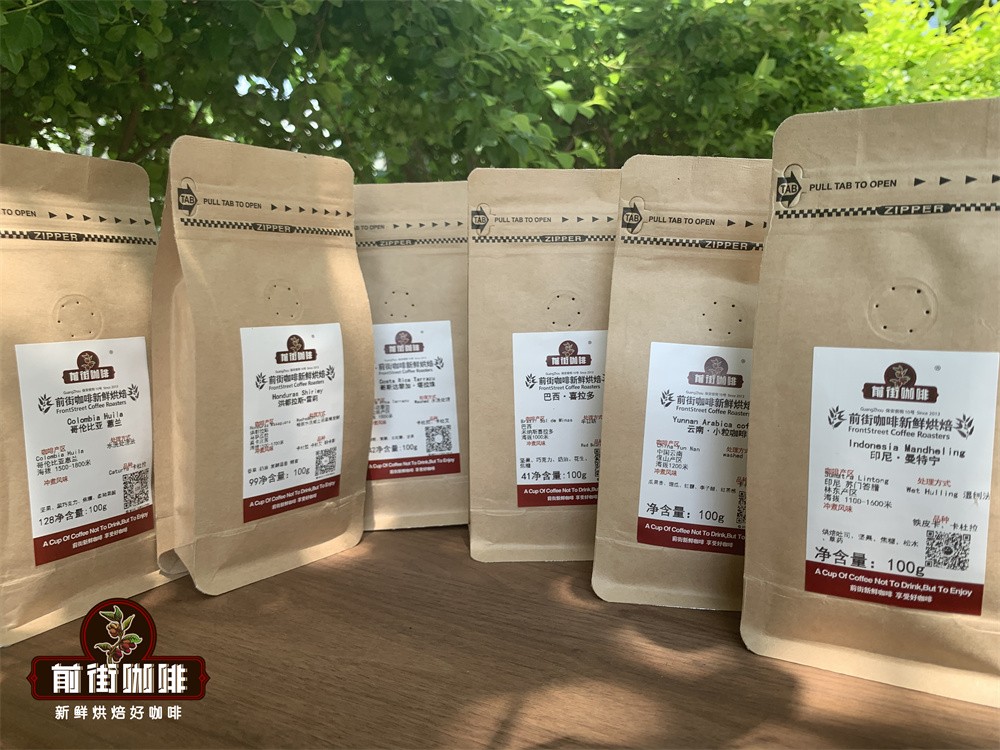
Below are introductions to classic pour over coffee beans from seven major regions and their characteristics:
I. Ethiopia: Recommended varieties include Huila, Guji, Red Cherry, and Gesha Village Red Label
Ethiopia is not only the largest coffee-producing country in Africa but is also considered the birthplace of coffee, boasting an extremely rich coffee gene pool. Among them, the Yirgacheffe and Sidamo regions are the most famous. The Yirgacheffe region mostly uses washed processing—washed Yirgacheffe, for example, often features fresh jasmine floral notes, bright lemon acidity, and soft berry tones. The Sidamo region commonly employs natural processing, such as Sidamo natural Huila, which offers a richly layered flavor profile including berries, tropical fruits, honey, and jackfruit among other complex aromas. Ethiopia has a wide variety of coffee beans, with more than ten different options worth trying just from this region alone, making it perfect for coffee enthusiasts wanting to explore diverse flavors.

II. Brazil: Recommended varieties include Cerrado Red Bourbon and Queen Estate
As the world’s largest coffee producer, Brazilian coffee beans are known for their large output and stable quality. Since most are grown in sun-exposed environments, the coffee cherries ripen faster, resulting in softer beans with lower acidity and pronounced sweetness. If you prefer coffee that is not acidic or has a mild taste, Brazilian beans are usually a good choice. Brazilian coffee typically has a smooth and rounded mouthfeel, with caramel and nutty notes upon entry, making it suitable for those who enjoy balanced flavors. A certain brand’s Brazilian everyday beans series is a representative of this style, ideal for daily pour over enjoyment.
III. Indonesia: Recommended varieties include Lintong Mandheling and PWN Golden Mandheling
Indonesian coffee is famed for its unique wet-hulled processing method, a semi-washed technique developed in response to local climate and economic conditions. This gives the coffee a thick, rich mouthfeel and distinctive spicy notes. Mandheling is the most representative Indonesian coffee variety, often featuring herbal, earthy, and woody tones, with low acidity but rich layers. Among them, Lintong Mandheling and Golden Mandheling are both highly praised choices—the former has a strong flavor with noticeable spice layers, while the latter is cleaner and crisper, making it an excellent starting point for exploring Southeast Asian coffee flavors.

IV. Colombia: Recommended varieties include Huila, Caturra, and Maragogype
Colombian coffee is known for its stable production throughout the year and diverse microclimates. The flavors typically blend nuts, chocolate, and gentle fruit acidity, with a balanced taste and long-lasting aftertaste. Take the Huila region, for example—it sits at over 1,500 meters above sea level, is shrouded in clouds year-round, and has abundant water resources. The coffee produced here generally has elegant floral aromas and clear fruit notes. Colombian coffee is a great entry choice for many pour over enthusiasts, as it easily showcases sweetness and complexity without being overly intense.
V. Costa Rica: Recommended varieties include Mozart, Strawberry, Blackberry, Bach, and Tarrazú
Costa Rica is known for its honey processing method, which lies between washed and natural processing and allows the coffee to retain more sweetness and fruitiness. The region’s high-altitude cultivation, significant day-night temperature variation, and fertile volcanic soil produce Strictly Hard Bean (SHB grade) coffee with especially rich and sweet flavors. Honey-processed Costa Rican coffee often has the sweet aromas of raisins and blueberries, along with subtle floral notes—for instance, varieties like Mozart and Bach are outstanding representatives showcasing the flavors of the region.
VI. Yunnan: Recommended varieties include Yunnan Peaberry and 2013 Typica
Yunnan, as China’s main specialty coffee producing region, has gradually gained recognition in the international market in recent years. The coffee produced here features nutty, brown sugar, and tea-like flavor profiles, with a rich and layered mouthfeel. Thanks to its suitable geography and climate, Yunnan’s high-altitude areas can grow high-quality Arabica coffee. For example, washed peaberries and natural Catimor are both highly representative flavor types. For consumers looking to support the domestic coffee industry or try the unique flavors of Asian beans, Yunnan coffee is a must-try option.
VII. Panama: Recommended varieties include Emerald Estate Geisha Red Label and Boquete Geisha
When it comes to Panamanian coffee, Geisha (瑰夏) is undoubtedly the top representative. Especially the Geisha from Hacienda La Esmeralda, it is renowned for its perfect balance of citrus, berries, and floral notes, with a delicate and multi-layered taste. However, the price of Emerald Estate Geisha is often quite high. If you want to experience the charm of Geisha on a more affordable budget, the Boquete region’s Geisha is a great alternative, also offering distinct floral and fruity notes with better cost performance. Panamanian coffee holds a solid position in the global specialty coffee market, thanks to its unique microclimates and high-altitude growing environments.
No matter which region’s coffee beans you choose, the key to pour over brewing lies in the correct pouring technique and managing freshness. During the pour over process, factors such as water flow rate, swirling speed, and pouring stages all affect coffee extraction yield and the final flavor. It is generally recommended to use a three-stage pouring method: first wetting the coffee grounds, then pouring in stages to stabilize concentration, and controlling the total extraction time to within 2 to 3 minutes. Additionally, the freshness of the coffee beans is crucial—it is advised to choose beans roasted within one to two weeks, when the flavors are the most vivid. Some professional roasters often provide a fresh roast guarantee and use vacuum or one-way degassing valve packaging to effectively extend the optimal flavor period.
In summary, there is no absolute standard for choosing pour over coffee beans. What matters is understanding the flavor characteristics of each region, the differences in processing methods, and your personal taste preferences. Through continuous experimentation and adjustments, you will eventually find the coffee beans that most delight your palate and enjoy every delicate moment of the pour over process.
The above content is compiled by CoffeeHunters, a coffee news website.


