







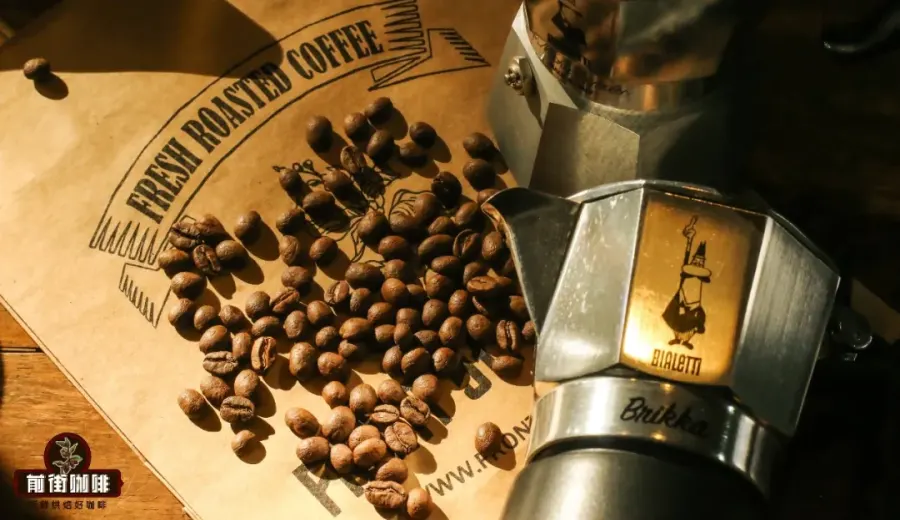
Introduction:Want to brew rich, full-bodied coffee with captivating crema using a moka pot? This article delves into the perfect pairing of medium-dark roasted coffee beans and the moka pot, breaking down key steps from the device’s structure and heating method to grind size and water temperature control. Not only will it help you master the techniques, but it also provides practical details so you can brew moka pot coffee at home that rivals that of a professional Italian café.
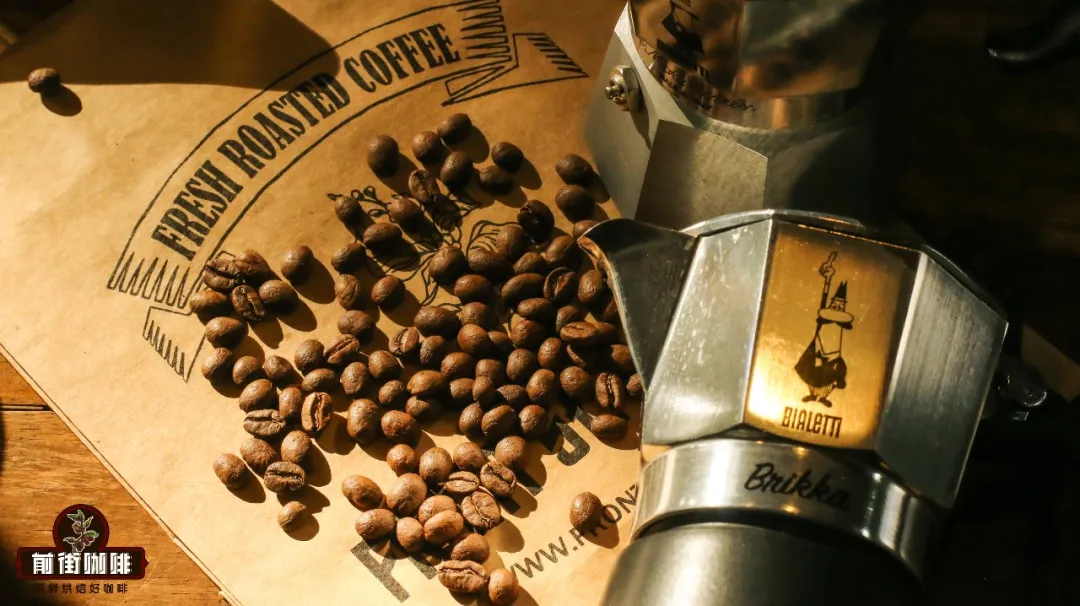
Thanks to its high-temperature, pressurized extraction characteristics, the moka pot can produce coffee with concentrated flavors and intense body. Since its invention in 1933 by Italian Alfonso Bialetti, it has become a classic appliance in many European households, especially in Italian kitchens. This article starts with the basic structure and principles of the moka pot, explains how different materials and heating methods affect extraction, and shares practical tips on water temperature control, grind fineness, and heating rhythm in detail—helping you use medium-dark roasted beans to brew layered, crema-rich coffee.
Unlike typical drip or pour over methods, the moka pot uses steam pressure generated by heating the lower chamber to force hot water through a bed of coffee grounds, extracting a concentrated coffee liquid. This pressurized extraction method makes moka pot coffee closer in flavor to espresso, especially appealing to those who enjoy a bold mouthfeel. Early moka pots were mostly made of aluminum and required open flames, while modern versions are often stainless steel, compatible with induction and halogen stovetops for more convenient use. Commercially available moka pots come in various sizes, including single, double, and multi-serving, with 2–3 cup versions being the most common and suitable for family or small gatherings.
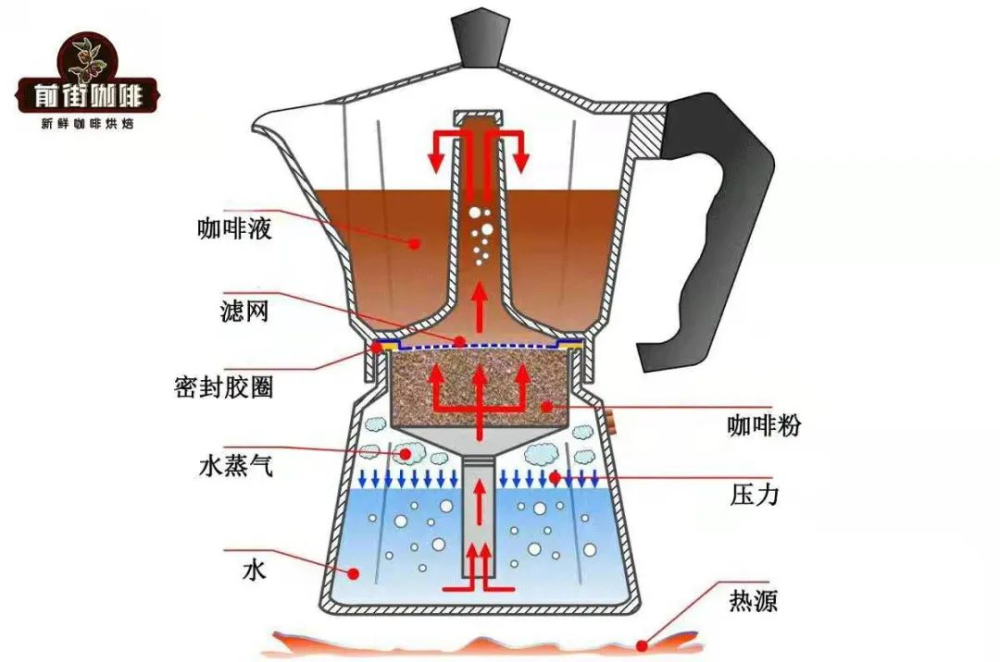
The moka pot mainly consists of three parts: the upper chamber holds the brewed coffee, the middle funnel holds the ground coffee, and the lower chamber contains water and is responsible for heating. When the lower chamber is heated, water turns into steam, gradually increasing pressure and pushing the water up through the central tube, passing through the coffee grounds in the funnel to extract aroma and flavor compounds, which then gather in the upper chamber. This extraction method fully highlights the coffee’s richness and depth, making it ideal for medium-dark roasted beans that enhance the flavor’s concentration.
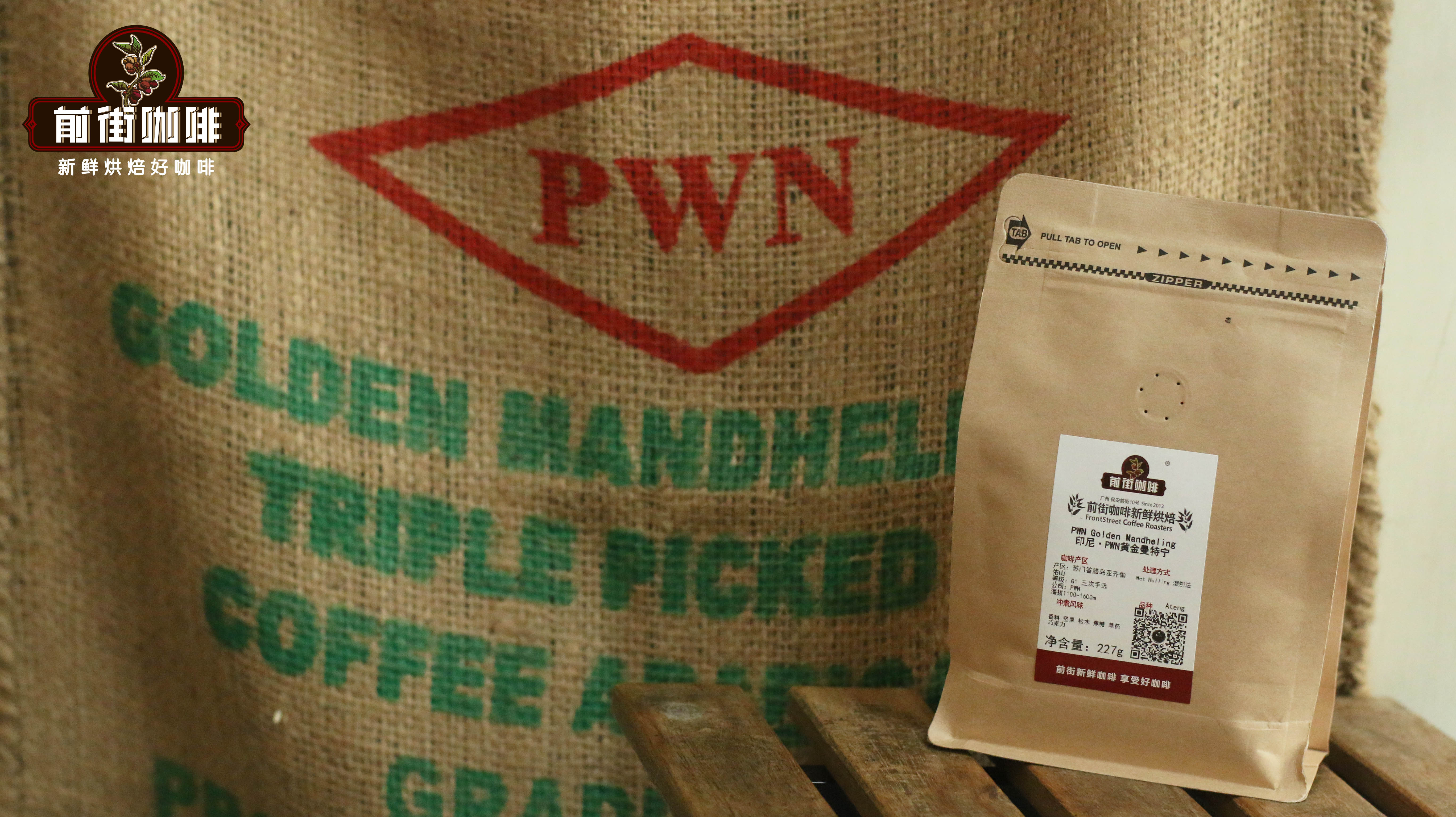
Before starting extraction, you’ll need freshly roasted coffee beans, a heating device (such as a gas stove or halogen stove), a grinder, and clean water. It’s recommended to choose coffee beans roasted to a medium-dark level, as these beans can deliver a rich taste without excessive bitterness from over-extraction. Note that the optimal flavor window for coffee beans is usually within 40 days post-roast; beyond this period, aroma and flavor compounds significantly decline, so selecting fresh beans is crucial.
If you want to experience the signature crema texture and full body of moka pot coffee, medium-dark roasted blends are recommended. These beans undergo moderate caramelization, releasing rich aromas and oils. During the pressurized extraction process, the high pressure helps fully release these volatile compounds and oils, forming an attractive crema layer. Additionally, medium-dark roasting helps showcase a solid mouthfeel and deep notes of dark berries and chocolate, making it suitable for drinking black or with milk.
To brew more intense coffee with a moka pot, precise control over water temperature, coffee-to-water ratio, and heating is essential. First, when adding water to the lower chamber, the water level should be about 0.5 cm below the safety valve—this typically amounts to around 100 grams of water, paired with 20 grams of coffee grounds, resulting in a coffee-to-water ratio of approximately 1:5. Using cold water not only prolongs brewing time but can also lead to over-extraction and off-flavors, so it’s recommended to preheat the water to above room temperature to shorten extraction time and maintain stable flavor.
In terms of grind size, the moka pot requires a grind between pour over and espresso—finer than standard pour over but slightly coarser than commercial espresso grind. Grinding too fine can cause excessive resistance, leading to high pressure, coffee spraying, or even scalding risks; grinding too coarse results in fast water flow and under-extraction. After grinding, gently level the coffee grounds in the funnel with your fingers to ensure an even bed, which helps stabilize water flow.
Once the funnel is loaded, securely attach the upper and lower chambers and place them on the heating device. An electric ceramic stove is recommended for its even heat distribution and easy flame control. At the start of heating, a slightly higher flame is fine until you hear a hissing sound from inside the pot—this indicates that water has begun turning to steam and pressure is building. At this point, reduce the flame and open the upper chamber lid to observe the coffee slowly starting to flow out.
When the coffee in the upper chamber reaches about half full, you can turn off the heat. The remaining extraction will be completed using the residual pressure and heat inside the pot. This step not only prevents over-extraction but also helps preserve balanced flavors. Be cautious—the moka pot is made of metal, and both the body and spout become extremely hot during use; it’s advisable to use heat-resistant gloves or a towel when handling.
The brewed coffee has a rich flavor, low acidity, and high body, making it ideal for those who prefer bold tastes. You can enjoy it straight or adjust it with milk to your liking. If using freshly roasted medium-dark beans, their natural notes of caramel, dark chocolate, and nuts will be more pronounced, and a delicate crema layer may form on the surface, adding complexity to both texture and aroma.
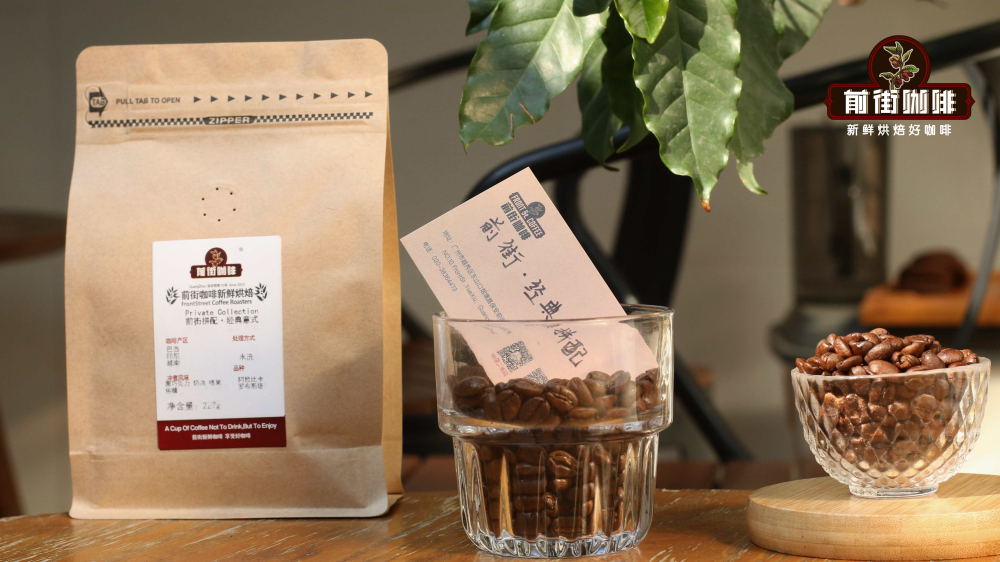
If you want moka pot coffee with rich crema and intense aroma, choosing freshly roasted, medium-dark beans with appropriate roast levels is key. As roasting time extends, gases in the coffee beans gradually dissipate, affecting crema release during pressurized extraction. Generally, coffee beans within 5–30 days post-roast have peak flavor and reactivity, making them ideal for high-pressure brewing methods like the moka pot. Proper storage away from light and air can help extend their optimal flavor period.
The above content is compiled by CoffeeHunters, a coffee news website.


