







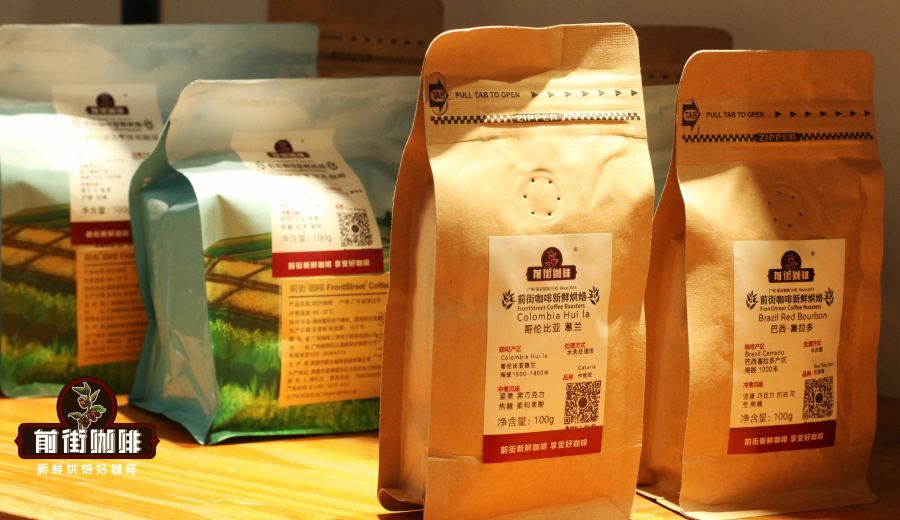
Introduction:The Huila region of Colombia is renowned for its high-altitude advantages and delicate processing techniques. Its coffees often boast rich aromas of chocolate, nuts, and caramel, making them a top choice for many specialty coffee enthusiasts. This article delves into the geographical environment, climate conditions, and washed processing characteristics of the Huila area, analyzing the origins of its balanced and full-bodied flavors. It also introduces a popular washed Caturra bean suitable for various brewing methods, helping you better understand this standout Central and South American specialty coffee.
The Huila (Huila) region of Colombia is located in the hilly areas at the southern end of the Andes Mountains, with altitudes exceeding 1,500 meters. Such geographical conditions provide an ideal growing environment for coffee trees. At high altitudes, the temperature difference between day and night is significant, slowing the ripening process of coffee cherries. This helps accumulate nutrients and flavor compounds, while also resulting in denser coffee beans that ultimately deliver richer and more layered taste profiles.
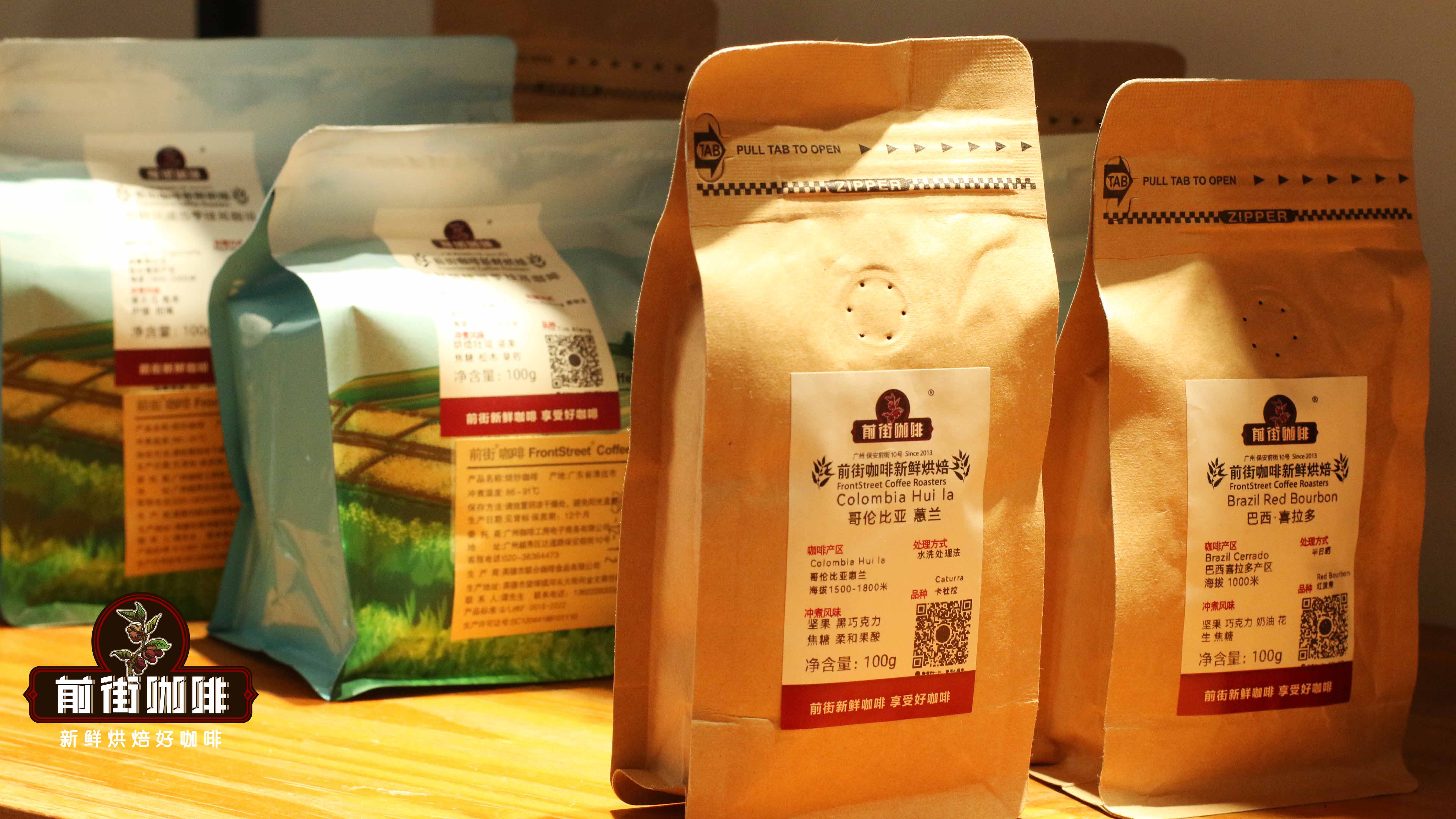
This region, situated in the southwest of Colombia, though characterized by rugged terrain within its administrative boundaries and relatively limited transportation and basic agricultural infrastructure, is compensated by its exceptional natural conditions. Several major rivers flow through the area, not only providing a stable irrigation water source but also creating a high-humidity microclimate highly suitable for coffee tree growth. Coffees cultivated in such an environment often exhibit intense nutty notes, bold dark chocolate flavors, and moderate caramel sweetness, solidifying its status as a representative of specialty coffee.
Many coffees from the region are processed using the washed method, which effectively removes the pulp and impurities while preserving the beans' purest flavor characteristics. Washed processing not only makes the acidity of the coffee brighter and clearer but also helps bring out delicate sweetness and a clean aftertaste. In Huila, many small farms consolidate their harvests into "micro-lots," using refined cupping selections to bring the beans with the most flavor potential to market — a key trend in the specialty coffee market in recent years.
Among them, the Caturra variety is widely planted in the region due to its adaptability to high altitudes and ease of management. This Arabica mutation originating from Brazil features bright acidity and rich fruit tones. After washed processing, it often exhibits flavors of nuts, dark chocolate, and hints of cocoa. When slightly cooled, soft citrus or red berry acidity can also be detected, delivering an overall very balanced and smooth drinking experience.
Many people’s first encounter with Huila coffee is often amazed by its rich yet delicate chocolate flavor. The formation of this flavor is closely related to both the variety and processing method,but light conditions and shaded planting also play a crucial role.Moderate shading can reduce the overly intense midday sunlight, minimizing sugar consumption in the coffee cherries, allowing aromatic compounds and acidity to develop more fully, thereby shaping a deep and layered chocolate tone.
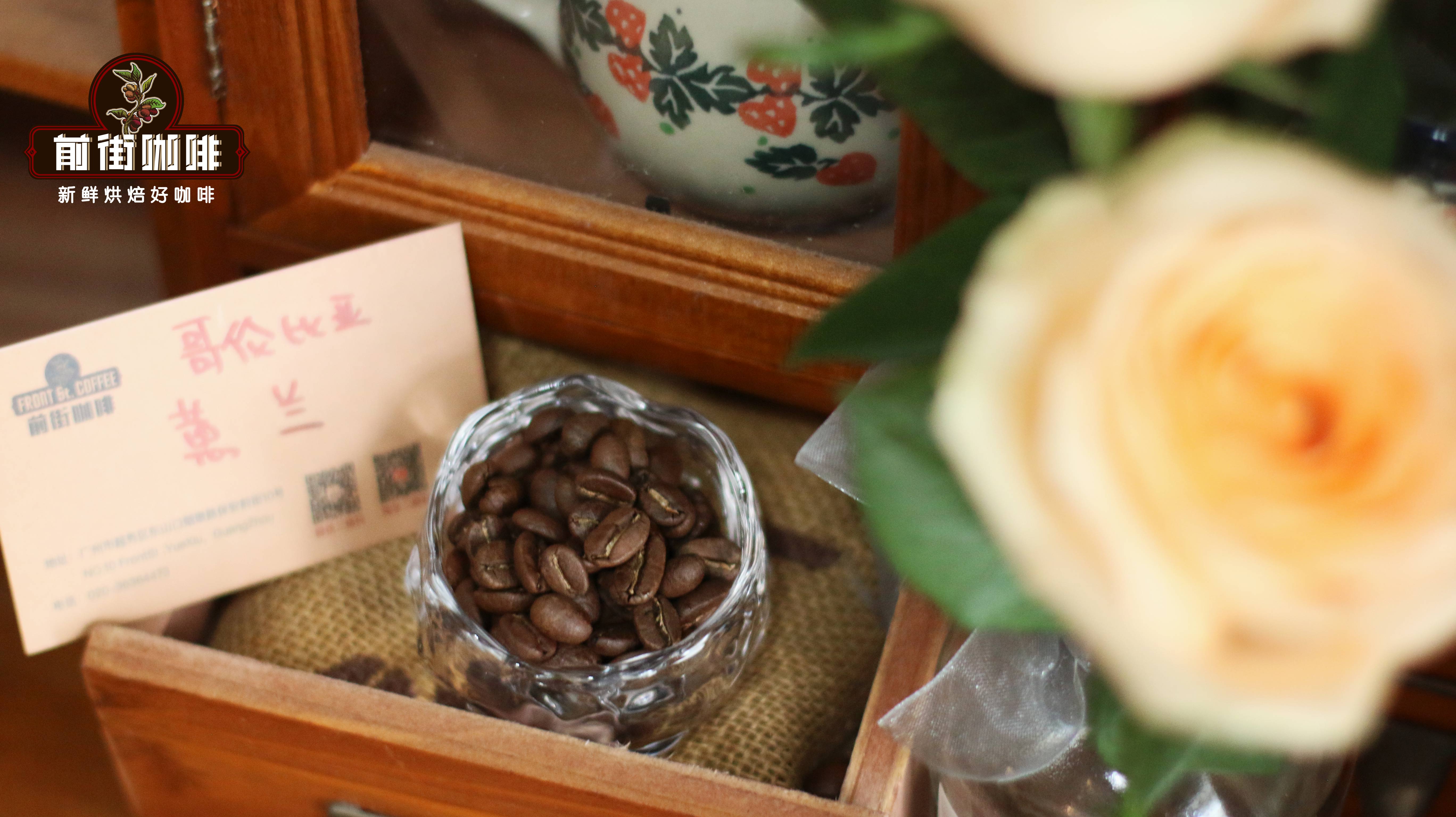
Compared to other Colombian regions known for balanced and full-bodied profiles, many micro-lot coffees from Huila exhibit more distinct individuality and regional characteristics. Their flavor profiles are clear, with common descriptors including “rich dark chocolate,” “nutty shortbread,” “caramel pudding,” and subtle hints of citrus or floral notes. This multi-layered flavor spectrum makes it appealing not only to those who enjoy sweet flavors but also to coffee lovers seeking complexity.
In terms of brewing applications, the washed Caturra coffee beans from the Huila region are highly versatile. Whether extracted as espresso using an espresso machine, savored through pour over methods, or brewed with tools like French press, moka pot, or siphon, they all showcase their full-bodied base and delicate aromas. For pour over, it is recommended to try medium-light to medium roasting levels, with water temperature controlled at 90–93°C and grind size around medium-fine (similar to granulated sugar), to highlight its chocolate and nutty main notes while bringing out delicate fruit acidity and sweetness.
In summary, the Huila region of Colombia, with its unique altitude conditions, washed processing techniques, and micro-lot selection model, produces one outstanding specialty coffee after another with distinctive flavors and rich layers. If you enjoy coffee with a chocolate-forward profile that still maintains delicacy and balance, the Huila region is definitely worth trying and serves as an excellent starting point for exploring the diverse facets of Colombian coffee.
The above content is compiled by CoffeeHunters, a coffee news website.


