







Category: Coffee Knowledge

How to Choose Blended Coffee Beans? Exploring the Advantages and Recommendations of Espresso Blends Through Crema and Flavor
Blended coffee beans are not just about reducing costs — they are crafted to deliver a stable and layered extraction experience. This article delves into the advantages of espresso blends, including their rich crema and balanced flavor profile. It also offers practical recommendations for different taste preferences, such as bold and rich, fruity highlights, or nutty tones, helping you brew Americanos and lattes at home that rival café-quality standards. [more…]
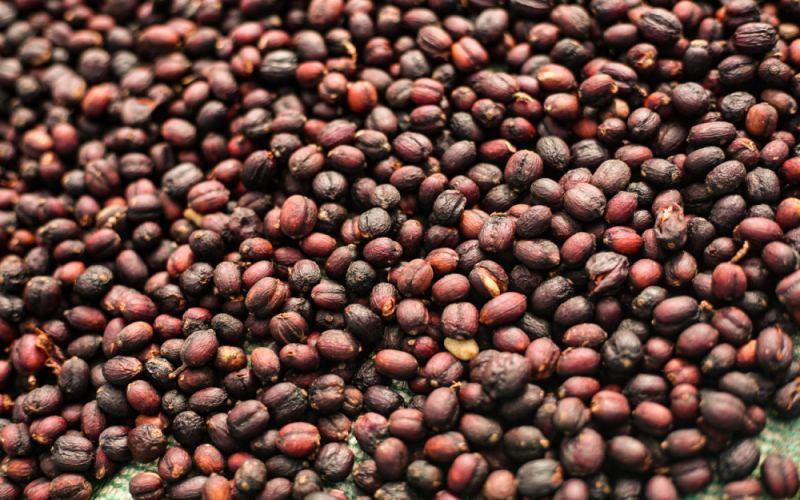
How to brew Ethiopian Guji Hambella Huagu Little Beans using pour over? Flavor differences and grind size recommendations
An in-depth analysis of the Huagu Little Beans from Ethiopia's Guji Hambella region, covering everything from the terroir and historical evolution to the flavor profile. Includes a comparative cupping evaluation between the little Huagu beans and Huagu 5.0. Provides professional pour over grind size and parameter settings to help coffee enthusiasts master the brewing techniques for this popular bean. [more…]

Yunnan Small-Bean Coffee: Variety Analysis, Planting Insights, and Brewing Tips — Exploring the Flavor Differences Between Typica and Catimor
In recent years, Yunnan small-bean coffee has garnered significant attention, yet its flavor and quality vary greatly depending on the variety and processing methods. This article takes an in-depth look at the two major varieties cultivated in Yunnan—Typica and Catimor—analyzing their genetic backgrounds, flavor profiles, planting conditions, and processing trends. It also offers practical pour over parameters and roasting recommendations to help you better understand the potential and challenges of this homegrown Chinese coffee. [more…]
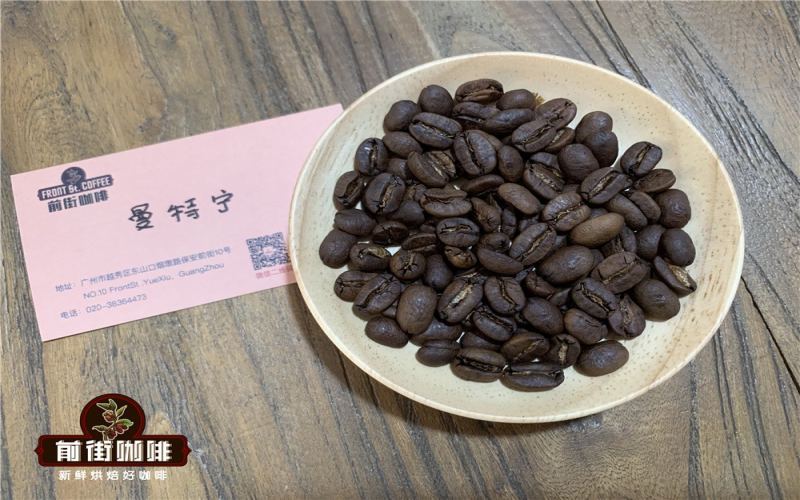
A Comprehensive Guide to Indonesian Mandheling Beans: Origin, Wet-Hulling Process, Flavor, and Variety Evolution
Delve into the past and present of Indonesian Mandheling coffee—from legendary history to modern cultivation—exploring Sumatra’s two core growing regions, the classic wet-hulling processing method, and distinctive varieties such as Typica and Catimor. Through in-depth analysis, discover why Mandheling has become a flagship representation of Asian Arabica, and gain insights into brewing recommendations and flavor profiles. [more…]

Analysis of Flavors and Roasting Recommendations for the World’s Top Ten Coffee Regions | Pour Over Bean Selection Guide
From the hillsides of Brazil to the highlands of Ethiopia, the world’s major coffee regions produce distinct flavors due to differences in geology, altitude, and climate. This article provides an in-depth analysis of the growing environments, bean variety characteristics, grading standards, and optimal roast levels of major producing countries such as Brazil, Colombia, and Ethiopia. It also offers practical pour over recommendations to help coffee enthusiasts fully grasp regional characteristics from bean selection to brewing. [more…]

Complete Guide to Brazilian Cerrado Coffee Beans: Flavor Profile & Best Pour Over Parameters
Want to understand the essence of Brazilian coffee? This article delves into why Brazil is the world’s largest coffee-producing country, introduces the distinctive characteristics of its six major coffee regions, and focuses on the bean varieties from the Cerrado region. Whether you prefer a low-acidity, full-bodied taste or want to master stable pour over brewing techniques, this guide provides detailed information on bean varieties, regional geography, and practical pour over parameters to help you better appreciate the unique charm of Brazilian coffee. [more…]
Flavor Analysis of Brazilian Red Bourbon & Yellow Bourbon Coffee | Complete Guide to Best Harvest Seasons & Processing Methods
Want to uncover the secrets of Brazil, the world’s largest coffee-producing country? This article delves into the harvesting timings of Brazil’s major coffee regions and focuses on the unique flavor profiles of two popular varieties—Red Bourbon and Yellow Bourbon. Whether you’re a pour over beginner or a roaster seeking new beans, you’ll find inspiration in the balanced sweetness and layered fruitiness of Brazilian coffee. [more…]
A Complete Guide to Brazilian Coffee: Processing Methods and Varieties from Commercial to Specialty
Brazil is not only the world’s largest coffee producer but is also gradually showcasing its unique charm in the specialty coffee market. From common commercial blends to refined pour over beans, Brazilian coffee stands out with its diverse processing methods and stable regional characteristics, making it an essential choice for many coffee enthusiasts. This article will delve into Brazil’s major coffee varieties, the features of its three main processing methods, and how to identify its flavor profiles, helping you better understand the multifaceted world of this major coffee-producing country. [more…]
Analysis of the Yunnan Catimor Coffee Variety | A Complete Guide to Its Flavor Characteristics and Cultivation
As the primary coffee variety cultivated in Yunnan, Catimor has long been favored for its adaptability and high yield, but it has also repeatedly faced criticism for its subpar flavor performance. This article will comprehensively explore the breeding origins, global distribution, and cultivation characteristics of Catimor, delve into an in-depth analysis of its cupping profile, with a special focus on how the Yunnan growing region has overcome limitations to showcase its unique strengths. Additionally, it shares practical golden Mandheling pour over recommendations and key insights on its sub-varieties. [more…]
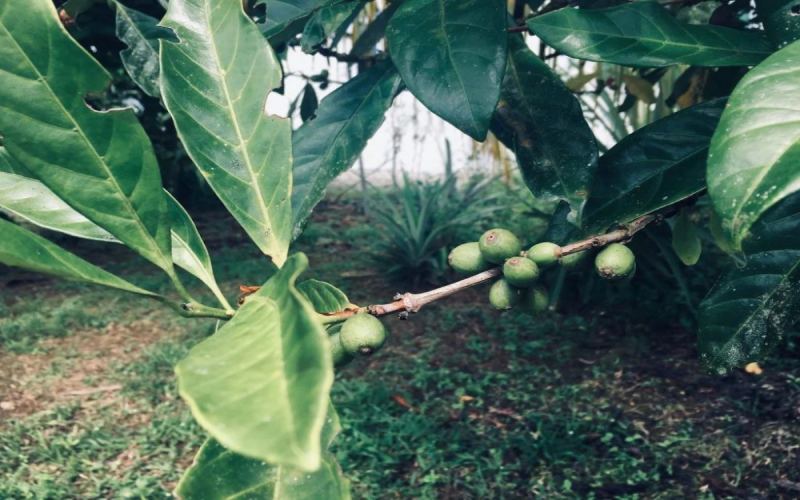
Typica and Bourbon: Flavor Analysis and Cultivation Characteristics of Arabica’s Two Classic Subvarieties
An in-depth exploration of the three major commercial coffee bean varieties globally: Arabica, Robusta, and the rare Liberica, with a focus on the most representative Typica and Bourbon subvarieties under Arabica. From their origins in Ethiopia to their development after being transplanted around the world, this article details the differences between these two varieties in terms of plant characteristics, yield, suitable altitude, and flavor profiles. With examples such as Blue Mountain and South Minas Red Bourbon, it also provides practical pour over recommendations and extraction parameters to help you fully grasp [more…]
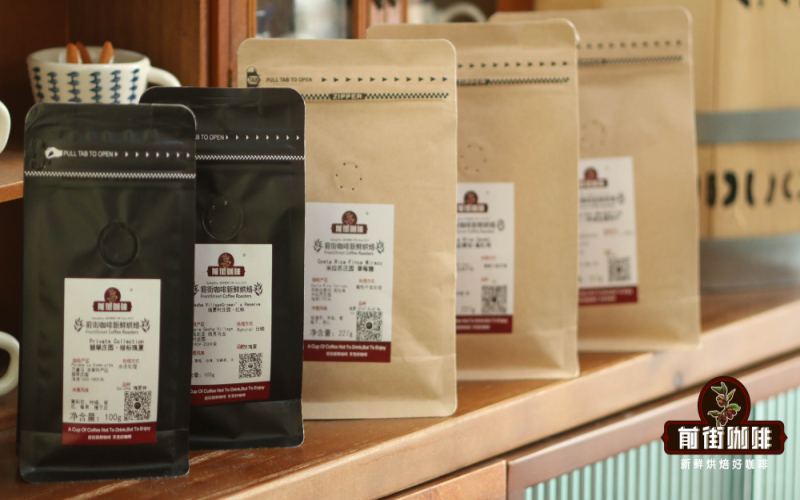
A Complete Guide to Yirgacheffe Kochere Coffee: Washed vs. Natural Differences, Flavor Profiles & Pour Over Recommendations
Yirgacheffe Kochere is a highly representative specialty coffee region in southern Ethiopia, renowned for its distinctive bright acidity and delicate floral notes. This article delves into the notable flavor differences between the washed and natural processing methods used in this region, details the physical characteristics of both green and roasted beans, discusses suitable roast levels, and provides practical pour over extraction parameters and steps. Whether you're a beginner or an advanced coffee enthusiast, you'll find valuable insights for tasting and brewing inspiration here. [more…]

Complete Guide to Yirgacheffe Red Cherry: From Region to Brewing, Exploring Flavor Differences Between Natural and Red Honey Processing
Yirgacheffe Red Cherry is a classic favorite among many coffee enthusiasts, but do you know about the Red Cherry Project behind it, or the flavor differences brought by natural and red honey processing? This article delves into the regional characteristics, processing techniques, and roast profiles of this G1-grade coffee bean. Through hands-on comparisons using single-pour and three-stage pouring methods, it helps you understand how different brewing techniques affect flavor and mouthfeel—making it a practical guide to exploring the flavors of Yirgacheffe. [more…]
The Origins, Flavor Profile, and Pour Over Roasting & Brewing Guide for the Yirgacheffe Red Cherry Project
The Red Cherry Project does not refer to coffee tasting like cherries, but originates from a quality improvement initiative launched by the Dutch company Trabocca. It focuses on selecting fully ripe coffee cherries from smallholder farms in Ethiopia. This article will delve into the background and operational model of the Red Cherry Project, as well as the renowned Yirgacheffe Red Cherry coffee beans processed with natural and washed methods under this initiative. From the growing environment and processing methods, to flavor characteristics, and the brewing techniques and parameters suited for both light-to-medium and medium-to-dark roasts, we’ll guide you through it all. [more…]
In-depth Analysis of Ethiopian Yirgacheffe Red Cherry Beans: A Complete Guide from Region, Processing to Brewing
Yirgacheffe is often the first choice for many coffee beginners exploring specialty coffee, thanks to its bright acidity and refreshing aroma that leave a deep impression. This article takes an in-depth look at the regional background, processing methods and grading, the origin of the Red Cherry Project, and provides a detailed breakdown of the roast curve design, cupping flavor profile, and practical pour-over parameters — guiding you from origin to cup to fully understand this classic coffee bean known as the "fruit bomb." [more…]
Beginner's Guide to Italian Blend Coffee Beans: From Roasting, Flavor to Practical Recipes
The blend beans commonly used in Italian-style coffee actually involve many nuances. This article will delve into the origins of Italian blends, their differences from single-origin beans, and compare the pros and cons of two processing methods: blending green beans (生拼) and blending roasted beans (熟拼). It also introduces you to the recipes and flavor characteristics of four practical blends, helping you master the key points of bean selection and brewing, making it easier whether you're using them at home or running a coffee shop. [more…]

How to Choose Italian Coffee Beans? A Complete Guide to Blends vs. SOE, Roast Levels, and Extraction Settings
To brew a rich and balanced espresso, choosing the right coffee beans is key. This article provides an in-depth analysis of the characteristics of Italian-style coffee beans—from blending logic, roast levels, to the proportion of Robusta beans—helping you understand why most cafés opt for blends. It also breaks down four different Italian blend recipes along with their actual flavor profiles, and details core parameters such as water pressure, temperature, grind size, and extraction time. Whether you’re a coffee enthusiast or shop owner, you’ll find guidance on crafting great espresso for lattes and cappuccinos. [more…]
Drinking Tea in Winter for Health: 4 Major Benefits + Herbal Tea Selection Guide
In the cold winter months, a cup of warm tea not only warms your body but also boosts your health. This article delves into how tea can promote metabolism, regulate mood, prevent colds, and invigorate the mind, while sharing practical suggestions for pairing herbal teas to help you enjoy the aroma of tea along with multiple health benefits. [more…]

A Complete Guide to Sumatra Mandheling Coffee: Wet-Hulled Processing, Golden Mandheling & Pour Over Parameters
Sumatra Mandheling coffee is renowned for its bold, rich flavor and unique processing method. However, many people still have only a vague understanding of its origins, what sets wet-hulling apart, or how Golden Mandheling differs from regular Mandheling. This article provides an in-depth look at the production regions, processing techniques, and flavor profiles of various types of Mandheling (such as Lintong, aged, Tiger, and Golden Mandheling), along with practical pour over and roasting parameters to help you gain a more comprehensive understanding of this classic coffee. [more…]
Moka Pot Brewing Without Bitterness: A Guide to Grind Size, Heat Control, and Dark Roast Beans
The moka pot is a classic brewing device found in many coffee lovers’ homes, capable of quickly extracting rich, strong coffee. However, improper use can easily lead to over-extraction and bitterness. This article delves into the working principles of the moka pot, explores the main causes of bitter coffee, and offers practical adjustment tips—such as grind size, when to turn off the heat, and selecting the right roast level. At the same time, it guides you step-by-step through the correct brewing process so you can easily brew bold, non-bitter moka coffee. [more…]
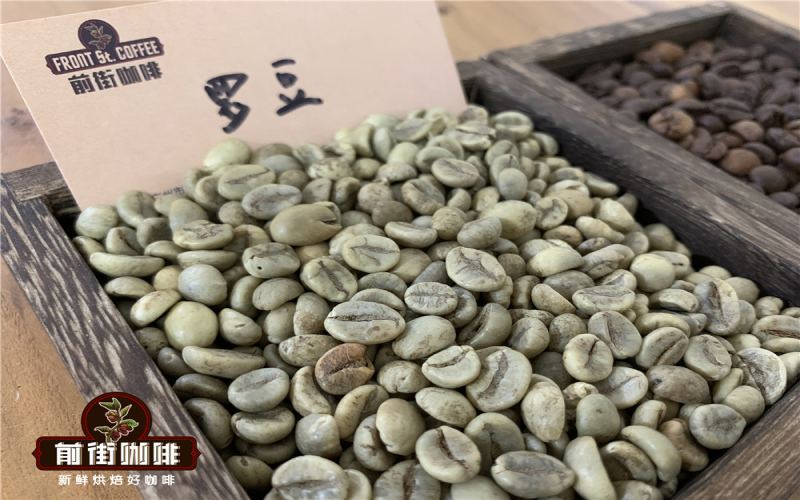
Why Are Robusta Coffee Beans Still Widely Used? Analyzing the Cause of Bitterness and Practical Value
Robusta coffee beans are often regarded as inferior due to their pronounced bitterness and simple flavor profile, yet they actually play a crucial role in the commercial coffee market. This article delves into the botanical characteristics of Robusta, the reasons behind its high yield, and the chemical compounds that contribute to its unique flavor, while also analyzing how it plays an important part in instant coffee and espresso blends. Understand the science behind the bitterness and how proper processing and roasting can enhance its performance. [more…]