







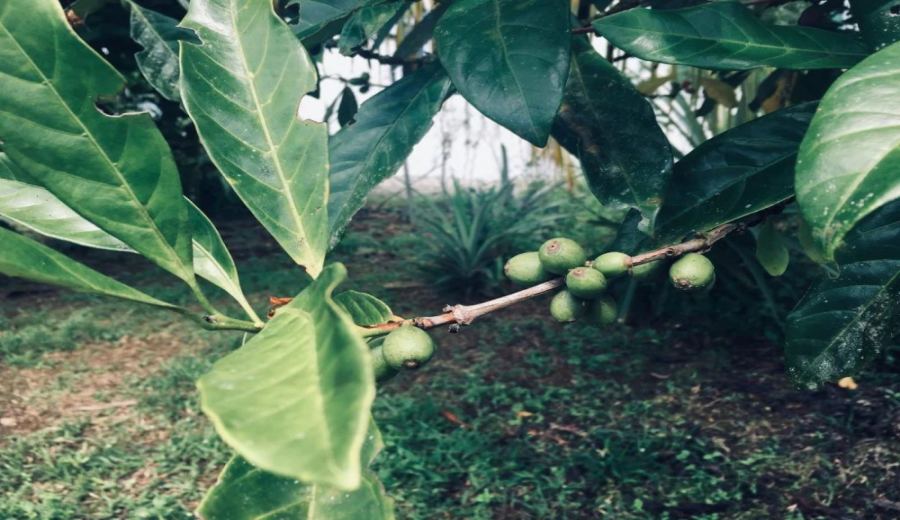
Introduction:Dive deep into the three major commercial coffee bean varieties: Arabica, Robusta, and the rare Liberica, while focusing on the most representative Arabica sub-varieties—Typica and Bourbon. From their origins in Ethiopia to their global transplantation, this article explores the differences between these two varieties in terms of plant characteristics, yield, ideal altitude, and flavor profiles. With examples like Blue Mountain and Red Bourbon from South Minas, it also provides practical pour over recommendations and extraction parameters to help you fully appreciate the charm of classic coffee lineages.
Did you know? The coffee beans circulating in the global market can generally be divided into three main varieties: Arabica, Robusta, and the relatively rare Liberica. Among them, Arabica accounts for over 60% of global production and is considered the representative of high-quality coffee due to its delicate flavors and balanced acidity and sweetness. This article will introduce you to the basic characteristics of these three major coffee bean types and take an in-depth look at the two most historically and culturally significant Arabica sub-varieties—Typica and Bourbon—from their origins, plant morphology, yield differences, to flavor profiles and suitable brewing methods.
First, let’s talk about Arabica, the most widely known cultivated variety, beloved by coffee enthusiasts for its elegant aroma and multi-layered flavors. Generally, Arabica coffee beans prefer high-altitude environments, requiring stable rainfall and moderate shade. The beans are typically long and oval-shaped, with pronounced acidity but well-balanced against bitterness. In contrast, Robusta exhibits entirely different characteristics: it withstands high temperatures, has strong disease resistance, adapts to a wide range of altitudes, and can grow in environments with uneven rainfall, making it common in tropical regions like Vietnam and Indonesia. Robusta contains twice the caffeine of Arabica, with a distinctly bitter taste and weaker aroma, but it is highly suitable for making espresso or instant coffee products.
As for Liberica, it is the rarest of the three varieties. Its beans are significantly larger and often irregular in shape, which is extremely uncommon among commercial beans globally. Liberica boasts a unique smoky aroma, along with layers of fruity and floral notes. However, due to its challenging cultivation and scarce yield, it is mostly used for research or special purposes and is rarely seen on the market.
Next, let’s focus on two classic Arabica sub-varieties—Typica and Bourbon. These two varieties are regarded as the genetic cornerstones of modern Arabica coffee. Genetic research shows that they both originated from the original seeds introduced to Yemen from the southwestern Ethiopian coffee forests in the early days. Subsequently, these seeds spread from Yemen to India, Java, and various producing regions in Africa and the Americas, laying the foundation for global coffee cultivation.
Typica was first introduced to Yemen between the 15th and 16th centuries and appeared in India around the year 1700. It was then brought from the Malabar Coast of India to Java (now Indonesia) in 1696 and 1699, becoming the origin of today’s Typica lineage. Bourbon, on the other hand, was introduced to Réunion Island (formerly known as Bourbon Island) by the French multiple times between 1708, 1715, and 1718. Although early introductions had low success rates, it eventually took root and spread to Africa in the 19th century via French missionaries, becoming the parent of many modern varieties.
In terms of plant morphology, Typica is a tall tree species, reaching heights of 3.5 to 4 meters, with a distinct conical shape. The angle between the main trunk and lateral branches is about 50 to 70 degrees, giving it an overall open structure. However, it has a low yield but boasts exceptionally high cupping quality. In comparison, Bourbon trees are slightly shorter but yield 20% to 30% more than Typica. They have a denser canopy, with abundant secondary branches that form smaller angles with the main trunk, and broader leaves with wavy edges. Bourbon coffee cherries ripen quickly and are prone to dropping during strong winds or heavy rain, making it suitable for planting at altitudes between 3,500 and 6,500 feet. Its flavor performance is equally excellent, comparable to Typica.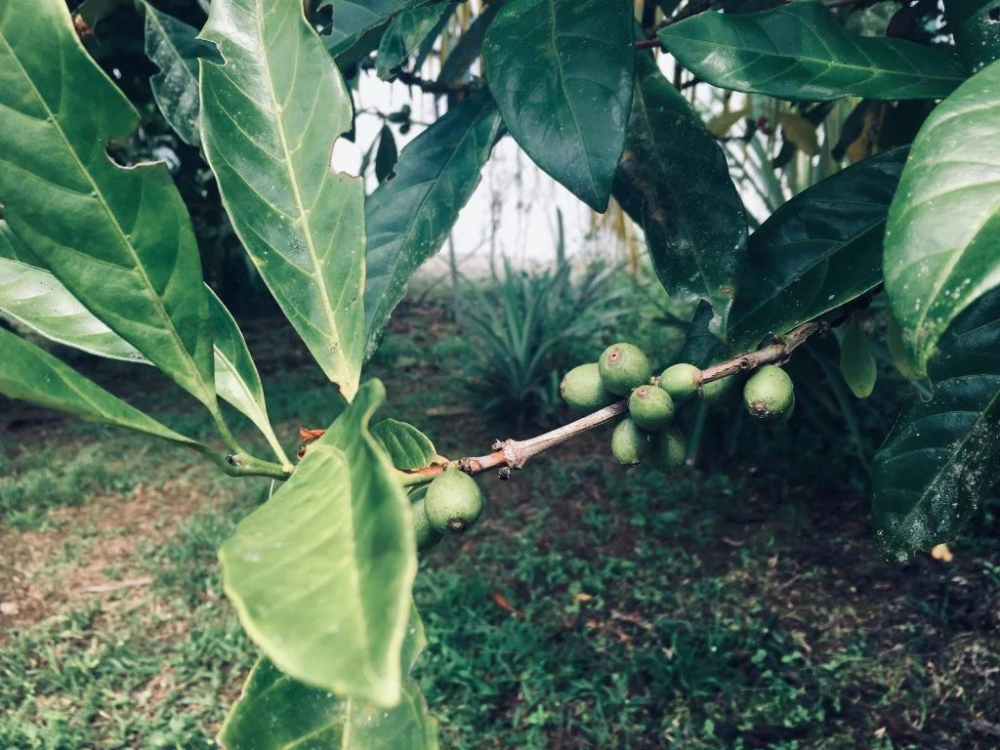
In terms of flavor, Typica is known for its elegant floral and fruity notes, with a refreshing and layered taste profile. For example, Blue Mountain from the Clydesdale Estate in Jamaica is a classic representation of Typica. It is recommended to use a Kono filter, with a water temperature set at 88°C, a medium-coarse grind size, and a 1:15 coffee-to-water ratio. Start with a 30-second bloom using 30 grams of water, then pour up to 125 grams, and finally add water up to 225 grams. The resulting coffee is smooth on the palate, featuring subtle citrus acidity, nutty mid-palate, and a dark chocolate finish, with excellent balance.
Bourbon, on the other hand, showcases rich, bold chocolate and nutty tones with soft acidity. Take Red Bourbon from the South Minas region as an example, processed using the honey method. Using brewing parameters similar to those for Blue Mountain, it can present vibrant tropical fruit aromas, a smooth mouthfeel, and a warm aftertaste, serving as a classic interpretation of Brazilian coffee flavors.
Beyond the original varieties, Typica and Bourbon have also given rise to numerous well-known varieties and hybrid strains. Within the Typica family, Maragogype, known as “elephant bean” for its large size, often exhibits distinct regional terroir characteristics; Pache Comum is a dwarf variety suitable for dense planting to increase yield per unit area; SL34 is a classic Kenyan variety known for its complex lemon acidity and clean sweetness. As for the Bourbon family, Caturra is an important Brazilian variant with high yield and bright acidity; Villa Sarchi features delicate fruitiness and excellent sweetness; and Gesha is a top-tier variety originating from Gesha Village in Ethiopia, renowned for its floral and fruity aromas and high auction prices.
Finally, hybrid varieties of Typica and Bourbon, such as Mundo Novo, Pacamara, and Catuai, each have their own distinctive traits. Mundo Novo combines the strengths of both, with outstanding sweetness; Pacamara is known for its full body and diverse flavors; Catuai, with its wind and rain resistance, high yield, and bright acidity, has become a staple variety in many producing regions. Understanding these classic lineages and their descendants helps to gain deeper insight into the diverse sources of coffee flavors and their cultivation backgrounds.
The above content is compiled by CoffeeHunters, a coffee news website.


