







Introduction:Yirgacheffe Kochere is an exceptionally representative specialty coffee region in southern Ethiopia, renowned for its distinctive bright acidity and delicate floral notes. This article delves into the notable flavor differences between the washed and natural processing methods in this region, detailing the physical characteristics of both green and roasted beans, suitable roast levels, and providing practical pour over extraction parameters and steps. Whether you're a beginner or an advanced coffee enthusiast, you can gain valuable tasting and brewing inspiration from it.
As one of Ethiopia's most iconic specialty coffee regions, Yirgacheffe has earned high praise from coffee lovers worldwide for its fresh, bright fruit acidity and elegant floral flavors. Among its many micro-regions, Kochere (Kochere), located in the southern part of the area, is even hailed as one of the top coffee sources in southern Ethiopia. Its washed and natural processed coffee beans each have their own charm, making it an excellent starting point for a deeper understanding of Ethiopian coffee.
The Kochere region is situated on a plateau at an altitude of 1,650 to 1,800 meters, with the main harvest season being from November to December each year. The local coffee is mostly grown by smallholder farmers and managed in traditional ways, without the use of pesticides or chemical herbicides. As a result, even without organic certification, its green beans generally possess high quality and a naturally pure character. After the administrative division in 1995, this area became part of the Gedeo zone and is an important component of the Yirgacheffe micro-region, located about 25 miles from the well-known town of Yirgacheffe.
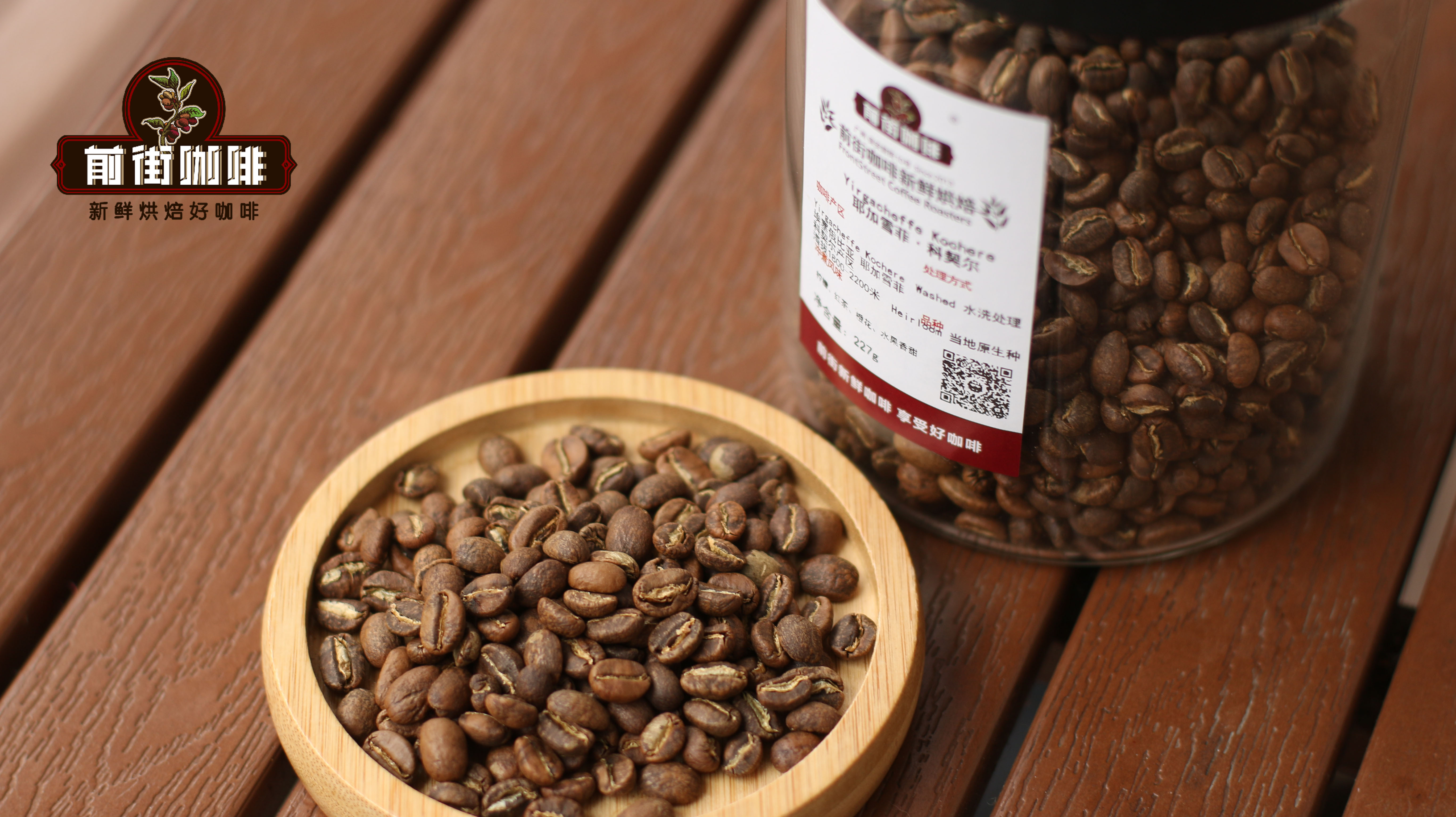
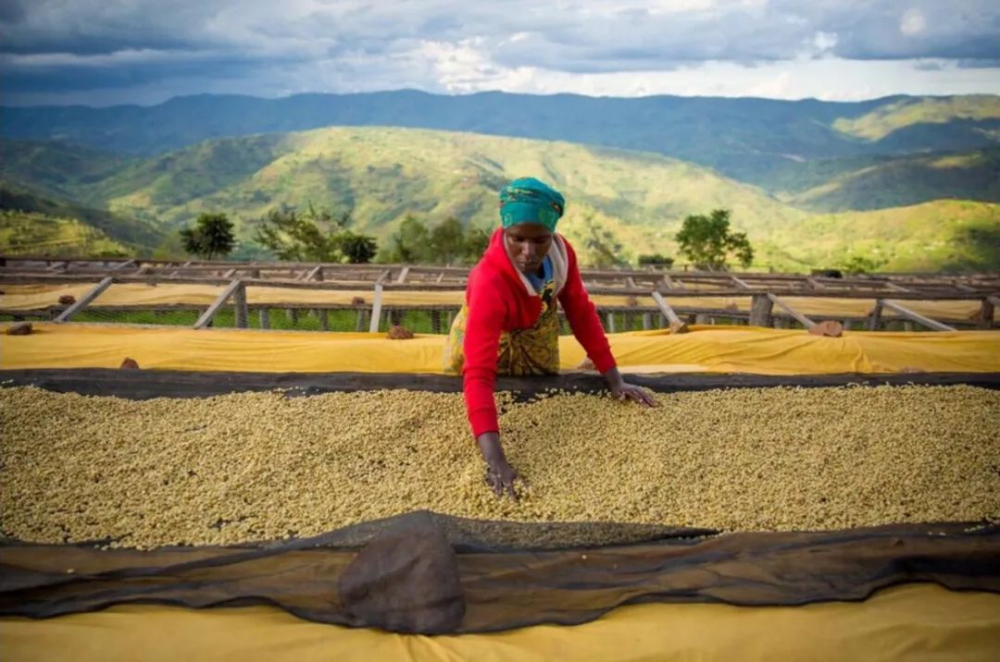
Yirgacheffe Kochere coffee beans are generally of G1 grade, with the variety being the heirloom native type, and are processed using the washed method. Compared to the natural process, the washed process requires more water but allows for more precise control over the fermentation process, enhancing the overall cleanliness and acidity of the beans. During drying, washed beans are evenly spread on elevated drying beds to ensure good ventilation and are regularly turned to avoid over-fermentation, resulting in a refreshing and layered flavor profile.
In terms of flavor, washed Yirgacheffe Kochere often exhibits pronounced lemon acidity, fresh jasmine floral notes, as well as tropical fruit tones such as berries, apples, and pineapple, with a clean and long-lasting aftertaste and a smooth, delicate mouthfeel. This "clarity" is precisely why many coffee enthusiasts favor the washed processing method.
The difference in processing methods directly influences the final flavor direction of the coffee. The natural process retains the coffee pulp and mucilage for natural fermentation and drying, usually bringing out richer fruit aromas, wine-like notes, and honey-like sweetness, with a fuller body and more complex flavor layers. In contrast, the washed method emphasizes clarity, bright acidity, and high aromatic notes, making it suitable for those who prefer a clean taste. Both processing methods have their unique merits and also showcase the diversity of Ethiopian coffee.
Observing the appearance of green beans, washed Yirgacheffe Kochere typically shows a vivid green color, with most of the silver skin already removed during processing, resulting in a smoother and glossier surface. In comparison, natural green beans tend to have a yellowish-green hue, with the silver skin often more intact. As for roasted beans, washed beans often show residual silver skin due to more inner silver skin, while natural beans, with more thorough shedding of outer silver skin, show less silver skin during grinding. These appearance details help consumers preliminarily judge the processing method and roast status when purchasing.
In terms of roasting, the team generally recommends using a light roast for Yirgacheffe Kochere to preserve the distinct characteristics of its tropical fruits. Moderate roasting can bring out subtle apple-like acidity, citrus notes, and delicate floral aromas, while transforming bitterness into part of the aroma, making the overall flavor more balanced and layered. It is recommended to use a semi-direct-fired roaster, such as the Yangjia 600g model, with a fast-roast mode. The charge temperature is about 200°C, and based on changes in bean color and aroma, gradually adjust the heat and air damper until the beans are dropped at about 192°C after the first crack, to lock in the optimal flavor window.
For extraction, washed Yirgacheffe Kochere is suitable for pour over using a V60 filter cone. It is recommended to control the water temperature at 92-93°C, with a powder-to-water ratio of 1:15, and a grind size of about 78% passing through a #20 sieve (similar to the coarseness of fine sugar). Use a three-stage pouring method: the first stage involves blooming with twice the amount of water (about 30g) for 30 seconds, the second stage pours water up to 125g and then segments, waiting for the coffee bed to drop before pouring up to 225g, with a total extraction time of about 2 minutes. These parameters can fully showcase its lemon and citrus-like fresh acidity, and bring out berry and tea-like aftertastes, with a refreshing mouthfeel and a long-lasting finish.
In summary, whether washed or natural, Yirgacheffe Kochere showcases the unique charm of Ethiopian coffee. The washed version excels with its fresh acidity and floral notes, suitable for those seeking a clean taste. The natural version, on the other hand, attracts coffee enthusiasts who enjoy complex flavors with its rich fruit aromas and full body. Understanding its green bean characteristics, processing differences, and suitable roasting and extraction methods will help you better appreciate the endless potential of this classic region.
The above content is compiled by CoffeeHunters, a coffee news website.


