








Introduction:Yunnan small-grain coffee has garnered significant attention in recent years, but its flavor and quality vary greatly depending on variety and processing methods. This article delves into the two major varieties primarily cultivated in Yunnan—Typica and Catimor—analyzing their genetic backgrounds, flavor profiles, cultivation status, and processing trends. It also provides practical pour over parameters and roasting recommendations to help you better understand the potential and challenges of this homegrown Chinese coffee.
Yunnan small-grain coffee, with its plump and uniform beans and rich, balanced flavor, is gradually making a name for itself in both domestic and international coffee markets. Among industry offerings, two products from Yunnan are commonly found on coffee menus—Catimor and Typica, which exhibit notable differences in flavor expression. In particular, Catimor, containing 25% Robusta genetics, often lacks the flavor complexity and purity of traditional specialty Arabica varieties like Typica. Although Yunnan boasts high altitudes and diverse microclimates ideal for coffee cultivation, the currently prevalent varieties and processing methods still limit its rise to internationally recognized specialty coffee status.
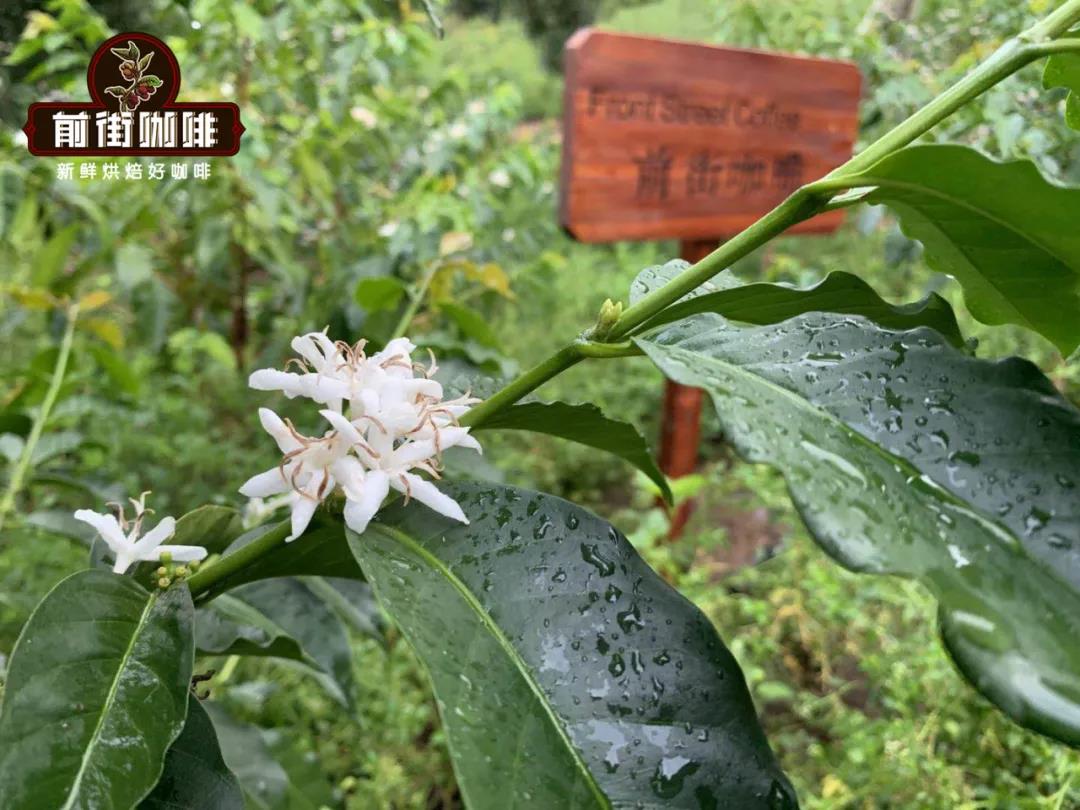
Yunnan coffee is often referred to as “small-grain coffee,” characterized by compact beans and a uniform appearance, delivering a rich yet mild taste when brewed. The continued promotion of the Yunnan growing region is due to it being a domestically cultivated and grown coffee, carrying unique cultural and geographical significance. However, large-scale production in Yunnan still mainly relies on Catimor, a variety widely planted for its ease of management and relatively high yield, but with limited quality and flavor potential. Moreover, some producers overly depend on innovative processing methods such as anaerobic fermentation, which can create distinctive flavors but often mask the coffee’s inherent regional characteristics and varietal essence.
When cultivating coffee in the border regions between Yunnan and Myanmar, three core elements are consistently emphasized: the right variety, suitable altitude, and compatible processing method—believed to be the key to showcasing clear regional flavors. This philosophy also aligns with the goals of the Yunnan Department of Agriculture in establishing a specialty coffee flavor map, aiming to clarify and standardize the sensory characteristics that Yunnan coffee should embody. However, many coffee farmers currently prefer to compensate for limitations in variety and altitude by altering processing methods, such as intensifying fermentation techniques. While market-driven, this approach overlooks fundamentals and yields limited results.
Why don’t Yunnan coffee farmers readily switch to classic specialty varieties like Typica or Bourbon? The practical reasons include economic efficiency and management difficulty. Although Typica and Bourbon are classic Arabicas, they have lower yields, are more susceptible to diseases, and take several years to reach stable production, posing too high a risk for farmers. In contrast, Catimor, though slightly inferior in flavor, is highly adaptable, yields consistently, and requires minimal additional care, making it the dominant variety in Yunnan today. Additionally, the current market emphasis on processing methods leads many producers to adjust flavor profiles through fermentation techniques rather than fundamentally changing the variety structure.
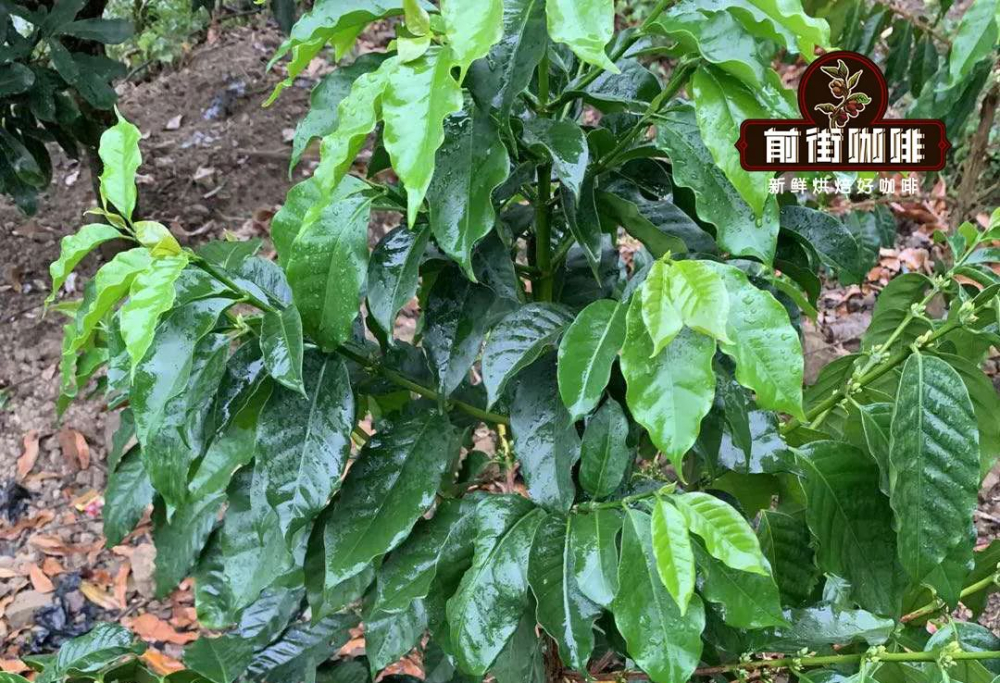
In terms of variety, Yunnan mainly cultivates Catimor, with only small amounts of Typica and Bourbon remaining in a few areas like Baoshan. Although all three belong to the Arabica family, their characteristics differ greatly. Typica is one of the most classic high-quality varieties, originating from Ethiopia and Sudan, known for its exceptional flavor purity and aromatic expression, but it is also highly susceptible to diseases and has low yields. Its top leaves are copper-red, hence it is also called “red-tipped coffee.” It thrives in high-altitude, cool regions but requires careful management to prevent rust disease.
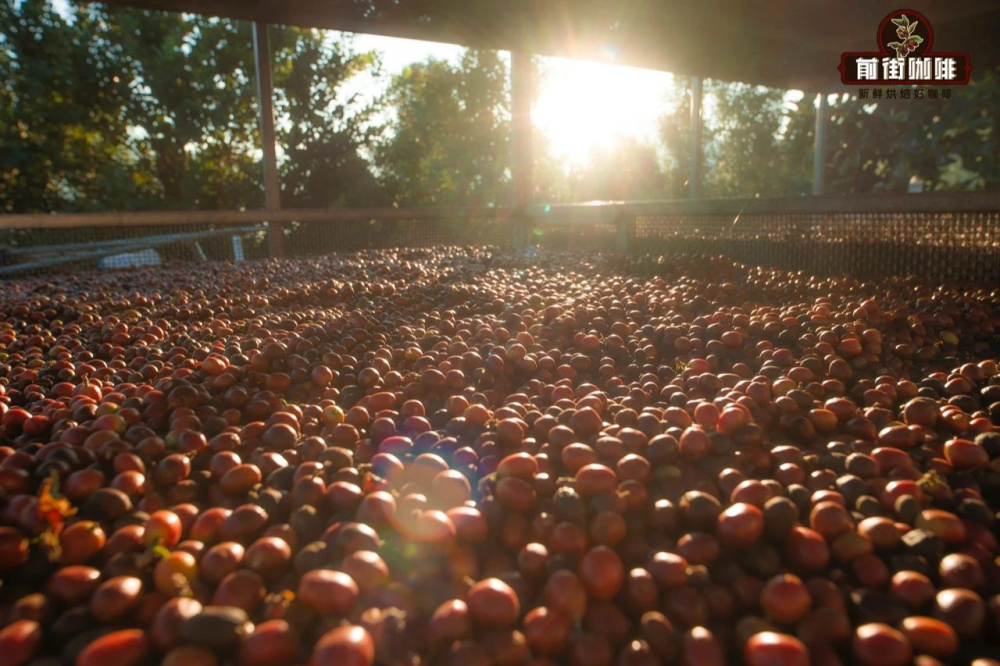
Bourbon, a mutation of Typica, was first planted in 1708 on the French-colonized Île Bourbon (now Réunion Island). This variety offers outstanding aroma and rich flavor, suitable for medium to high altitudes between 1200 and 2000 meters. Its fruits ripen more slowly and the berries are smaller, but it has higher yield and vigor compared to Typica. Bourbon’s top buds are green, earning it the nickname “green-tipped coffee,” but it also faces weaker disease resistance and is sensitive to environmental changes.
Catimor is a hybrid variety, resulting from a cross between the Robusta species Timor and the Bourbon variety Caturra, thus carrying 25% Robusta genetics. This genetic composition gives it advantages in disease resistance and yield, but also results in a relatively flat flavor profile, often accompanied by astringency, bitterness, and unpleasant musty notes. Its aroma development is also less complete compared to typical Arabica varieties. Nevertheless, due to its stable growth and resilience, Catimor has become the mainstream planting variety in Yunnan today.
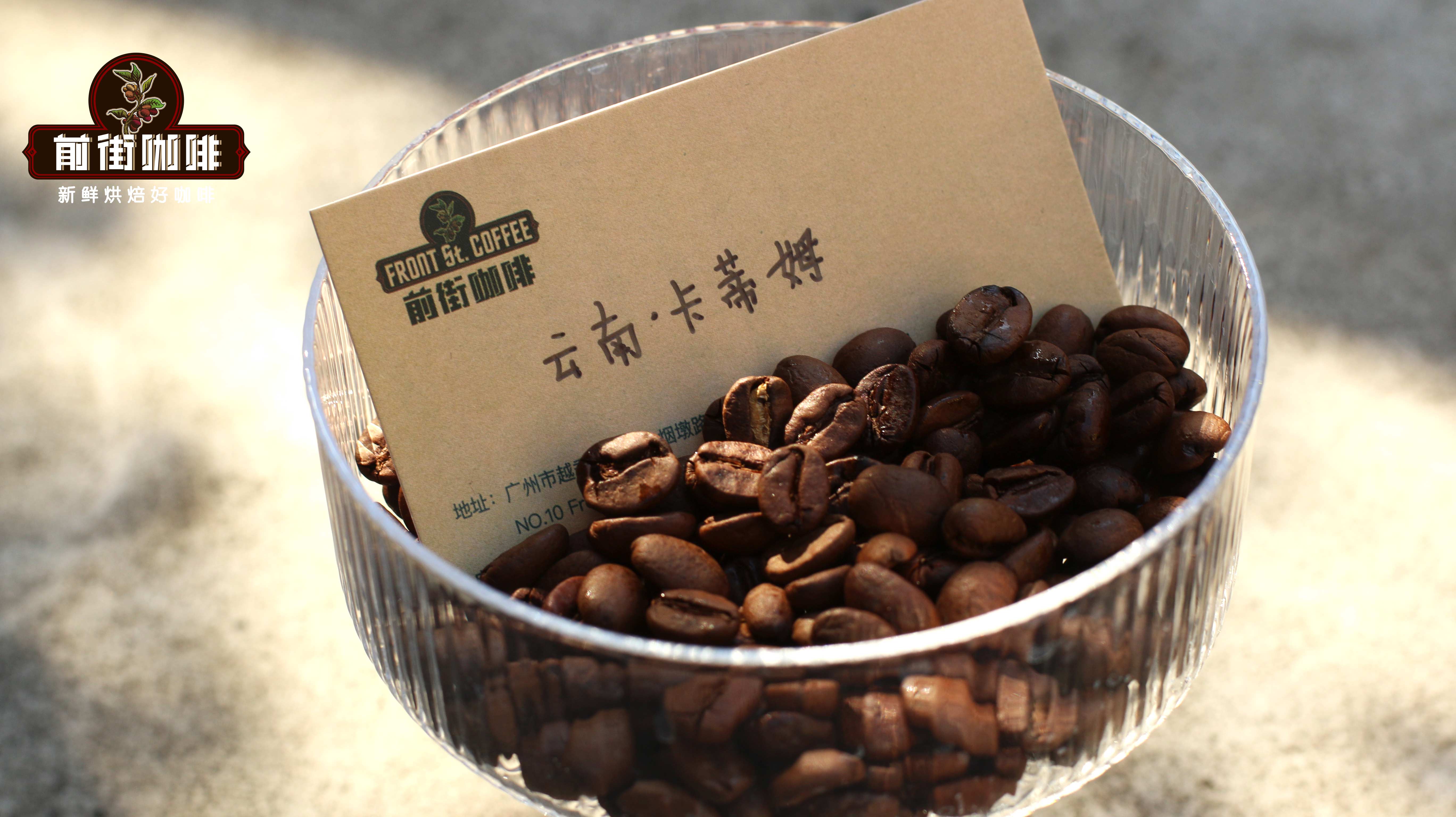
Currently, we feature two Yunnan-origin coffee beans: 2013 Yunnan Natural Typica and Yunnan Baoshan Small-Grain Coffee (Catimor). For those trying Yunnan flavors for the first time, we recommend starting with the washed Catimor to experience its mild herbal base; if you wish to explore higher-potential specialty flavors, opt for the natural Typica to enjoy its richer fruitiness and layered complexity.
2013 · Yunnan Natural Typica Coffee Beans
Origin: Lincang, Yunnan, China
Variety: Typica
Altitude: 1200 meters
Processing: Natural
Roast: Medium
Roasting Recommendation: In-bin temperature 200°C, strong dehydration followed by controlled Maillard reaction, development for 3 minutes after first crack, total roast time around 12 minutes, drop temperature 196°C.
Cupping Profile: Rich fruitiness with notes of melon and herbs, mid-palate nutty and chocolate tones, bright plum acidity in the finish, lingering black tea and brown sugar, with a clear balance of sweet and sour layers, full body, overall well-balanced.
Yunnan Small-Grain Coffee Beans (Catimor)
Region: Baoshan, Yunnan
Altitude: 1200 meters
Processing: Washed
Variety: Catimor
Roasting Recommendation: Enter drum at 190°C, stabilize dehydration then adjust heat and air damper, develop for 3 minutes after first crack, drop temperature 198°C.
Cupping Profile: Herbal and Asian spice aromas, soft and bright acidity, rich layers, honey and dark chocolate in the aftertaste, hints of brown sugar upon cooling, overall smooth and balanced mouthfeel.
For pour over recommendations, the V60 filter is the top choice, with its wide aperture and spiral ribs enhancing extraction efficiency and aroma expression. We suggest using a medium-fine grind (e.g., HARIO V60 #20 sieve with 80% extraction rate), water temperature controlled at 90–92°C, and a 1:15 coffee-to-water ratio. The pour over steps follow a staged approach: 30g bloom for 30 seconds, slow pour to 124g, then continue to 227g, with total extraction time around 2 minutes. These parameters help clearly highlight the fruity acidity and aromatic traits of Yunnan coffee.
The pour over flavor profile of 2013 Yunnan Natural Typica features notes of nuts, cocoa, caramel, berries, and black tea, with cantaloupe sweetness in the mid-palate and a lingering black tea and brown sugar aftertaste; whereas Baoshan Small-Grain Coffee opens with nutty aromas, paired with herbal and chocolate main notes, a slightly fruity aftertaste, and an overall mild and balanced mouthfeel.
The above content is compiled by CoffeeHunters, a coffee news website.


