







Introduction:The Red Cherry Project does not refer to coffee that tastes like cherries, but originates from a quality improvement initiative launched by the Dutch company Trabocca, focusing on the selection of fully ripe coffee cherries from smallholder farms in Ethiopia. This article will delve into the background and operational model of the Red Cherry Project, as well as the renowned Yirgacheffe washed and natural Red Cherry coffee beans under this program. From the growing regions and processing methods, flavor profiles, to brewing methods and parameters suited for both medium-light and medium-dark roasts, this guide will help you fully understand this highly acclaimed specialty coffee.
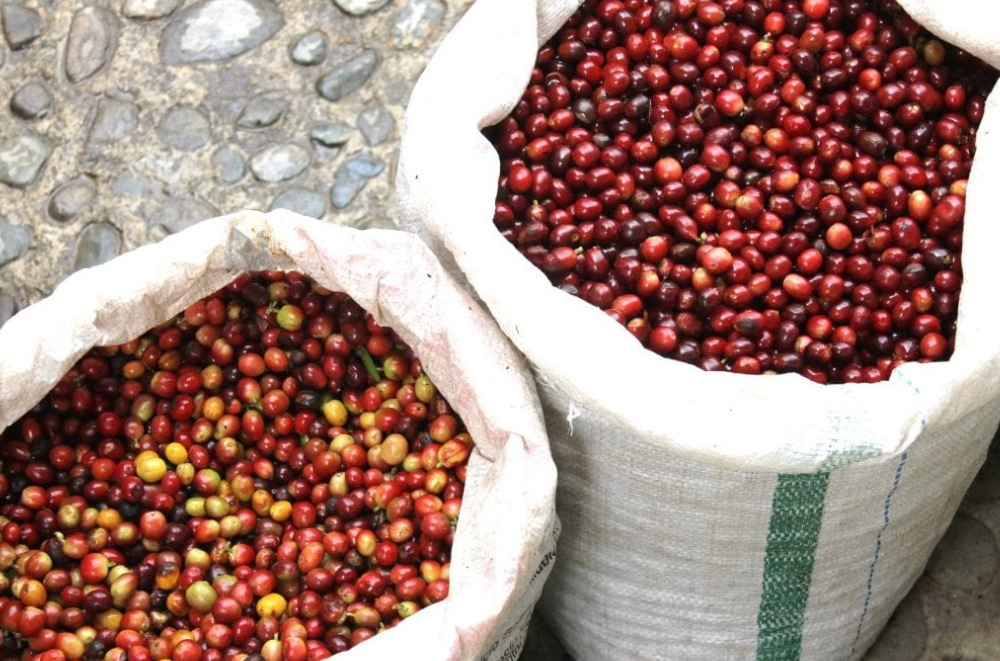
On the menus of many cafés, terms like “Red Cherry Project” or “Red Cherry Natural Coffee” are becoming increasingly common. Many consumers first assume it refers to coffee with cherry-like aromas or flavors, but in fact, the term “Red Cherry” simply describes the bright red color of fully ripe coffee cherries, not the taste. So what exactly is the Red Cherry Project? Behind it lies a rigorous smallholder selection mechanism and a quality enhancement program.
The Red Cherry Project, also known as Operation Cherry Red (OCR),is driven by the renowned Dutch coffee trader Trabocca. The core of this project is to encourage Ethiopian farmers to meticulously select only fully ripe coffee cherries, thereby producing coffee beans with more concentrated flavors and greater quality consistency. This initiative is not a marketing gimmick, but a non-profit program focused on sustainability and quality, with nearly all profits returned to the participating farms.
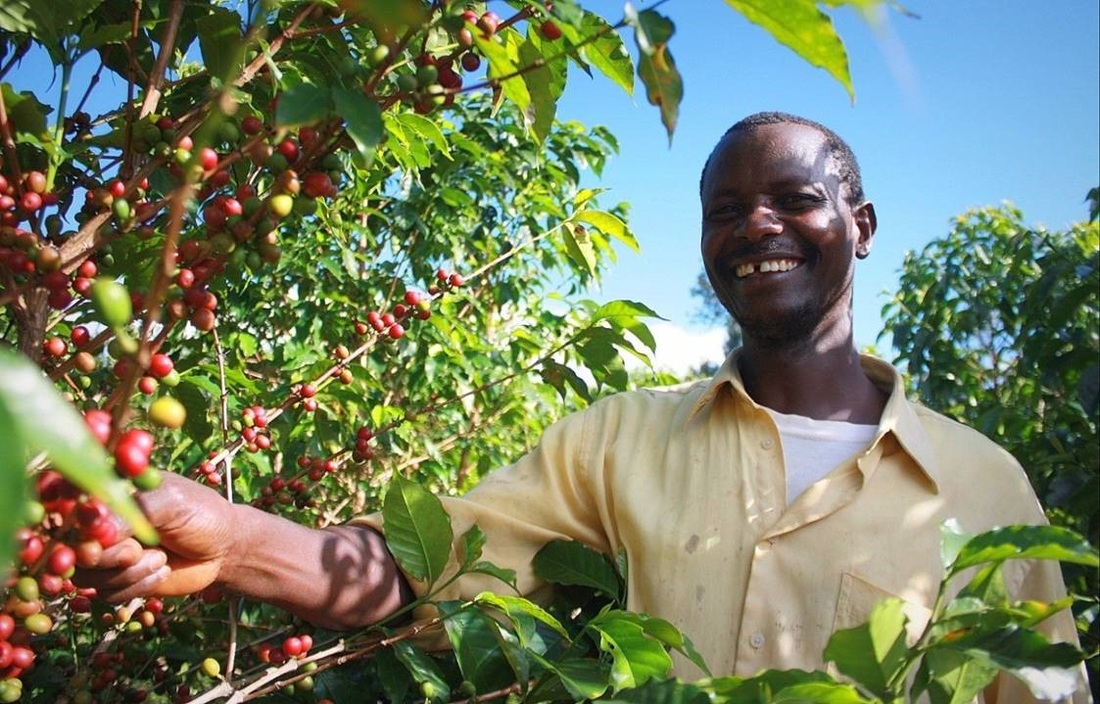
The Red Cherry Project invites small-scale farms across Ethiopia to supply batches of 1,500 to 3,000 kilograms (approximately 25 to 50 bags) of small-lot beans each harvest season. During the selection phase, only female workers are allowed to participate, who must rely on their experience to pick 100% fully ripe red coffee cherries—an essential step that greatly influences the final flavor. These women often possess keen eyesight and great attention to detail, serving as key contributors to the success of the project.
This project not only focuses on improving flavor, but also encourages farms to invest more effort in the sorting process. The participating coffee beans include various processing methods such as natural, washed, honey, semi-washed, and even experimental processes. The main producing regions span Yirgacheffe, Sidamo, Pungu Forest, Lekempti, Kembaata, Illubabor, Harrar, Limu, and even the newly added Golocha area in 2011 (near Harrar). These regions, with their unique microclimates and altitudes, produce coffees with richly layered flavors.
After receiving these coffees, Trabocca conducts a second round of rigorous screening, and professional cupping teams in both Ethiopia and the Netherlands evaluate the beans. Only batches that score 88 points or higher in cupping are qualified to be included in the Red Cherry Project, signifying high-quality specialty-grade coffee.
Among the many Red Cherry Project coffee beans,the Yirgacheffe Natural Red Cherryhas consistently been praised by specialty coffee enthusiasts worldwide. This bean comes from the Aletaland farm in Ethiopia’s Yirgacheffe region, grown at altitudes between 1,700 and 2,200 meters, using local heirloom varieties and processed via the washed method.
Yirgacheffe is located in southern Ethiopia and is one of the country’s most renowned coffee regions, known for its high altitude, fertile soil, and distinct climate. Coffee grown here rarely requires pesticides, resulting in clean, bright, and fruity-floral flavor profiles. It’s worth noting that Yirgacheffe was originally part of the Sidamo region, but due to its uniquely distinctive flavors, it eventually became its own standalone region.
The Yirgacheffe Natural Red Cherry uses the traditional natural processing method. After selecting ripe red cherries, they are placed on African raised beds for prolonged natural drying. This method preserves the natural sugars and fruit aromas within the pulp, bringing out intense berry notes, lemony acidity, honey sweetness, and subtle fermented wine-like flavors. During drying, the cherries are continuously turned to ensure even drying and avoid off-flavors.
To fully showcase its bright acidity and fruity notes, this coffee is typically recommended to be brewed usinga medium-light roast,suitable for various pour over methods including pour over kettles, French press, siphon, clever dripper, and cold brew. For those who prefer intense berry characteristics and a fuller body, there is also an SOE version with a medium-dark roast, suitable for espresso machines and moka pots, which highlights a balanced acidity and sweetness along with a rich crema.
For the medium-light roasted Yirgacheffe Natural Red Cherry, it is recommended to use a fine grind size paired with slightly higher water temperature to bring out the layered flavors.Recommended parameters are as follows:
• Brewer: Hario V60
• Water Temperature: 93°C
• Coffee Dose: 15 grams
• Coffee-to-Water Ratio: 1:15
• Grind Size: Approximately 80% passing through a #20 sieve (medium-fine grind)
It is suggested to use the classic three-pour brewing method:
1. Start with a 30-gram bloom pour for about 30 seconds;
2. Then pour in a circular motion with a slow stream until reaching 125 grams;
3. Finally, pour again as the water level drops until reaching 225 grams, keeping the total brew time around 2 minutes.
This method enhances the layered profile, making the lemon, berry, and fermentation aromas clearer upon entry, while the finish delivers a lasting sweet and tangy note with honey-like aftertaste, presenting an overall bright and refreshing cup.
The above content is compiled by CoffeeHunters, a coffee news website.


