








Introduction:From the slopes of Brazil to the highlands of Ethiopia, global coffee-growing regions produce distinctive flavor profiles due to variations in geology, altitude, and climate. This article provides an in-depth analysis of key producing countries such as Brazil, Colombia, and Ethiopia — covering their growing environments, bean varieties, grading standards, optimal roast levels, and offering practical pour over recommendations to help coffee enthusiasts comprehensively understand regional characteristics from bean selection to brewing.
From Brazil in South America to Ethiopia in Africa, global coffee regions, shaped by unique geographical and climatic conditions, yield beans with diverse flavors. Whether you’re a beginner exploring pour over or a seasoned enthusiast seeking blend inspiration, understanding each region’s flavor profile and processing traits enables more precise selection and brewing of your ideal cup.

I. Brazil (South America)
As the world’s largest coffee producer, Brazil has long ranked first in annual coffee output, reaching 24.6 million bags (each bag 60 kg) in 2002. Its main producing regions include Minas Gerais, São Paulo, and Espírito Santo. Minas Gerais is the core area of Brazilian coffee, accounting for nearly half of national production. Brazilian coffee can be categorized into large-bean varieties (Robusta), small-bean varieties (Arabica), and depulped natural cherries (Cereja Descascada), with the latter’s global share rising from 19% in 1996 to 25%. Brazilian coffee generally shines at medium-light to medium roast levels, exhibiting mild flavors with balanced acidity and bitterness — well-suited for milk-based drinks or as a blend base.
II. Colombia (South America)
Colombia is renowned for producing high-quality Arabica coffee, with 775,000 hectares under cultivation in 2002, including 613,000 hectares dedicated to production. Colombian coffee is mainly exported to the United States, Germany, and Japan, making it the world’s second-largest Arabica exporter. Its beans feature clear flavors, bright acidity, and are well-suited to medium to medium-dark roasts, often showcasing caramel and nutty notes — a common component in many single-origin and blended coffees.
III. Vietnam (Southeast Asia)
Since the 1990s, Vietnam has risen to become the world’s second-largest coffee exporter, surpassing Colombia in 2001 with 15.8% of global exports. Vietnam primarily grows Robusta, a high-yield, low-cost commercial bean variety used in instant coffee and espresso bases. Its flavor is bold with pronounced bitterness, ideal for dark roasts and often used in Vietnamese-style iced milk coffee.
IV. Indonesia (Southeast Asia)
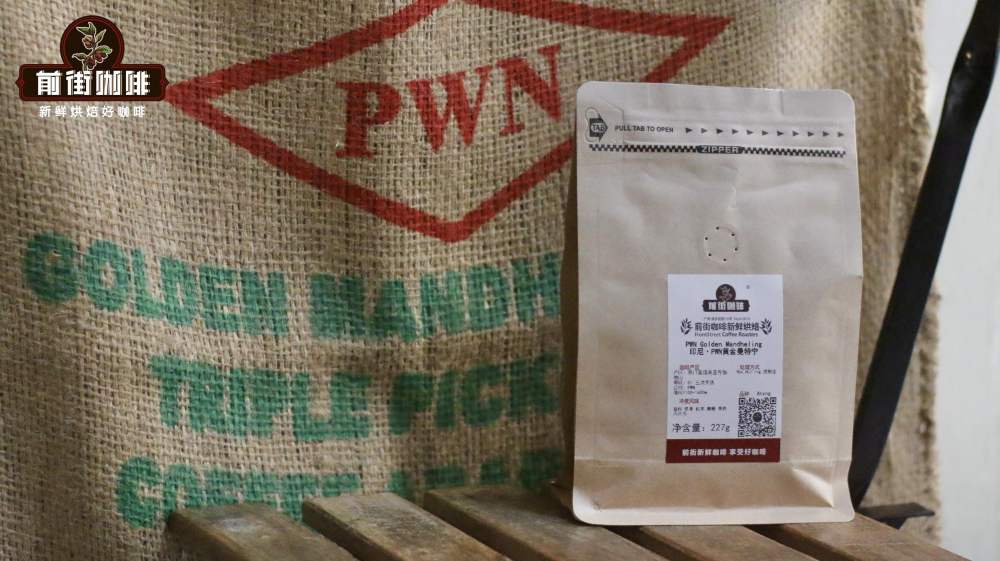
Sumatra in Indonesia is a significant Arabica-producing region, most famed for its Mandheling variety. The local volcanic soil and high-altitude environment produce coffee with a rich body and low acidity, often accompanied by woody, herbal, and medicinal aromas. Sumatran coffee thrives with dark roasts, highlighting its intense chocolate and earthy tones.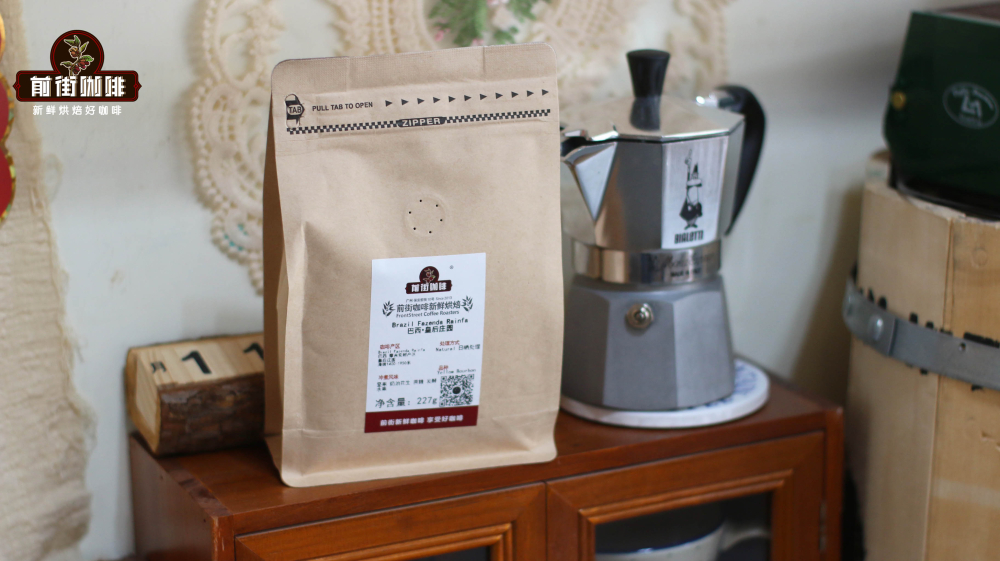
V. Guatemala (Central America)
Guatemala boasts seven major coffee-growing regions, among which Antigua is celebrated for its harmonious sweet-and-acidic profile with smoky undertones. The country’s coffee is generally grown in high-altitude volcanic zones with fertile soil and long maturation periods, resulting in dense beans with complex flavor layers. Guatemalan coffee is typically of medium density, graded not by bean size but by defect count — medium-dark roasts are recommended to enhance its sweetness and body.
VI. Costa Rica (Central America)
Costa Rican coffee is most renowned for the Tarrazú region, where high altitude and mineral-rich soil produce bright, clean acidity with berry and fruit notes. The finish often carries spicy and cocoa nuances, making it an excellent choice for single-origin coffee. The La Minita estate in Tarrazú is a legend in the specialty coffee world. Medium-light to medium roasts are advised to preserve its delicate fruit acids and floral aromas.
VII. El Salvador (Central America)
El Salvador features rich volcanic soils and highland environments, making it a key Central American coffee producer. Its coffee offers bright yet non-aggressive flavors — medium-light roasts yield a refreshing taste with occasional plum and spice notes, while dark roasts highlight rich chocolate characteristics. Most of the country’s coffee is organically grown, with stable and diverse quality, appealing to enthusiasts keen on exploring single-origin profiles.
VIII. Honduras (Central America)
Honduran coffee is graded by altitude, with high-elevation washed beans being particularly exceptional. Common regions include Santa Bárbara and Comayagua. The flavors are clear with lively acidity, well-suited to medium roasts that showcase balanced fruitiness and sweetness — a foundational bean for many specialty blends.
IX. Ethiopia (Africa)
Known as the birthplace of coffee, Ethiopia is home to renowned regions like Sidamo and Yirgacheffe, producing coffee celebrated for its floral, fruity, and citrus notes. Yirgacheffe beans often exhibit complex aromas such as jasmine, blueberry, and lemon, with bright acidity — a favorite among pour over enthusiasts. Medium-light to medium roasts are recommended to preserve its nuanced flavor layers.
X. Kenya (Africa)
Kenyan coffee is predominantly high-quality Arabica, grown in highland areas near the equator, with the AA grade being the most esteemed. Its flavors feature bright acidity and prominent sweetness, often with blackcurrant, tomato, and berry notes, plus a lingering finish. Kenyan beans suit medium to medium-dark roasts, which enhance their unique fruit acids and body.
XI. Tanzania (Africa)
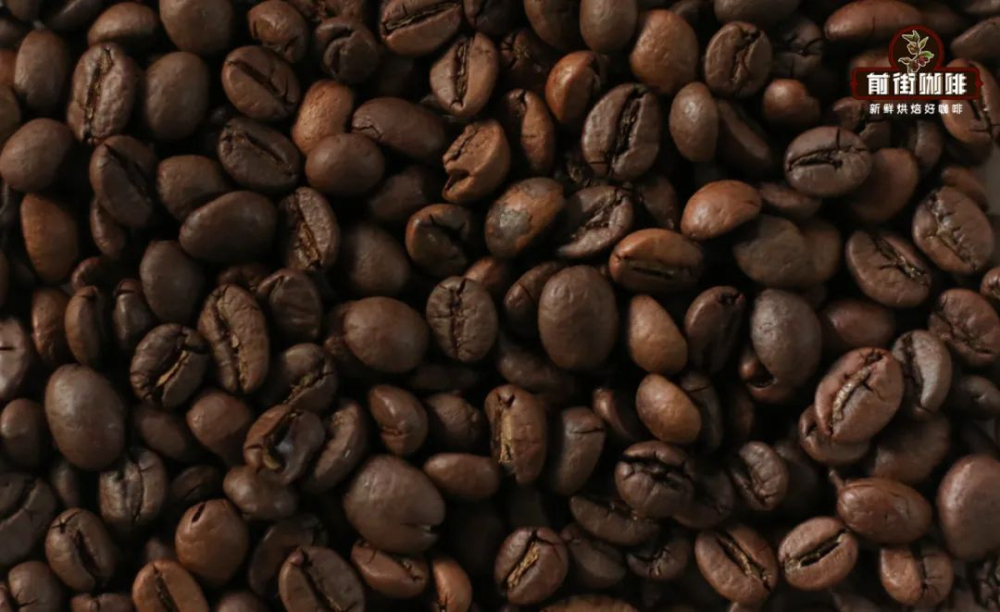
Tanzanian coffee is most famous for its Kilimanjaro region, producing aromatic cups with both fruity acidity and stone fruit notes. The country also yields abundant peaberries (small, round beans with higher density), requiring precise roast control — shallow to medium roasts are ideal to bring out their delicate flavors. Peaberries are typically pricier and highly sought-after in the specialty coffee market.
XII. Yemen (Asia)
Yemen is one of the birthplaces of Arabica coffee, with its Mocha coffee once captivating the world. Grown at altitudes between 1,500 and 2,500 meters, Yemeni coffee benefits from dry climates and traditional cultivation methods, resulting in intense flavors often accompanied by spicy and chocolatey aftertastes — a historically classic variety.
XIII. Hawaii (Americas)
Hawaiian Kona coffee is globally renowned for its unique floral and stone fruit aromas, qualifying as one of the world’s prestigious specialty coffees. Though production is limited, its quality is consistent — balancing sweet and acidic notes with distinctive spice undertones. Medium-light roasts are ideal, making it a dream brew for many coffee lovers.
XIV. Other Region Highlights
Regions such as Cuba and Jamaica Blue Mountain also produce high-quality beans thanks to unique geographical conditions and strict grading systems. Blue Mountain coffee is categorized into multiple grades, with NO.1 being the top tier — featuring extremely low defect rates and best enjoyed at medium-light roasts to showcase its refined, balanced flavors.
The above content is compiled by CoffeeHunters, a coffee news website.


