








Introduction:Yirgacheffe Red Cherry is a classic in the hearts of many coffee lovers, but do you know about the Red Cherry Project behind it, or the flavor differences brought by natural and red honey processing? This article delves into the regional characteristics, processing techniques, and roasting profiles of this G1-grade coffee bean, and through practical comparisons of single-pour and three-pour brewing methods, helps you understand how different brewing techniques affect flavor and mouthfeel. It’s a practical guide to deeply exploring the flavors of Yirgacheffe.
Yirgacheffe Red Cherry coffee beans are a well-known name among many coffee enthusiasts, but they are not the name of any particular cooperative. Instead, they originate from a quality improvement initiative driven by the Dutch green coffee trader Trabocca. This project encourages farmers to carefully select ripe cherries and adopt more refined processing methods by offering higher purchase prices, thereby enhancing overall coffee quality. Currently, the industry offers two versions of Yirgacheffe Red Cherry, one with natural processing and the other with red honey processing—both G1 grade, featuring distinctive and representative flavor profiles.

Located in southern Ethiopia, Yirgacheffe is a renowned coffee-growing region known for its high altitude and unique microclimate, with elevations ranging between 1,700 and 2,100 meters. It is constantly nourished by the moisture from surrounding lakes such as Lake Turkana, Lake Abaya, and Lake Chamo, especially the Fog Valley area, which provides an ideal environment for cultivating captivating floral and fruity aromas. Coffee here is mostly grown sporadically in forests, farmlands, and family backyards. Historically introduced by European missionaries, it is now jointly managed by local farmers and cooperatives, making it the cradle of specialty coffee.
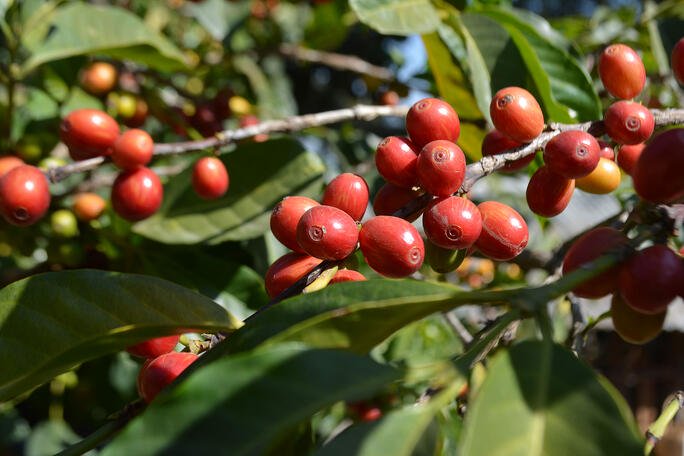
The birth of the Red Cherry Project was aimed at addressing the inconsistent quality and low prices of Ethiopian coffee. By offering higher prices for premium beans, Trabocca encourages farmers to put more effort into selecting ripe cherries and applying meticulous processing, ensuring that only fully ripe cherries are handpicked, significantly improving the final quality and consistency of the beans. This project has since expanded to several well-known regions including Sidamo, Konga Forest, Lekempti, Kembaata, Yirgubabor, Harrar, and Limu, becoming a major driving force behind Ethiopia's specialty coffee.
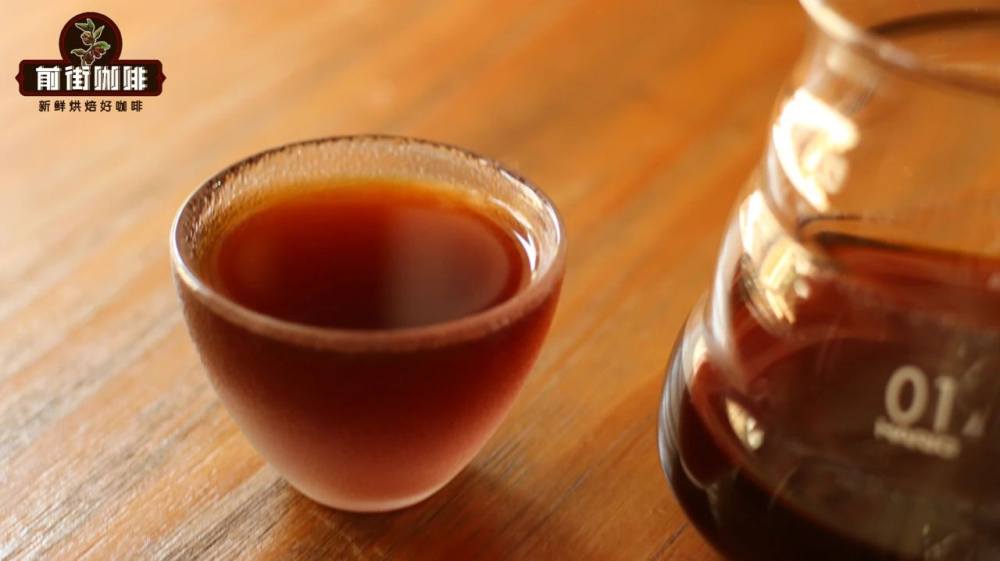
In Ethiopia, coffee beans are categorized into G1 and G2 grades based on defect rates, with G1 allowing no more than 3 defects per 300 grams—the highest grade. The two Yirgacheffe Red Cherry offerings available in the industry are both G1 grade, using natural and red honey processing methods respectively, showcasing distinctly different flavor profiles.
Aletan Washing StationOperated by hundreds of smallholder farmers, with each household cultivating an average of about 0.6 hectares. The farms are located at an altitude of nearly 2,000 meters, with significant day-night temperature variations and fertile soil, providing ideal growing conditions for coffee.Idido Cooperative (IDIDO)Affiliated with the Yirgacheffe Coffee Farmers Cooperative Union (YCFCU), established in 2002, which consists of 24 primary cooperatives with approximately 50,000 members. Idido is situated in a high-altitude valley with annual rainfall of about 1,400 to 1,800 millimeters. Coffee cherries are typically harvested between December and February of the following year, reaching high maturity and offering intense flavors.
Natural processing is one of the most traditional methods. At Aletan Washing Station, after sorting, coffee cherries are placed on raised African beds along with their pulp and skin for sun drying over a period of more than two weeks. Throughout the process, they are kept off the ground to ensure pure, untainted flavors. The ample sunlight allows the sugars in the pulp to fully penetrate the seeds, ultimately delivering a rich sweetness and bold fruity aroma.
Red honey processing, on the other hand, involves removing the outer fruit flesh while retaining some of the mucilage during sun drying. This method originated in regions with limited water resources but unexpectedly unlocked unique flavor potential. Depending on the amount of mucilage retained, it can be categorized into yellow honey (approximately 60% retained), red honey (approximately 75% retained), or even black honey where almost all mucilage is left. Yirgacheffe Red Cherry processed with the red honey method, due to the high retention of sugars and fermentable compounds, often exhibits more pronounced floral, citrus, and berry notes, with a relatively lighter body but rich layers.
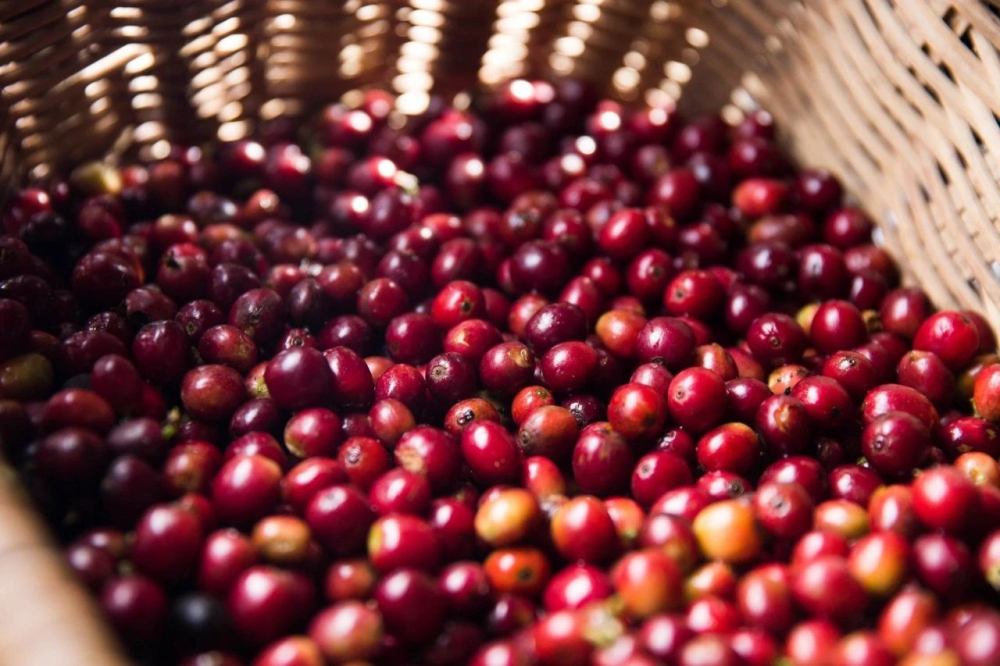
In terms of roasting, both beans are roasted to a light degree, but parameters are fine-tuned according to the characteristics of each processing method to preserve their most captivating flavor traits. Light roasting highlights the bright acidity and complex aromas unique to Ethiopian coffee, which is key to unlocking the potential of the Red Cherry series.
For brewing, we recommend using a V60 dripper, with water temperature controlled at 91–92°C, a brew ratio of 1:15, and grind size roughly the coarseness of fine sugar (80% passing rate through a Chinese standard No. 20 sieve). Below, we share how two common pour-over techniques—one-pour (single pour) and three-pour—affect the flavor profile of this bean.
One-Pour (Single Pour)This method involves a single continuous pour after the bloom (30 grams of water for 30 seconds), adding water up to 225 grams in one go, with a total brew time of around 2 minutes. This approach results in a faster extraction, yielding a flavor profile that tends to be overall balanced. Common tasting notes include lemon, floral, and ripe orange aromas, with a distinct nutty mouthfeel, clear acidity, and a caramel and cocoa finish.
Three-PourThis method is divided into a bloom phase, the first pour up to 125 grams, and a final pour up to 225 grams, also taking around 2 minutes in total. Due to the segmented pouring and more pauses, this technique results in more distinct flavor layers. The cup offers a juicy mouthfeel, with prominent citrus and lemon acidity, and a honey-like sweetness in the aftertaste, delivering a more vibrant and nuanced drinking experience.
In summary, the natural version of Yirgacheffe Red Cherry shines with intense fruitiness, a full body, and pronounced berry-like acidity and sweetness, while the red honey version presents more delicate floral, citrus, and almond notes, with a lighter body but richer complexity. Whether you’re a beginner or a seasoned coffee enthusiast, you can appreciate the diverse charm of Ethiopian coffee through this bean and explore a wide range of flavor possibilities with different brewing techniques.
The above content is compiled by CoffeeHunters, a coffee news website.


