







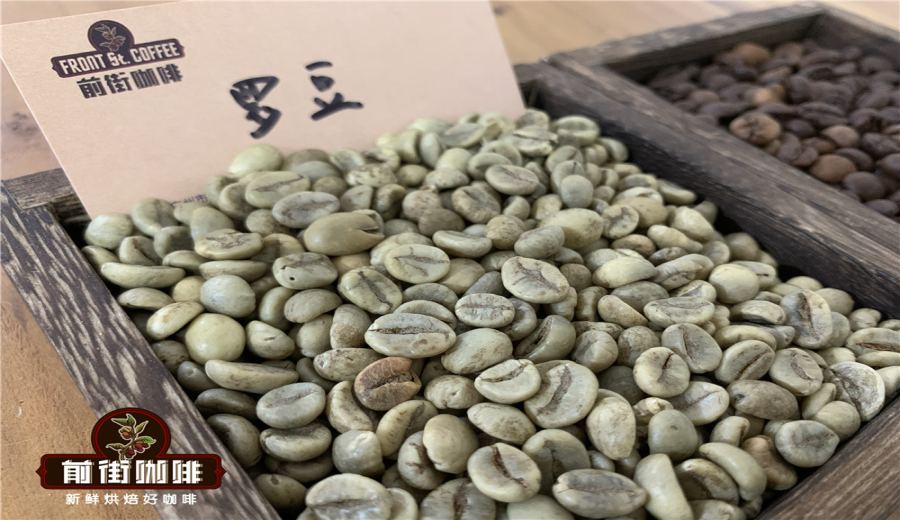
Introduction:Robusta coffee beans are often regarded as inferior due to their pronounced bitterness and monotonous flavor, but they actually play a crucial role in the commercial coffee market. This article delves into the botanical characteristics of Robusta, the reasons behind its high yield, and the chemical compounds that contribute to its unique flavor profile. It also analyzes how Robusta plays an important role in instant coffee and Italian espresso blends. Understand the science behind the bitterness, and how proper processing and roasting can enhance its performance.
Robusta coffee beans are often labeled in the coffee world as "not tasty" or "too bitter," yet they still hold a significant—if not indispensable—place in the market. Many people wonder: if its flavor is generally not well-regarded, why is it still used in such large quantities? A deeper look into its botanical traits and practical applications reveals the reasons why.
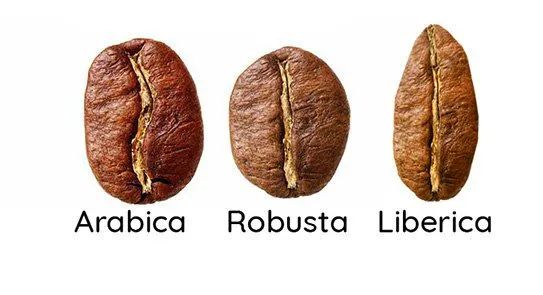
Robusta is a medium-sized coffee bean variety, standing alongside the more common Arabica (small-sized) and Liberica (large-sized) as one of the three major commercial coffee species. In comparison, Liberica not only has lower yields, but its flavor is also heavier, often with a distinct smoky note, which makes it less favored by the market. Robusta, on the other hand, stands out thanks to its innate disease resistance and environmental adaptability.
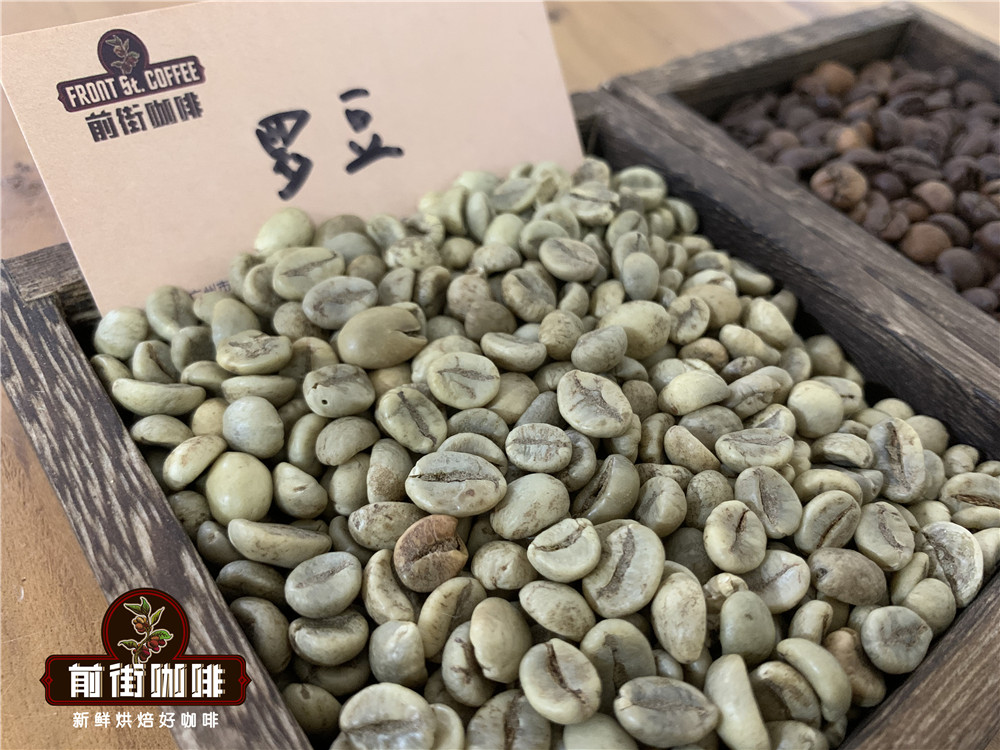
Robusta originates from the regions of Uganda and Congo in Africa and is naturally endowed with strong resistance to pests and diseases. It also exhibits good tolerance to high temperatures, drought, and humidity, growing quickly with a high yield per plant. More importantly, its caffeine content reaches 1.7% to 3.0%, which is about twicethat of Arabica, effectively defending against most pest invasions. As a result, the labor and management costs required to cultivate Robusta are much lower than those for Arabica, making it more suitable for large-scale commercial planting.
These coffee trees are typically grown in low-altitude areas, with efficient harvesting supported by mechanized operations that can significantly reduce overall costs. This is why countries like Vietnam focus primarily on producing Robusta and have become major global exporters of the beans. Additionally, due to its lenient growing conditions, Robusta is generally more affordable than Arabica and is widely used in instant coffee and commercial blends.
However, Robusta is often considered "not tasty" mainly because its flavor profile differs greatly from the Arabica that most consumers are familiar with. Robusta beans usually lack the fruity acidity and floral aromas commonly found in Arabica, and instead exhibit noticeable bitterness and a heavy body. This is related to itshigh chlorogenic acidandlow sucrosecontent. Chlorogenic acid is one of the main components contributing to the bitterness and astringency of coffee, and it can also bring about more rustic flavors such as nuts, grains, and barley tea. If processed improperly, it may even result in off-flavors reminiscent of soil or rubber.
However, this does not mean that all Robusta is of poor quality. In fact, flavor performance largely depends on cultivation environment, post-harvest processing, and roasting methods. For example, India’s Royal Robusta, achieved through rigorous cultivation and refined processing, showcases relatively clean and layered flavors, breaking the stereotype many have about Robusta beans.
Especially in commercial applications, the value of Robusta cannot be overlooked. Due to its lower cost and intense flavor, it is highly suitable for use in the production of instant coffee, effectively controlling production expenses while retaining coffee’s basic function of providing stimulation. For busy modern individuals, instant coffee offers a quick and convenient way to consume caffeine, and Robusta is the ideal raw material for such products.
Furthermore, in the realm of Italian espresso, Robusta also makes unique contributions. Darkly roasted Robusta beans release abundant carbon dioxide and oils, which form a golden crema during espresso extraction. This not only enhances visual appeal but also delivers a richer and more full-bodied taste. Many Italian baristas add a small amount of Robusta to their blends to intensify the coffee’s "body" and "richness."
For instance, some producers designing commercial espresso blends use 10% washed Robusta, combined with 30% washed Colombian beans and 60% semi-washed Brazilian beans. This combination not only results in an espresso with a rich layer of crema but also delivers intense nutty aromas. While the cup is noticeably bitter upon entry, it is followed by a creamy-smooth mouthfeel, with the bitterness fading quickly and leaving a refreshing, sweet aftertaste.
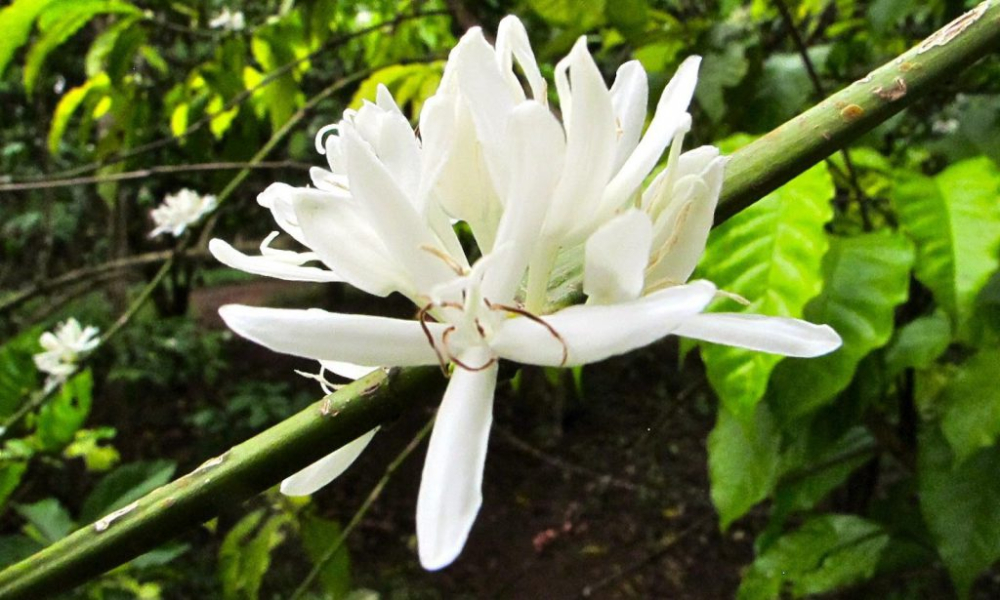
In summary, although Robusta coffee beans differ significantly in flavor from the mainstream Arabica, their strong environmental adaptability, high yield, and low cost make them indispensable in the commercial coffee supply chain. With appropriate processing and roasting, Robusta can also exhibit flavor potential that rivals that of more conventional beans, and even plays a pivotal role in certain applications. Understanding Robusta is not just about knowing a type of coffee bean—it’s about grasping an essential part of the global coffee industry.
The above content is compiled by CoffeeHunters, a coffee news website.


