







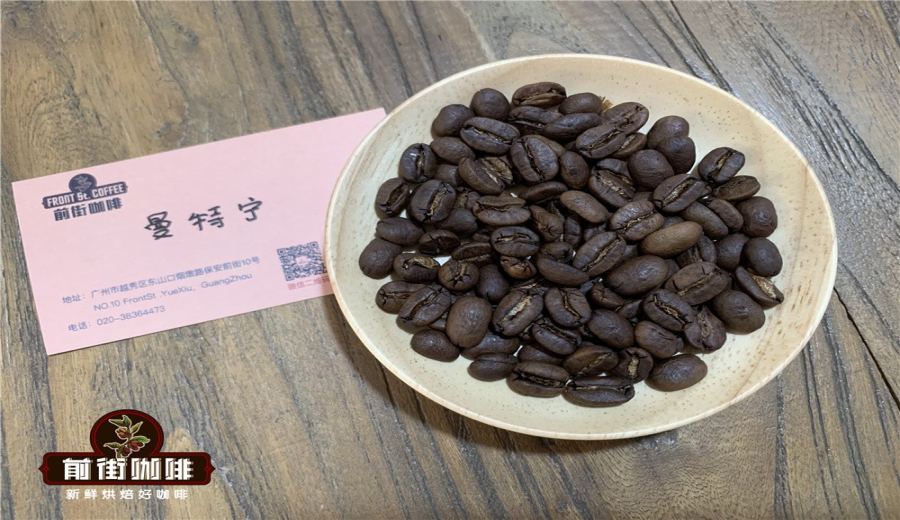
Introduction:Delve into the past and present of Indonesian Mandheling coffee, from its legendary history to current cultivation practices. Explore the two core regions of Sumatra, the classic wet-hulled processing method, and the distinctive flavors of varieties such as Typica and Catimor. Through a detailed analysis, understand why Mandheling has become a representative of Asian Arabica and master brewing suggestions along with its flavor profile.
When it comes to Indonesian coffee, "Mandheling" is undoubtedly one of the most iconic names. This Arabica coffee originating from Sumatra is beloved by coffee enthusiasts worldwide for its deep, rich flavors layered with pine, nuts, and caramel. Unlike many coffees named after their growing regions, the name Mandheling actually stems from a wartime misunderstanding. It originally referred to the Mandailing ethnic group in Sumatra but unexpectedly became synonymous with coffee, and the name has endured to this day.
As an important hub for Indonesian coffee, Sumatra boasts two world-renowned regions: Lake Toba and Lake Takengon. Lake Toba, the world's largest volcanic lake located in North Sumatra Province, sits at an altitude of about 1,400 meters with a rainy and consistently temperate climate—ideal for growing coffee trees. The famous Lintong region within this area is what many refer to as the source of classic Mandheling. Lake Takengon, on the other hand, lies in Aceh Province surrounded by the Gayo Mountains at elevations exceeding 1,500 meters. Though long affected by political instability, the region’s coffee is gradually making a comeback on the specialty market stage following post-disaster reconstruction.
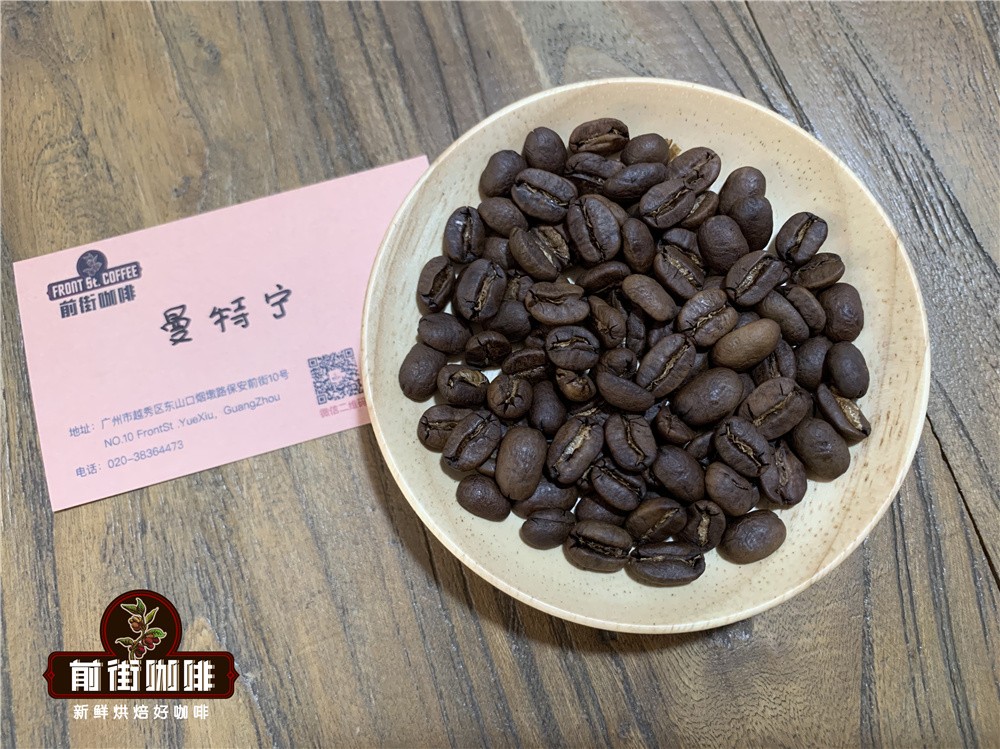
Speaking of Mandheling, one cannot overlook its most representative processing method: "wet hulling." Indonesia’s perennially humid and rainy climate makes traditional sun-drying or washed processing methods difficult to implement, leading to the development of this unique local technique. The process generally involves first removing the coffee fruit's outer skin, then fermenting the pulp-covered beans in water overnight. After washing and preliminary drying, when the moisture content drops to around 30%–50%, a specialized machine is used to remove the still-moist parchment layer. Since the beans are still semi-dry during processing, they often exhibit deformities and hoof-like cracks—far from defects, these are typical characteristics of the method. Wet hulling not only effectively reduces acidity but also enhances body, giving Mandheling its distinctive profile of low acidity, bold richness, and lingering aftertaste.
In terms of variety, Indonesian Mandheling originally primarily consisted of Typica—an historic Arabica variety with tall plants and slender beans, known for its clean and distinct flavor profile but low yield and susceptibility to leaf rust. By the late 19th century, Indonesia’s coffee industry was severely hit by leaf rust, killing many Typica trees and forcing farmers to switch to more disease-resistant varieties such as Catimor and Tim Tim. Catimor, a hybrid of Bourbon Catuai and Tim Tim, is often considered to have relatively simple flavors but, under Sumatra’s unique conditions, exhibits rich woody notes and full body. Tim Tim is a natural cross between Typica and Robusta, offering advantages in high yield and disease resistance, and has become a major planting choice in many areas.
Mandheling from the Lintong region, having expanded cultivation of new varieties in recent years to boost yield, occasionally sees fluctuations in flavor stability—but it still retains intense spices and herbal aromas, making it a great entry point for many coffee beginners to experience Sumatran flavors.Image placement: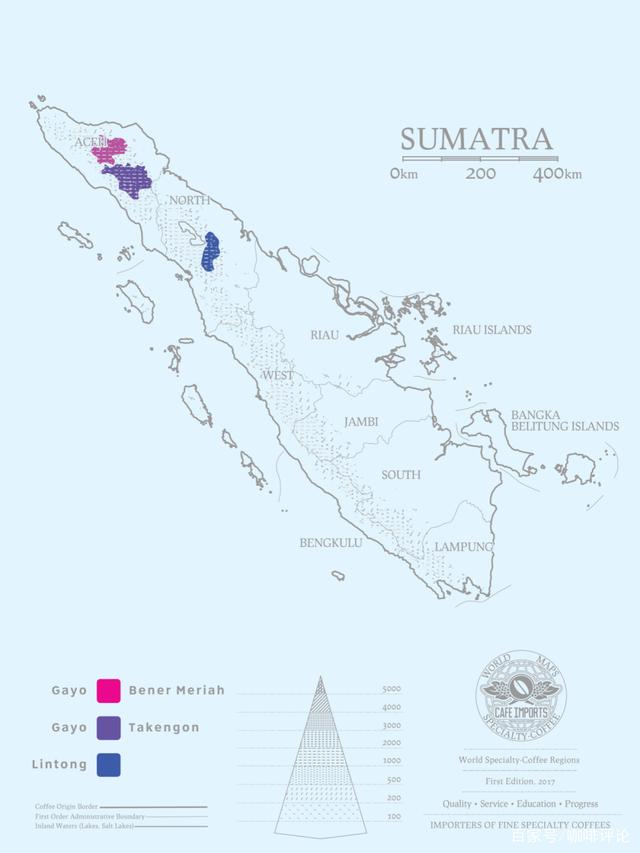 Meanwhile, "Golden Mandheling," meticulously hand-sorted four times by PWN—the government-owned coffee company—and selected from G1-grade beans for consistent appearance and higher quality, features a brighter and cleaner flavor profile with fewer off-notes. Its rich body presents delicate notes of nuts and chocolate, making it an upgraded version among Mandhelings.
Want to brew a high-quality Mandheling at home? A dark roast is recommended. Although the beans are looser and prone to over-extraction, simply adjusting grind size and water temperature appropriately will bring out its optimal flavors. Recommended medium-coarse grind (such as ~75% passing through a Chinese standard No. 20 sieve), water temperature at 88°C, paired with a KONO filter to balance extraction flow rate and concentration. Specific parameters: 15g coffee, 1:15 coffee-to-water ratio. Begin with a 30-second bloom using 30g of water to release CO₂, then pour in two stages to reach 125g and 225g total. Total brew time is about 2 minutes, and once the drips finish, you can enjoy a bold and solid cup of Mandheling coffee.
In summary, Indonesian Mandheling is more than just a coffee—it carries historical anecdotes of wartime misunderstandings, benefits from exceptional geographical conditions, features its exclusive wet-hulling processing method, and encompasses a diverse range of varieties shaped by environmental adaptation. Whether you prefer the bold spice notes of Lintong or the clean, mellow richness of Golden Mandheling, this equatorial volcano-grown coffee is well worth savoring again and again.
[Quick Guide to Flavor Profiles]
Lintong Mandheling: Herbal, chocolate, caramel—balanced and full-bodied, ideal for everyday drinking.
Golden Mandheling: Nutty, spicy, herbal, licorice, chocolate, and caramel with distinct layers, offering a brighter and crisper mouthfeel.Image placement: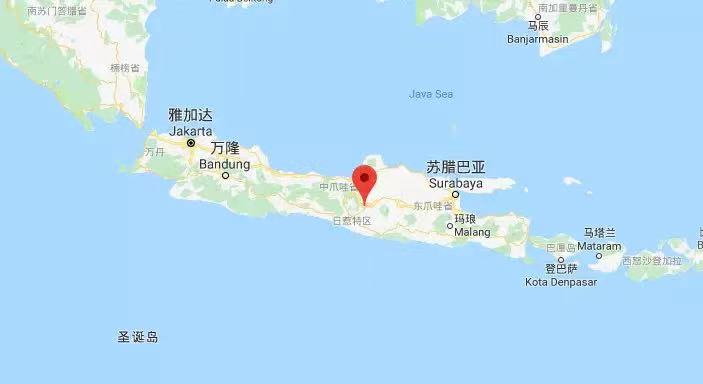
The above content is compiled by CoffeeHunters, a coffee news website.


