







Introduction:Sumatra Mandheling coffee is renowned for its rich, full-bodied flavor and unique processing method, but many people still have only a vague understanding of its name origin, the characteristics of the wet-hulling process, and the differences between Golden Mandheling and regular Mandheling. This article delves into the production background, processing techniques, and flavor profiles of various types of Mandheling (such as Lintong, aged, Tiger, and Golden Mandheling), and provides practical pour over and roasting parameters to help you gain a more comprehensive understanding of this classic coffee.
As one of Indonesia's major coffee-growing regions, Sumatra's Arabica beans are commonly referred to as 'Mandheling.' This coffee is celebrated for its bold and rich taste. Although its green beans are often jokingly called 'the least aesthetically pleasing coffee beans,' its flavor is highly distinctive and beloved by coffee enthusiasts worldwide. This article will start with the origin of the name Mandheling and the background of Indonesian coffee development, then delve into Sumatra’s unique 'wet-hulling' processing technique, further compare the flavor differences of various types such as Lintong Mandheling, Golden Mandheling, Aged Mandheling, and Tiger Mandheling, while also offering practical pour over and roasting suggestions to help you better appreciate the charm of this classic coffee.
The history of coffee cultivation in Indonesia dates back to 1696, when Dutch colonists introduced coffee to Java Island, which later spread to Sumatra. Although Java was once the main exporting region, today, when it comes to Indonesian coffee, the most famous is Sumatra Mandheling. The name 'Mandheling' is said to have originated from a Japanese soldier mishearing a local supplier’s response, who mistook 'Mandailing' (the name of a Sumatran ethnic group) for the name of the coffee, and the name has stuck ever since. This little anecdote adds a touch of historical interest to this coffee.
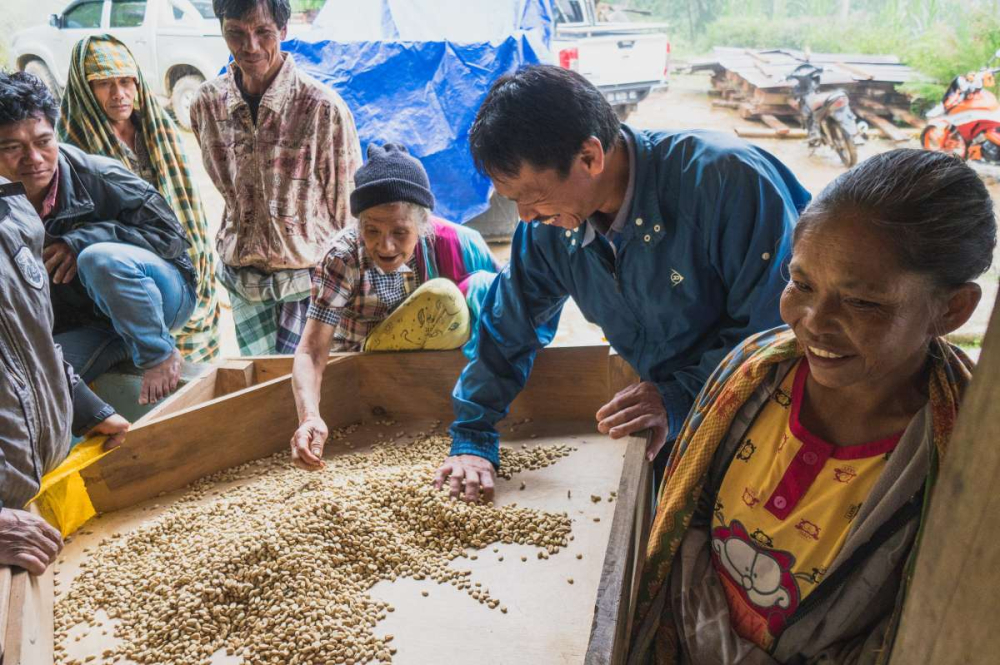
One of the most notable features of Sumatra Mandheling is its unique 'wet-hulling' processing method. Due to Sumatra’s rainy climate, traditional sun-drying or washed processing is difficult, so farmers developed this method that involves pulping, partial fermentation, initial drying, then removing the parchment layer and continuing to dry. This processing method retains more body and low acidity, but it also demands high technical skill; if not controlled properly, it can easily produce earthy or musty flavors. Successful wet-hulled Mandheling often exhibits rich herbal, spicy, and nutty notes, with intense and layered flavors.
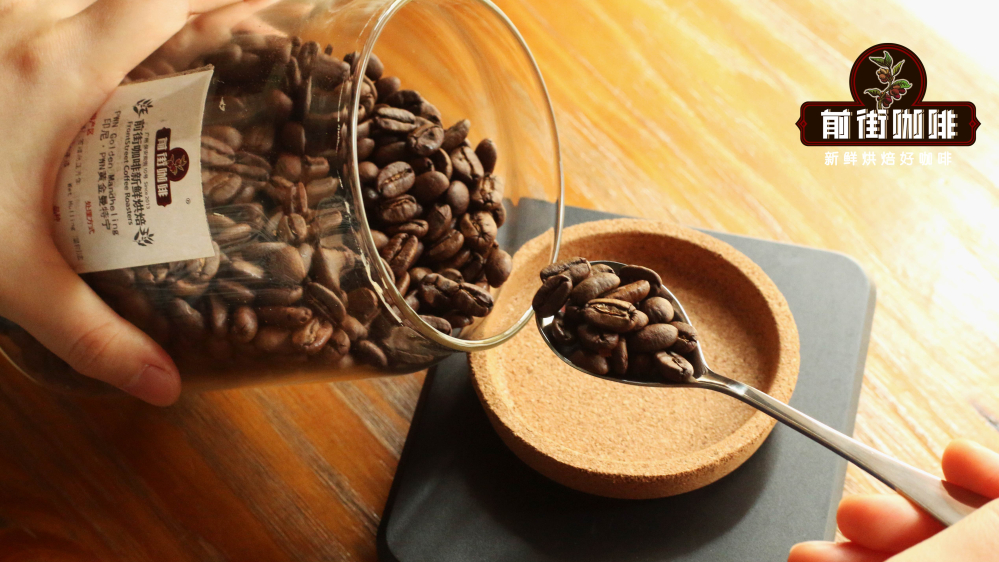
Aged Mandheling is based on the wet-hulling process, with the green beans further stored in a cool, ventilated warehouse for 2 to 3 years. Over this period, the acidity of the coffee beans gradually transforms into a richer sweetness and fuller body, while the color darkens to deep brown, resulting in a more rounded and layered flavor. Due to the long shipping times in the past, this 'accidental aging' flavor was once favored by the European market, and later developed into an intentional aging process, giving Aged Mandheling its unique richness and low acidity.
Tiger Mandheling is another outstandingly flavorful coffee from the Sumatra region, grown in Aceh at an altitude of about 1,500 meters, using the wet-hulling process. Its flavor profile is relatively bright, featuring distinct notes of cream, dark chocolate, and nuts, with a clean and balanced mouthfeel—suitable for those who prefer medium body and clear flavors. The volcanic soil provides abundant mineral nutrients, which is also one of the reasons for its clarity of flavor.
When talking about Mandheling, one cannot overlook 'Golden Mandheling.' This coffee is considered a representative of high-quality Mandheling, using the Ateng variety (actually a hybrid of Arabica and Robusta), grown in the Gayo Mountains of Aceh, Sumatra, at an altitude of 1,100–1,600 meters. Golden Mandheling undergoes extremely strict selection, requiring more than three rounds of manual sorting, selecting only beans larger than 18 mesh, with fewer than 3 defects (based on a 300g sample), and is classified as G1 grade. This high standard of selection results in a purer flavor for Golden Mandheling, free from the common off-flavors found in regular Mandheling, instead showcasing a delicate balance of spices, herbs, caramel, and nuts, with a more pronounced sweetness.
Lintong Mandheling is a more common type of Mandheling, grown in the Lintong region in north-central Sumatra, near Lake Toba, at an altitude of 1,100–1,600 meters, with varieties including Typica and Catimor, also processed using the wet-hulling method. Its flavor is dominated by notes of nuts, toast, caramel, and herbs. Although the processing can sometimes lead to hoof-shaped cracks (commonly known as 'hoof beans'), this is one of the typical characteristics of Mandheling and does not affect its overall rich and bold profile. The selection standards for Lintong Mandheling are relatively lenient, so its flavor stability is not as consistent as Golden Mandheling, but it is more affordable and is often the entry choice for many coffee beginners trying Mandheling.
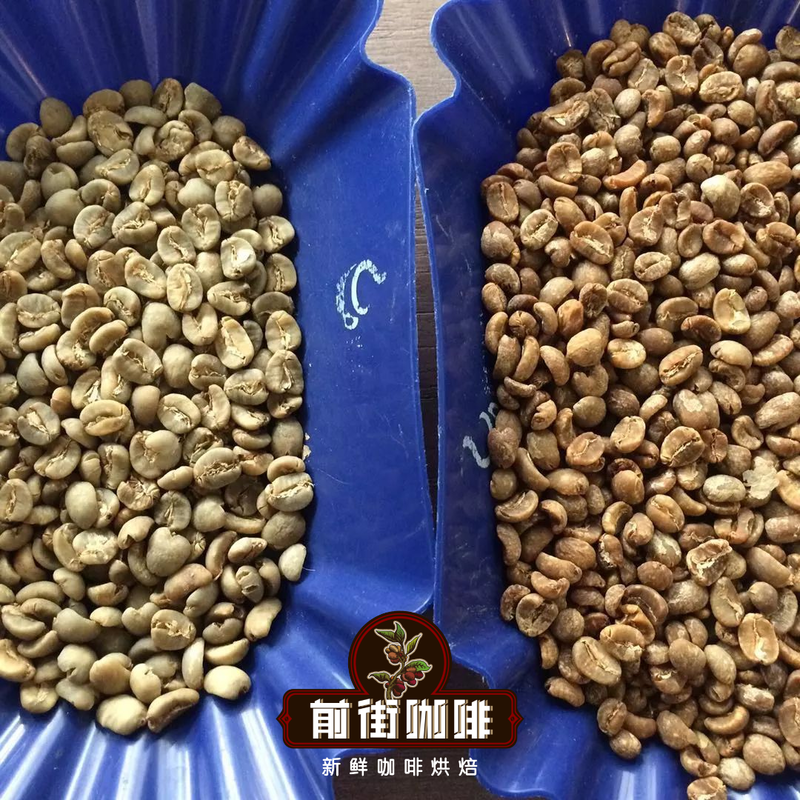
In terms of processing, both Golden Mandheling and Lintong Mandheling use the wet-hulling method, but Golden Mandheling, due to stricter selection and processing, offers a purer, more layered flavor with more prominent sweetness and aroma. Lintong Mandheling, on the other hand, presents a more rustic, bold countryside flavor, suitable for those who prefer a heavier mouthfeel.
In roasting, many roasters opt for a medium-dark roast to reduce the often-high acidity of Mandheling while enhancing its body and sweetness. For pour over, it is recommended to use a medium-fine grind with a 20-mesh sieve passing rate of 70–75%, at a water temperature of around 88°C, paired with a Kono filter to extend the contact time between water and coffee grounds, thereby enhancing the body. It is suggested to bloom for 30 seconds, then use a pulsed pouring method, with total extraction time controlled around 2 minutes, to fully bring out the spice, nut, and chocolate layers of Mandheling.
In summary, Sumatra Mandheling is not only a historically rich and uniquely processed coffee, but its diverse subtypes—such as Golden Mandheling, Lintong Mandheling, Aged Mandheling, and Tiger Mandheling—each showcase different flavor profiles. Whether you are a beginner exploring Mandheling or an advanced coffee drinker seeking specific flavor characteristics, you can find your favorite among these variations.
The above content is compiled by CoffeeHunters, a coffee news website.


