








Introduction:The moka pot is a classic brewing device found in many coffee enthusiasts’ homes, capable of quickly extracting rich and strong coffee. However, improper use can easily lead to over-extraction and bitterness. This article will delve into the working principle of the moka pot, explore the main reasons behind bitter coffee, and provide practical adjustment tips, including grind size, timing when to turn off the heat, and suitable roast levels. We’ll also guide you step-by-step through the correct brewing process so you can easily make rich, non-bitter moka coffee.
The moka pot is a classic home coffee brewing tool originating from Italy. Thanks to its unique pressurized extraction principle, it can produce coffee with roughly twice the concentration of regular coffee. This compact and easy-to-use device has become an indispensable coffee tool in many kitchens.
The history of the moka pot dates back to 1933, when it was invented by Italian engineer Alfonso Bialetti. Its design was inspired by the washing machines of the time and utilizes steam pressure generated by heating to push water from the lower chamber up into the upper chamber for extraction. This pressurized extraction method results in more concentrated coffee flavors, typically using a brew ratio of around 1:7—much higher than the 1:16 ratio common in pour over methods.

However, many users often encounter the issue of their moka pot coffee being overly bitter and astringent. This is primarily due to over-extraction—when the coffee grounds are in contact with hot water for too long or the grind is too fine, it tends to release excessive bitter compounds and impurities. To improve this, you can adjust the following aspects:
First, it’s recommended to adjust the grind size to be slightly coarser than that used for an espresso machine—roughly between medium-fine and medium, similar to a drip coffee maker but a bit finer. This helps avoid over-extraction while maintaining sufficient extraction efficiency.
Second, after filling the coffee grounds into the filter basket, gently shake the basket to ensure the coffee is evenly distributed and the surface is level. This aids in stable water flow during extraction.
Furthermore, when you notice the coffee liquid rising from the bottom chamber to the upper spout and the color appears golden-honey-like—approximately 80% extracted—it's time to immediately remove the moka pot from the heat source. It’s advisable to place it on a cold towel to cool down quickly, effectively preventing any further over-extracted liquid from entering the upper chamber.
Additionally, you may choose to add hot water to the lower chamber before brewing, which can shorten the heating time and further reduce the risk of over-extraction.
Next, let’s go through the actual brewing process of the moka pot. Using a four-cup moka pot as an example, it’s recommended to use about 18 grams of coffee grounds with a grind size between medium-fine and medium—slightly coarser than espresso but a bit finer than drip.Fill the lower chamber with water up to the level of the bottom valve, approximately 250 grams.Then, insert the funnel containing the coffee grounds, making sure the coffee surface is level and there’s no leftover coffee on the edges of the funnel.
After filling, screw the top and bottom chambers tightly together and place the moka pot on a medium heat stove. If using a gas stove, be sure to control the flame so it does not extend beyond the base of the pot to avoid overheating the handle and causing danger.
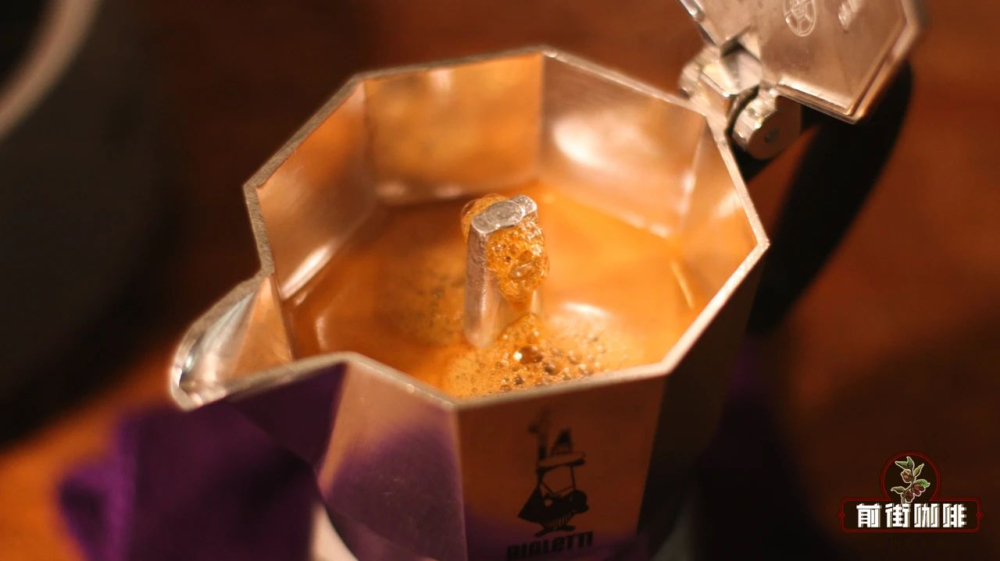
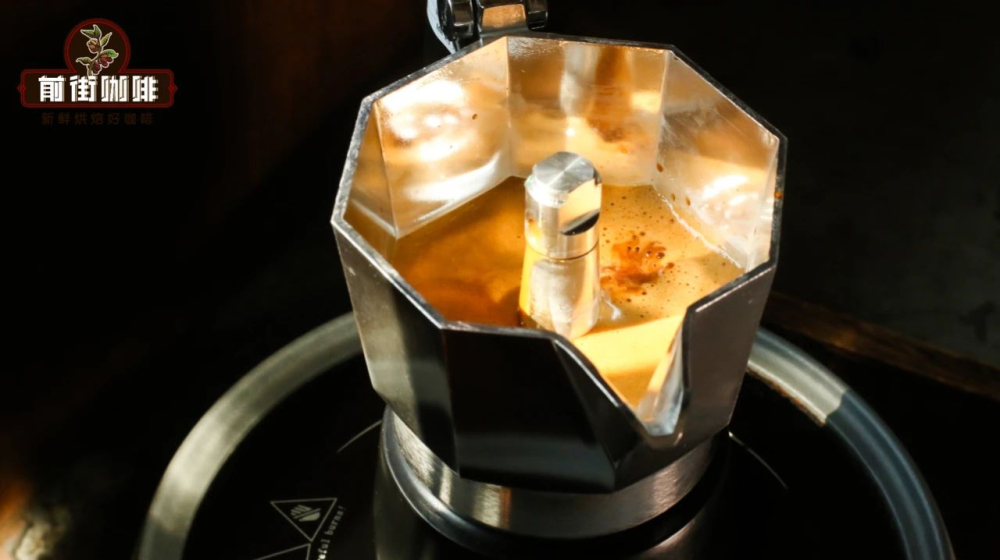
As the heat increases and the water in the lower chamber nears boiling, the steam pressure will steadily push the coffee liquid up into the upper chamber. At this point, listen carefully to the sounds inside the pot. When you hear a “hissing” or “gurgling” noise, it means extraction is nearing completion. It’s recommended to turn off the heat immediately and wait for all the coffee liquid to flow into the upper chamber before pouring and enjoying.
Cleaning the moka pot is equally simple. After each use, simply disassemble the parts, rinse them with water, and dry them. Keeping the pot clean helps extend its lifespan and maintain consistent extraction performance.
Finally, choosing the appropriate roast level of coffee beans is also an important factor influencing flavor. Due to the pressurized extraction nature of the moka pot, it’s generally recommended to use medium-dark to dark roasted beans. These beans have intense flavors and stable structures that can withstand higher-pressure extraction without uneven extraction issues.
Here, we especially recommend the dark-roasted Golden Mandheling, which offers a rich and smooth mouthfeel with distinct notes of chocolate and nuts, low acidity, and a complex profile—making it highly suitable for the moka pot’s extraction style. In contrast, light roast beans, with their bright acidity and more delicate structure, are prone to uneven extraction or sharp acidity when used in a moka pot, and are therefore best avoided.
The above content is compiled by CoffeeHunters, a coffee news website.


