







Introduction:To brew a rich and balanced espresso, choosing the right coffee beans is key. This article delves into the characteristics of espresso beans, exploring blend logic, roast levels, and the proportion of Robusta — helping you understand why most cafés opt for blends. We also analyze four espresso blend recipes along with their actual flavor profiles, and detail core parameters such as water pressure, temperature, grind size, and extraction time. Whether you’re a coffee enthusiast or shop owner, you’ll find the ideal beans for lattes, cappuccinos, or Americanos.
Many friends who enjoy pour over coffee are familiar with how beans from different regions and producing areas offer a diverse range of flavor experiences — from the clean and bright notes of washed processing, the bold and vibrant qualities of natural sun-dried, to the sweet and smooth textures of honey processing. The options are plentiful. Yet, once we step into the world of espresso, we often find that most cafés choose blends. Why is that?
The Definition and Core Differences of Espresso Beans
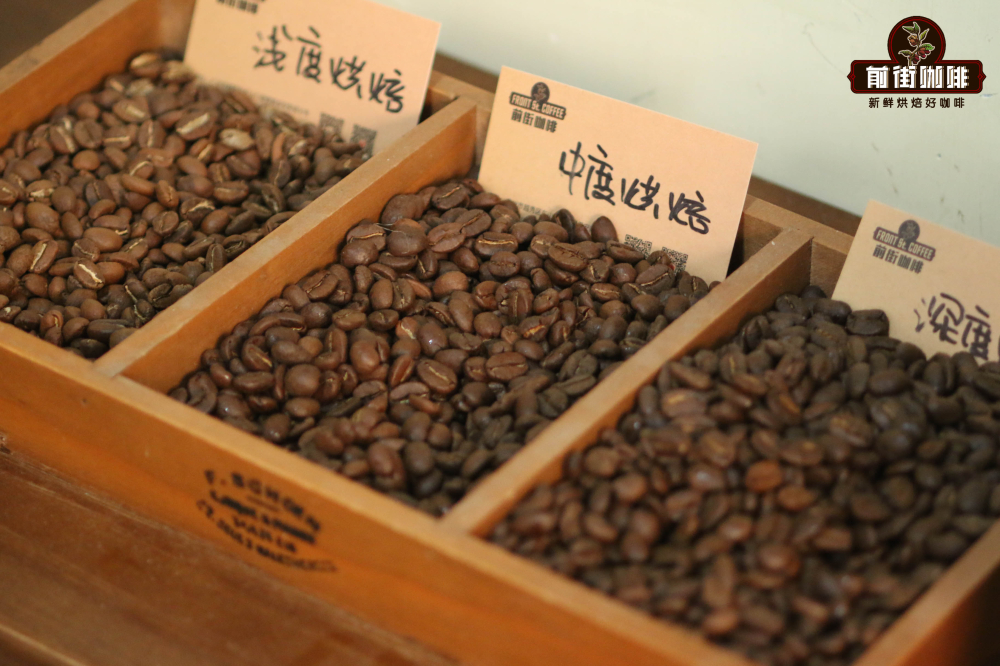
Espresso beans, as the name suggests, are beans specifically designed for espresso brewing. They differ significantly from regular pour over beans in terms of roast level, bean variety selection, and blending logic. First, espresso beans are typically roasted tomedium-dark to dark levels, ensuring that the coffee retains enough body and a balanced bitter-sweet profile even when mixed with milk or water. In contrast, pour over coffee favors light to medium roasts to highlight bright characteristics like floral and fruity notes.
Additionally, espresso beans are mostly blends — and this isn’t accidental. Blending allows different beans from various regions and processing methods to complement each other, achieving bothflavor stabilityandcost control. Single-origin (SOE) beans can showcase unique personalities, but they often come with greater flavor variability and higher extraction challenges, making them less suitable for all scenarios.
Blend Logic and the Use of Robusta
Espresso blends are usually Arabica-based, with a small amount of Robusta added as needed, with the recommended ratio kept between10%–20%(specific percentage not provided here).Robusta enhances thebody and crema (coffee foam)
of espresso, but too much can produce unpleasant rubbery or off flavors. Arabica contributes acidity, aroma, and sweetness, ideal for showcasing delicate layers.
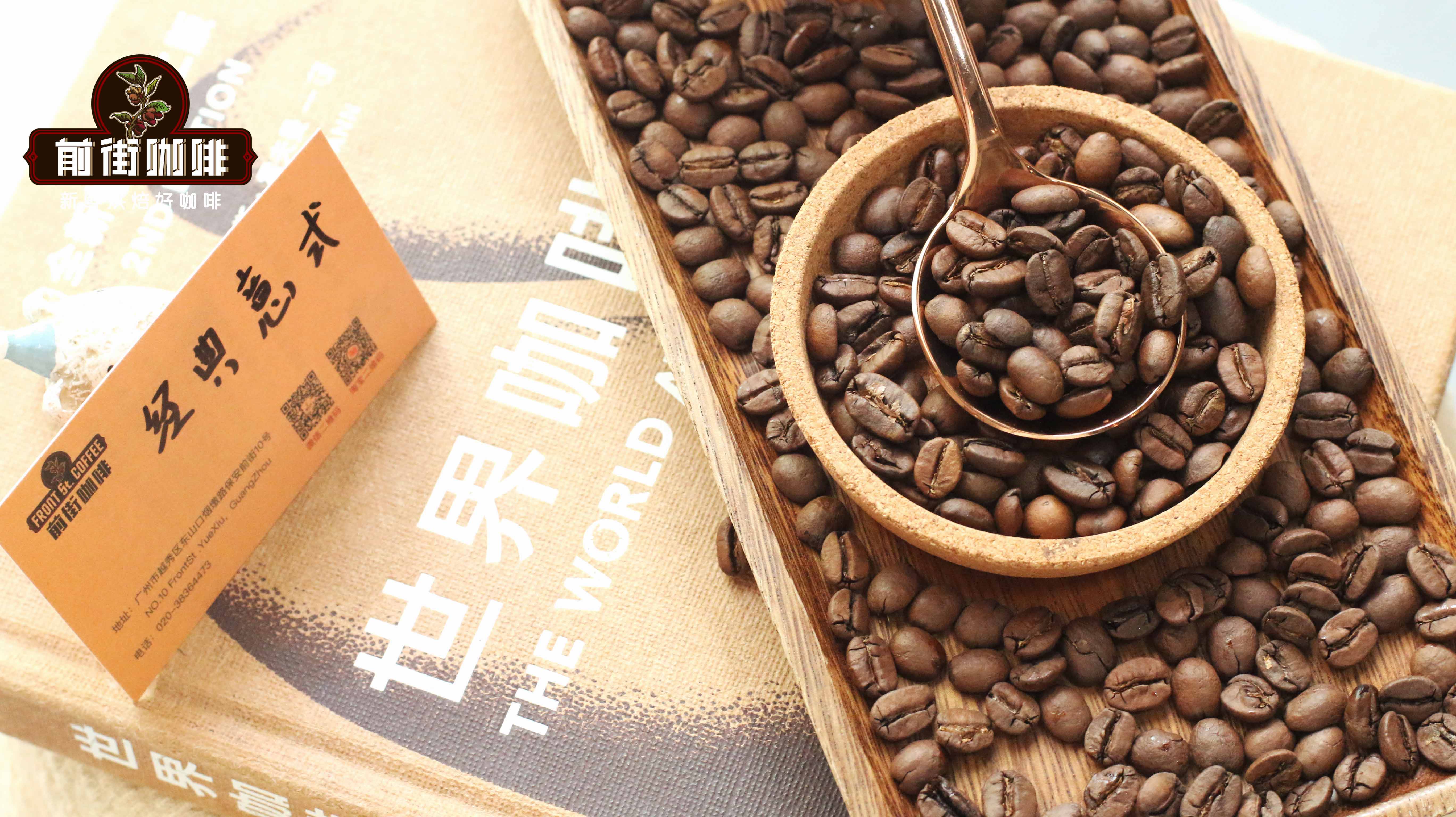
In blending, you can choose complementary Arabica-to-Arabica combinations, such as harmonizing beans from different regions, or add a small amount of Robusta to boost overall performance. Four espresso blends launched by some shops are tailored to different needs, taking into account everything from budget-friendly everyday use to high-flavor expressions.
1. Analysis of Four Signature Flavor BlendsPremium Espresso Blend
2. (Colombia : Brazil = 3:7, 100% Arabica): Medium-dark roast, smooth mouthfeel with slight acidity, nutty aftertaste, a stable everyday choice with medium crema.Commercial Espresso Blend
3. (Colombia : Brazil : Robusta = 3:6:1): Richer crema, flavors of caramel, dark chocolate, and nuts, well-balanced acidity and sweetness, suitable for milk-based drinks like lattes and cappuccinos.Basic Espresso Blend
4. (Yunnan : Brazil = 3:7): Value-oriented, milder flavor with soft fruit acidity and caramel sweetness, ideal for users on a budget seeking consistent output.Sunflower Sunshine Blend
(Honduras Sherry : Yirgacheffe Red Cherry = 7:3): Noticeable fruit acidity, charming berry and wine notes, prominent chocolate finish, perfect for those who enjoy layered flavors.
Key Parameters Affecting Espresso Extraction
To extract the best flavors from the beans, you need to master the following core extraction variables:Water Pressure9 BAR: Ideal value is
(value not provided here), which is the standard setting for most espresso machines, allowing even penetration through the coffee puck to release flavors.Water Temperature90°C–92°C: Recommended range is
(range not provided here), adjustable slightly based on bean variety, influencing the balance of acidity and sweetness as well as extraction efficiency.Grind Size
: Espresso requires an extremely fine grind, resulting in slow puck flow rate, which aids in extracting intense compounds. If extraction is insufficient, adjusting to a finer grind can improve body and acidity.Tamping25kg/m²: Generally, a pre-set pressure tamper is used at around
(pressure not specified here); maintaining consistent pressure helps ensure even water flow.Coffee Dose12–14g: For single shots, it’s recommended to use20–22g(dose not provided here), and for double shots,
(dose not provided here), adjusted according to cup size and extraction needs.Extraction Time: The golden range is25–28 seconds
, though actual settings should be adjusted based on dose, grind size, and tamping.Extraction Yield20–21g: Single shot yields40g(volume not provided here), and double shots yield
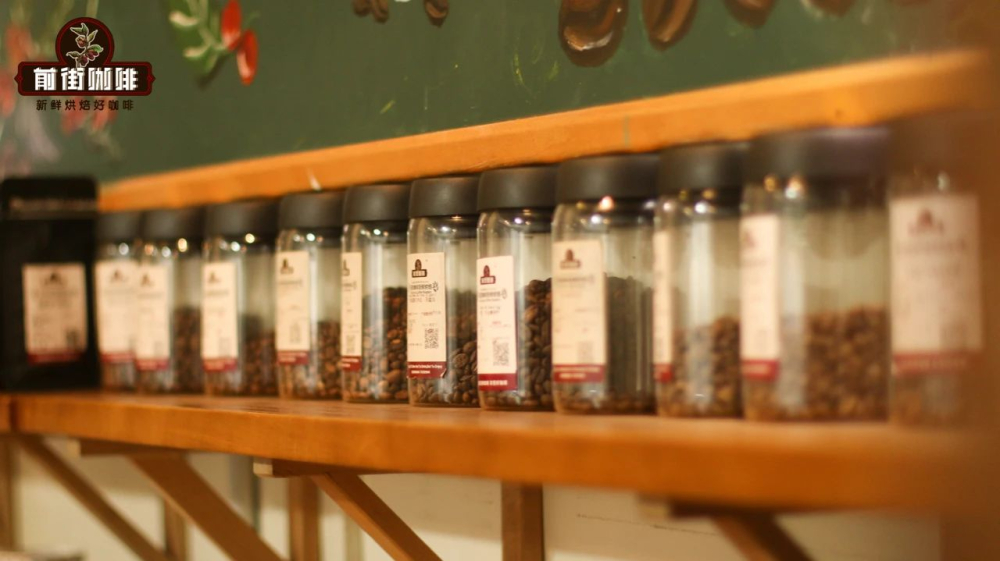
(volume not provided here), affecting concentration and taste balance.
How to Brew an Ideal Espresso Base?In practice, it’s recommended to first clean and dry the portafilter, fill it with20g of coffee grounds, distribute them evenly using a distribution tool, then tamp firmly. Next, attach the portafilter to the machine and start extraction, aiming to pull40g of liquidwithin28–32 seconds
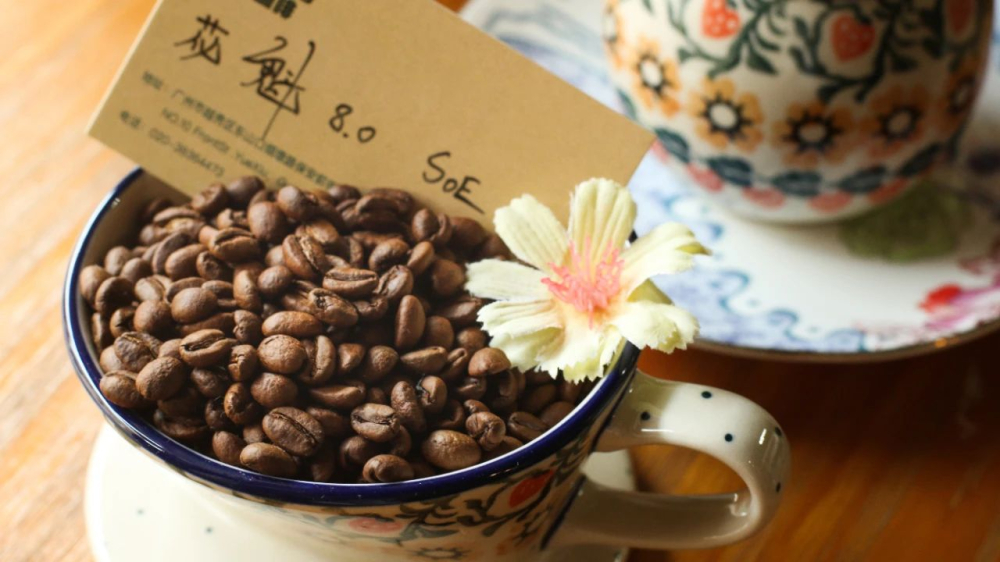
. The finished espresso should have a balanced bitter-sweet-acid profile, a rich and thick body, fine crema, and a long-lasting aftertaste. The acidity should be refreshing without being sharp, and the bitterness gentle with a sweet finish.
The above content is compiled by CoffeeHunters, a coffee news website.


