







Introduction:Want to understand the essence of Brazilian coffee? This article delves into why Brazil is the world’s largest coffee-producing country, introduces the unique characteristics of its six major producing regions, and focuses on the bean profiles of the Cerrado region. Whether you prefer a low-acid, full-bodied taste or want to master stable pour over brewing techniques, this article provides detailed information on bean varieties, regional growing conditions, and practical pour over parameters to help you better appreciate the unique charm of Brazilian coffee.
Brazil consistently ranks as the world’s top coffee producer. Its regional distribution, climate variations, and export volumes have a significant impact on international coffee market prices. For beginners in the coffee world who are not used to strong acidity and fear bitterness, Brazilian Cerrado coffee beans—with their low acidity, rich and smooth mouthfeel, and nutty and caramel aromas—are an ideal entry point. This article will take you from Brazil’s coffee planting history and green bean grading system, through the terroirs of its main producing regions, and even compare flavor differences with Colombian coffee, along with practical three-stage pour over parameters, so you can master everything from bean selection to brewing.
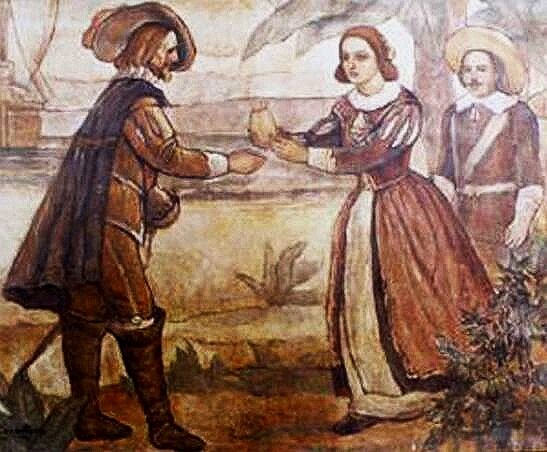
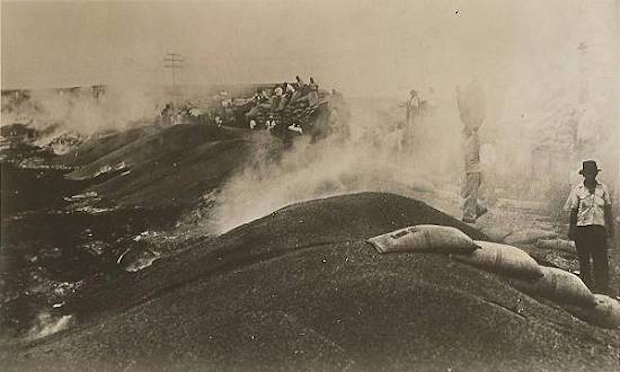
The reason Brazil became the coffee kingdom can be traced back more than three hundred years. At that time, there was no coffee cultivation in Brazil until a Portuguese military officer named Francisco de Melo Palheta, while on a mission to French Guiana, received a bouquet of flowers secretly gifted by the governor’s wife containing coffee seeds. This introduced coffee to Brazil. These coffee trees quickly adapted to the local environment and gradually expanded southward. By 1830, Brazilian coffee accounted for 30% of global production, rising to 40% by 1840, and even reaching about 80% of the world’s total output around 1920. However, during the Great Depression, coffee exports drastically shrank, leading to a sharp price drop, and Brazil was forced to burn large stockpiles of coffee beans to stabilize the market.
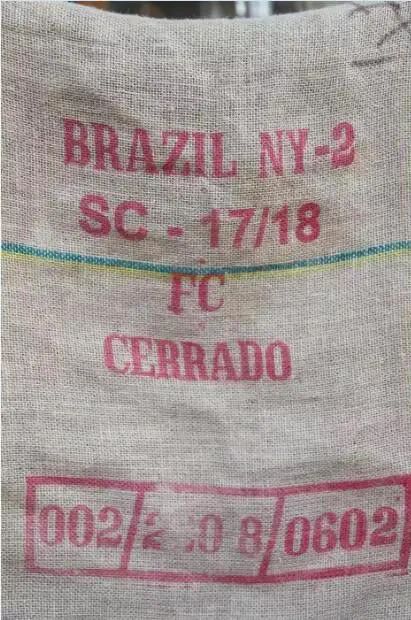
Before exploring Brazil’s various producing regions, let’s first understand Brazil’s coffee bean grading system. While many consumers are more familiar with Ethiopia’s G1 and G2 grading, Brazil’s grading labels also contain rich information. A common label such as “Brazil NY.2 SC – 17/18 FC” actually hides three key elements: defect rate, bean size, and cupping quality. The defect rate is divided into eight grades based on the number of defective beans per 300 grams of green coffee; bean size is determined using 1/64-inch mesh sieves, with common sizes ranging from 14 to 20 mesh; cupping quality ranges from Fine Cup (FC), Good Cup (GC) to Poor Cup, with FC and GC being high-quality grades.
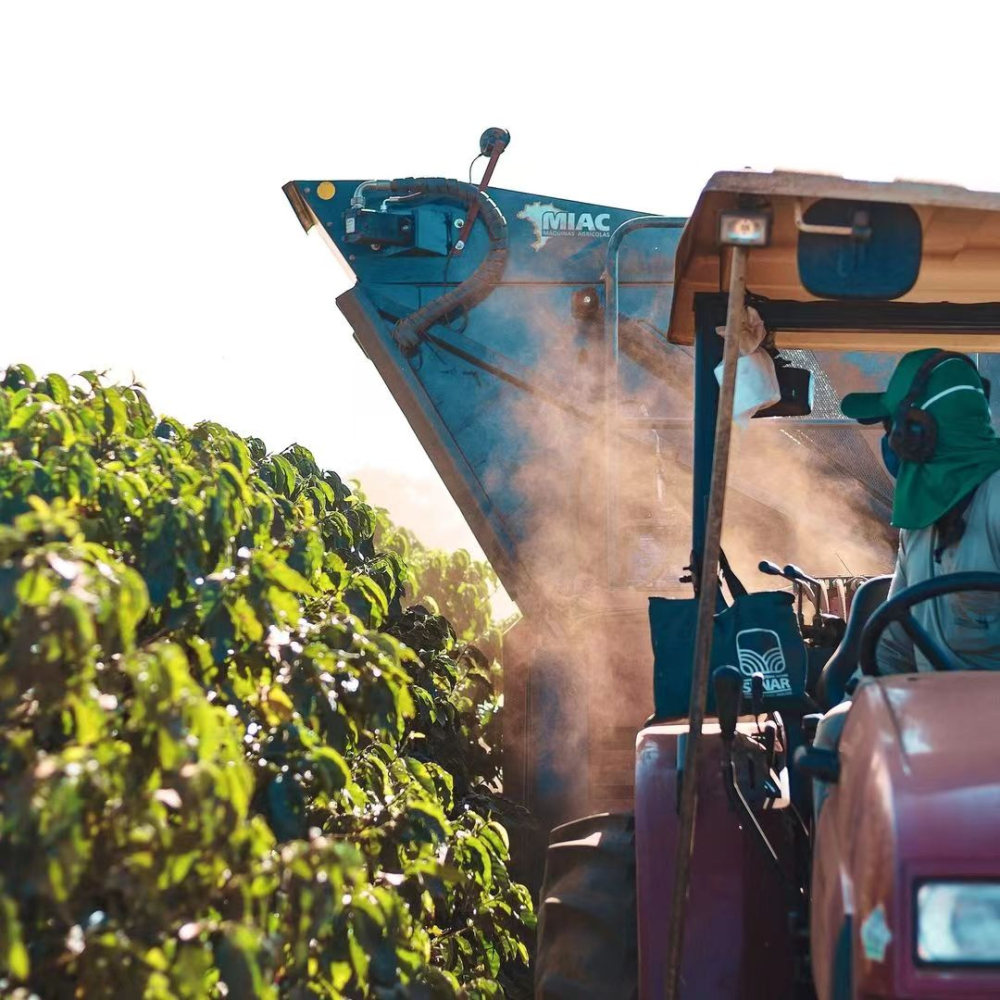
Brazil’s coffee producing regions can be divided into six major blocks, each producing beans with distinct flavors due to differences in climate, altitude, and processing methods. The Bahia region began cultivating coffee in the 1970s and has gradually emerged thanks to high altitudes and modern agricultural techniques. The region’s winter rainfall and summer dryness create a unique coffee character. Minas Gerais is the heart of Brazil’s coffee production, accounting for about half of the country’s total output, with the Cerrado area being particularly renowned. Cerrado is Brazil’s first coffee region to receive origin certification, with altitudes between 800 and 1300 meters, a humid summer and dry winter, and is known for producing coffee that is full-bodied and balanced.
São Paulo state is not only an important producing region but also home to Brazil’s main export port, the Port of Santos. Within it, the Mogiana region, with its red soil and altitudes of 900 to 1100 meters, produces coffee with rich flavor layers. Mato Grosso and Mato Grosso do Sul states have limited coffee production due to their flat terrain and prevalence of pastureland. Espírito Santo is Brazil’s second-largest producing region, but over 80% of its coffee trees are Robusta, grown at altitudes of 700 to 1000 meters, yielding coffee with intense fruity notes and relatively higher acidity. The southernmost Paraná region, though covering only 2.5% of the country’s area, contributes nearly 25% of its crop yield. The cooler climate here slows the ripening of coffee cherries, resulting in distinctive flavor profiles.
Comparing Brazilian coffee with neighboring Colombia, each has its own unique traits. Colombia, with its complex terrain, higher altitudes, and lower latitude, often produces coffee with rich chocolatey notes and jam-like sweetness, such as the country’s famous Huila variety, which is a typical representative. In contrast, Brazilian coffee is mostly grown under sun-dried conditions, allowing coffee cherries to ripen quickly and resulting in softer beans, giving rise to what is known as the “soft bean flavor profile”: low acidity, prominent nutty and chocolatey aromas, full-bodied and smooth yet occasionally with woody or earthy notes, while floral and citrus tones are less pronounced. To personally experience the difference, try comparing beans from Cerrado and Huila— the former being representative of Brazil, the latter a classic from Colombia’s high-altitude region.
Take the Cerrado region as an example: coffee beans from this area commonly use the Red Bourbon variety and are processed via the honey method, retaining an appropriate amount of mucilage to give the coffee a rounder mouthfeel and richer aroma. Its typical flavor profile includes nuts, chocolate, cream, peanuts, and caramel, making it very suitable for drinkers who prefer a full-bodied taste. If you’re curious about specific brewing parameters, here are recommended pour over settings: use 15 grams of coffee grounds, a 1:15 coffee-to-water ratio, water temperature controlled at 88°C, and a grind size recommended to have a 75% pass rate through a #20 sieve, using a Kono filter for a three-stage pour. First, pour 30 milliliters and bloom for 30 seconds, then pour 100 milliliters in a circular motion from the center outward, wait for the water level to slightly drop, then pour another 95 milliliters, and once the coffee liquid has completely dripped through, the brew is complete, with the total extraction time being approximately 2 minutes.
The above content is compiled by CoffeeHunters, a coffee news website.


