







Category: Coffee Knowledge

Stone found in Nayuki milkshake ! Consumer demands compensation but is accused of fraud, full surveillance footage released
A customer at a Nayuki store in Linping District, Hangzhou, reported finding a thumbnail-sized bluish-black stone in their “66 Blueberry & Mulberry Milkshake.” The customer requested legal compensation, but the store manager suspected fraud and even verbally abused them on the spot. Fortunately, the mall’s surveillance cameras captured the entire incident, though footage of the milkshake preparation process was not made public. This article details the full sequence of events and reminds consumers of the proper steps to take when encountering foreign objects in beverages, as well as how to protect their rights. [more…]
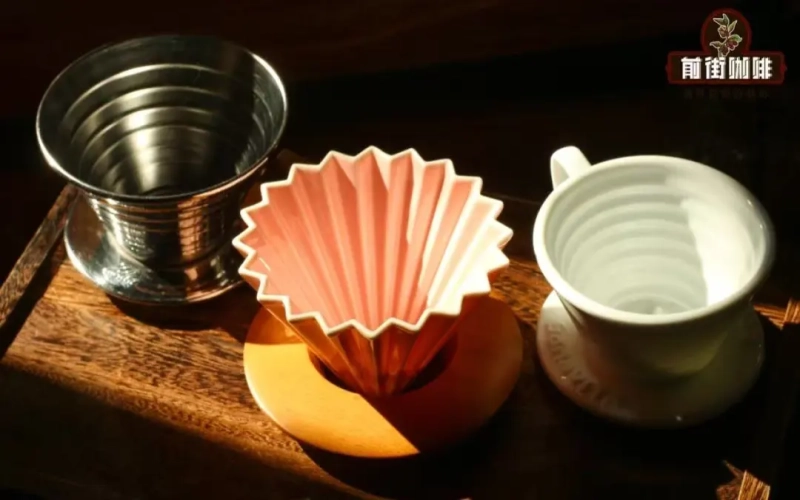
Cake Filter vs V60 Pour Over: A Comparison|Beginner’s Guide to Flat-Bottom Filter Operation and Flavor
Flat-bottom filters such as the cake filter differ significantly in design and extraction characteristics from the commonly used V60 cone filter. This article delves into a comparative analysis of the structural principles of both, explaining how the flat-bottom filter affects the uniformity of coffee extraction and flavor expression. It also provides practical pouring techniques and parameter settings suitable for the cake filter, allowing beginners to easily master the brewing essentials of a flat-bottom filter. [more…]

How to Choose the Grind Size for Pour Over Coffee? A Comprehensive Guide to the Differences Between Fine and Medium-Coarse Grinds and Filter Techniques
The flavor expression of pour over coffee is closely related to grind size and fine particle management. This article delves into the characteristic differences between medium-coarse and fine grinds, analyzing how they affect extraction efficiency and flavor layers. It also provides practical filtering advice and key operational tips to address potential off-flavors caused by fine particles. Readers will learn how to adjust grind size based on bean variety and brewing goals, as well as master key techniques for improving flow rate and flavor. [more…]
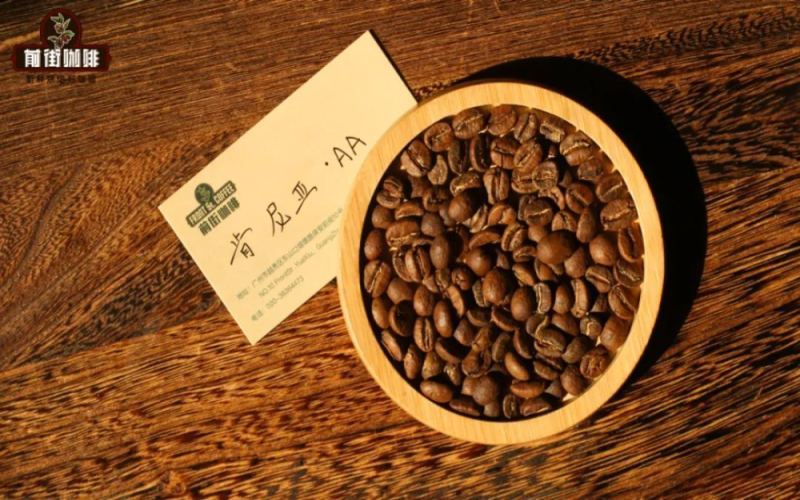
Why does Kenyan light roast coffee have such bright and vibrant acidity? Unveiling the secrets of the SL varieties, 72-hour washed process, and AA grade
Kenyan coffee is renowned for its fruity profile and bright acidity, with its unique flavor derived from high-altitude cultivation, classic SL28 and SL34 varieties, and a time-consuming 72-hour double fermentation washed process. This article delves into the grading system, variety characteristics, and key aspects of the washed processing of Kenyan AA-grade coffee, helping you understand how to highlight complex fruit notes like cherry tomatoes and dark plums through light to medium roasts, as well as master the techniques for extracting vibrant acidity. [more…]

What to do if hot Americano is too bitter? Analyzing the key impacts of temperature, bean variety, and brewing techniques
Have you ever felt that hot Americano is more bitter than iced Americano, or even hard to drink? This is actually closely related to extraction temperature, coffee bean roast level, and brew ratio. This article delves into the three key factors behind the bitterness of hot Americano and provides practical bean selection advice and brewing tips to help you brew a smooth, non-bitter hot Americano. Even coffee lovers who are sensitive to bitterness or prefer fruity flavors can find a suitable option. [more…]
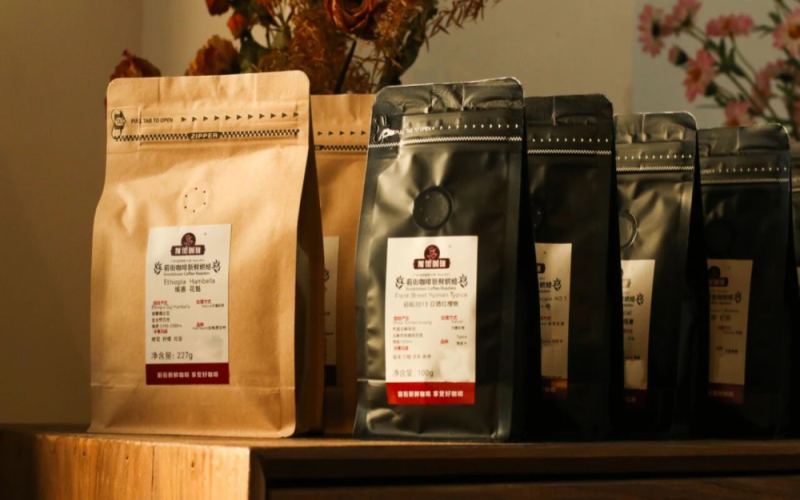
How to Choose Fruity Coffee Beans? 4 Key Factors from Varietal to Roast to Select Captivating Fruit Flavors
Have you ever tasted citrus, berries, or tropical fruit aromas in your coffee? In fact, these captivating fruit flavors are not accidental—they result from the clever combination of aromatic compounds inherent in the coffee beans and the post-harvest processing techniques. This article will delve into the principles behind fruity coffee through four key aspects: varietal, origin, processing method, and roast level. It will also uncover the secrets behind common fruit flavor profiles and recommend five representative fruity coffee beans to help you find the one that suits your palate best. [more…]

How to Choose SOE Single-Origin Espresso Beans? Analysis of 5 Recommended Beans and Brewing Techniques
Want to understand the essential differences in brewing techniques between single-origin espresso (SOE) and pour over single-origin coffee? This article provides an in-depth analysis of the extraction principles, roasting strategies, and bean selection essentials for SOE, while comparing its key flavor presentation differences with pour over coffee. It also features five carefully selected specialty coffee beans ideal for making SOE, including the Houjixiang SOE specially designed for espresso, offering complete flavor profiles and practical references to help you find your ideal bean. [more…]
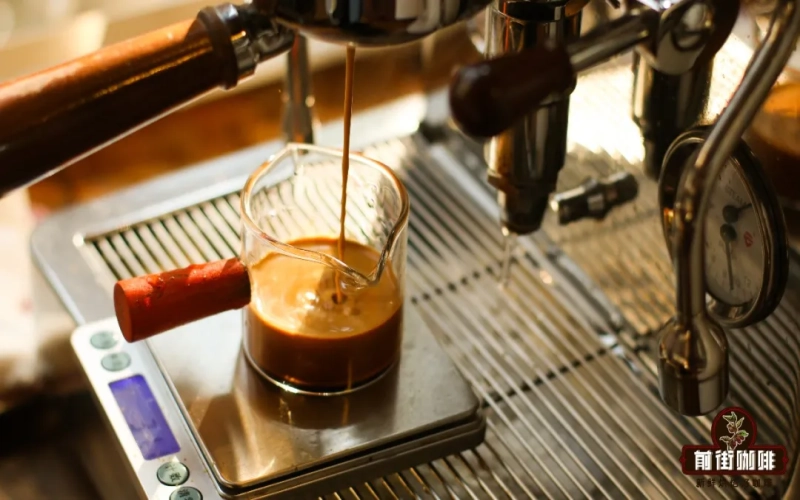
Can you drink espresso stored in the fridge overnight? A real-world taste test comparing refrigerated vs frozen storage
Have you ever wondered if leftover espresso is still safe—or tasty—after sitting in the fridge overnight? Beyond food safety concerns, most coffee enthusiasts are more curious about whether the flavor changes. In this test, we used the same Italian-style blend as the base and conducted a detailed comparison of the flavor performance of espresso, americano, and milk coffee after being refrigerated or frozen overnight, helping you understand how different storage methods actually affect coffee taste. [more…]

Essential Guide for Beginners: The Principles of Fresh Coffee Bean Resting and a Complete Breakdown of 3 Brewing Techniques
Freshly roasted coffee beans contain a large amount of carbon dioxide, which can lead to a harsh taste and muted flavors if brewed immediately. This article provides an in-depth analysis of why fresh beans need to rest, offers practical tips such as blooming to accelerate degassing, adjusting water temperature and grind size, and demonstrates three brewing methods suitable for beginners through real-life examples. It will help you extract smooth and complex-tasting coffee even when using freshly roasted beans. [more…]

Beginner's Guide to Pour Over Coffee: Flavor Profiles of 6 Major Regions & Brewing Parameters
Wondering where to start with pour over coffee? This guide systematically introduces the flavor characteristics and brewing methods suitable for coffee beans from six major regions, including Ethiopia, Colombia, and Brazil. It also explains key factors affecting coffee extraction—such as freshness, grind size, and water temperature—with practical parameters to help you easily find your favorite flavors. [more…]
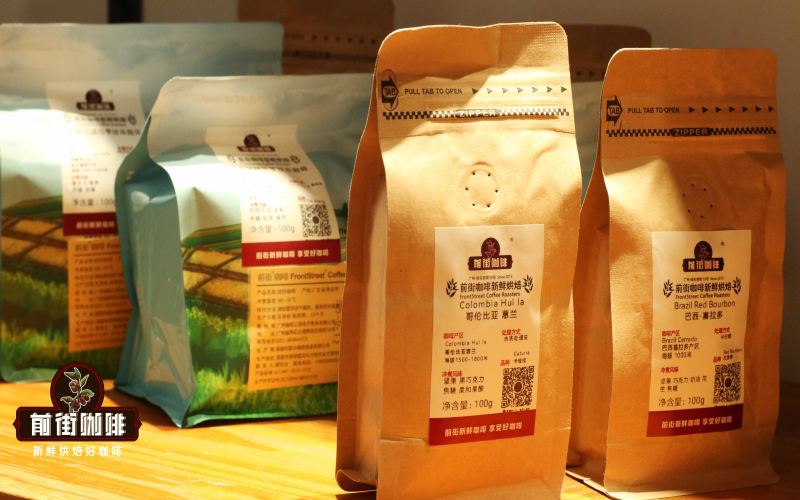
How to Choose Pour Over Coffee Beans? Flavor Differences Between Espresso Machines and Hand Grinders, Plus Popular Regional Bean Recommendations
Espresso machines and hand grinders represent two fundamentally different coffee brewing methods — the former uses high pressure to quickly extract rich crema, while the latter employs slow, gentle water flow to highlight regional terroir. This article delves into the core differences between the two, covering extraction principles, flavor profiles, and suitable bean types. We also recommend three high-altitude single-origin beans from Ethiopia, Costa Rica, and Indonesia, complete with detailed parameters and brewing techniques, to help you find the ideal hand-ground setup that suits your taste. [more…]

Can black coffee taste sweet? Enhance flavor layers with roasting and pour-over techniques
Many people think black coffee is only bitter or has a sharp acidity, but in fact, a high-quality cup of black coffee can also showcase an enchanting sweetness. This sweetness doesn’t come from added sugar, but rather from the combined effect of caramelization during the roasting process and proper extraction methods. This article delves into how different roast levels influence the sweet aroma of coffee and provides practical pour-over tips to help you brew richly layered, noticeably sweet black coffee at home. [more…]

Recommended Sweet Pour Over Coffee Beans: Flavor and Brewing Guide for Yirgacheffe and Yunnan Beans
When selecting pour over coffee beans, sweetness is often a key factor that determines the depth of flavor. This article delves into the processing methods, roast levels, and varietal characteristics that influence coffee sweetness. We’ve carefully selected several representative high-sweetness bean varieties, including Yirgacheffe natural and Yunnan Typica, and provide a layer-by-layer analysis from aroma to taste. Practical flavor descriptions and brewing suggestions are also included to help you more accurately find the sweet pour over beans that suit your personal taste. [more…]

The Manner Salty Cheese Cocoa Latte Customization Controversy: Challenges in Sweet-Salty Ratios and Staff Management
Manner’s newly launched Salty Cheese Cocoa Latte sparked heated discussion after a customer’s special customization request went viral on social media—from removing syrup to adding cinnamon powder. This customized drink put baristas in a dilemma between recipe alterations and the risk of negative reviews. This article explores how chain coffee brands can balance personalized demands with standardized operations. [more…]

Starbucks Socket Removal Controversy: How to Balance the Convenience of the Third Place?
Recently, some Starbucks outlets have removed power sockets under seating, sparking heated discussions among consumers about office convenience and seating resource allocation. This article delves into the background of the incident, presents various viewpoints, and explores the operational trade-offs coffee brands face when creating the "third place," while also offering practical advice to help readers find their best coffee option. [more…]
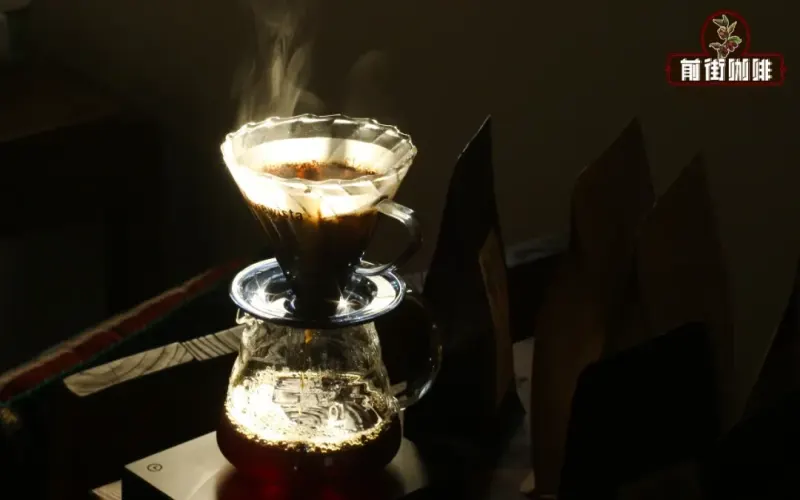
What’s the difference between natural and washed coffee? An in-depth look at how processing methods affect flavor
Coffee beans from the same origin in Ethiopia can present completely different aromas and flavors in the cup when processed using natural versus washed methods. It's often said that "washed coffee is more acidic, while natural coffee is sweeter," but what are the key factors behind these differences? This article dives into the actual steps of both processing methods, including fermentation conditions, drying times, and other technical details. Combined with the brewing performance of specific coffee beans, it helps you quickly identify the processing method from the flavor profile and gain more precise tasting insights. [more…]

Secrets to Making a Salty Yuzu Dirty: Solving Milk Curdling Issues & the Golden Ratio Recipe
The Salty Yuzu Dirty has become a hot topic among coffee enthusiasts for its unique sweet-salty yuzu flavor. However, many face issues at home with milk curdling due to the acidity of the yuzu. This article delves into how to avoid milk texture breakdown by making your own yuzu syrup and mastering ingredient ratios. It also walks you through key details—from bean selection and flavoring to brewing—helping you recreate this layered, balanced Salty Yuzu Dirty at home. [more…]
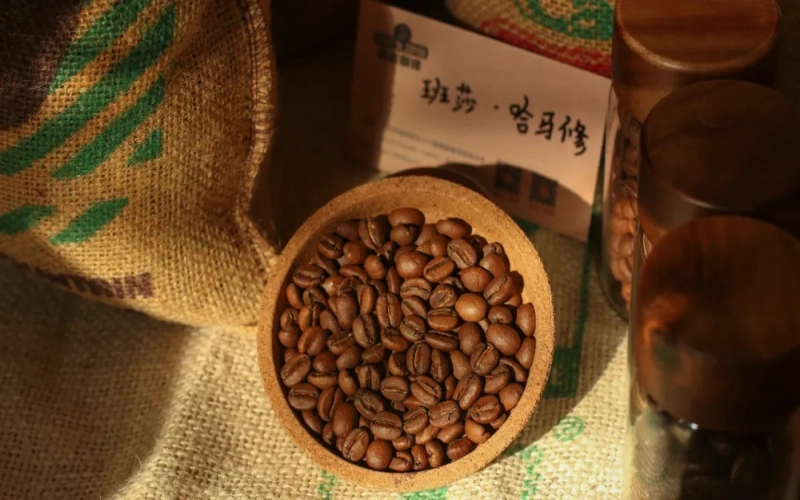
A Complete Guide to the Flavors and Pour Over Techniques of Ethiopia Yirgacheffe Bensa 74158 Natural Coffee
This Ethiopia Yirgacheffe Bensa 74158 natural-processed coffee from the Hamasho Washing Station is renowned for its strawberry, floral, and honey notes. This article delves into its origin background, processing methods, and offers expert pour over recommendations along with real flavor experiences to help coffee enthusiasts master the brewing secrets of this high-quality bean. [more…]

Analysis of Berry Flavors in Pour Over Coffee & Recommended Bean List | Flavor Characteristics of Single-Origin Beans and Brewing Parameter Guide
Berry flavors are highly favored in pour over coffee, but do you know which specific fruits they actually include? This article delves into the berry classification in the SCA Flavor Wheel, introduces the common characteristics of berry-flavored profiles, and recommends several single-origin coffee beans with distinct berry notes, along with practical brewing parameter references to help you better grasp the charm of this flavor category. [more…]

Four Sweet-Tasting Coffee Beans Recommended & Pour Over Techniques: A Practical Guide to Enhancing Extraction Flavor
Many coffee enthusiasts seek a cup with distinct sweetness—not only because sweetness brings pleasure, but also because it balances acidity and bitterness, elevating the overall flavor profile. This article selects four coffee beans with outstanding sweetness, including Panamanian Geisha, Mozart, Queen Estate, and Golden Mandheling, and provides different pour over strategies for both medium-light and medium-dark roasts. From water temperature and grind size, to pouring techniques and filter choice, we’ll help you easily extract the natural sweetness in your coffee. [more…]