







Introduction:Have you ever detected citrus, berries, or tropical fruit aromas in your coffee? In fact, these captivating fruit flavors are not accidental but rather the result of a clever interplay between the aromatic compounds inherent in coffee beans and the post-harvest processing techniques. This article will delve into the mechanisms behind fruity coffee from four key aspects: variety, origin, processing method, and roast level. It will also uncover the secrets behind common fruit flavor profiles and recommend five representative fruity coffee beans to help you find the one that suits your palate best.
The unforgettable fruity aroma in coffee doesn’t appear randomly—it originates from the natural aromatic compounds within green coffee beans. These substances mainly include esters, ketones, alcohols, as well as fatty acids, terpenes, and amino acids. They exist in a stable form within the green beans, waiting to be awakened by appropriate roasting methods.
When green beans are heated, Maillard reactions and caramelization begin to take place, gradually generating a variety of volatile aromatic molecules. When these compounds accumulate to a certain concentration, they manifest as rich and diverse fruit aromas—ranging from fresh citrus and intense berries to the sweet notes of tropical fruits—which evoke intuitive associations with actual fruits for the drinker.
What exactly influences the expression of fruity flavors in coffee beans? The main analysis can be broken down into four key factors: variety, origin, processing method, and roast level. These four elements not only shape the fundamental style of the coffee but also directly determine the presentation and intensity of fruitiness. By mastering these aspects, one can more precisely select fruity coffee beans that match personal taste preferences.
Among the many coffee flavor profiles, some fruit aromas are particularly distinctive and more easily recognized by the general public, such as citrus, passion fruit, mango, pineapple, guava, grape, strawberry, peach, blueberry, and apple. These fruits are mostly familiar tastes in our daily lives, so when they appear in coffee, they tend to resonate strongly.
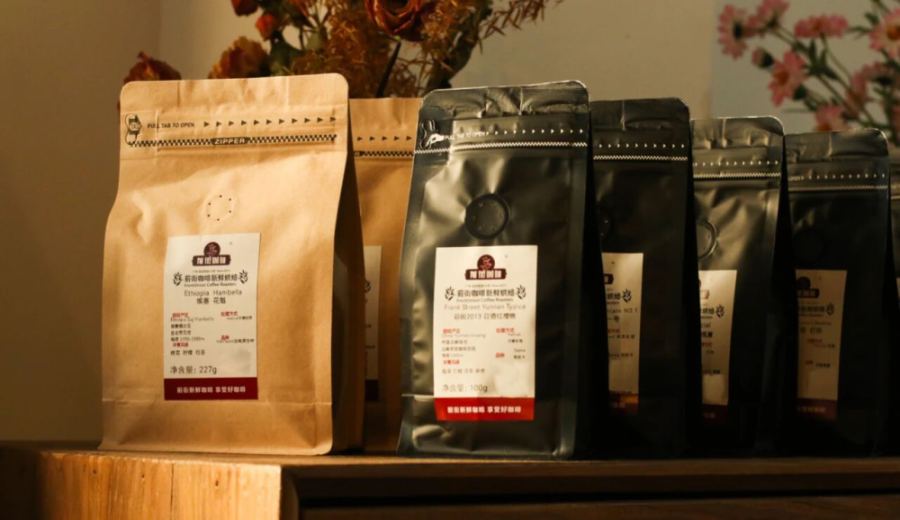
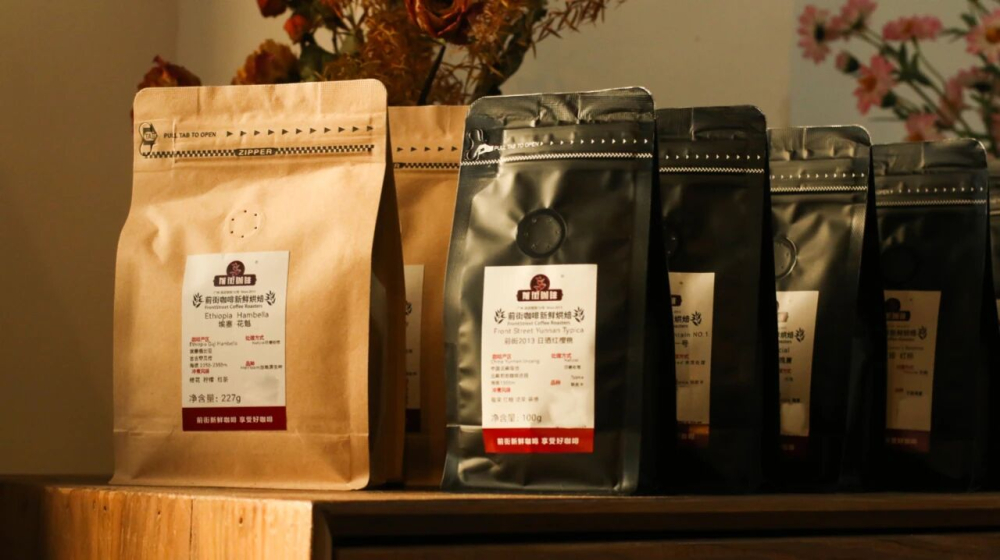
Such fruity flavors are not limited to a single origin or variety. Many coffee beans from high-altitude regions in Africa and Central and South America, due to their growing environment and varietal characteristics, often exhibit rich fruit notes. Below, we will introduce five representative fruity coffee beans, each with its unique flavor profile.
The first is a bean with pronounced tropical fruit characteristics, often delivering a rich mango aroma accompanied by delicate notes of guava and magnolia, along with an interwoven fresh citrus tone. Such coffees typically come from high-altitude growing areas and feature bright acidity and a layered complexity.
There are also beans that showcase soft floral qualities, with some exuding subtle purplish-pink floral scents and layering passion fruit, grape, and apricot fruitiness upon sipping; another type leans toward blackcurrant and spice flavors, with a tight acidity and a lingering unique spicy finish. These two styles are vastly different but both exhibit a strong interplay of fruit and floral characteristics.
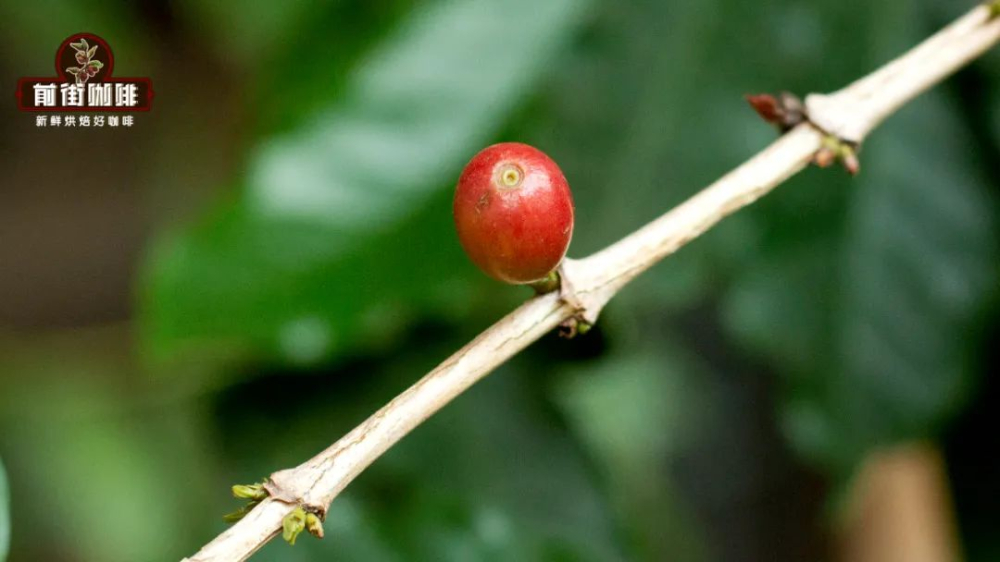
Additionally, some coffee beans present more subdued white floral notes, with a refreshing citrus and orange-like brightness upon entry, paired with a tea-like light body—ideal for those who prefer a clean and crisp taste. These beans are commonly found in specific processing-method regions, emphasizing balanced acidity and sweetness along with delicate fruit expressions.
There are also beans distinguished by their intense floral character, offering layers of sweet-and-sour complexity reminiscent of cherry tomatoes, dark plums, pears, and black plums upon tasting. These flavors usually feature prominent acidity and a deep fruit flesh texture, suiting coffee enthusiasts who enjoy a blend of sour and sweet sensations.
Finally, there’s a coffee that highlights sweet fruit candy flavors, where elegant rose floral notes are complemented by multiple aromas of grape, strawberry candy, dried fruit, and sweet orange. Such flavor profiles often emerge from specific combinations of roast levels and processing methods, catering to drinkers who favor a balance of sweetness and floral-fruity notes.
The above content is compiled by CoffeeHunters, a coffee news website.


