








Introduction:The flavor profile of pour over coffee is closely related to grind size and fine particle management. This article delves into the differences between medium-coarse and fine particles, analyzing how they affect extraction efficiency and taste complexity, and offers practical suggestions and key techniques for sifting fines to address potential off-flavors. Readers will learn how to adjust grind size according to bean variety and brewing goals, and master essential techniques for improving flow rate and flavor.
In the pour over coffee-making process, grind size is one of the most critical adjustable parameters, directly determining the surface area in contact with water and the extraction speed. Coarse-ground coffee has larger gaps between particles, allowing water to flow smoothly—ideal for brewing styles that emphasize bright acidity and fruity notes. In contrast, finer grinds increase surface area, often prolonging extraction time and releasing more body-rich compounds, but also carry the risk of over-extraction.
The difference between fine and medium-coarse particles mainly lies in their particle size distribution. Generally, medium-coarse particles range from 0.8 to 1.2 mm in diameter, similar in texture to fine white sugar. This size ensures even extraction while avoiding excessive release of bitter components. Fine particles, on the other hand, typically refer to those smaller than 0.5 mm—extremely fine, almost powdery—and tend to settle at the bottom of the filter paper during brewing, leading to localized over-extraction.

Fine particles play a dual role in the extraction process. A moderate amount of fines can enhance the layered complexity of the coffee, bringing out deeper sweetness and body—especially useful when brewing light roasts, where tiny particles can capture more floral and fruity notes. However, when the proportion of fines is too high, these minute particles accelerate channeling, causing uneven water flow, premature release of bitter substances in certain areas, and potential clogging of the filter, which negatively impacts overall flow rate.
Whether to sift fines before brewing depends on several practical factors. If you’re using a high-quality, professional-grade grinder, its grind curve is usually well-focused, with fines already maintained within a reasonable range—in which case excessive sifting may disrupt the original extraction balance. But when using home grinders or older equipment, the fines content may be significantly higher. If you observe a large number of dust-like particles in the coffee bed before brewing, it’s advisable to sift them moderately.
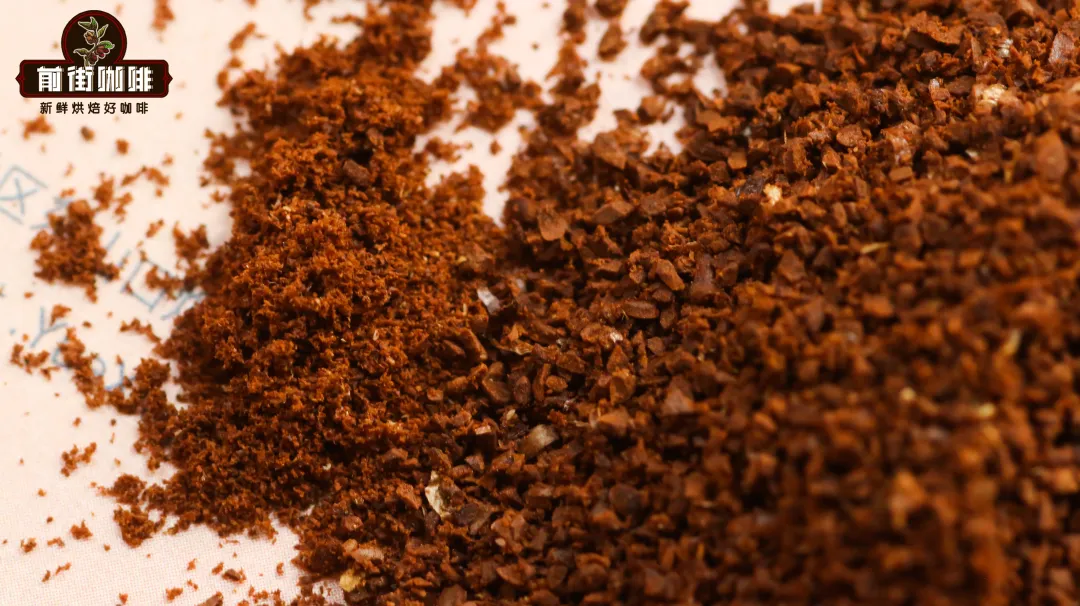
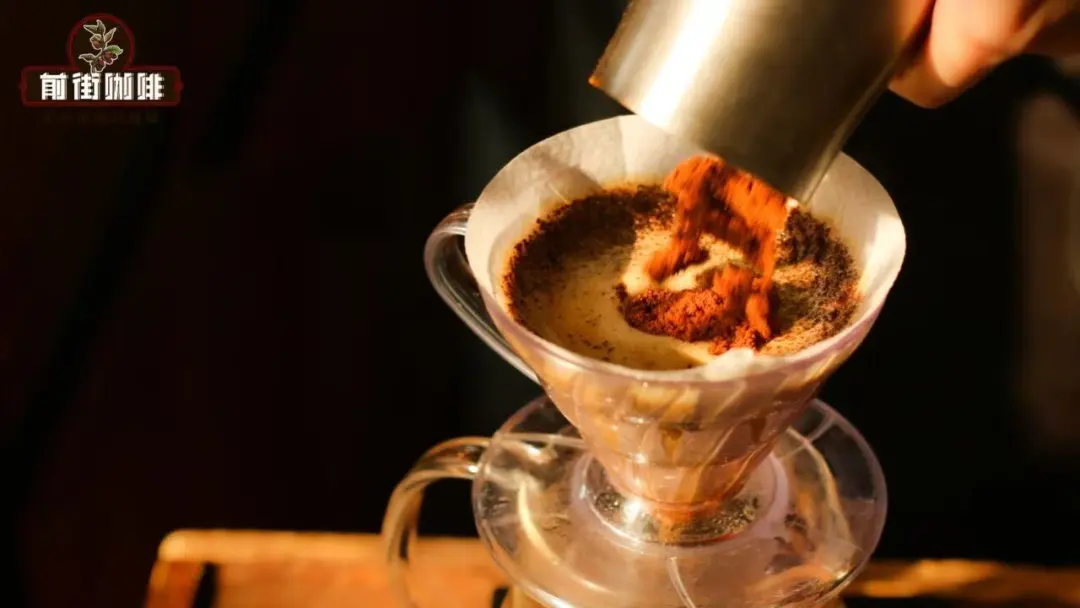
A practical sifting method is quite simple: just prepare a fine-mesh sieve with an aperture diameter of about 0.5 to 1 mm, evenly spread the freshly ground coffee on the sieve, and gently shake or tap the frame to let the fines naturally fall into a receiving container. This process can remove about 15% to 30% of the finest particles, but be careful not to oversift, which could unbalance the medium-coarse particle ratio. Sifted coffee is best used within 15 minutes to maintain freshness and aromatic volatility.
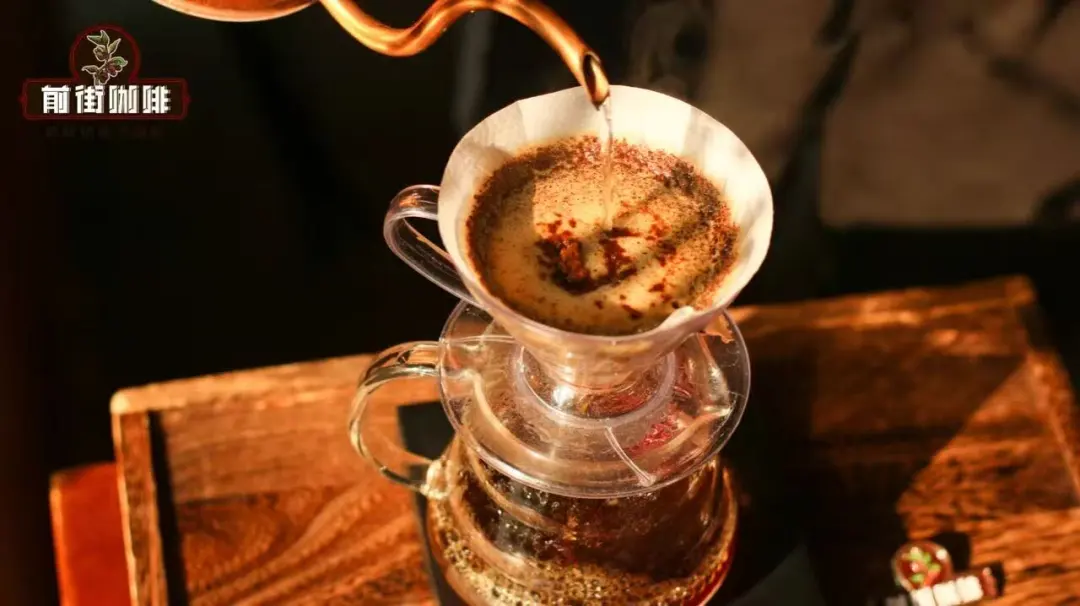
In practice, flow rate control is a key indicator of whether your grind size is appropriate. The ideal pour over brew time should fall between 2 to 3 minutes. If you notice significant resistance in water flow, with drips falling slower than one drop per second, this usually signals too many fines or an overly fine grind. In such cases, try adjusting the grind setting coarser by about half a notch, and check the level of tamping—over-tamping can also cause abnormal flow rate.
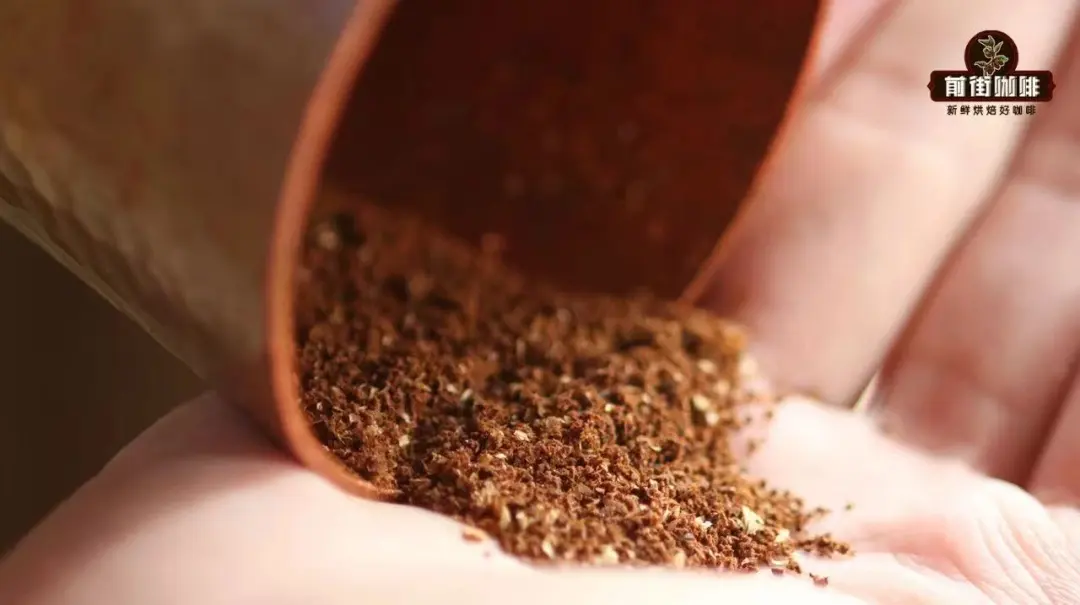
Different roast levels also call for different grind sizes. Light roasts, being denser and more tightly structured, generally benefit from a medium-coarse to coarse grind (around 1.0 to 1.3 mm), which helps fully express bright acidity and complex aroma layers. Medium-dark roasts can be ground slightly finer (0.9 to 1.1 mm) to better extract rich caramel and chocolate notes—but extraction time must be carefully monitored to avoid releasing too much bitterness.
The choice of grinding equipment also affects the proportion of fines produced. Flat burr grinders, due to their cutting mechanism, typically generate more fines but offer better grind uniformity; conical burr grinders produce a more consistent particle size distribution with relatively fewer fines, making them suitable for coffee enthusiasts seeking precision extraction. Regardless of the device chosen, regular maintenance of burr sharpness and cleanliness is a key step in reducing fines.
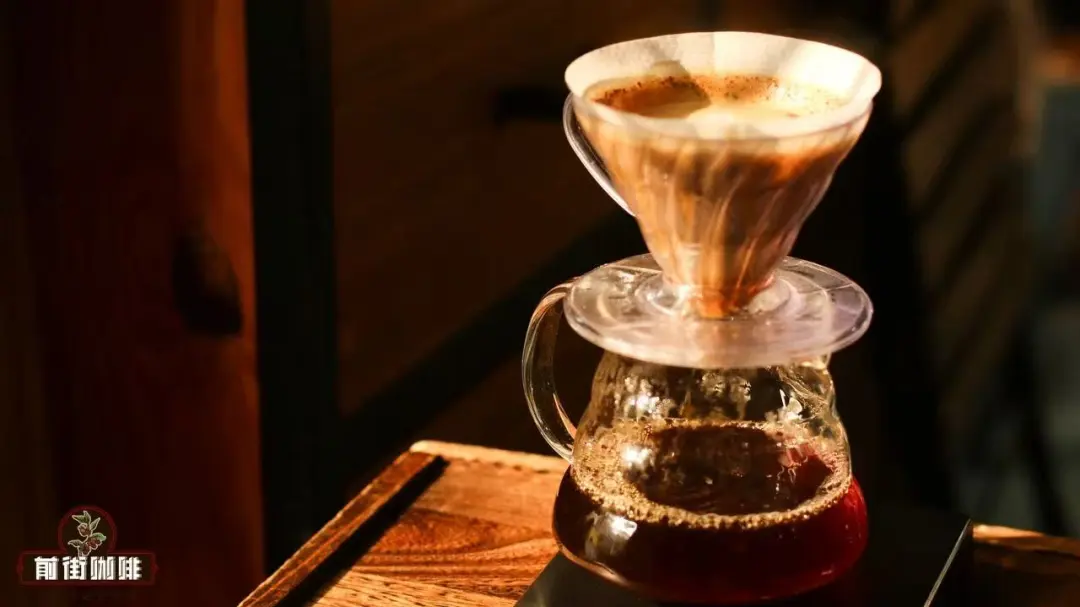
The choice of brewing equipment can either amplify or mitigate the impact of fines. When using cone-shaped filters like the V60, the spiral ribs help promote downward water flow, making them somewhat more tolerant of higher fines ratios. In contrast, flat-bottom filters like the Kalita Wave demand higher uniformity in the coffee bed—excessive fines are more likely to cause uneven extraction. It’s recommended to fine-tune grind parameters based on your regularly used filter type to achieve optimal extraction.
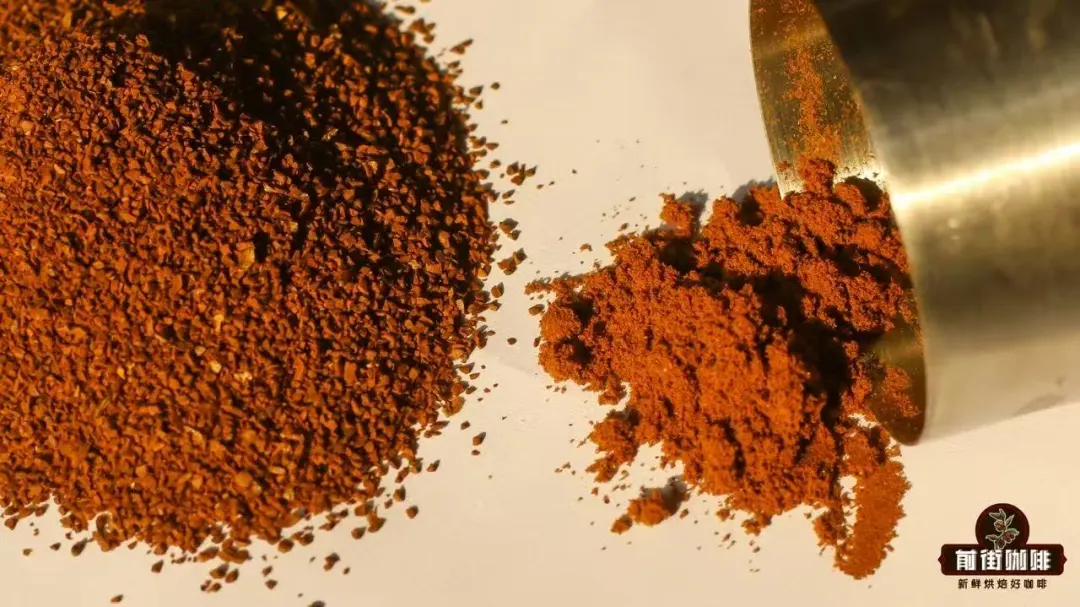
The storage condition of coffee grounds also affects fines characteristics. Freshly ground coffee exhibits the strongest adsorption capacity in the first 30 minutes, rapidly releasing aromatic molecules, but over time, fines are prone to oxidation, producing cardboard or rancid notes. It’s advised to use freshly ground coffee immediately. If pre-grinding is necessary, store it in an airtight container in a cool, dry place and aim to use it within 24 hours to preserve freshness.
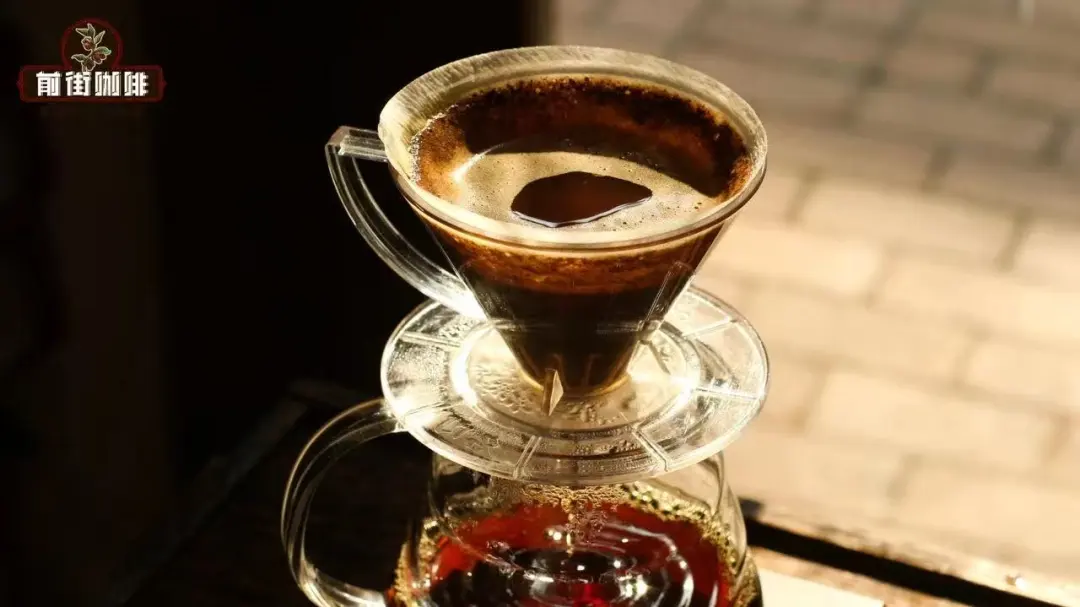
In summary, managing grind size and fines in pour over coffee is an art that requires hands-on experience. From understanding the extraction characteristics of different particle sizes to mastering the timing and methods of sifting, every step influences the final cup’s flavor profile. Coffee enthusiasts are encouraged to make systematic adjustments to brewing parameters, gradually discovering the grind settings that suit their personal taste preferences, and observing changes in flow rate, color, and aroma during actual brewing to build their own brewing database.
The above content is compiled by CoffeeHunters, a coffee news website.


