








Introduction:Freshly roasted coffee beans contain a large amount of carbon dioxide, which can lead to a harsh taste and muted flavors when brewed directly. This article delves into the reasons behind resting freshly roasted beans, provides practical tips such as blooming the grounds to accelerate degassing, adjusting water temperature and grind size, and demonstrates three brewing methods suitable for beginners through real examples — helping you extract smooth and layered coffee even when using freshly roasted beans.
Many coffee enthusiasts have had similar experiences: receiving a bag of freshly roasted coffee beans and being eager to brew and drink it, only to find that the flavor is far from what was expected. This is closely related to the physiological changes that occur after coffee beans are roasted. Freshly roasted beans contain a significant amount of carbon dioxide inside, which not only hinders the extraction of flavor compounds by hot water, but may also result in a noticeable harshness that affects the overall smoothness of the cup.
Professionals recommend letting coffee beans rest for two to three days after roasting to allow internal gases to dissipate naturally, reaching the optimal flavor window. But if you're like many coffee lovers and can't wait to taste your freshly arrived beans, there are several practical methods to improve your brew. Below, we’ll detail three proven approaches, using the common Ethiopian Hamasho coffee beans as an example to illustrate specific brewing parameters.
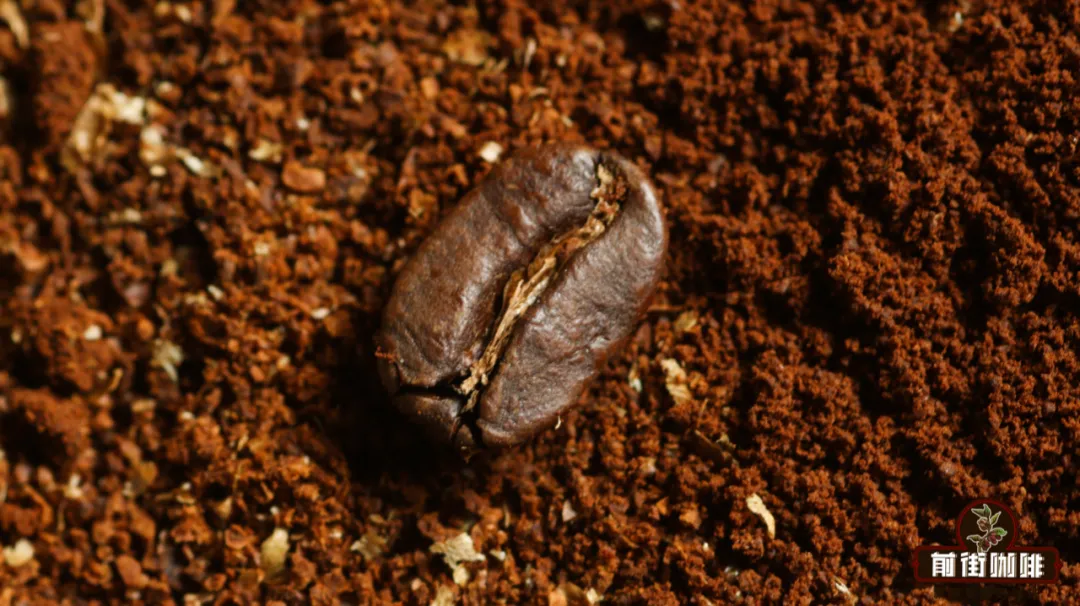
The primary solution is the “blooming” process.Let the ground coffee sit for about two minutes.This allows the increased surface area of the coffee grounds to quickly release the built-up carbon dioxide. It’s important to note that blooming for too long can actually cause the loss of volatile aromatic compounds, so it's recommended to keep it strictly around two minutes (as shown in figure ). This method is simple and doesn’t require any adjustments to your brewing equipment, making it the quickest way to improve your brew.

The second method focuses onadjusting brewing parameters to enhance extraction efficiency. Since freshly roasted beans have higher carbon dioxide content, it’s suggested to increase the water temperature to 93°C (up from 92°C), adjust the grind size to 80% passing through a #20 sieve (approximately medium-fine), and extend the blooming time to 40 seconds. Specific parameters for demonstration: using 15 grams of coffee, a 1:15 coffee-to-water ratio, and a three-stage pouring method — start with a bloom using twice the coffee’s weight in water (about 30ml), then pour 120ml using medium flow in a wide circular motion, and finish with 75ml using a slow stream in a small circle (as shown in figures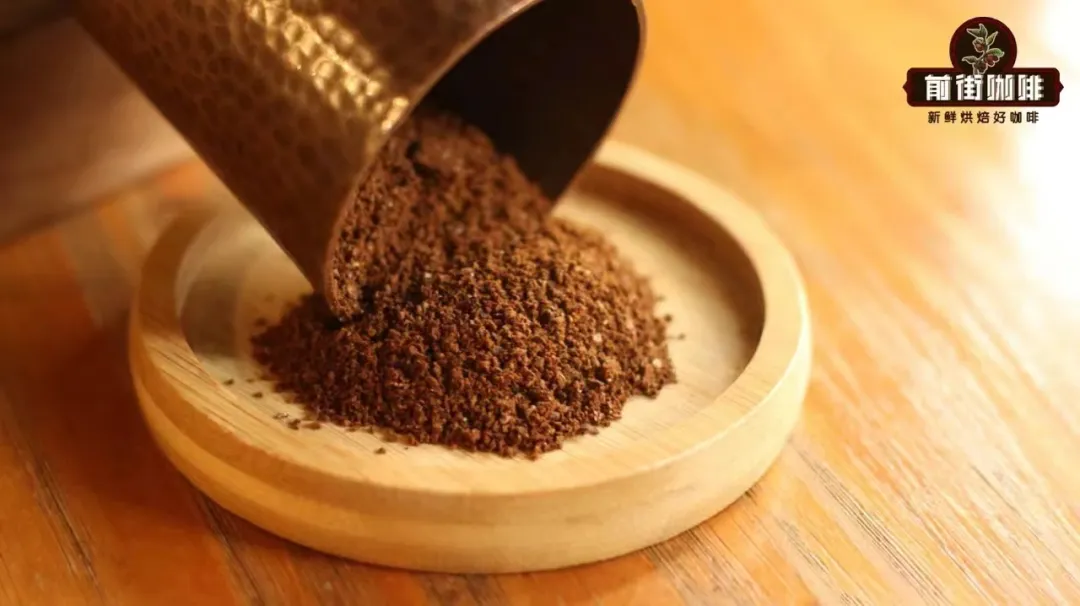 and
 ). This set of parameters effectively counteracts the interference of carbon dioxide while reducing harshness, and in practice can highlight clear fruit notes like strawberry and guava, along with an oolong tea-like finish.
If you’re new to brewing or prefer not to fuss with multiple parameters,immersion brewing is a more beginner-friendly option. Using tools like a French press or a clever dripper, where coffee grounds are steeped directly in hot water, can naturally overcome the issue of carbon dioxide (as shown in figure ). This method has a high tolerance for error — even with extremely fresh beans, as long as you let the coffee grounds bloom for two minutes beforehand, you can still consistently extract a balanced flavor. The recommended steeping time is usually 4 minutes, paired with a coarse grind and appropriate water temperature.
Practical tests show that properly handled freshly roasted beans can deliver significantly improved flavor performance. Compared to regular brewing without adjusted parameters, the optimized methods noticeably reduce harshness and bring out richer fruit and floral layers. For example, Hamasho coffee that has been bloomed and had its parameters adjusted not only features bright acidity but also delicate floral notes and a mellow finish, resulting in an overall smooth mouthfeel without any astringency.
In summary, freshly roasted coffee beans do require time to mature, but through scientific resting, parameter adjustments, or switching to immersion brewing, even beans right off the roast can showcase great flavor potential. Beginners are advised to choose the most suitable method based on their equipment and skill level. If time permits, letting the beans rest for two to three days is still the golden period for unlocking their full flavor.
The above content is compiled by CoffeeHunters, a coffee news website.


