







Introduction:Have you ever wondered if leftover espresso stored in the fridge overnight is still safe—or enjoyable—to drink? Beyond food safety, most coffee enthusiasts are more concerned with whether the flavor changes. In this practical test, using the same Italian-style espresso blend as the base, we compare in detail how overnight refrigeration and freezing affect the flavor of espresso, Americano, and milk coffee—helping you understand how different storage methods impact the taste of your coffee.
If freshly brewed espresso is not consumed immediately and is instead placed in the fridge or freezer overnight, is it still suitable to drink the next day? Aside from basic food safety concerns, most coffee lovers are more interested in whether the flavor significantly deteriorates. This experiment uses the same Italian-style espresso blend, “Strawberry Sugar · Espresso,” as the foundation. The espresso was stored in both the refrigerator and freezer for a full night and then compared comprehensively with freshly brewed espresso in terms of flavor. The comparison covers pure espresso, Americano, and milk coffee, helping you explore the real differences between various storage methods.
From a food safety perspective, as long as it is stored properly, overnight espresso without added sugar or milk will not spoil right away. However, what most people really care about is: does the flavor still meet expectations? Does it develop more complex aromas over time like cold brew, or does it lose its vibrancy and become dull like ordinary coffee left out too long? Below are our test results for both refrigerated and frozen storage. Let’s take a look at the actual flavor performance of overnight espresso.
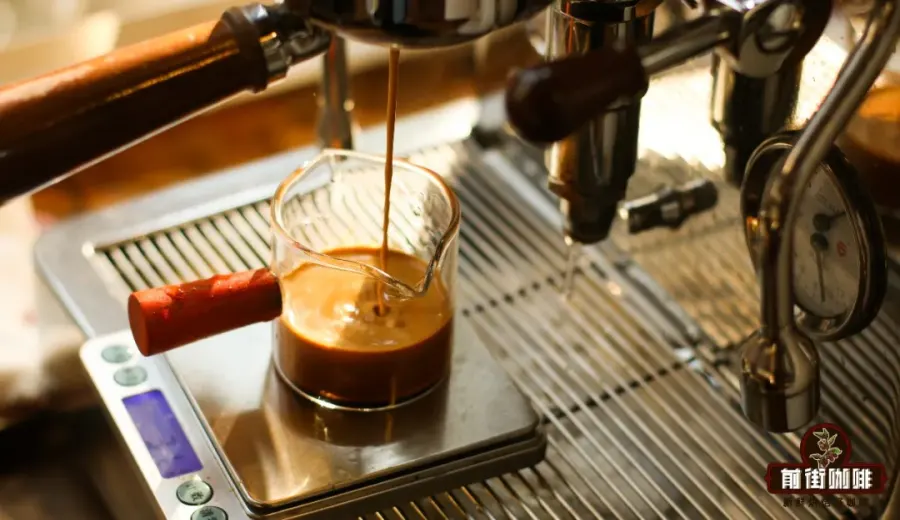
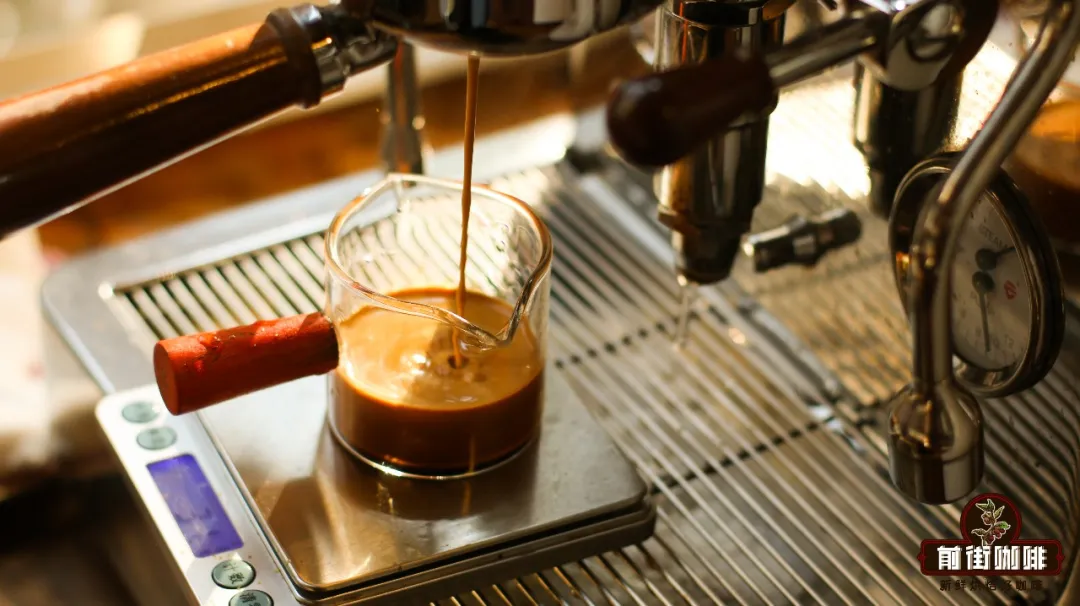
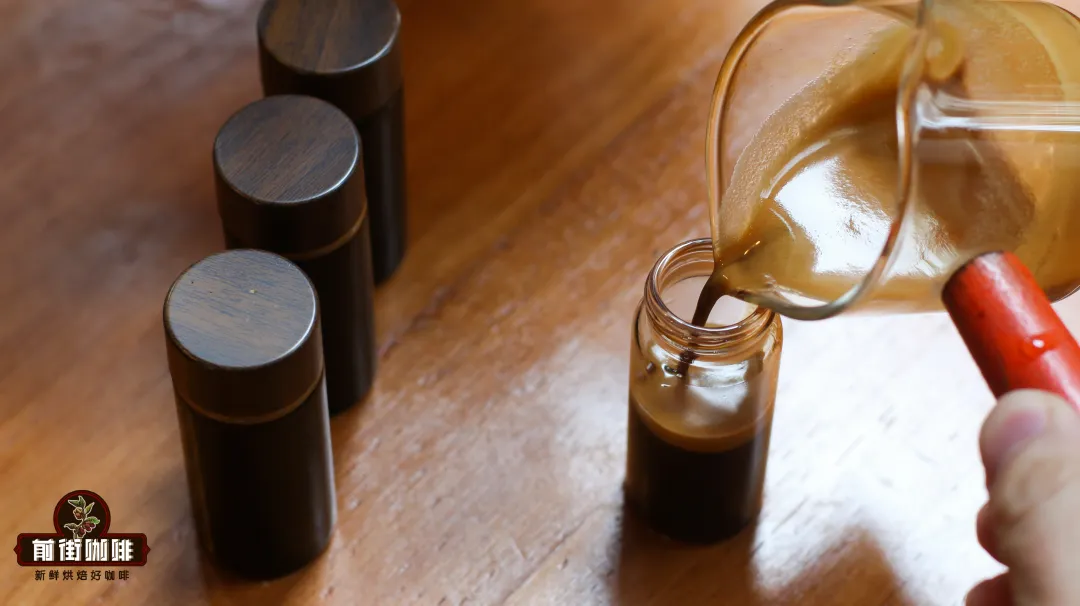
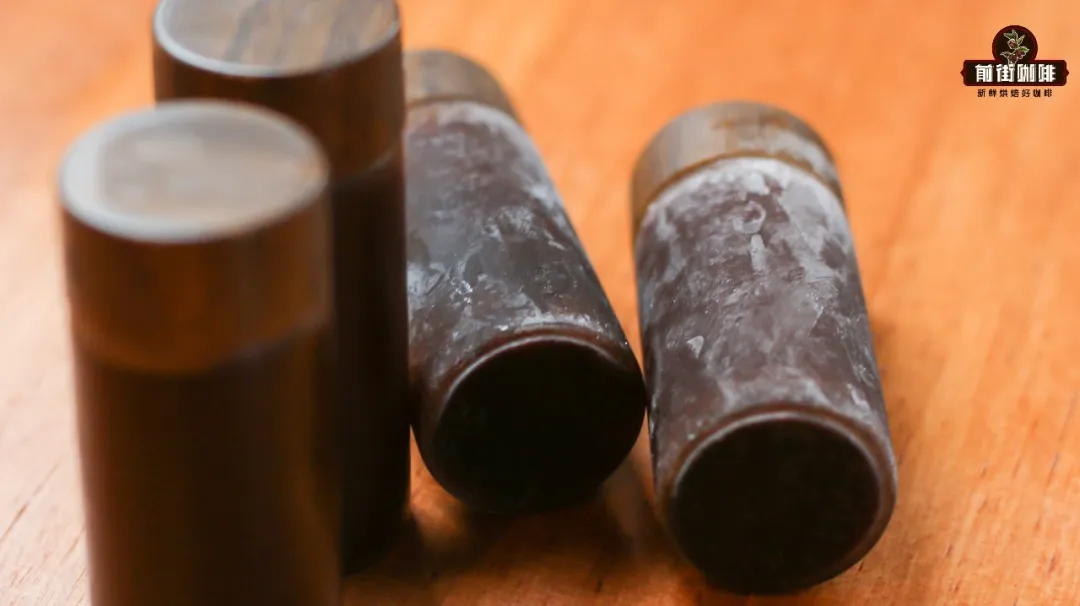
For comparison, we brewed several shots of espresso the night before using fixed parameters: 20g of coffee grounds, a 1:2 coffee-to-water ratio, and a 30-second extraction time. Immediately after brewing, the espresso was poured into sterilized glass bottles, sealed, and stored in the fridge and freezer. The next day, three sets of comparisons were made: pure espresso, Americano (espresso + water), and milk coffee (espresso + milk)—all prepared at a 1:4 ratio to simulate real drinking scenarios.

The differences in the [Espresso Group] were the most obvious. Freshly brewed espresso exhibited a rich aroma profile, including notes of strawberry, floral, chocolate, and cocoa, with an overall flavor profile dominated by sweet and sour tones. The body was rich and the aftertaste long-lasting, while the coffee crema provided a velvety texture. In contrast, the refrigerated and frozen espresso showed significant loss in both aroma and crema, leaving only a basic coffee flavor. Sweetness was reduced, while acidity and bitterness became more pronounced. However,the frozen espresso performed slightly better, with a smoother mouthfeel and even a hint of berry-like aromatic characteristics.
In the [Americano Group], the Americano made with freshly brewed espresso had noticeably more vibrant and intense aroma; the refrigerated and frozen versions showed a decrease in aroma richness. In terms of taste, the difference among the three was not dramatic, with the main distinctions lying in the aroma's complexity and longevity. The freshly brewed Americano felt more lively, while the overnight versions were slightly more muted.
The [Milk Coffee Group] results were surprisingly good. Although the milk coffee made with freshly brewed espresso still ranked highest in both aroma and overall performance—featuring a blend of strawberry, almond, cream, and chocolate flavors that resembled a liquid strawberry cheesecake—the milk coffees made with refrigerated and frozen espresso also performed respectably. The milk coffee made with refrigerated espresso presented a strong cocoa and chocolate tone, accompanied by subtle berry notes, and had a similarly rich mouthfeel. Meanwhile,the milk coffee made with frozen espresso performed even more impressively, with more focused aromas, a thicker texture, and even a faint trace of strawberry flavor. Overall, its performance exceeded expectations.
In summary, while overnight espresso may not match the aroma complexity of freshly brewed coffee, it can still maintain a fairly high drinking quality—especially when frozen, which performed particularly well in overall flavor. However, if you plan to brew espresso in advance, be sure to pay attention to sealing, storage conditions, and how long it’s kept to avoid spoilage risks.
Additionally, although freezing preserves flavor and extends shelf life better than refrigeration, frozen espresso needs to be thawed and brought back to temperature before use. Therefore, it’s recommended to choose the most suitable storage method based on your actual needs and timing, so you can balance convenience with flavor performance.
The above content is compiled by CoffeeHunters, a coffee news website.


