







Introduction:Many people think that black coffee is only bitter or sharply acidic, but in fact, a high-quality cup of black coffee can also showcase delightful sweetness. This sweetness doesn’t come from added sugar, but rather from the combined effects of caramelization during the roasting process and proper extraction methods. This article delves into how different roast levels influence the sweet aromatic profile of coffee, and provides practical pour over tips to help you brew richly layered, distinctly sweet black coffee at home.
Many coffee enthusiasts, when first trying black coffee, are often put off by its bitterness or pronounced acidity, yet overlook the hidden sweet flavors within. In reality, a well-roasted and correctly extracted cup of black coffee can exhibit natural sweetness reminiscent of honey, caramel, or even fruit. This sweetness doesn’t come from sugar itself, but rather from the overall experience brought about by volatile aromatic compounds and moderate extraction.
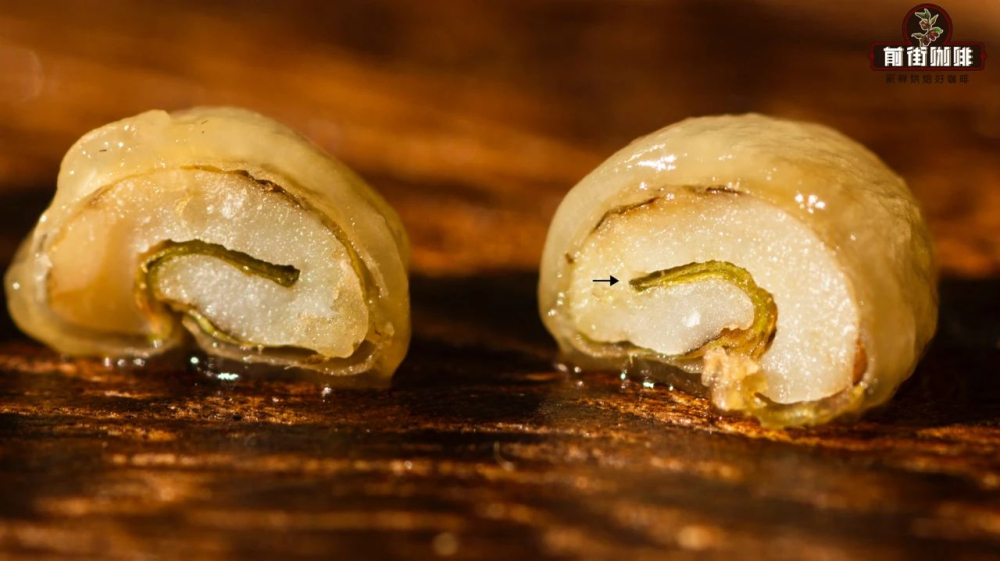
People often wonder: “How can black coffee possibly be sweet?” This actually involves how we define “sweet.” Raw coffee beans contain about 50% carbohydrates, of which sucrose accounts for only around 8%, and most polysaccharides are almost insoluble in water and lack noticeable sweetness. After roasting, sucrose transforms into complex compounds like caramel, which, together with volatile aromatic molecules, create what we perceive as “sweetness” through both smell and taste.
If you’ve ever noticed aromas similar to honey, caramel, or even fruit candy while sipping black coffee, those are the sources of its sweetness. The presentation of these flavor layers is closely related to the roast level. Light roasts emphasize the bean’s inherent characteristics, often featuring bright fruity acidity and fresh sweet notes; medium roasts balance acidity, sweetness, and bitterness, with prominent caramel and nutty tones; dark roasts enhance the caramelization process, yielding intense caramel, chocolate, and dark syrupy flavors.
From actual tasting experiences, light roast coffees often present sweet notes like honey, pomelo, or mango—these bright fruit-like sweetnesses mainly come from terpene ketone compounds produced during roasting, commonly found in sun-dried beans from high-altitude regions like Ethiopia. If you prefer mellow sweetness, pay attention to medium roast coffees that showcase chocolate, caramel, and dried fruit flavors; these sweet profiles often stem from furanone compounds, frequently seen in medium-roast beans from Central and South America and some Asian regions. For those who dislike pronounced acidity, the caramel, maple, and toffee aftertastes of dark roast coffees are often the more suitable choice.
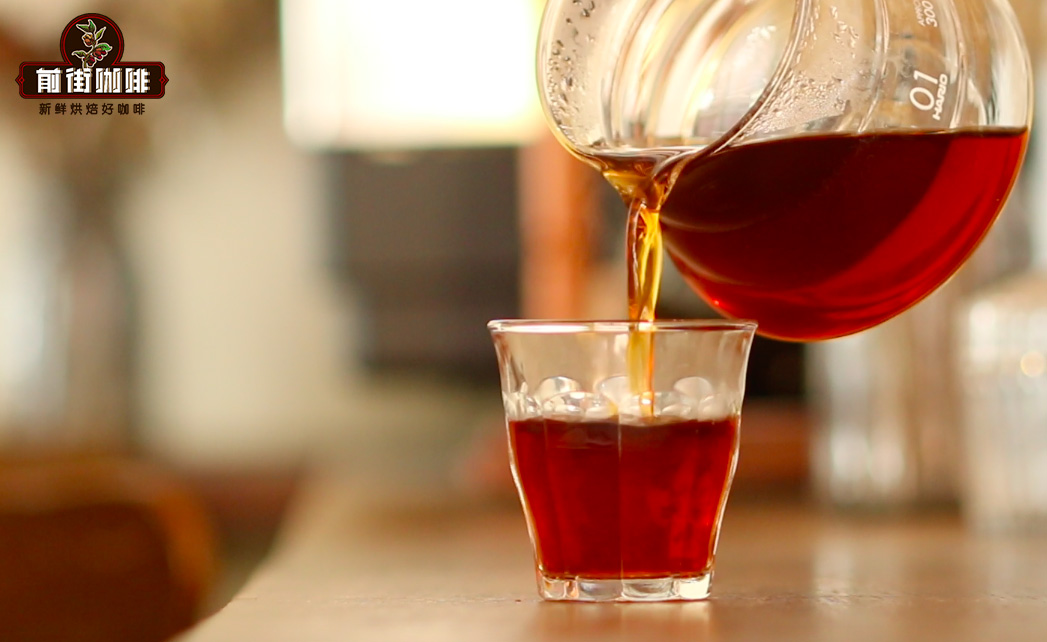
Beyond selecting coffee beans with the right roast level, pour over technique also greatly impacts the expression of sweetness. Many baristas have found that, while controlling brew time, appropriately adjusting pouring methods and grind size can effectively increase the extraction ratio of sweet compounds. Take the medium-light roasted Ethiopian Huakui, for example—this sun-dried bean has distinct strawberry and honey sweetness and is well-suited for brewing with a V60 filter.
It is recommended to refer to the following practical parameters: 15 grams of coffee, using a #20 sieve to sift out 75%–80% passing rate coffee grounds (approximately equivalent to Ek43 grinder setting 10), with a brew ratio of 1:15, and water temperature controlled at around 92°C. Begin with 30 milliliters of hot water for a 30-second bloom, a step that helps release carbon dioxide from the coffee grounds and lays a solid foundation for subsequent extraction.
After the bloom, switch to a slightly larger water flow, pouring in large circles at about 6 milliliters per second, for a total of approximately 120 milliliters, ideally completed within 20 seconds. When the water level drops and the coffee bed forms a bowl shape, narrow the pouring area to the center and reduce the flow rate. For the third pour, switch to a smaller stream, pouring in small circles at the center at about 4 milliliters per second for 75 milliliters, extending the extraction time to ensure the full release of sweetness and body. Keeping the total brew time around 2 minutes and 15 seconds will yield a cup of coffee with prominent sweetness and rich layers.
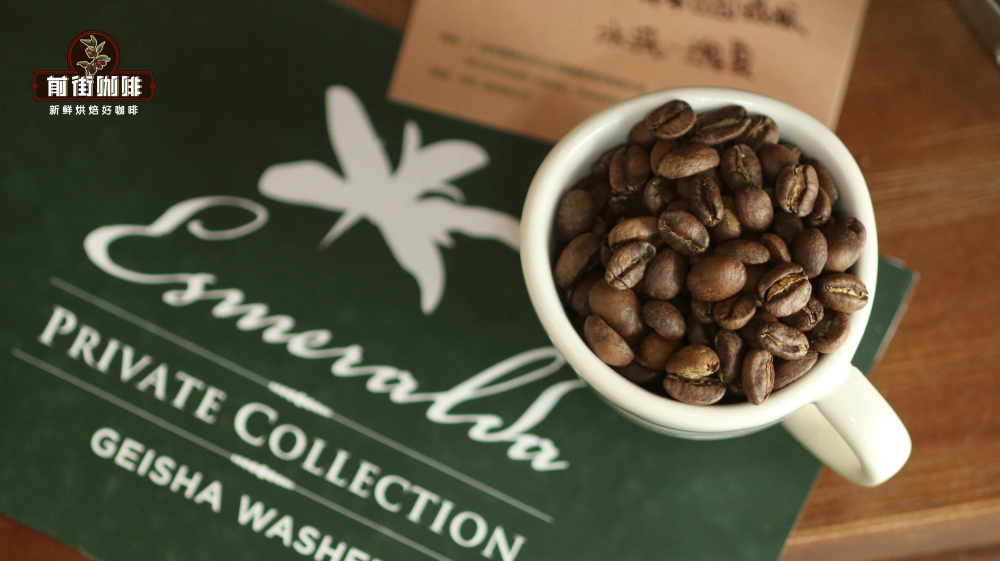
Through this extraction method, you can perceive distinct floral notes such as orange blossom, strawberry, and citrus, with an aftertaste reminiscent of the mellow richness of oolong tea. The berry notes linger on the palate, creating a balanced and layered overall profile. This expression of sweetness comes not only from the intrinsic qualities of the coffee beans, but also from the precise selection of roast level and the finesse of the brewing technique.
The above content is compiled by CoffeeHunters, a coffee news website.


