








Introduction:Many coffee enthusiasts seek a cup with pronounced sweetness, not only because sweetness brings pleasure but also because it balances acidity and bitterness, enhancing the overall flavor profile. This article selects four coffee beans with outstanding sweetness, including Panamanian Geisha, Mozart, Queen Estate, and Golden Mandheling, and provides different pour over strategies for medium-light and medium-dark roasts. From water temperature, grind size, pouring techniques to filter choice, we help you easily extract the natural sweetness in coffee.
Sweetness in coffee does not exist alone but is highlighted through the interplay with acidity and bitterness, creating a well-rounded and complex experience. Light roast coffee often showcases a sweet-sour balance through high acidity and fruity notes, while dark roast achieves a rich sweetness via caramelization, producing flavors like maple or brown sugar. This article recommends four coffees with distinct and sweet profiles, offering practical pour over tips and parameter settings for both medium-light and medium-dark roasts, so you can brew balanced, sweet cups at home.

Why do we always want our coffee to taste sweeter? In fact, sweetness effectively stimulates dopamine release in the brain, bringing a sense of satisfaction and pleasure. However, sweetness in coffee is not isolated—it relies on the balance with acidity and bitterness to shine. For example, light roasts, due to their lower bitterness, often express sweetness through fruity acid profiles like citrus and berries. In contrast, dark roasts, with prominent caramelization, tend to showcase sweetness as caramel, maple, or brown sugar, accompanied by intense chocolate and nut aromas.
Next, we’ll introduce four coffee beans that excel in sweetness, each with a unique flavor profile suited to different roast preferences.
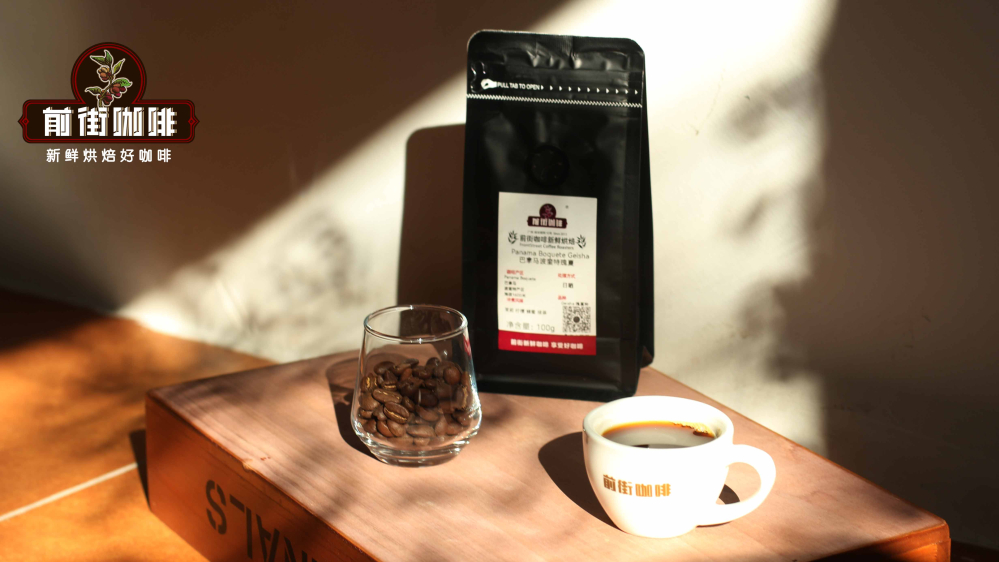
The first is Panamanian Boquete Geisha, known for its bright citrus and floral notes. Its flavors include jasmine, honey, orange, peach, and tea, with a sweet and soft mouthfeel—perfect for those who enjoy fresh and fruity profiles.
The second is Mozart coffee beans, featuring rich ripe fruit aromas. Flavors include raisin, osmanthus, orange blossom, cream, and fermentation notes. It offers a mature, layered sweetness, ideal for coffee lovers who enjoy complex profiles.
The third is Queen Estate coffee beans, showcasing strong chocolate and nut tones. Flavors include chocolate, creamy peanut, cane sugar, and nuts, with a clean aftertaste. It’s a great choice for those who prefer a full-bodied cup.
The fourth is Golden Mandheling coffee beans, renowned for its rich and bold flavors. These include caramel, spices, dark chocolate, pine, and herbs, with a long-lasting finish. It suits drinkers who favor dark roasts and intense taste profiles.
For medium-light roasted coffee beans, which have bright acidity and delicate sweetness, our goal is to bring out the mid-palate sweetness while avoiding bitterness from over-extraction. Many people under-extract out of fear of bitterness, but with the right technique, you can actually elevate the sweetness.
If you feel your current brew lacks sweetness, try these practical tips: First,Increase the water temperature by about 2°C. A higher temperature speeds up extraction efficiency, helping release more sweet compounds—especially helpful for beans with overly prominent acidity. Second,Sift out coarse grounds. The common pour over grind sieve is 0.85mm; if the passing rate is 80%, then grounds larger than this are considered coarse. Coarse grounds extract more slowly, and removing them can enhance sweetness.

Third, pay attention topouring technique. It’s recommended to pour in three stages (including the bloom). For example, with 15g of coffee, use 25ml, 125ml, and 90ml of water. Maintain a steady flow and pour in a consistent spiral motion to evenly extract the mid-range sweetness. These techniques can be combined flexibly based on your actual setup.
As for medium-dark roasted coffee beans, their flavors are dominated by caramel, chocolate, and nuts, with sweetness often accompanied by bold bitterness. Improper brewing can easily lead to overly bitter or astringent results. Therefore, we recommend ahigh concentration, low extractionapproach to minimize negative flavors from over-extraction.
It’s suggested to use a slower-flow filter, such as the Kono dripper, paired witha 0.85mm sieve with 68% passing rate grind. Set the coffee-to-water ratio at 1:13, and control the water temperature around 88°C. For specific brewing, start with a 30ml bloom for 30 seconds, then slowly pour up to 195ml using gentle small-circle pours, allowing the coffee to steep fully. This immersion-style extraction brings out sweetness while avoiding excessive bitterness. When parameters are well-controlled, this method usually results in a rich cup with pronounced sweetness.
The above content is compiled by CoffeeHunters, a coffee news website.


