







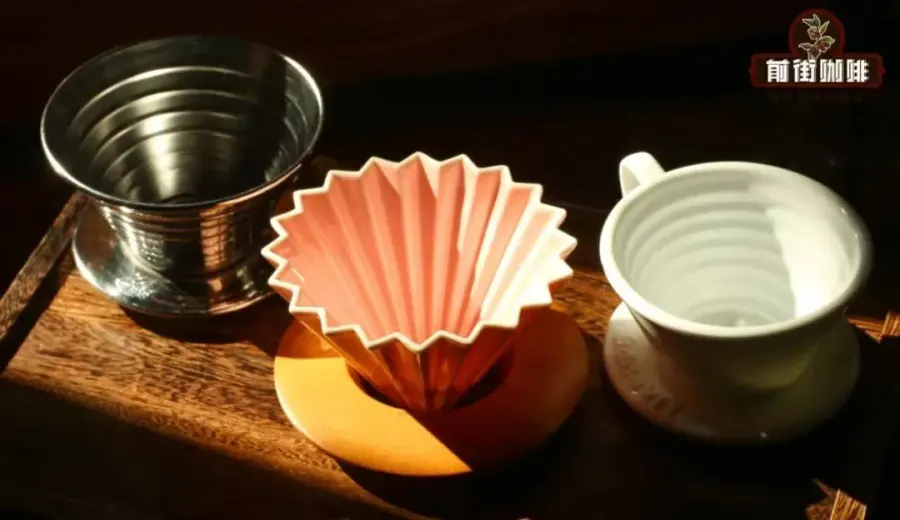
Introduction:Flat-bottomed pour-over drippers such as the Kalita Wave, compared to the commonly seen V60 cone-shaped dripper, exhibit significant differences in design and extraction characteristics. This article delves into a comparative analysis of the structural principles of both, explaining how the flat-bottomed dripper influences coffee extraction uniformity and flavor expression, while also providing practical pouring techniques and parameter settings tailored for the Kalita-style dripper—making it easy even for beginners to master the brewing essentials of flat-bottomed drippers.
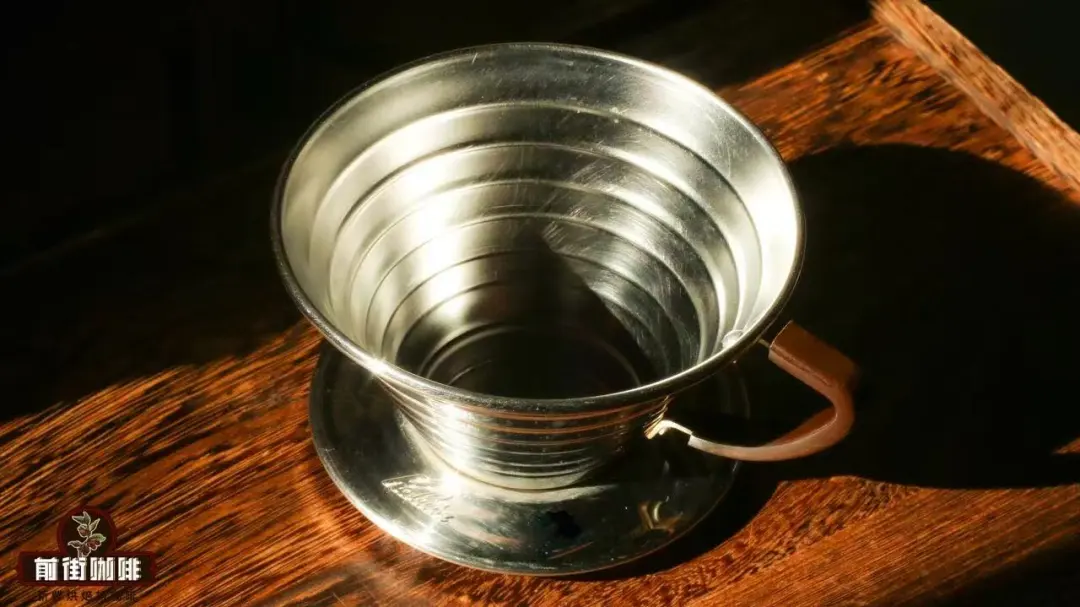
In the world of pour-over coffee, the design of the dripper directly impacts coffee grounds distribution, water flow patterns, and overall extraction performance. Among them, the Kalita-style (cake) dripper and the V60 cone dripper are the two most frequently compared types. The Kalita-style dripper gets its name from its flat base and the shape of the filter paper, which resembles a cake baking mold. Its unique structure offers a brewing flavor and handling experience that is distinctly different from the V60.
The most distinctive feature of the Kalita-style dripper lies in its flat bottom design.This results in a thinner coffee bed for the same amount of coffee grounds, and the thickness of the coffee layer remains relatively even from the center to the edges. This uniform distribution allows water to pass through each coffee particle along a more consistent path, thereby improving overall extraction uniformity. In contrast, the conical structure of the V60 tends to create a thicker coffee bed at the center and a thinner one at the edges, requiring more precise pouring control to achieve ideal extraction.
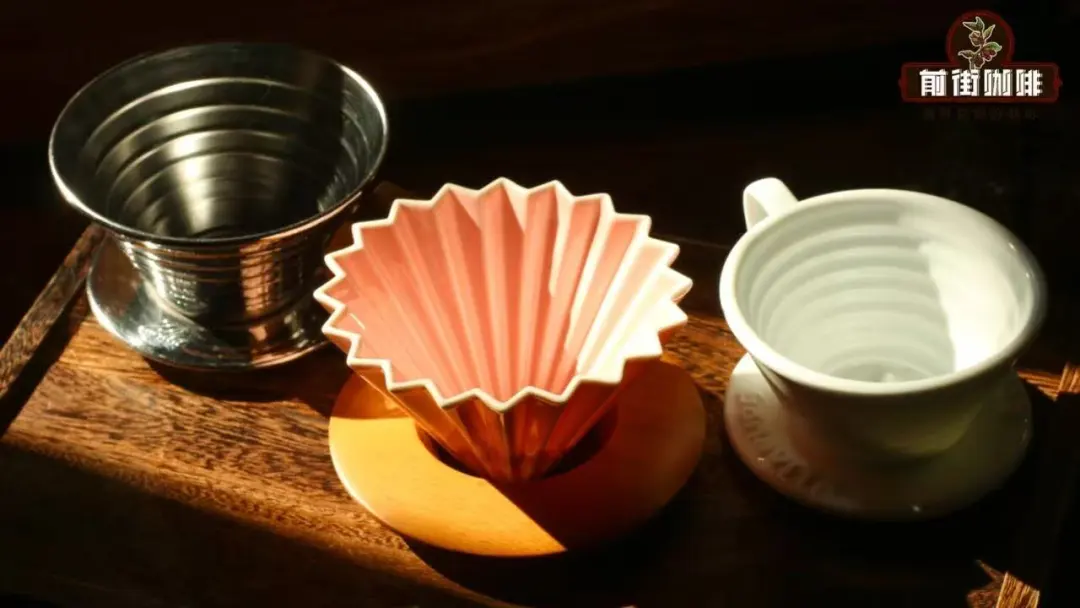
For this reason, when using a Kalita-style dripper,there’s no need to frequently adjust the pouring position.By maintaining a steady water flow and simply using a gentle circular pouring motion, you can brew coffee with balanced flavors. This is a major advantage for beginners or those who are not adept at controlling the pouring area. Even if your pouring technique is still a work in progress, you can easily produce a cup of coffee with harmonious flavors and a smooth mouthfeel.
However, the extraction characteristics of flat-bottomed drippers also have their limitations. Due to the thinner coffee bed, compared to the V60, coffee brewed with a Kalita-style dripper oftenexhibits less pronounced layering in flavor,but offers a richer body and better overall balance. Additionally,most Kalita-style drippers have a relatively slower drainage rate,which means you’ll need to fine-tune grind size and water temperature according to the beans’ characteristics to avoid over-extraction or under-extraction.
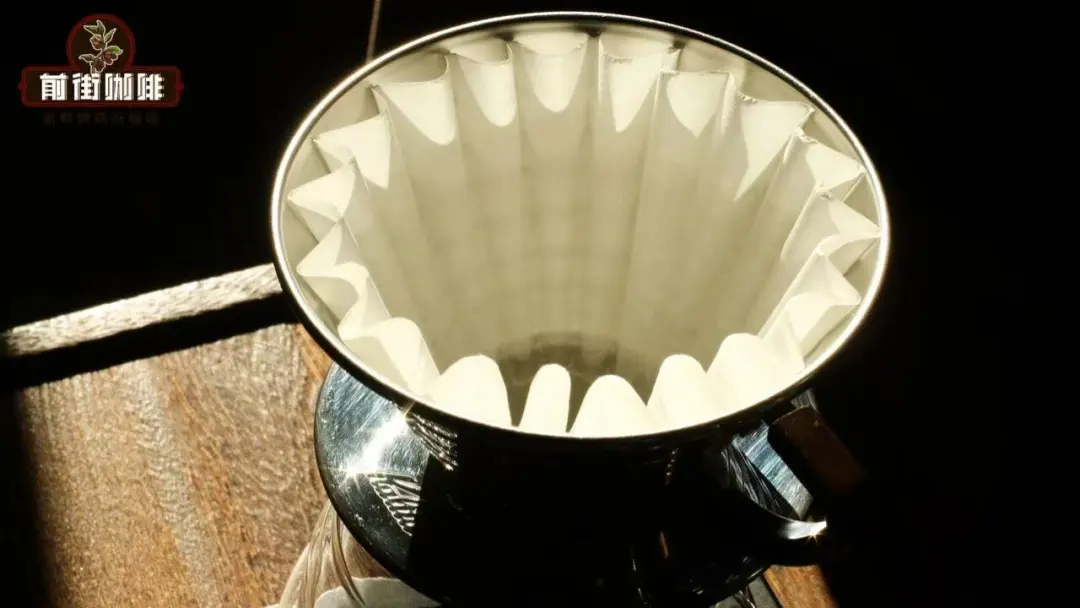
To optimize extraction results based on these characteristics of the Kalita-style dripper, adjustments can be made in grind coarseness, water temperature, and pouring technique. Taking the Origami Kalita-style dripper as an example, when paired with the Ethiopian Hamasho variety, it can fully showcase the strengths of a flat-bottomed dripper. Below are the recommended parameters and steps for actual brewing:
Coffee dose:15 grams
Brew ratio:1:15
Grind size:Using the Ek43 grinder, set to around 10.5, which is roughly equivalent to a 20-mesh sieve passage rate of about 70% to 75%. This is slightly coarser than the usual grind setting, helping to extend the extraction time and prevent over-extraction.
Water temperature:It is recommended to use medium-high temperature water at around 92°C, which helps better highlight the fruity acidity and floral notes of Ethiopian beans.
For the bloom phase, use about 30 ml of water (twice the coffee dose), with a bloom time of around 30 seconds. After blooming, proceed with the second and third pours using a moderate water flow, following a “mosquito coil” pattern—that is, a vortex-like pouring method moving from the inside out, then back from the outside in. This promotes even water penetration across the entire coffee bed. Pour 120 ml in the second pour and 75 ml in the third pour. After each pour, wait until the water has completely drained through the dripper before proceeding to the next pour. The total brew time should be around 2 minutes and 15 seconds.
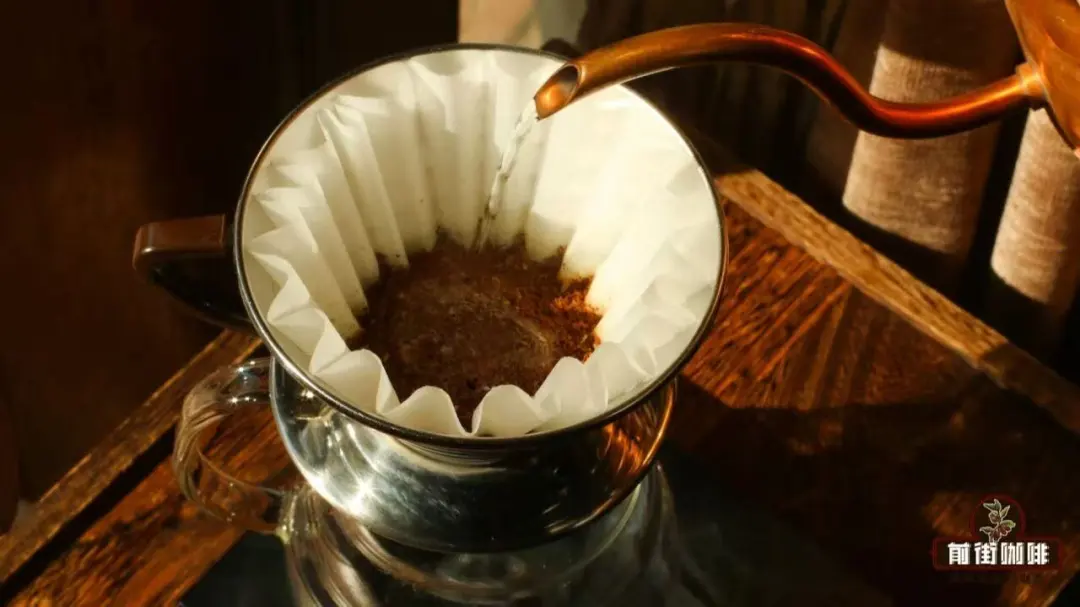
This method is simple and easy to follow. There’s no need to precisely control the pouring area—as long as you maintain a stable flow and pour in a consistent circular motion, you can complete the brew effortlessly. Upon tasting, the Hamasho coffee brewed with the Kalita-style dripper reveals bright notes of berries and guava acidity, accompanied by soft floral tones and a sweet hint of peach. The overall mouthfeel is full-bodied and layered, making it a prime example of the potential of the flat-bottomed dripper.
In summary,the Kalita-style dripper is well-suited for pour-over enthusiasts seeking stable and balanced flavors,especially for beginners who are not yet skilled in pouring techniques. It’s a user-friendly and easy-to-control option. If you’re already familiar with the V60, give the Kalita-style dripper a try to experience the different extraction dynamics and flavor profiles it offers.
The above content is compiled by CoffeeHunters, a coffee news website.


