







Introduction:Want to understand the fundamental differences in extraction techniques between Single Origin Espresso (SOE) and pour over single-origin coffee? This article delves into the extraction principles, roasting strategies, and bean selection essentials of SOE, while comparing its key flavor distinctions with pour over coffee. We also carefully selected five specialty coffee beans ideal for making SOE, including a Geisha SOE specifically designed for espresso, complete with full flavor descriptions and practical references to help you find your ideal bean.
SOE (Single Origin Espresso), or Single Origin Espresso coffee, has sparked a wave of bright acidity in the specialty coffee scene in recent years, becoming a signature drink in many cafés. Many coffee enthusiasts also purchase beans to try brewing at home. However, the extraction of SOE is fundamentally different from common pour over single-origin coffee, both in principle and challenge. The former is rapidly extracted under high temperature and high pressure using an espresso machine, while the latter slowly releases flavors through drip filtration at ambient temperature and pressure. For this reason, bean selection and roast level are especially critical for SOE—mismanagement can easily lead to sharp acidity or thin body.
This article will detail the extraction characteristics and bean selection logic of SOE, and through five uniquely flavored and SOE-suitable coffee beans—including a certain brand’s Geisha SOE designed specifically for espresso—we’ll guide you through their distinctive flavor profiles, helping you better understand how to select and brew a satisfying SOE.

SOE, short for Single Origin Espresso, refers to using single-origin coffee beans to make espresso, as opposed to common blends. Though relatively new, this concept has gradually become a market favorite due to its bright, clear acidity and layered flavors. More and more consumers not only enjoy it in cafés but also start buying beans to brew at home. So, which coffee beans are suitable for making SOE?
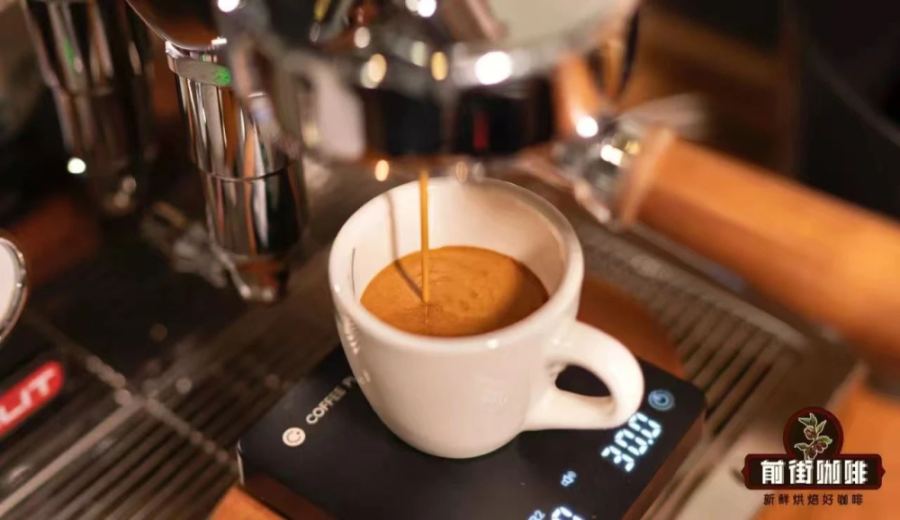
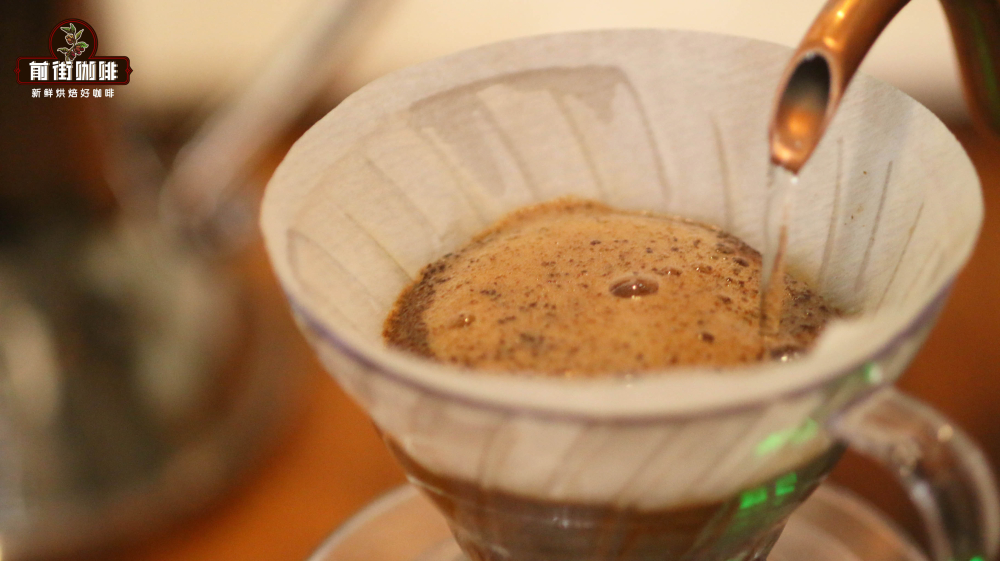
First, let’s look at the fundamental difference in extraction methods between SOE and pour over coffee. SOE is extracted using an espresso machine under high temperature (about 90–96°C) and high pressure (about 9–10 bar), quickly pulling finely ground coffee into espresso. This high-pressure extraction highly concentrates the coffee’s flavor compounds, acidity, and sweetness in an extremely short time (usually 25–30 seconds). In contrast, pour over coffee is extracted at ambient temperature and pressure, where hot water slowly passes through loosely packed coffee grounds via drip filtration, extracting flavors more gently and over a longer period (usually 2–4 minutes).
Due to the vastly different physical conditions of these two extraction methods, adjustments must also be made in bean selection and roasting strategy. Especially for SOE, using an overly light-roasted single-origin bean often leads to under-extraction due to difficulty in releasing flavor compounds, resulting in sharp acidity or a thin body. Therefore, when making SOE, it’s common to adjust to a finer grind, slightly higher water temperature, or even moderately extend extraction time or increase coffee dose to ensure sufficient extraction yield and flavor balance.
Additionally, each single-origin coffee has its unique regional flavor characteristics—for example, a certain brand’s Yirgacheffe is known for its bright citrus and lemon acidity, while Blue Mountain coffee showcases rich dark chocolate and caramel aromas. The challenge with SOE is how to faithfully present these regional flavor traits even under high-pressure extraction. If roasted too dark, the aromas can be masked by heavy bitterness; if roasted too light, extraction may be incomplete, resulting in muted flavors. Therefore, choosing a coffee bean that can both express its regional characteristics and adapt to espresso’s high-pressure extraction is key to crafting a high-quality SOE.
A memorable SOE starts with high-quality coffee beans. A certain brand has always adhered to the philosophy of “freshly roasted great coffee,” with all its beans being fresh batches roasted within 5 days, ensuring optimal aroma and flavor. Below are five specialty coffee beans suitable for making SOE, each showcasing different flavor profiles, catering to various preferences among coffee lovers.
First up is a certain brand’s Yirgacheffe Red Cherry coffee beans. These beans are known for their high sweetness and rich fruit aromas when used for pour over. When used for SOE, it’s recommended to adjust the grind to finer and slightly increase the water temperature. The resulting crema is fine and light yellow, with distinct berry and caramel aromas, balanced sweet and sour notes, and a clean, refreshing mouthfeel. Adding hot milk further brings out a honey-like sweet finish.
Next is a certain brand’s Papua New Guinea Bird of Paradise coffee beans. These beans are medium roasted, retaining some citrus acidity while also offering warm toasty aromas. As an SOE, they showcase enchanting nutty and creamy aromas, paired with milk to deliver a smooth texture like chocolate cream, with an overall gentle flavor and a hint of cocoa in the aftertaste—perfect for those who prefer balanced profiles.
The third recommendation is a certain brand’s Mozart coffee beans, part of the Costa Rica Musician Series, using anaerobic honey processing. This method retains the mucilage layer before drying for sealed fermentation, significantly enhancing sweetness. When brewed via pour over, one can taste intense rose floral notes and raisin-like sweetness, while as an SOE, it transforms into rich tropical fruit aromas and noticeable fermented flavors, with layers that are both complex and distinctive.
For those who prefer bold and rich flavors, consider a certain brand’s Queen Estate Yellow Bourbon coffee beans. These Brazilian beans, after medium-dark roasting, exhibit intense nutty, creamy, and peanut aromas, with a lingering smooth chocolatey sweetness. When pulled as an SOE, the crema is thick and stable, making it ideal for milk-based drinks, with a full-bodied flavor and long-lasting aroma.
Finally, we’d like to specially introduce a certain brand’s Geisha SOE coffee beans. These beans are a variety specifically designed for espresso, being a sun-dried Ethiopian specialty bean. The new season’s Geisha offers aromas of strawberry, guava, and dried mango. After medium roasting, the acidity transforms into a light tartness of ripe blueberry, lemon, and berries. When brewed as Americano, subtle floral notes can still be detected—a highly expressive and uniquely flavored SOE-dedicated bean.
The above content is compiled by CoffeeHunters, a coffee news website.


