







Introduction:Recently, some Starbucks outlets have removed power sockets under their seating areas, sparking public debate among consumers about office convenience and the allocation of seating resources. This article delves into the background of the incident, presents different perspectives, explores the operational trade-offs coffee brands face when creating a “third place,” and provides practical suggestions to help readers find their ideal coffee spot.
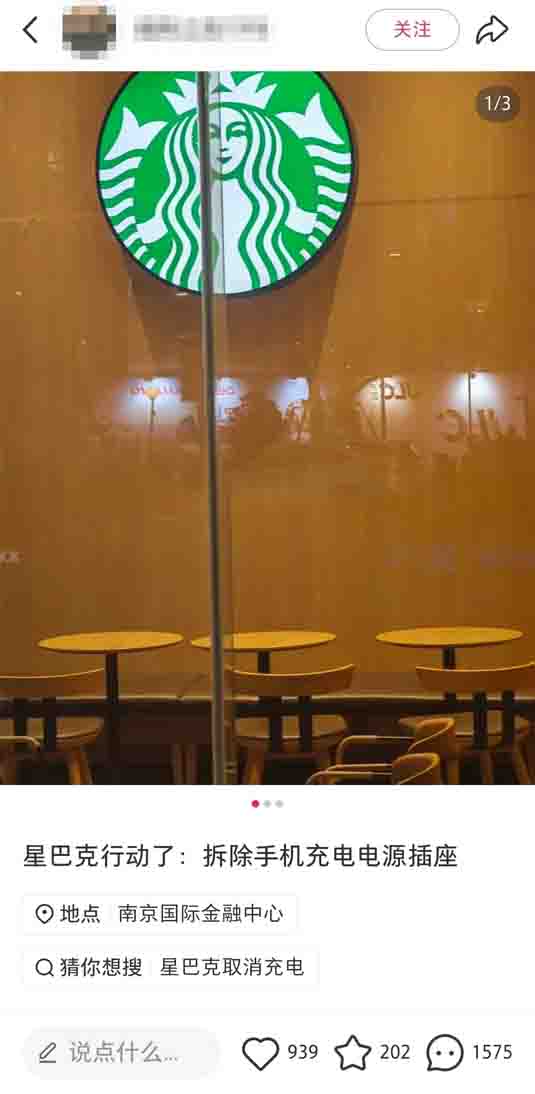
Recently, a social media post circulated about Starbucks adjusting power outlets in customer seating areas. A branch in Nanjing was found to have sealed off the power sockets under its sofa seats, discontinuing charging services. This change quickly triggered online discussion, with many regular customers expressing confusion. They noted that Starbucks has long attracted office workers and students by offering a comfortable environment and ample power supply, and that removing the sockets would negatively impact their in-store experience.
In fact, many consumers are accustomed to using the power sockets at Starbucks to charge their laptops, tablets, or phones, especially at urban outlets where such customers often stay for extended periods. The removal of these sockets not only risks reducing customer satisfaction but also raises questions about whether the brand is redefining the service concept of its “third space.” One netizen bluntly stated, “A coffee that costs over forty yuan—does that not include the right to do some quick work?” Others commented that if charging isn’t available, they’d rather choose competing brands like Luckin.
However, some consumers support the removal of the sockets. They pointed out that since the sockets were freely available, it was common for non-paying individuals to occupy seats just to charge their electronic devices, affecting paying customers who actually wanted to sit. One comment read, “Many people sit all day without buying anything—it’s about time this was addressed.” Supporters argue that removing the sockets can help improve seat turnover rates and ensure that resources go to customers who make actual purchases.
In response to public concerns, media outlets contacted the involved branch and Starbucks customer service for clarification. According to the manager of the Starbucks Nanjing International Finance Centre outlet, the seating area has never been equipped with power sockets since the store opened, primarily due to the building’s mezzanine location, which is constrained by architectural structure and electrical configurations—not a recent removal. Additionally, during renovations in 2025, sofa seats from other branches were relocated to this store, so some seats still have visible socket boxes underneath, though they are not actually connected to power.
A Starbucks service hotline representative further explained that the brand does not mandate all outlets to install sockets. Each branch can independently assess whether to provide socket services based on actual operational conditions and spatial constraints. This means that socket installation is not a uniform standard across the brand, but rather adjusted according to the branch’s location, building facilities, and management strategies.
This incident highlights the dilemma coffee brands face when managing a “third place”: on one hand, they aim to offer a comfortable and convenient environment to attract customers who stay for long periods, especially office workers and students; on the other hand, they must balance seating resources to prevent non-paying occupants from affecting operational efficiency. Observers have noted that some outlets may try to accommodate both needs by providing a limited number of sockets or prioritizing those who purchase higher-priced items.
In response to the socket usage controversy, some netizens have proposed the idea of “scanning a consumption code to activate power,” suggesting that this method could retain socket functionality while effectively reducing occupation by non-paying customers. While no outlet has adopted this model yet, it could potentially become one of the future solutions for balancing resources and services.
In summary, Starbucks’ recent socket adjustments are not a brand-wide policy, but rather arrangements made by a single outlet due to architectural conditions and historical factors. For consumers who have specific needs regarding sockets and an office-friendly environment, it is recommended to check the relevant facility information in advance through the official app or social media platforms to ensure the best possible experience.
The above content is compiled by CoffeeHunters, a coffee news website.


