








Introduction:Even coffee beans from Ethiopia, when processed differently—as either natural (sun-dried) or washed—can yield vastly different aromas and flavors in the cup. It’s often said that “washed processes tend to be more acidic, while natural processes are sweeter,” but what are the key factors behind these differences? This article delves into the actual steps of both processing methods, fermentation conditions, drying times, and other technical details, combined with the brewing performance of specific coffee beans, to help you quickly identify the processing method from the flavor profile and gain more precise tasting insights.
Have you ever wondered how coffee beans from the same origin can produce completely different flavors just because of the processing method? Take Ethiopia’s renowned Yirgacheffe as an example: naturally processed coffees often exhibit intense fruity aromas and sweetness, while washed processed ones tend to have a cleaner acidity and floral notes. The secret lies in the post-harvest processing steps of the coffee cherries.

It’s not difficult to quickly determine whether a cup of coffee is natural or washed. By understanding the differences between the two processing methods and combining them with actual tasting experience, you can find clues in the aroma, acid-to-sweetness ratio, and aftertaste, thereby further sharpening your sensitivity to coffee flavors.
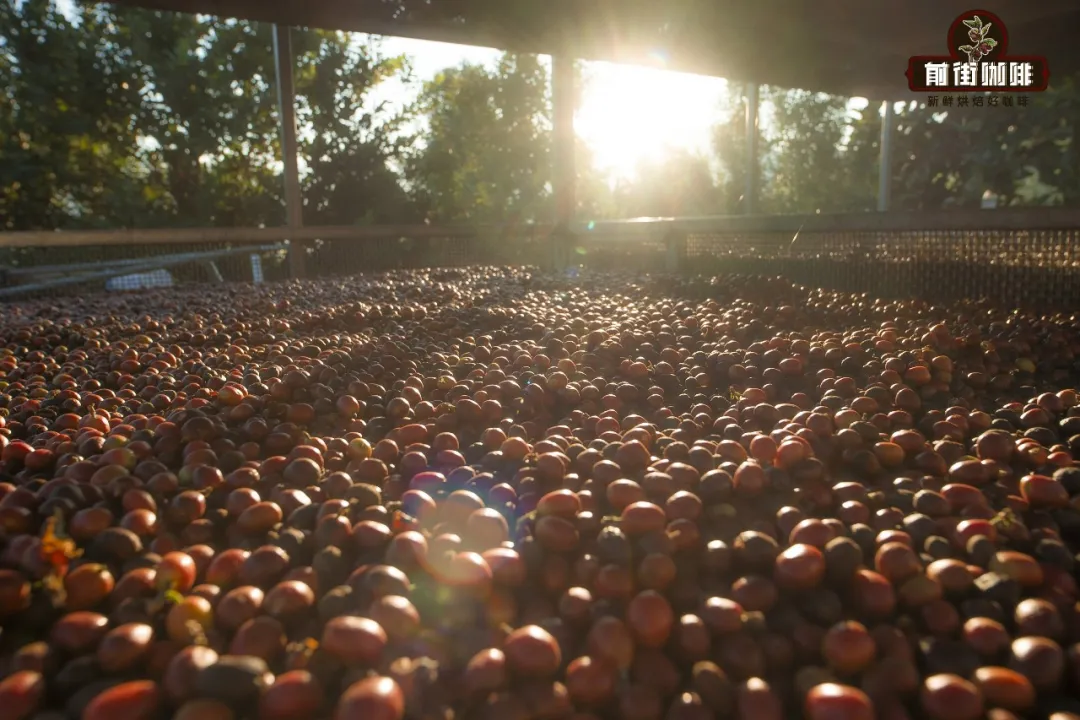
Let’s start with the most basic processing steps. Natural processing, as the name suggests, involves placing freshly harvested coffee cherries directly on drying beds, allowing the entire fruit—including the outer skin, pulp, and the sticky mucilage layer in the middle—to slowly dry under the sun. This process may seem simple, like drying peanuts, but it actually requires care. To control quality, it’s important to spread the cherries evenly and turn them at the right times to ensure uniform exposure to heat and prevent localized mold growth.
In contrast, washed processing is much more complex. First, freshly picked coffee cherries are poured into a water tank for flotation, where density differences are used to remove unripe or defective cherries. Then, a pulper is used to remove the outer skin and most of the pulp, leaving the beans still coated with a sticky layer of mucilage. This mucilage is then soaked in water tanks, where enzymes naturally break it down until it is almost completely dissolved, after which the beans are rinsed clean and finally placed on drying beds. Compared to natural processing, washed processing involves additional steps of removing the skin, pulp, and mucilage, making the overall procedure more intricate and resource-intensive.
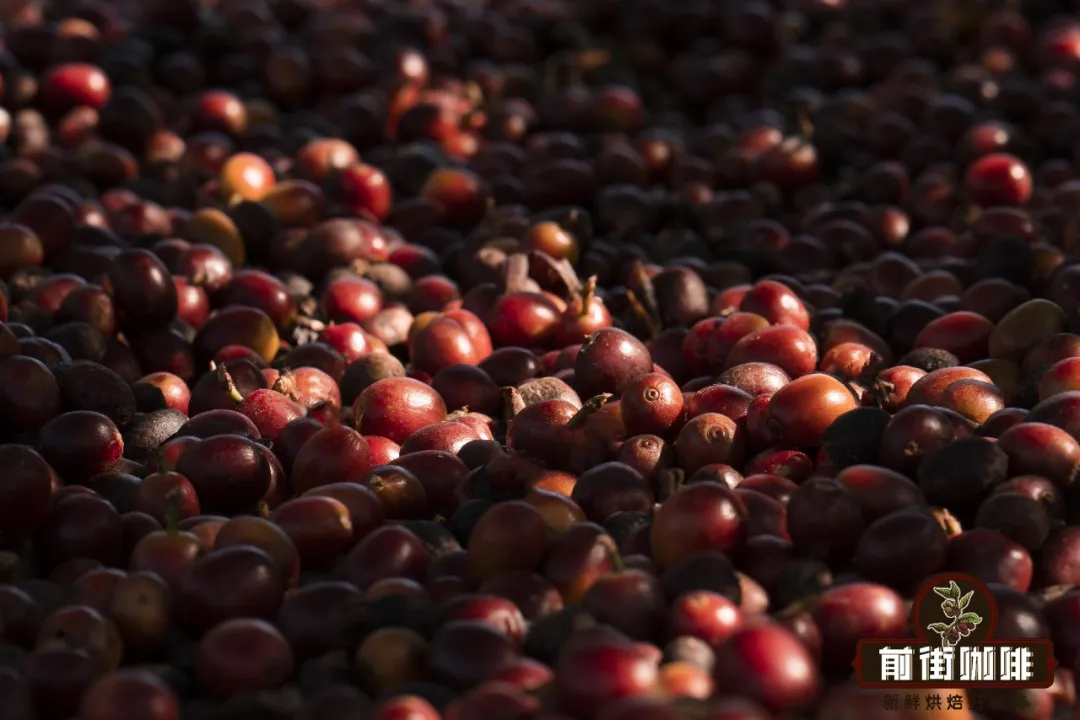
The biggest difference between the two lies in the treatment before drying: natural processing dries the whole coffee cherry (including pulp and mucilage), while washed processing first removes these components, leaving only the coffee bean itself for subsequent drying. It is precisely this difference in steps that leads to the significant variations in aroma, acid-sweet balance, and overall flavor expression between the two processing methods.
Why does pre-drying treatment affect the final taste of coffee? The key lies in “fermentation.” During the drying process, various substances in the fruit continue to undergo microbial and enzymatic transformations, also known as fermentation. These reactions produce compounds such as acids, sugars, and esters, which directly shape the aroma and taste profile of the coffee. The more substances involved in fermentation and the more ideal the environment, the more diverse the by-products generated, leading to richer flavors.
Natural processing retains the pulp and mucilage, which are rich in sugars and moisture. Under sunlight, they can undergo longer and deeper fermentation, releasing more fruity and sweet components. However, because the beans are dried with their husks on, the overall process takes longer—usually about three weeks—and requires strict control of temperature and humidity to prevent over-fermentation or mold.

In contrast, washed processing removes the skin, pulp, and mucilage in advance, leaving only the coffee beans to participate in fermentation. As a result, the process is cleaner, with a shallower degree of fermentation and significantly shorter drying time, typically around one week. This is why washed coffee usually exhibits clearer and more direct flavor characteristics, with pronounced and well-defined acidity.
Many people believe that “washed coffee is more acidic, while natural coffee is sweeter”—and this is indeed a common sensory observation. However, other factors, such as roast level, also play a role. Even within the medium-light roast range, natural beans, having absorbed more sugars during processing and undergoing higher levels of fermentation, often exhibit more pronounced Maillard reactions and caramelization during roasting. As a result, they may require a slightly higher roast degree to balance the overall flavor. That said, this doesn’t diminish the natural coffee’s advantages in fruitiness and sweetness.
Taking both processing methods and roast impact into account, we can summarize: natural coffee typically has a more complex flavor profile, featuring intense fruity notes, sweet oranges, berries, and even honey-like finishes; washed coffee, on the other hand, excels in bright acidity, floral aromas, and a clean mouthfeel, offering a more straightforward yet equally nuanced experience.

To more intuitively experience the differences between the two, here’s a practical brewing comparison: we selected Ethiopia’s Yirgacheffe—Red Cherry (natural) and Yirgacheffe—Gutiti (washed). Both were brewed using 15 grams of coffee, a 1:15 coffee-to-water ratio, 92°C water temperature, a 20-number sieve with a grind size of 75%–80% passing rate, and an extraction time of about 2 minutes.
The natural-processed Yirgacheffe—Red Cherry delivers immediate notes of berries, sweet oranges, and apricots upon entry, accompanied by soft floral aromas and a balanced acidity. As the temperature drops, the sweetness becomes even more pronounced, with a round and full mouthfeel. The aftertaste carries a smooth sensation akin to oolong tea, along with lingering hints of light fermentation aromas.
The washed-processed Yirgacheffe—Gutiti, on the other hand, showcases a distinctly different character. It opens with a bright citrusy acidity reminiscent of lemon, followed by delicate floral notes, and then unfolds layers of grapefruit and berry flavors. As the temperature slightly decreases, a peach-like sweetness emerges. The overall mouthfeel is light and smooth, with a clean aftertaste like green tea—refreshing without being cloying.

Through such a hands-on tasting comparison, it’s easy to see the profound impact of natural and washed processing methods on the final flavor of coffee. Enthusiasts are encouraged to try beans from the same origin and variety but with different processing methods. By systematically comparing them, you can better train your ability to discern flavor characteristics and further enjoy the diversity and depth of coffee.
The above content is compiled by CoffeeHunters, a coffee news website.


