







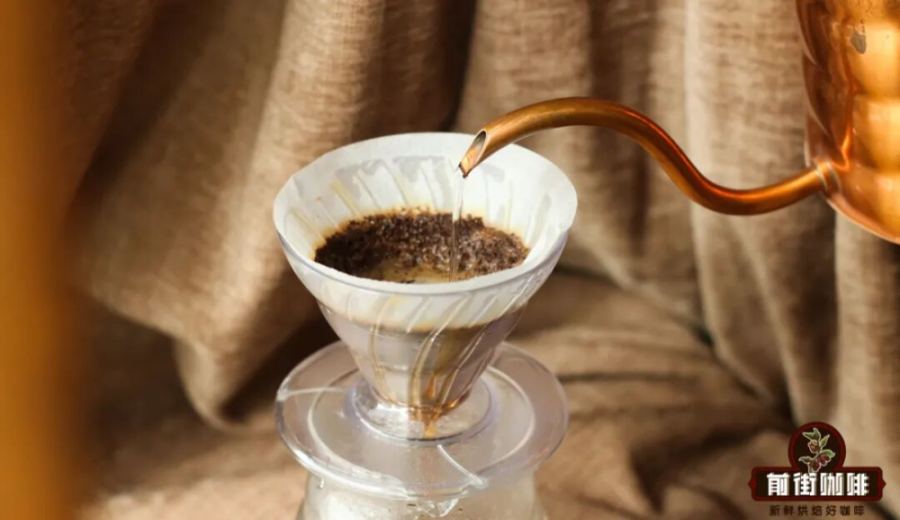
Introduction:Want to try pour over coffee but don’t know where to start with beans? This article systematically introduces the flavor profiles and suitable brewing methods of coffee beans from six major regions including Ethiopia, Colombia, and Brazil, while also detailing key factors that affect coffee extraction—such as freshness, grind size, and water temperature—practical parameters that help you easily find your desired flavor.
Pour over coffee is favored by many coffee enthusiasts for its simple operation and pure flavor. For beginners new to pour over, selecting the right coffee beans is an important first step. This article will introduce you to six representative regions across Africa, the Americas, and Asia—including Yirgacheffe in Ethiopia, Huila in Colombia, Cerrado in Brazil, Tarrazú in Costa Rica, smallholder coffee in Yunnan, China, and Mandheling in Indonesia—while analyzing their unique flavors and brewing recommendations.
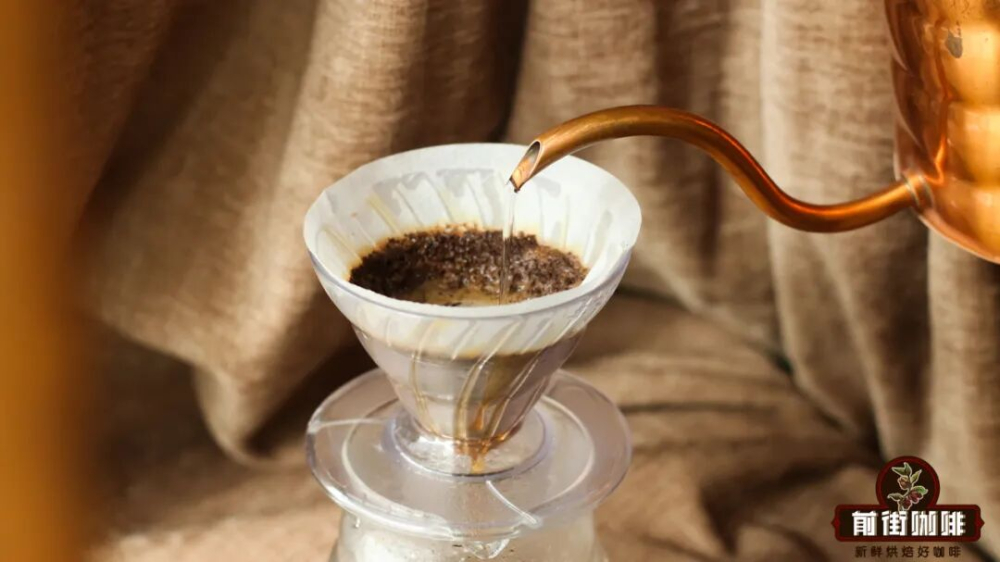
Pour over coffee, also known as drip filter coffee, originated in 1908 and was invented and popularized by Germany’s Frau Melitta Bentz. This extraction method involves slowly wetting coffee grounds with hot water, allowing flavor compounds to dissolve into the water, which then naturally drips through a filter paper, ultimately yielding a clean and refreshing coffee liquid. For beginners, choosing a coffee bean with distinct flavors and a moderate price is a great way to start the pour over journey.
[Africa Region] Ethiopia Yirgacheffe: The Classic Representative of Floral and Citrus Notes
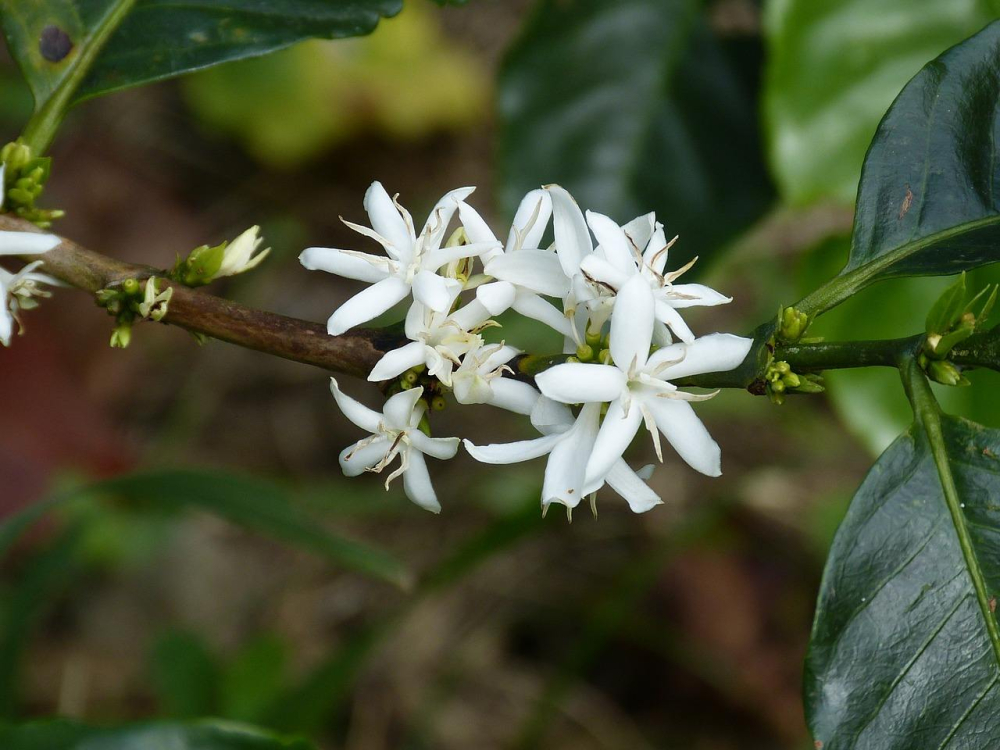
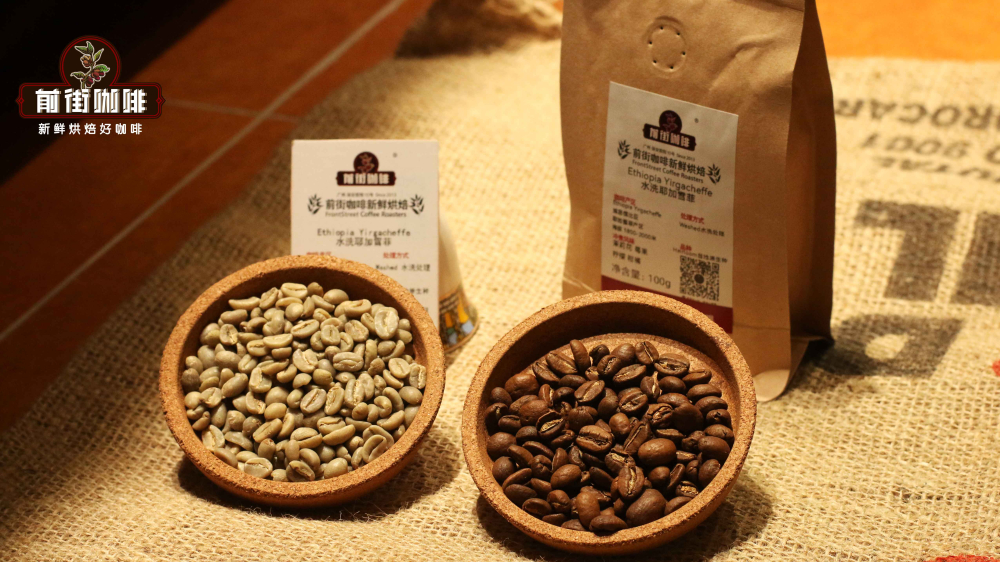
Ethiopia is a globally significant origin of coffee. Though a small region, Yirgacheffe is an important source of specialty coffee. With an altitude of about 2,000 meters, the cool climate and large diurnal temperature variation cause the coffee cherries to ripen slowly, resulting in richer flavors. Local cultivation often employs garden-style farming, with coffee trees frequently intercropped with bananas and plantains. The washed Yirgacheffe from this region features a clean profile of lemon and citrus tones, accompanied by white floral notes and a green tea-like freshness, making it a top choice for many pour over beginners.Flavor Keywords: Lemon, Citrus, Orange, Green Tea, White Floral
[Americas Region] Colombia Huila: Mild and Balanced Layered Profile
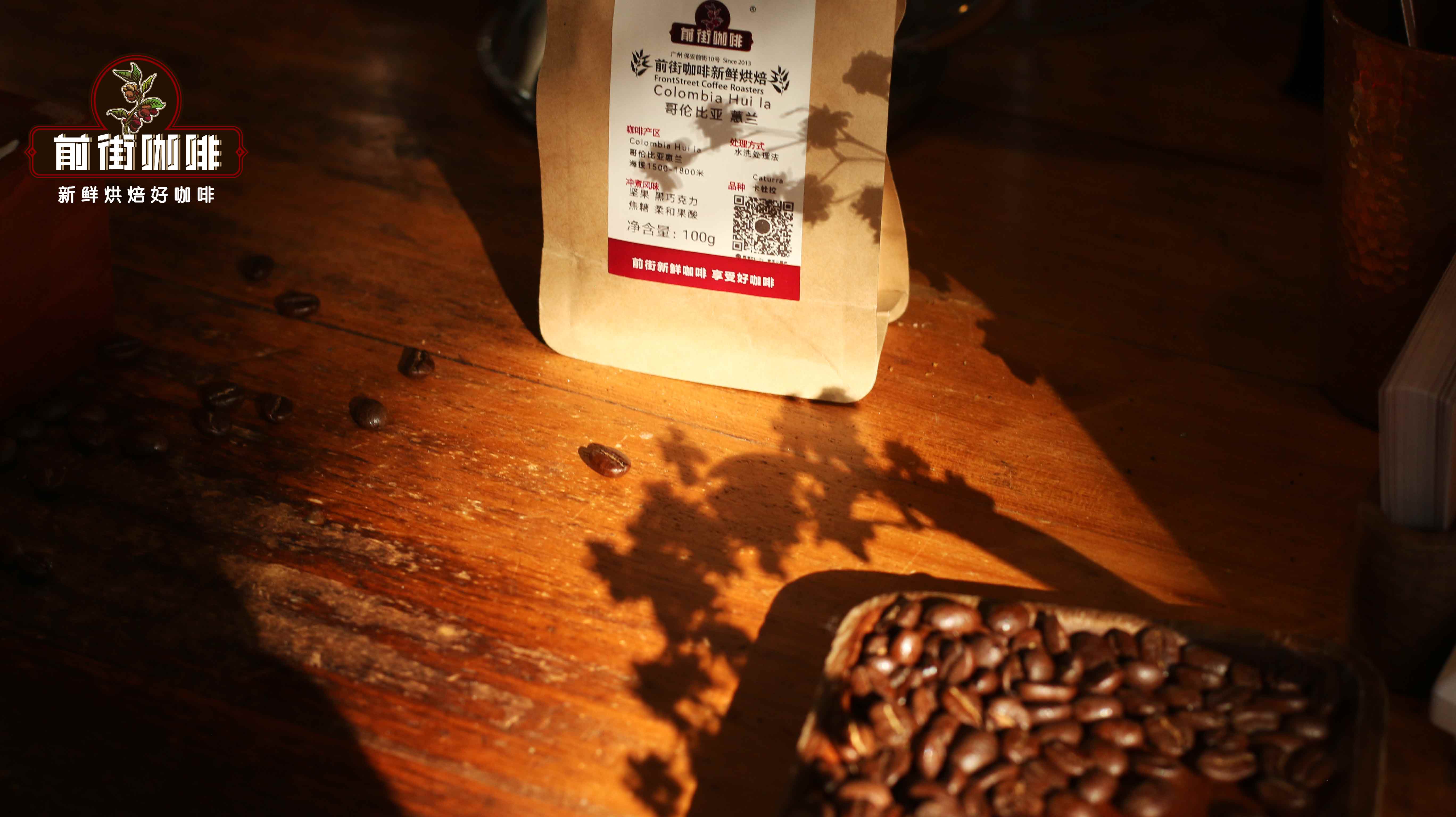
Colombia is one of the world’s leading coffee-exporting countries, and its coffee is renowned for being mild and richly layered. Local growers often cultivate coffee trees under shade trees, supplemented with protective canopies, which results in slow fruit ripening and concentrated flavors. A well-known coffee brand’s washed beans showcase a harmonious blend of dark chocolate, nuts, cream, and gentle fruit acidity, with a smooth mouthfeel—making it a daily choice for many coffee lovers.Flavor Keywords: Dark Chocolate, Nuts, Cream, Caramel, Gentle Fruit Acidity
[Americas Region] Brazil Cerrado: Low-Acidity and Full-Bodied Soft Bean Representative
Brazil is the world’s largest coffee producer, and its coffee is known for its low acidity and rich flavors of nuts and chocolate. Due to its relatively flat terrain and uniform climate, Brazilian coffee often exhibits characteristics of soft beans—with low acidity yet full-bodied richness. Cerrado is a renowned producing region in Brazil. The beans from a well-known brand carry aromas of roasted peanuts, nuts, chocolate, and caramel, making them suitable for those who prefer a bold and full-bodied taste.Flavor Keywords: Nuts, Chocolate, Caramel, Full-Bodied, Low-Acidity
[Americas Region] Costa Rica Tarrazú: Clean and Bright Premium Flavor
Costa Rica is located in Central America and is famed for its high altitudes and refined processing techniques. Tarrazú is the country’s most iconic specialty region, situated in the Central Valley, where the use of pesticides and chemical fertilizers is prohibited during cultivation to ensure the purity of the coffee’s flavor. The washed Tarrazú beans selected by a well-known coffee brand yield bright flavors of sweet orange, nuts, citrus, and berries after brewing, with a clear and balanced taste featuring sweet and sour harmony.Flavor Keywords: Sweet Orange, Nuts, Citrus, Berries, Clean and Bright
[Asia Region] China Yunnan: Balanced Profile of Nuts and Chocolate
Yunnan has become a premium coffee-producing region in China thanks to its suitable altitude, fertile soil, and diverse climate. Influenced by the rainy season and weather conditions, local producers often use washed processing, with some using sun-drying. The medium-roasted Yunnan smallholder coffee selected by a well-known coffee brand highlights a balanced flavor of nuts, brown sugar, and chocolate, with a mild mouthfeel suitable for those who enjoy a rich yet sweet taste.Flavor Keywords: Nuts, Brown Sugar, Chocolate, Mild and Full-Bodied
[Asia Region] Indonesia Mandheling: Unique Character of Herbal and Spicy Notes
Mandheling comes from Sumatra, Indonesia. Although not a region name, it has become synonymous with Indonesian coffee. The region’s humid and hot climate, along with the traditional wet-hulling process that shortens drying time, gives the coffee unique herbal, spicy, and woody undertones. The Mandheling beans from a well-known coffee brand are commonly dark roasted, offering a steady woody tone and herbal aroma, suitable for those who prefer intense and complex flavors.Flavor Keywords: Herbal, Spices, Woody, Steady and Intense
Key Extraction Parameters for Pour Over Coffee
The flavor performance of pour over coffee is directly influenced by six key factors: coffee bean freshness, grind size, coffee-to-water ratio, water temperature, pouring technique, and extraction time. Any change in these elements can significantly affect the final taste.
Freshness:Freshly roasted coffee beans contain abundant carbon dioxide and aromatic compounds. These small molecules volatilize quickly, directly impacting the coffee’s aroma and flavor complexity. It is recommended to choose beans roasted within 5 days for the best sensory experience.Grind Size:Particle size determines the speed of water penetration, thereby affecting extraction efficiency. Coarse grinds allow faster water flow and slower extraction, suitable for light roasts; fine grinds result in slower water flow and faster extraction, suitable for dark roasts.
Coffee-to-Water Ratio:A common pour over ratio is 1:15 (e.g., 15 grams of coffee to 225 milliliters of water). The higher the ratio, the lighter the coffee; the lower the ratio, the more intense the flavor. A well-known coffee brand recommends 1:15 as a beginner-friendly starting point, offering high fault tolerance and balanced flavor.Water Temperature:It is generally recommended to use water at 90–93°C. Slightly higher temperatures are suitable for light roasts, while slightly lower temperatures work for dark roasts, to avoid over-extraction or underwhelming flavors.
For pouring techniques, the common three-stage method is as follows: First, use water equal to twice the weight of the coffee grounds (e.g., 30 milliliters of water for 15 grams of coffee) for a 30-second bloom to awaken the grounds; next, pour in a small circular motion until reaching 125 grams, then pause and wait for the bed to settle; finally, continue pouring up to 225 grams, with a total brew time of around 2 minutes. A stable water flow and even pouring path are key to avoiding channeling and improving extraction uniformity.Extraction Time:The ideal total extraction time is controlled between 2–3 minutes. Too short may lead to under-extraction, while too long can easily result in over-extraction.
Once you’ve mastered these basic parameters, start experimenting with the classic beans from the six aforementioned regions, paired with suitable brewing methods, gradually discovering your own flavor preferences. The charm of pour over coffee lies precisely in the different experiences brought about by each subtle adjustment.
The above content is compiled by CoffeeHunters, a coffee news website.


