







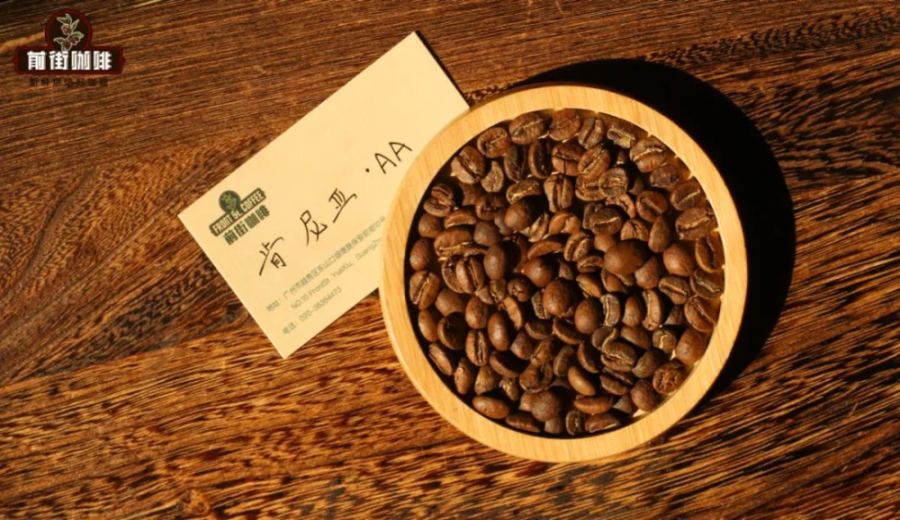
Introduction:Kenyan coffee is renowned for its fruity profile and bright acidity, with its distinctive flavors stemming from high-altitude cultivation, classic SL28 and SL34 varieties, and a meticulous 72-hour double-fermentation washed processing method. This article delves into Kenya’s AA-grade coffee grading system, variety characteristics, and key aspects of washed processing to help you understand how to highlight complex fruit notes like cherry tomatoes and dark plums through light to medium roasts, and master the techniques for extracting vibrant acidity.
The unique charm of Kenyan coffee lies first and foremost in its bright and layered fruity acidity. Whether it’s the sweet-tartness of blackberries, the freshness of grapefruit, or the bright acidity of lemons, these flavors often unfold layer by layer in the cup, leaving a deep impression. However, what truly sets Kenyan coffee apart from its neighboring Ethiopian counterpart is not just geographical proximity, but its refined control over variety selection, processing techniques, and grading systems.
High altitude fosters intense fruit acidity and solid bean structure
Kenya’s coffee-growing regions are mostly located in highland areas between 1,200 and 2,000 meters above sea level. Such elevation not only results in cooler temperatures but also slows down the ripening process of coffee cherries, allowing aromatic compounds within the fruit to accumulate more fully. The cooler environment also promotes higher bean density, enabling more stable release of acidity and aroma during roasting, thus laying a foundation of tight structure and bright, acidic fragrance for Kenyan coffee.
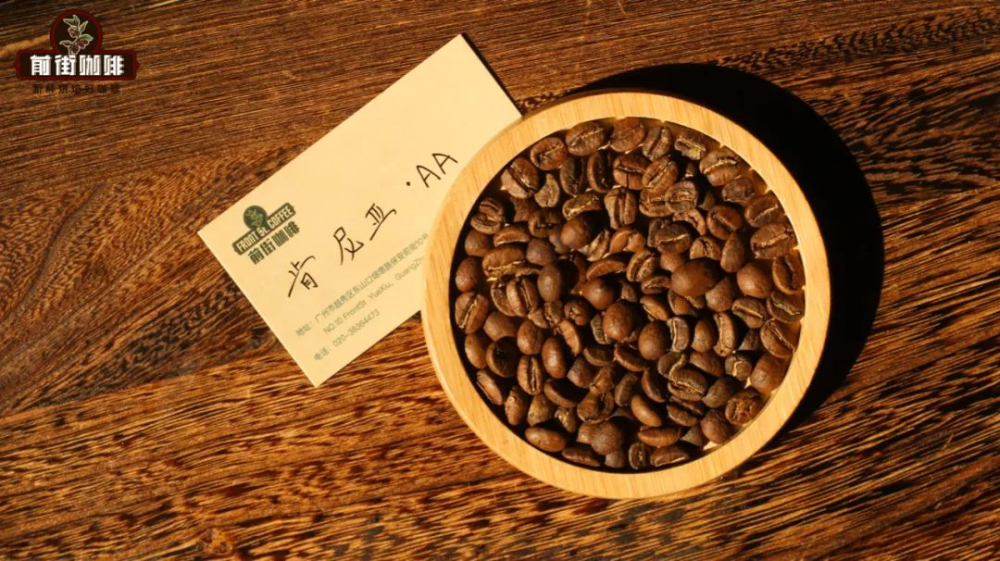
The characteristics of high altitude also make it easier for Kenyan coffee to showcase clear floral and fruity notes when brewed, making it one of the representative origins sought after by many pour-over enthusiasts for its “bright acidity.”
SL28 and SL34: The soul varieties of Kenyan coffee
When discussing the unique flavor of Kenyan coffee, the two classic varieties SL28 and SL34 simply cannot be overlooked. Both originate from strains cultivated in the 1930s by the Scott Laboratories (abbreviated as SL), and were the two best-performing among over 40 experimental varieties at the time.
SL28 typically exhibits rich dark plum and citrus acidity, with a deep and layered acidity that carries a wine-like structure and a sweet aftertaste; SL34, on the other hand, leans toward a softer fruity acidity, complemented by mellow nutty and spicy notes, delivering a more rounded overall profile. These two varieties not only adapt well to high-altitude environments but also demonstrate flavor potential that surpasses many traditional Arabica varieties when grown in phosphorus-rich soils, completely changing earlier stereotypes about artificially selected cultivars.
72-Hour Washed: Kenya’s Unique “Double Fermentation” Process
Kenyan coffee generally employs the washed processing method, but its process differs significantly from other regions. Typically, washed fermentation times in Central and South America are kept within 36 hours, whereas Kenyan processing facilities often extend fermentation to72 hours, using what is known as the “double fermentation” or “double soak” technique.
The specific procedure involves an initial 48-hour fermentation to remove the mucilage layer, followed by a 24-hour soak in clean water for a second fermentation. This additional step allows for more thorough breakdown of residual sugars and impurities, while enhancing the coffee’s cleanliness and flavor complexity, resulting in the distinctive bright acidity and clear fruit aroma profile of Kenyan coffee.
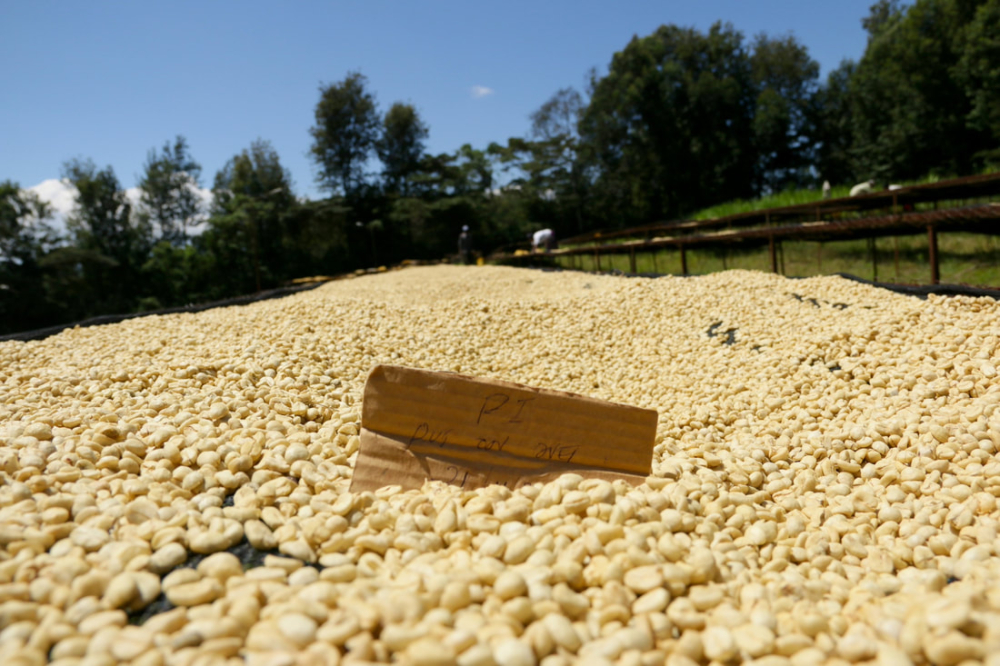
This process demands extremely precise control over fermentation temperature and water quality, and is also one of the key factors enabling Kenyan coffee to stand out in the international market.
AA Grade: Standards for Bean Size and Peaberry Selection
Kenya’s coffee grading system is primarily based on bean size, shape, and hardness. Common grades from highest to lowest include: PB (peaberry, the highest grade), AA++, AA+, AA, and AB (entry level). Among these,AA gradeis the most popular high-quality grade on the market, with full and uniform beans offering the best extraction potential.
Kenya is also one of the few origins that separately selects and sells peaberries (Peaberry). Peaberries are formed from a single seed and typically account for only about 5% of the yield. Due to their higher density and more concentrated heat transfer, they often exhibit more intense flavor profiles during roasting and brewing.
Well-known roasters often selectAA grade paired with K72 washed processing, and use light to medium roasts to preserve more floral and fruity aromas, allowing the coffee to present a rich array of notes such as cherry tomatoes, dark plums, black plums, caramel, and pears. It’s an excellent choice for getting acquainted with Kenyan flavors and practicing the balance of pour-over acidity.
The above content is compiled by CoffeeHunters, a coffee news website.


