







Category: Coffee Knowledge

Complete Guide to Making Café-Style Lattes | From Extraction to Latte Art and Bean Selection
Want to make café-quality lattes at home? This guide details the basic components of a latte, espresso extraction and milk frothing techniques, and introduces medium-dark roasted beans that pair well with lattes. It also explains how to enhance overall flavor and stability by adjusting details such as grind size, dosing, and tamping—whether you're a beginner or looking to level up your latte art skills, you'll find practical tips here. [more…]

Latte Art Guide for Beginners | Comprehensive Analysis of Coffee Bean Selection and Milk Frothing Techniques
To make a beautiful and smooth latte art, selecting the right coffee beans and mastering milk frothing techniques are key. This article provides a detailed breakdown of the characteristics of espresso beans suitable for latte art, the impact of roast level and freshness, and takes you step-by-step through milk frothing, pitcher handling, and pouring motions. Even beginners can quickly get the hang of it and achieve professional-level latte art results. [more…]

Detailed Guide to Pink Bourbon Coffee | Differences from Red & Yellow Bourbon, Pour Over Parameters & Hands-On Experience with Sacred Farm
With its rare pinkish fruit hue and Geisha-like floral-citrus notes, Pink Bourbon coffee has become a focal point of interest among specialty coffee enthusiasts in recent years. So what exactly sets it apart from Red Bourbon and Yellow Bourbon? How do their flavor profiles, cultivation challenges, and optimal brewing methods compare? This article explores everything from the variety’s background and genetic origins to its current market status, along with a hands-on review of honey-processed Pink Bourbon from Colombia’s Sacred Farm, offering a comprehensive guide for selection and pour over brewing. [more…]

Pour Over Kettle Buying Guide: How to Choose Between Temperature Control and Flow Rate
Selecting a suitable pour over kettle is a key step in improving the stability of coffee extraction. Faced with the various styles on the market, beginners often don’t know where to start. In fact, you only need to grasp two core factors: temperature control features and ease of water flow control. This article will analyze in detail how these two elements affect the user experience, and compare different kettle designs suited for various brewing stages, helping you choose a tool that feels just right in your hand. [more…]

TeaGod Leisure Teahouse exits Wuhan market, reflecting challenges in operating traditional slow-brew tea shops
Xiaoshenxian Teahouse, a sub-brand under Cha Yan Yue Se that focuses on traditional Chinese slow-brew tea culture, has recently withdrawn entirely from the Wuhan market. Its two stores officially closed on January 19. From a high-profile entry to a quiet exit, the brand’s development in the local market reflects the challenges faced by traditional slow-brew teahouses in adapting to modern consumer habits. This article delves into its operational bottlenecks and explores the directions for adaptation and adjustment of the slow-tea shop model in the marketplace. [more…]

A door stopper at a Luckin Coffee outlet in Shanghai causes a pedestrian to fall and get injured; the company urgently removes it to prevent accidents
A Luckin Coffee outlet in Putuo District, Shanghai, installed a door stopper on the sidewalk without authorization, causing a passerby to trip and sustain injuries. This has drawn public attention to safety concerns in public spaces. This article details the incident, the victim’s account, the brand’s response, and discusses the safety considerations coffee shops should take when setting up store facilities. [more…]

Why does Kenyan coffee have a tomato-like acidity? A complete breakdown of variety, altitude, and washed processing
Kenyan coffee is renowned for its distinctive tomato-like acidity — a surprising fruity tang that results from the perfect combination of variety, high-altitude environment, washed processing, and roasting techniques. This article will delve into the origins of Kenyan coffee’s flavor profile, breaking down its contributing factors step by step: from the characteristics of the SL28 and SL34 varieties, to the central high-altitude volcanic soils, and the classic K72 washed process. We’ll also provide practical pour over parameters for “Kenyan · Little Tomato” to help you better understand and appreciate this [more…]
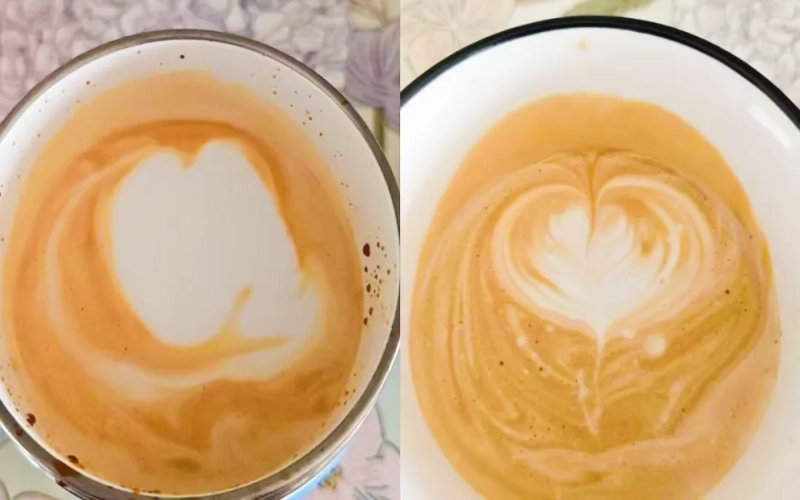
Latte Art Techniques for Espresso-based Drinks: Mastering Foam Thickness and Flow to Create Beautiful Patterns
Many coffee enthusiasts often encounter issues with unattractive latte art patterns during practice, but the real key lies not in hand technique, but in the quality of the milk foam. This article delves into the characteristics that ideal latte art foam should possess—including being fine, dense, and having good fluidity—and teaches you how to precisely steam the perfect foam by focusing on three key aspects: steaming time, milk temperature, and timing of operations, so your latte art designs appear clearer and the background cleaner. [more…]
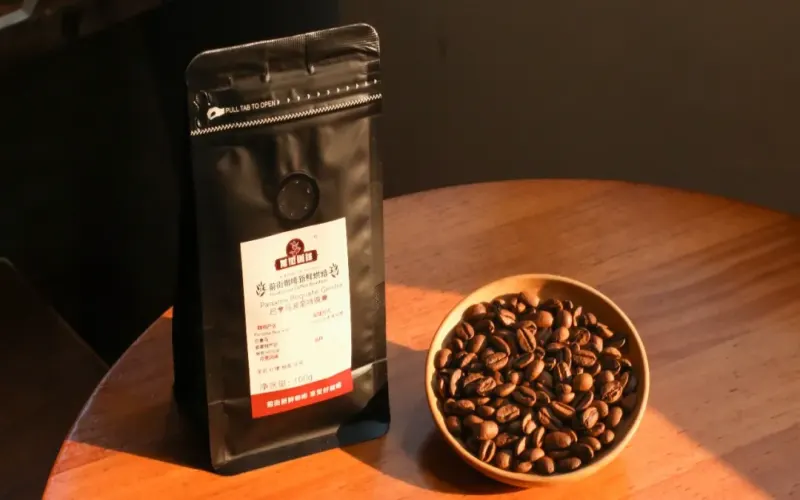
How long can coffee beans be stored after opening? A complete guide to preserving the flavor of pour over beans and proper storage methods
How long can the flavor of coffee beans be maintained after opening? In fact, it’s not just a matter of time — it is also closely related to the storage environment and packaging method. This article delves into the optimal flavor window for pour over coffee beans after opening, analyzing how oxygen, humidity, temperature, and light affect coffee quality, and introduces practical storage tips and precautions to help you fully preserve the original aroma and layered flavors of your coffee. [more…]
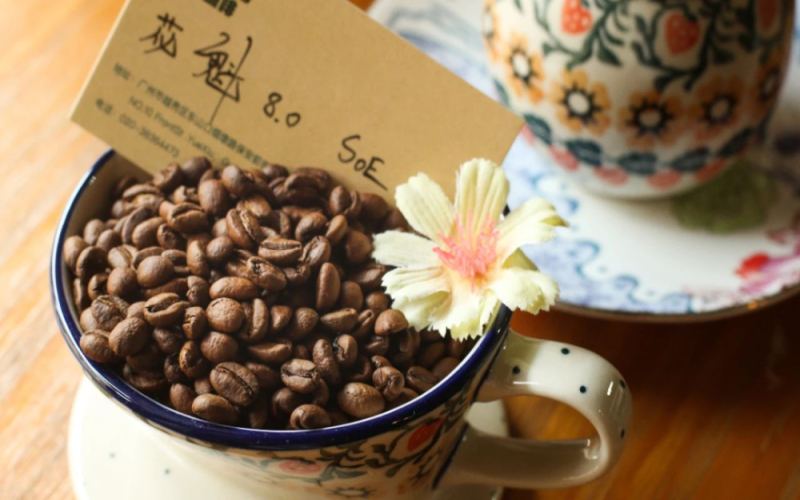
How to Make SOE Single-Origin Espresso? Recommended Coffee Beans for Pour Over Lovers Transitioning to SOE & Flavor Analysis
SOE (Single Origin Espresso) has been a hot topic in the specialty coffee scene in recent years. How can espresso made from a single-origin coffee bean showcase unique flavors? This article delves into the differences between single-origin pour over and single-origin espresso, helping you understand how extraction parameters affect flavor. It also recommends several single-origin pour over beans that are well-suited for transitioning to SOE, along with key roast levels and flavor profiles to help you find your ideal bean. [more…]

Coca-Cola puts Costa Coffee sale on hold: Analysis behind the failure to meet the £2 billion psychological price
Global beverage giant Coca-Cola has announced the suspension of the sale process for its UK coffee brand Costa, primarily because none of the bids from potential buyers met its psychological price target of £2 billion. The highly anticipated sale planned for 2025 is now facing a significant valuation cut — from the original high acquisition price of £3.9 billion three years ago, the current valuation has shrunk to less than a quarter. This article will provide an in-depth analysis of the entire Costa sale process, including the changes in bid prices across various rounds and the situation in the Chinese market. [more…]

Is Mogu Milk White’s new guava drink overly icy? In-depth analysis of the “less ice” option and common questions about ice cubes in beverages
Mogu Milk White’s newly launched seasonal “Exquisite Guava Series” has captured the attention of many consumers with the adorable pink hue of its red-flesh guava. However, numerous users have reported that even when selecting the “less ice” option, the drink still contains an excessive amount of ice—some have even fished out as many as 35 ice cubes from a single cup. This article will take a deep dive into the rationale behind the ice quantity design for this series, real consumer experiences, and how to properly understand the use of ice in tea-based drinks, helping readers make more suitable ordering decisions. [more…]
The Ultimate Guide to Pouring Over Geisha Coffee: Water Temperature, Grind Size, and Two Flavor-Oriented Brewing Techniques
Geisha coffee is renowned for its unique floral, fruity aromas and tea-like mouthfeel. However, due to its limited production and relatively high price, many coffee enthusiasts approach its brewing with extra caution. In fact, by mastering the correct coffee-to-water ratio, water temperature control, and grind fineness, you can fully showcase the delicate and captivating flavor profile of Geisha. This article will delve into the brewing logic suited for high-density light-roast Geisha, and provide two practical brewing methods: a standard three-stage method that emphasizes balanced flavors, and a variable-temperature three-stage technique that highlights floral notes. [more…]
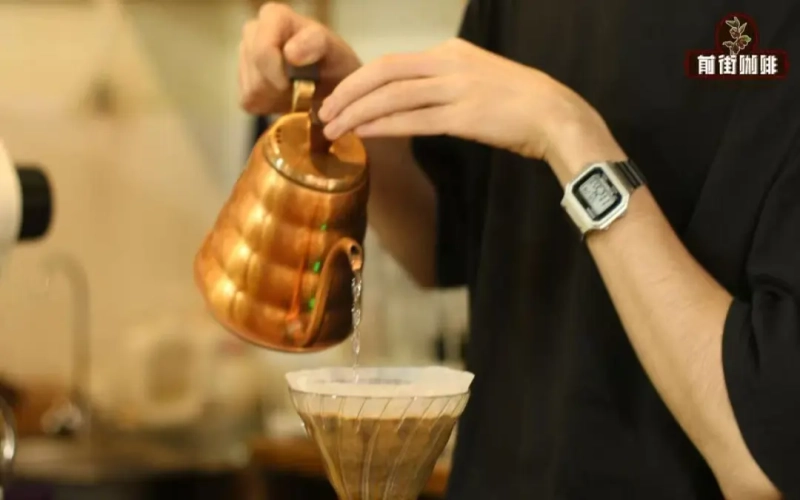
Pour Over Coffee vs. Automatic Machines: A Comprehensive Analysis of Extraction Parameters and Flavor Differences
The differences between pour over coffee and machine extraction have always been a focal point of interest for coffee enthusiasts. Can a machine truly replicate the pour over process to match what a barista manually brews? This article delves into the principles, pros and cons of both automatic and manual extraction methods, and analyzes the factors that truly influence coffee flavor — helping readers make more informed choices based on their needs. [more…]
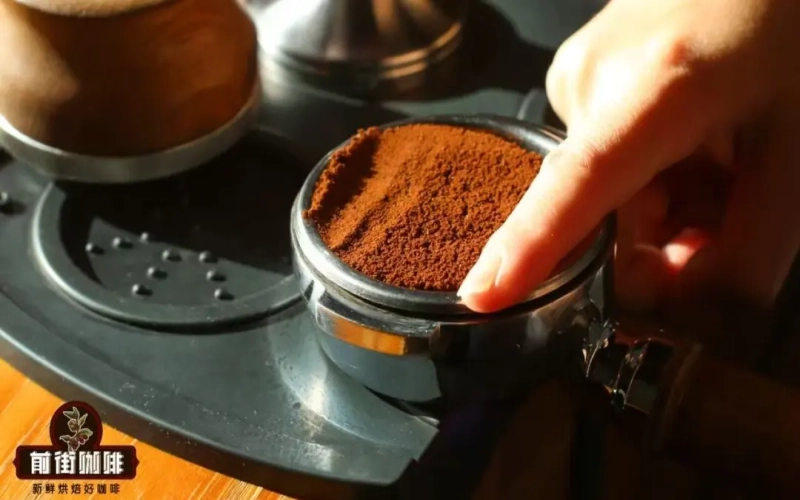
Do WDT tools and distribution needles really improve espresso stability? An in-depth analysis of extraction uniformity
Many beginners who are new to espresso often wonder: apart from a tamper, is it necessary to invest in a WDT tool or distribution needle? This article uses an actual extraction comparison (20g dose to 40ml yield using the Strawberry Sugar blend beans) to show you how these auxiliary tools affect extraction uniformity and flavor stability, while also analyzing the causes of channeling, helping you decide whether such an investment is worthwhile based on your needs. [more…]

Can a moka pot also pull off a Combo? The ultimate guide to precise extraction and blending
In recent years, the Coffee Combo trend—using a single origin bean to craft multiple drinks—has become all the rage. Many assume only espresso machines can achieve this, but the pressurized extraction of a moka pot can just as easily create a rich base. This article dives deep into how you can use bean selection, moka pot extraction parameters, and the golden ratio to recreate pro-level Combo drinks at home, while avoiding common pitfalls. [more…]

How is enzymatic washed coffee made? A complete breakdown of the Colombian Rose Valley processing method and its flavors
The enzymatic washed processing method is one of the innovative craft techniques emerging in specialty coffee in recent years. By combining anaerobic environments with specific enzyme fermentation, it imparts richer layers and aromas to the coffee beans. This article will delve into its principles and processes, using Colombia’s Rose Valley as an example to introduce the unique flavor profile of the Caturra variety under this processing method, as well as the recommended brewing parameters and techniques. [more…]
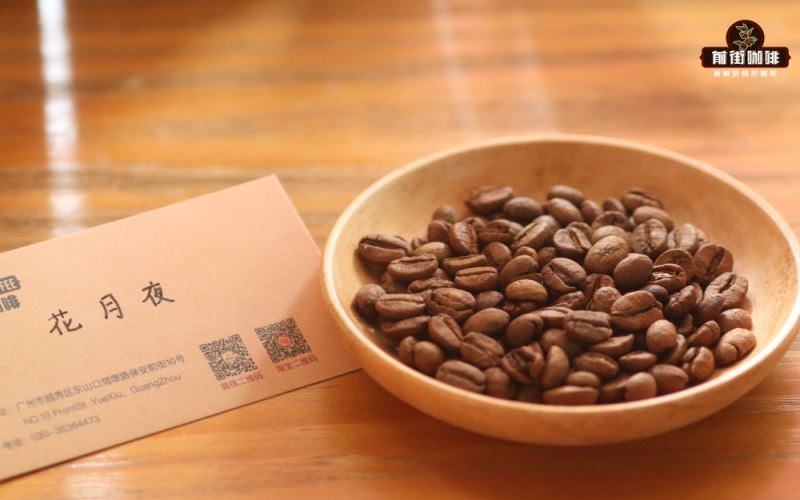
A Complete Guide to Anaerobic Fermentation Coffee Processing: The Flavor Secrets of Anaerobic Natural, Washed, and Double Anaerobic Methods
Anaerobic fermentation processing has become a hot topic in the specialty coffee scene in recent years. From WBC competitions to renowned coffee-growing regions, how does this innovative technique transform coffee flavors? This article delves into the principles of anaerobic fermentation and compares the differences among the three mainstream methods: anaerobic natural, anaerobic washed, and double anaerobic. Learn how fermentation environments, temperature control, and timing parameters influence the final cup’s sweetness, acidity, and aromatic complexity. [more…]

A Complete Guide to Green Coffee Bean Processing | Differences and Flavor Profiles of Natural, Washed, and Honey Processing Methods
Did you know that after coffee cherries are harvested and before they enter the roasting stage, they actually go through a crucial “processing method”? Natural, washed, and honey processing are the three most common methods, which not only influence the flavor of the coffee but are also closely related to the environmental conditions and technical capabilities of the producing region. This article delves into the operational procedures, technical details of the three processing methods, and compares their differences in flavor expression, helping you find the type of coffee bean processing that best suits your taste. [more…]
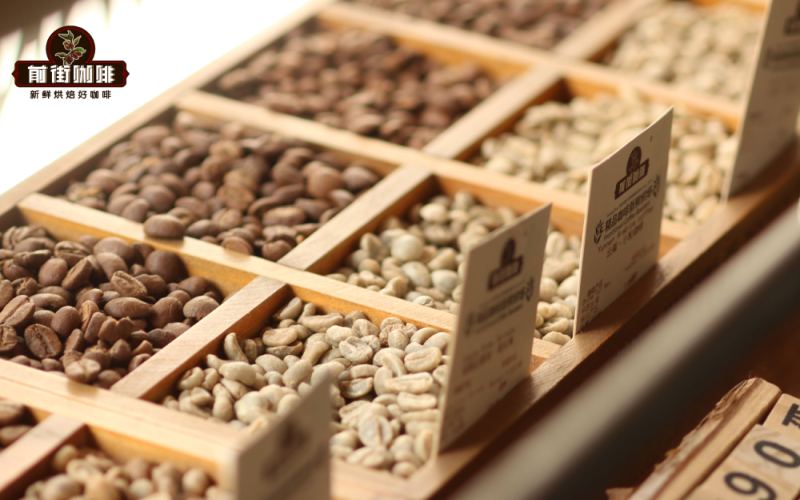
Analysis of Wet Hulling, Honey Processing, and Natural Drying | A Complete Guide to Coffee Processing Methods & Flavor Comparisons
The flavor of coffee comes not only from its variety and origin, but processing methods are also key. This article provides an in-depth analysis of four major processing techniques: wet hulling, semi-washed (pulped natural), fruit pulp natural (fruit sun-dried), and honey processing. It explains each method thoroughly—from steps and procedures, parameter controls to flavor characteristics—and compares their differences. Whether you want to understand what gives Sumatra Mandheling its unique aroma or explore how honey processing affects sweetness and body, you’ll gain practical insights. [more…]