








Introduction:When selecting pour over coffee beans, sweetness is often a key factor that determines the complexity of flavors. This article delves into the processing methods, roast levels, and variety characteristics that influence coffee sweetness. It features several representative high-sweetness bean varieties, including Yirgacheffe Natural and Yunnan Typica, analyzing their aromas and mouthfeel in detail. Practical flavor descriptions and brewing suggestions are also provided to help you more accurately find the sweet-style pour over beans that suit your personal taste.
Where does sweetness in coffee come from? In fact, it depends not only on the sugar content of the green beans themselves but is also influenced by multiple factors such as processing method, roast level, and brewing technique. Many people, when drinking black coffee, seek not only acidity and aroma but also a rounded sweetness. So, which pour over coffee beans particularly excel in sweetness? How do different processing methods shape flavor profiles that balance acidity with sweetness or offer a sweet aftertaste following bitterness? Next, we will comprehensively analyze several highly praised high-sweetness coffee beans from aspects such as bean variety, processing method, and roast degree.

People’s preferences for coffee flavors vary—some enjoy intense bitterness, while others prefer bright fruit acidity. If you have a particular fondness for the sweetness in black coffee, understanding which coffee beans perform exceptionally well in this regard can greatly enhance your tasting experience. This article will use several representative bean varieties as examples to take you on an in-depth exploration of the diverse profiles of sweet-style coffee. Whether you prefer bright fruit acidity or rich aftertaste, you’ll be able to find an option that appeals to you.
While coffee beans themselves contain a certain amount of natural sugars, these sugars are often masked by strong acidity or bitterness. What truly makes coffee taste sweet is not just the sugar content itself, but also the aromatic compounds produced during fermentation and roasting—such as furanones and vanillin—that evoke associations with sweetness like honey, caramel, and ripe fruit. Therefore, sweetness is not just a taste experience, but also a combined presentation of aroma and overall flavor.
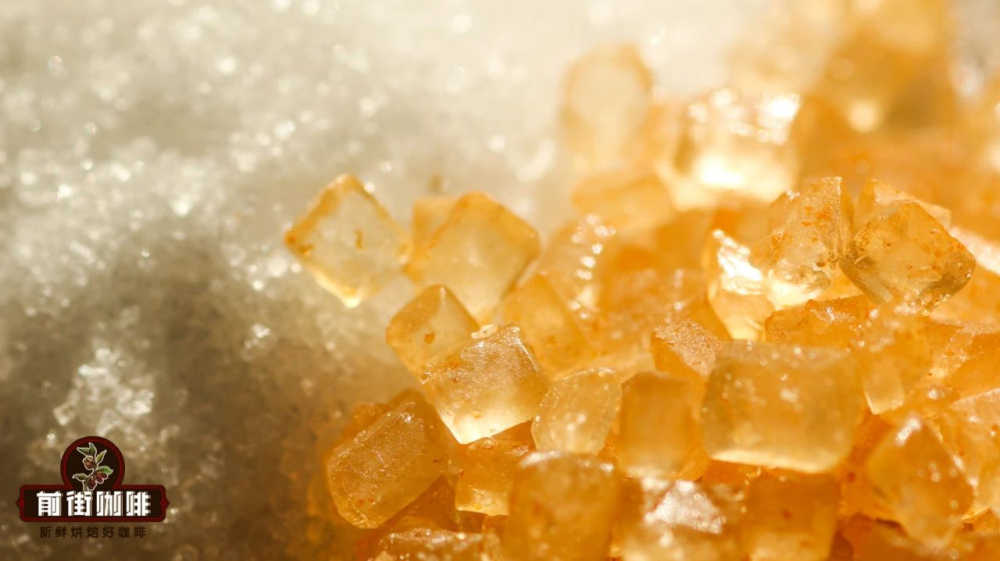
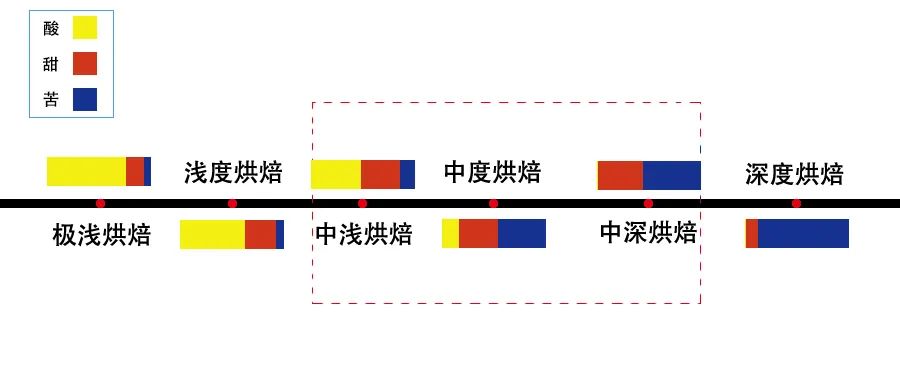
In terms of processing methods, techniques such as natural, black honey, and anaerobic natural extend the contact time between the fruit pulp and the seed, promoting more thorough fermentation, which helps generate and accumulate sweetness compounds. As a result, coffee beans processed with these methods usually have more pronounced sweetness. Additionally, harvesting only fully ripe red cherries ensures maturity, which is also an important foundation for sweetness. For roasting, medium to medium-dark roasts best highlight sweetness—too light a roast may emphasize sourness and astringency, while too dark a roast can let bitterness overshadow sweetness.
If we roughly categorize high-sweetness coffee based on flavor direction, it can be mainly divided into two types: one is sweetness with acidity, and the other is sweetness that emerges as an aftertaste following bitterness. The former offers a refreshing taste with a balanced acidity and sweetness, while the latter reveals a distinct sweet note after the bitterness, often leaving a long-lasting finish.
First, let’s introduce several popular bean varieties that feature a sweetness-with-acidity style. These coffees typically have bright fruit acidity and rich fruit aromas, with sweetness naturally emerging like that of ripe berries or fruits—ideal for those who prefer a refreshing taste.
The first is the Yirgacheffe Natural Red Cherry. This bean uses a whole red cherry natural process and is one of the outstanding representatives of sweetness in light-roast coffee. With a medium-light roast, its aroma is dominated by ripe fruit and berries. Upon tasting, you can immediately perceive pronounced fermentation notes paired with vibrant berry tones. As the temperature cools slightly, citrus acidity intertwines with a creamy smooth mouthfeel, and the finish delivers a sweet juice-like sensation reminiscent of ripe grapes.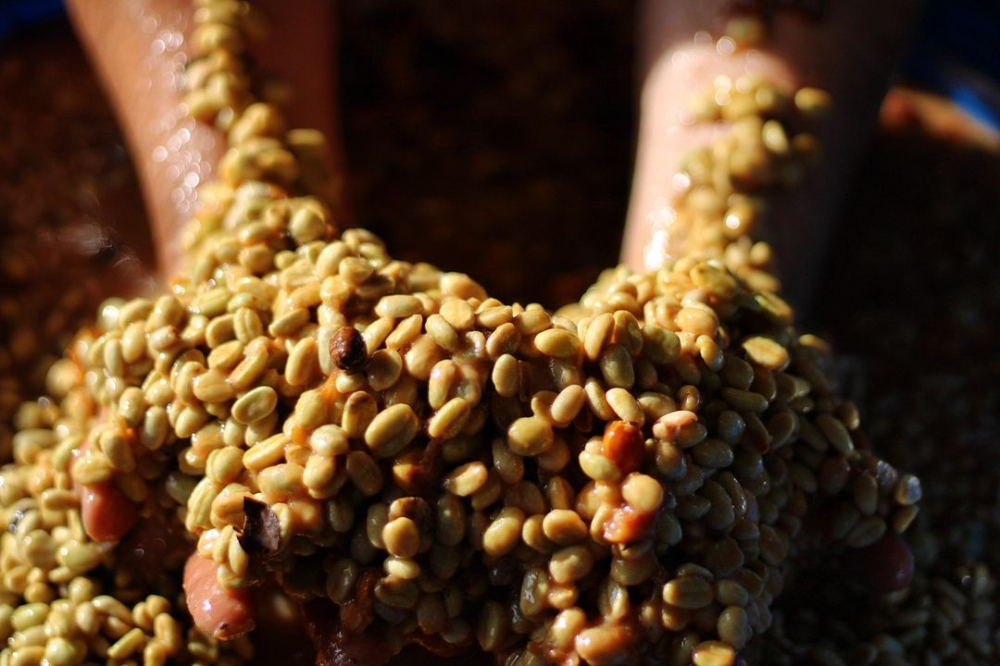
The second is the Strawberry Sugar Blend, a blend of high-altitude Panamanian washed Geisha and Costa Rican honey-processed beans. Through a medium roast, it retains clear floral and fruity characteristics while bringing out caramel and dried fruit roasting aromas. The overall flavor profile includes caramel, raisins, rose floral notes, and sweet dried fruit nuances—a choice that balances acidity and sweetness with rich aroma.
The third is the Musician Series Mozart coffee bean, produced in Costa Rica and using the raisin honey process. Its fermentation is slow and meticulous, imparting a sweetness to the coffee similar to Kyoho grapes. A medium-light roast highlights its floral and fruity notes along with wine-like tones. The cup offers raisin and rose aromas, along with a slight fermented wine sensation—it is a classic example of the sweetness-with-acidity style.
Another category of high-sweetness coffee showcases sweet undertones through a bitterness-followed-by-aftertaste profile, suiting those who prefer fuller body and lower acidity. These coffees typically center around nuts and dark chocolate, complemented by warm sweet notes like caramel and maple, often leaving a distinctly sweet and smooth finish after the bitterness—what is known as “aftertaste sweetness” or “returning sweetness.”
The fourth is the Queen Estate Yellow Bourbon coffee bean. This Brazilian variety is processed using the natural method and boasts particularly prominent sweetness, along with extremely broad brewing adaptability—it performs excellently whether brewed via pour over, French press, or moka pot. With a medium roast, it reveals nutty, creamy, and soft fruity acidity notes, accompanied by clear cane sugar sweetness. The finish has a mild chocolate tone, making it an excellent sweet-profile bean for coffee lovers who enjoy regional character and rich sweetness.
The fifth is the Yunnan Small-Bean Typica coffee bean. Produced in Lincang, Yunnan, it comes from a local planting project and uses the Typica variety, which performs notably well in terms of Arabica flavor. The natural processing method brings out its unique sweet nuances. After a medium roast, the dried fruit sweetness is vivid, accompanied by plum and brown sugar tones, with the finish offering gentle chocolate notes. It’s an ideal choice for coffee enthusiasts who appreciate regional character and full-bodied sweetness.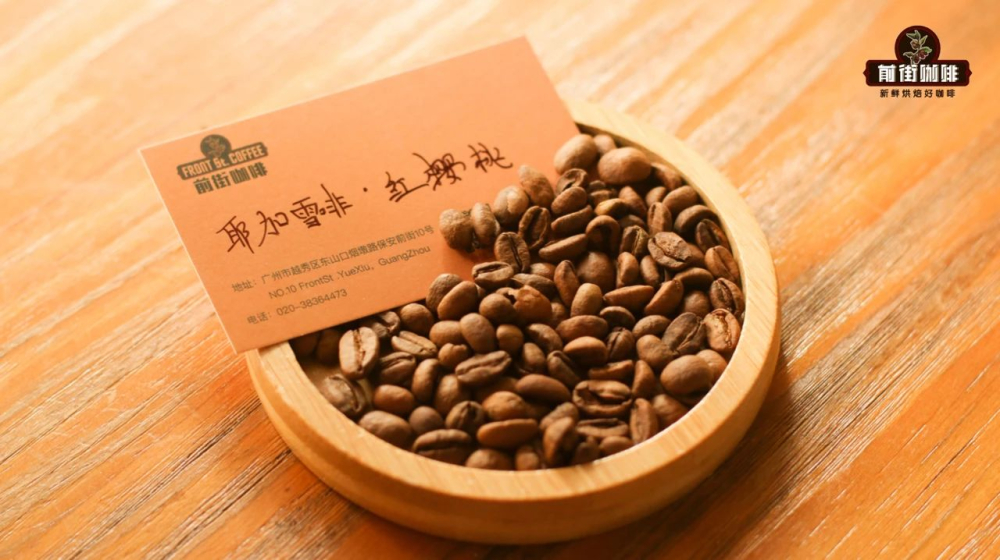
Of course, if you prefer more pronounced sweetness, you can also clearly express your expectations regarding the type of sweetness when ordering—for example, whether you’d like fruit-like acidity with sweetness, nutty sweetness, or coffee with sweet aromatic tones. More precise communication not only helps you find coffee that better suits your taste, but also enhances your overall drinking satisfaction.
The above content is compiled by CoffeeHunters, a coffee news website.


