







Introduction:Espresso machines and hand grinders represent two distinctly different coffee brewing methods — the former uses high pressure to quickly extract rich crema, while the latter employs slow water infusion to highlight terroir characteristics. This article delves into their core differences, covering extraction principles, flavor profiles, and suitable beans. It also features three high-altitude single-origin beans from Ethiopia, Costa Rica, and Indonesia, complete with detailed parameters and brewing tips to help you find your ideal hand-ground setup.
Hand grinders and espresso machines embody the two mainstream directions of coffee extraction. Espresso machines push hot water through an extremely fine coffee puck under high pressure, producing a thick beverage with golden to dark brown crema in just a few seconds. Their bold body and intense aroma make them perfect for milk-based drinks like lattes and cappuccinos. In contrast, pour-over brewing relies on slowly soaking coffee grounds with hot water, filtered through paper to remove impurities, preserving the bean’s original flavor layers—ideal for appreciating the unique character of a single origin.
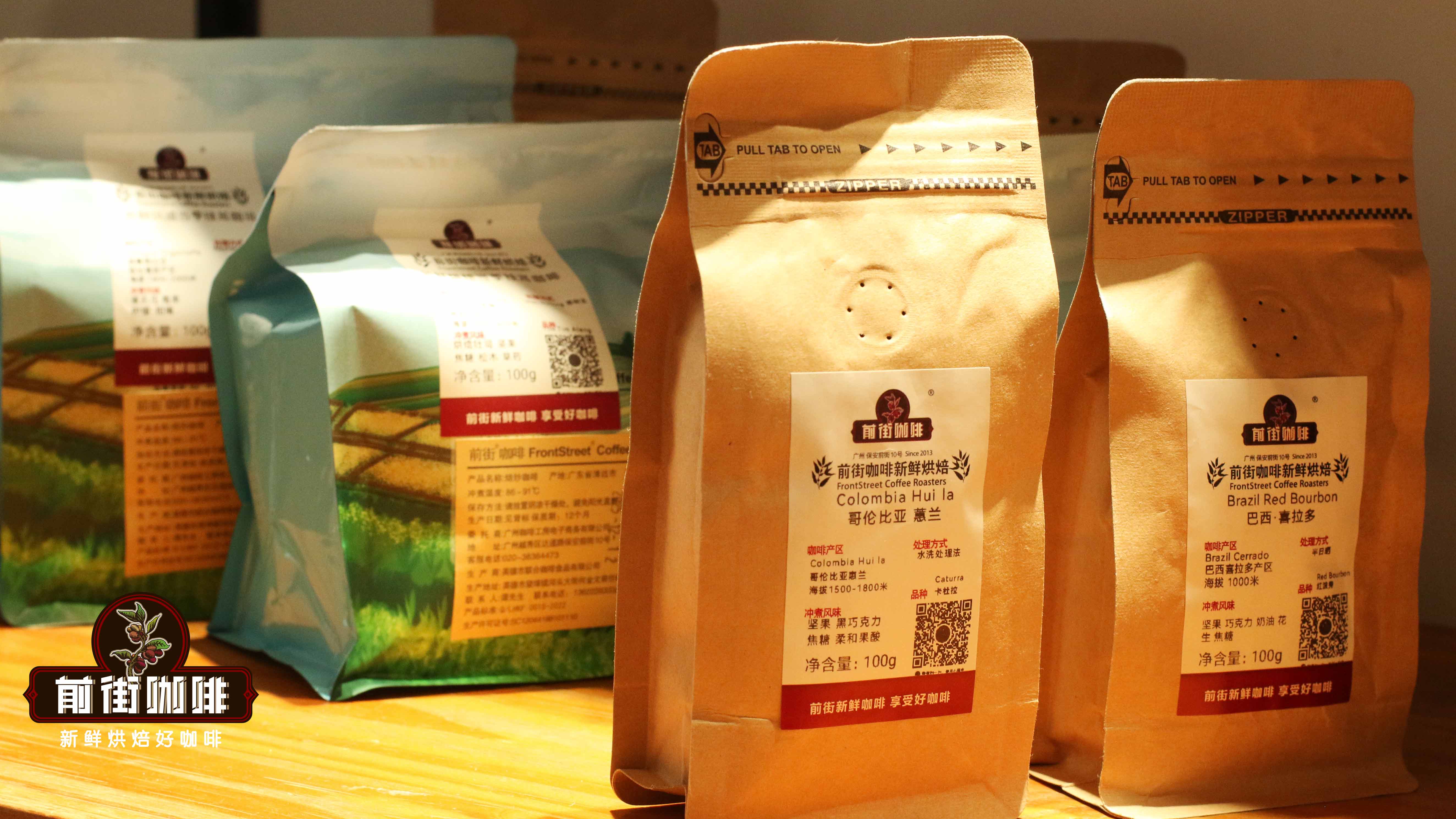
Take the most common espresso machine as an example: it works by grinding roasted beans into a fine powder (close to flour texture), loading it into a portafilter, and applying 9–10 bars of pressure to force hot water through the compact puck. This high-pressure environment efficiently extracts soluble compounds, especially from medium to dark roasts—beans that undergo thorough caramelization, yielding richer oils and stable crema. Recommended options include Brazil Queen Estate with nutty notes, Golden Mandheling with spicy highlights, and Strawberry Sugar espresso blend blending fruity and floral aromas. These beans work beautifully as straight espresso or diluted into classic Americano, and can be further customized with milk and syrups into drinks like macchiato and mocha.
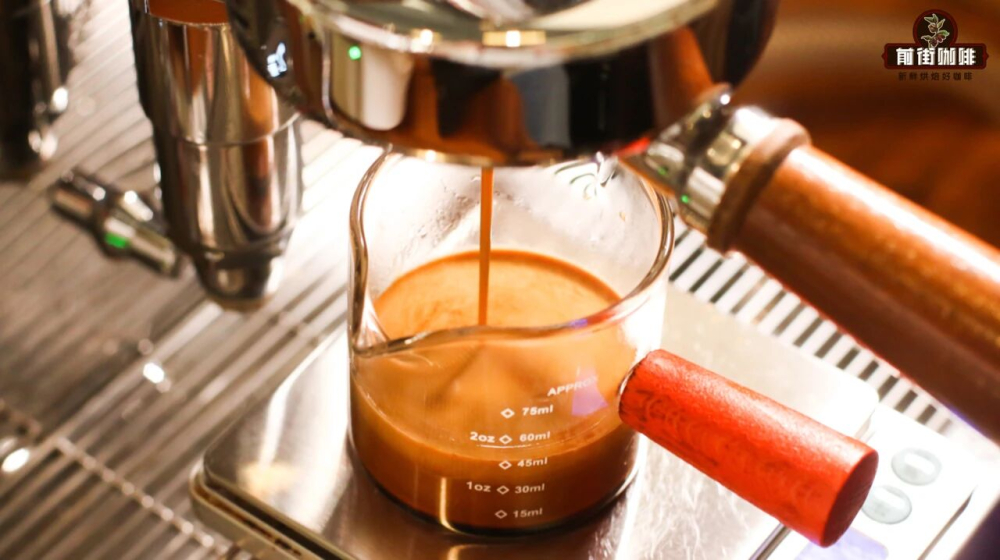
Compared to espresso’s high-pressure extraction, pour-over relies more on precise coordination of water temperature, grind size, and pouring rhythm. Grind the beans to a medium-fine consistency (similar to superfine sugar, about 80% passing through a #20 sieve), then pour ~90°C water in a circular motion from the center outward using a pour-over kettle. The water flow expands the coffee grounds (during the bloom phase), gradually releasing acidity, sweetness, and body. Without external pressure, pour-over clearly showcases the bean’s innate flavors—like the bright fruit acids from high-altitude regions or unique aromas from processing methods.
For beginners, we recommend a basic toolkit: a hand grinder (ensuring grind consistency), a V60 or Kalita Wave dripper (preferably with paper filters), a scale (for precise powder-to-water ratios), a thermometer (to monitor water temperature), and a server (to collect the brewed coffee). The grinder’s quality directly impacts extraction efficiency—blade grinders generate heat and uneven particles, so prioritize conical or flat burr grinders.
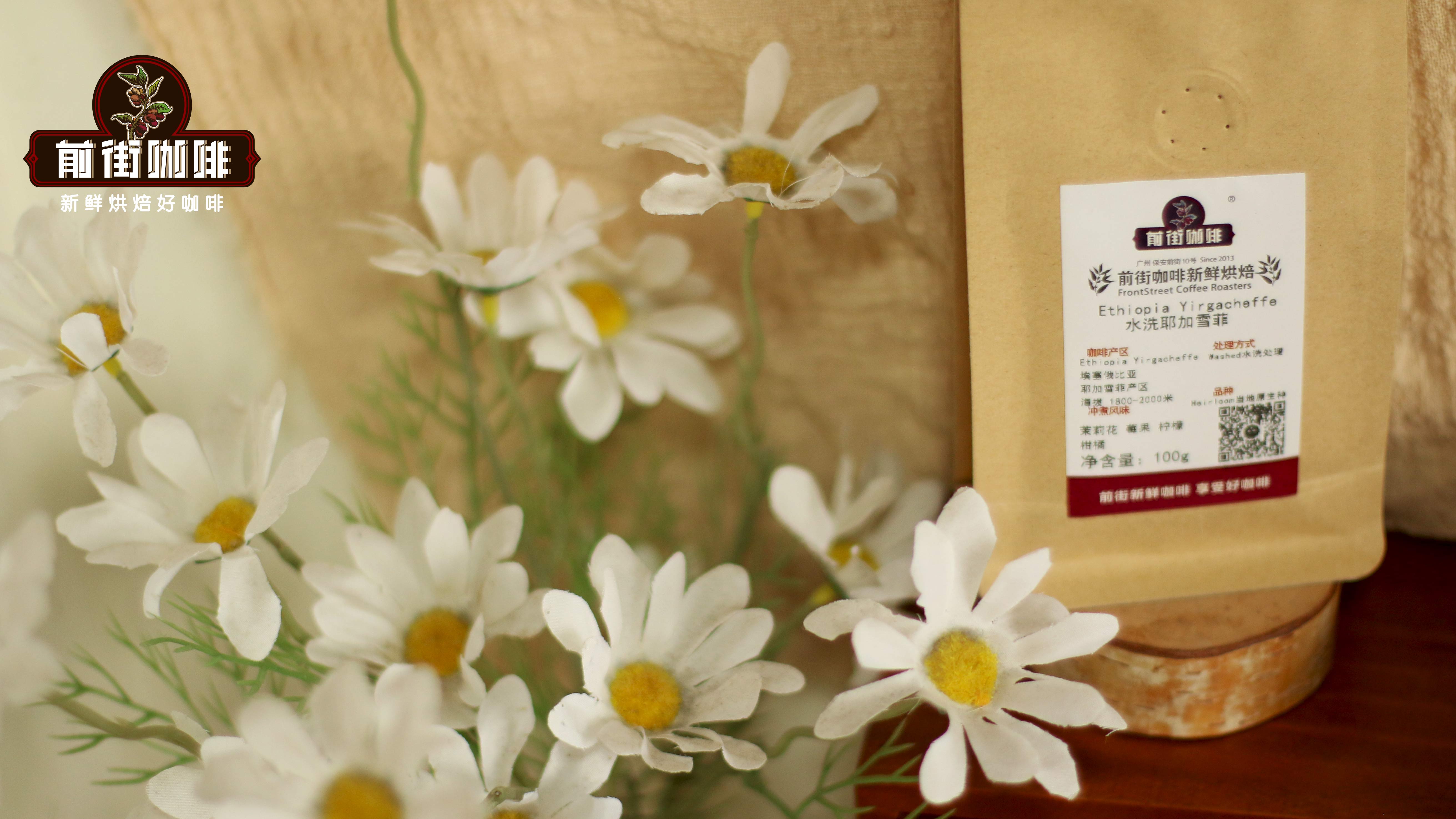
First, try Ethiopia Washed Yirgacheffe—a small-bean coffee grown at 1,800–2,000 meters altitude, processed traditionally: depulped, fermented for 24 hours to break down mucilage, then washed and sun-dried to 12% moisture. Its flavors are strikingly vivid—brewed hot, it blooms with jasmine and citrus aromas, offering a bright, lemon-tea-like acidity balanced with tea-like body, and a berry-sweet finish. Note: Yirgacheffe’s defect grading (G2 allows 4–12 non-severe defects per 300g) is standard, but premium roasters often manually sort beans to ensure purity.Brewing parameters: 90–91°C water, 1:15 ratio (15g coffee to 225ml water), grind near superfine sugar (EK43s grinder setting 10 / 80% through #20 sieve). Use a three-step pour: start with 30g water for a 30-second bloom, then pour 95g (total 125g) within 1 minute, followed by 100g (total 225g) when the water level drops to 2/3 of the coffee bed, for a total brew time of ~2 minutes.
For those preferring milder, sweeter coffee, Costa Rica Tarrazú Washed is ideal. Grown in the Tarrazú region south of the capital San José, these beans thrive in volcanic soil, yielding dense, plump cherries. Washed processing preserves a balanced acidity and sweetness—high-temperature notes feature lively orange acidity, mid-temperature reveals nutty and toffee caramel tones, and the finish carries woody cedar hints. Planted at ~1,500m altitude, the blend of Catuaí and Caturra varieties offers a full body and smooth mouthfeel.Brewing tips: maintain 90–91°C water, 1:15 ratio, same grind as above. Adjust pouring: 30g bloom for 30 seconds, then 95g (total 125g) in 1 minute, followed by 100g (total 225g) within 1 minute 40 seconds, for a total time of ~2:03.

For drinkers who enjoy bold, low-acid profiles, Indonesia Sumatra Lintong Mandheling is worth trying. Processed via wet hulling, this coffee—where partially hardened beans develop unique indentations (nicknamed “elephant foot beans”) during parchment removal—delivers herbal medicinal notes and dark-roast chocolate complexity. Grown at 1,100–1,600m altitude in Lintong, the Typica and Catuaí varieties, accelerated drying via wet hulling concentrates warm tones of nuts, caramel, and pine.Brewing key: use a Kono dripper (ribs only halfway up the cone, slowing water flow), lower water temp to 87–88°C, and coarsen grind to coarse sugar (EK43s setting 11). Method: 30g bloom for 30 seconds, then small-circle pour to 125g, continuing until 225g when the coffee bed reappears, ending extraction upon re-exposure (total ~2 minutes).
The above content is compiled by CoffeeHunters, a coffee news website.


