







Category: Coffee Knowledge
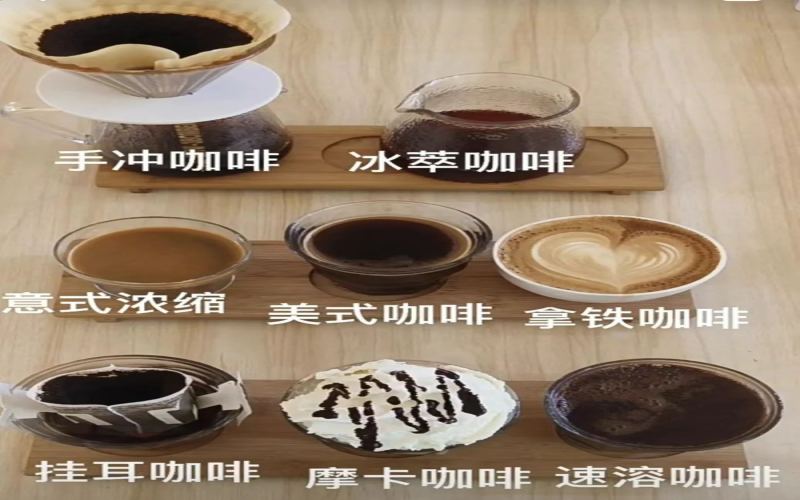
From Pour Over to Instant: 5 Practical Reasons Why Coffee Lovers Are Returning to Freeze-Dried Coffee
Many coffee drinkers have gone through the journey of starting with instant coffee, then exploring more specialized brewing methods such as pour over and espresso. However, many eventually choose to return to the embrace of instant coffee. This is not just a reflection of the convenience-driven economy, but also involves rational considerations such as time cost, convenience, and economic efficiency. This article delves into why experienced coffee enthusiasts still return to freeze-dried coffee, and offers practical advice on selection and brewing. [more…]

Unveiling the Process of Producing Indonesian Human Feces Coffee: The Bizarre Coffee Industry Chain from Civets to Human Excrement
Indonesia is not only famous for its Golden Mandheling, but also garners widespread attention for its exotic processing methods, such as civet coffee. When civet supplies run short, some have gone a step further by producing coffee using human or other animal excrement, sparking extensive debate. This article delves into the origins, production background, and the hygiene and ethical controversies surrounding human feces coffee, giving you an insight into this jaw-dropping extreme coffee product. [more…]

Complete Guide to the Japanese Volcano Pour Over Technique: From Extraction Principles to Beginner’s Operation
The volcano pour is a brewing technique highly regarded by Japanese pour-over enthusiasts. By using precise spiral pouring and stacking the coffee grounds in the center, it effectively highlights the layered flavors of the coffee beans. This article will delve into the principles behind this technique, the practical steps and precautions, as well as provide useful parameters and tips to help you easily master this refined extraction method originating from Japan. [more…]

Common operational challenges for independent coffee shops: How to handle customer violations in photography and malicious reviews
Under the dual pressures of fierce competition from chain brands and post-pandemic consumer downgrading, independent coffee shops face not only operational challenges but also disturbances caused by customer behavior. This article explores, through a real-life case, the impact of customers using flash photography in violation of rules and misleading negative reviews on small and medium-sized coffee shops, and provides practical management advice and communication strategies to help shop owners properly handle such situations. [more…]
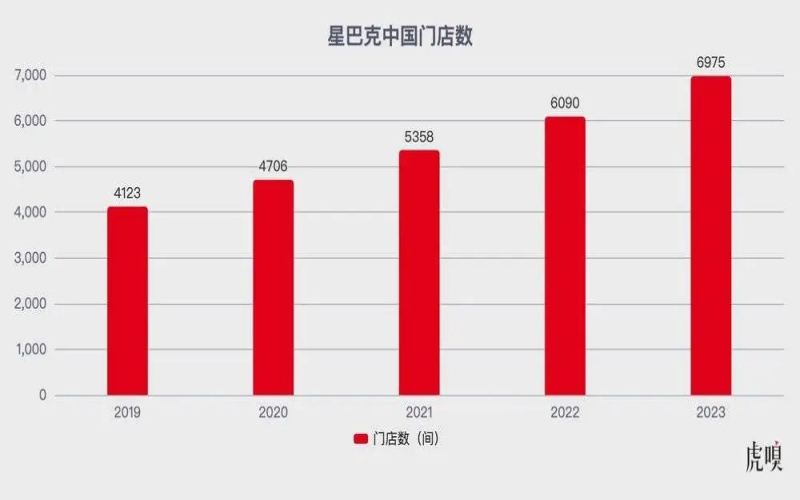
Analysis of Starbucks' Market Penetration Strategy: How High-Margin Products Help Expand into County-Level Markets
As chain coffee brands accelerate their expansion into third-, fourth-, and fifth-tier cities, Starbucks, facing competition from domestic players such as Luckin and Cotti, has chosen to pursue high-quality growth instead of engaging in price wars. This article provides an in-depth analysis of Starbucks’ strategic layout in lower-tier markets, including the performance of its high-margin products such as Frappuccino, the challenges it faces, and how it maintains competitiveness through localized marketing and product innovation, offering key insights into the market dynamics of coffee brands. [more…]
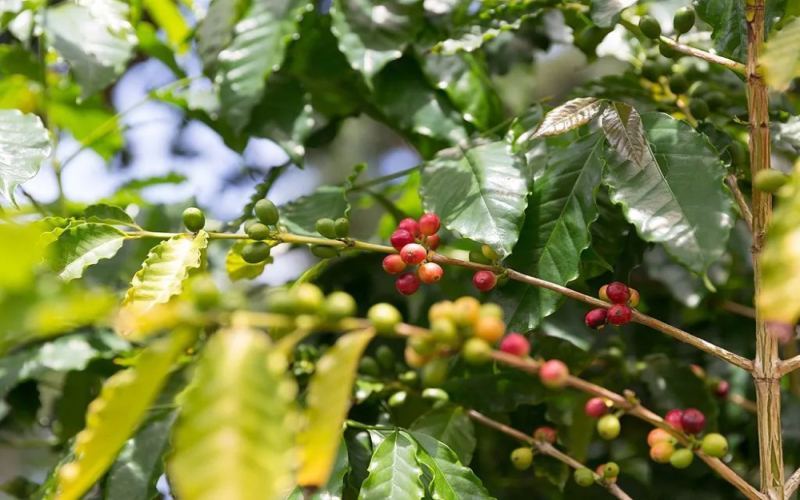
New Hawaii Kona Coffee Labeling Regulations: Major Adjustments to Blending Ratios and Transparency
The Hawaii Kona coffee region is pushing for stricter coffee labeling regulations, requiring that the proportion of Kona beans in blended products be raised from the current 25% to 100%, and mandating the disclosure of the percentages of multi-region origins and blending ratios. This reform stems from growers’ long-standing efforts to protect the region’s reputation, as well as a class-action lawsuit victory against major retailers. Learn how the new rules will impact market transparency and consumer choices. [more…]

Analysis of Panama Boquete Region Typica Beans | A Complete Guide to Smallholder Cultivation and Flavor Characteristics
Panama is world-renowned for its Geisha, but it also has many classic varieties worth exploring in depth, such as the historic Typica. This article takes you into Panama’s Boquete region to understand its uniquely favorable geographical environment, focusing on how Elida Estate cultivates uniquely flavored Typica coffee beans through high altitudes and meticulous management. Whether you're a coffee beginner or an advanced enthusiast, you can grasp key points in bean selection and tasting from this guide. [more…]

Can a toothpick replace a distribution needle? A full analysis of the practical testing and brewing techniques of pin-style distributors
When brewing espresso at home without a professional distribution needle, can a toothpick really serve as a temporary substitute? This article provides a practical comparison of three test groups—using a toothpick, a professional distribution needle, and no tool at all—to analyze the differences in espresso extraction stability and flavor. It also explores the origins and proper usage of the pin-style distributor (WDT), offering practical advice for home coffee enthusiasts. [more…]
Is your latte milk foam too coarse? A professional guide to steam texturing and vortex formation techniques
Many home baristas struggle with overly coarse milk foam when making lattes, which affects latte art performance. In fact, the key to achieving ideal milk foam lies in correctly using the steam wand and controlling the vortex. This article provides an easy-to-understand breakdown of the principles behind stretching and texturing, guiding you through the details of steam wand angle, air intake timing, and milk level, while also addressing common mistakes and how to fix them—helping you create silky-smooth milk foam just like in a café. [more…]

Barista's Voice: When Customer Requests Go Too Far – How to Balance Beverage Customization?
When ordering drinks at a café, many customers add personal preferences in the notes section—such as no ice, less sugar, or adjusting syrup ratios. These common requests are usually easy to accommodate. However, when notes start demanding non-standard ingredients, even specifying exact milliliters or spoon counts, they not only challenge the barista’s professional judgment but also create a conflict between ingredient waste and service pressure. This article delves into the practical dilemmas behind such phenomena and offers a two-way perspective for both coffee professionals and consumers. [more…]
A Complete Guide to Naming Logic of Specialty Coffee Beans: From Origin, Variety to Competitions and Estates
Have you ever been puzzled by seeing coffee beans named after musicians like "Bach" or "Mozart" on café menus? In fact, the naming of specialty coffee beans contains a wealth of information—region, processing method, variety, and even competition awards can all become part of the bean’s name. This article delves into the various naming conventions of specialty coffee beans around the world, helping you understand the beans better, make smarter choices, and no longer feel confused when ordering. [more…]

Japanese café offers 65°C warm water for drinking – The brewing science behind the popular three-cups-for-25-yuan deal
Japan’s beverage market has seen the emergence of “ultimate artisanal warm water,” served in precisely temperature-controlled 65°C ceramic kettles, with three cups priced at 500 yen (about 25 yuan). How does this seemingly simple drink satisfy consumers seeking wellness and ritual? From groundwater selection to cooling techniques, this article explores why warm water is gaining popularity in cafés and shares professional brewing parameters and market trends. [more…]

Kenyan Coffee Policy Shake-Up Impacts Global Traders: Behind the Closure of NKG’s Kenyan Facility
Global coffee trading giant Neumann Kaffee Gruppe (NKG) recently announced the closure of its production base in Kenya, primarily due to its failure to obtain an operational license from the local government. This move is tied to Kenya’s recently introduced "Coffee Regulations of 2019" and "Capital Markets (Coffee Exchange) Regulations of 2020," which aim to enhance transaction transparency and regulatory efficiency. However, delays in license issuance have left multiple traders in a difficult position. [more…]
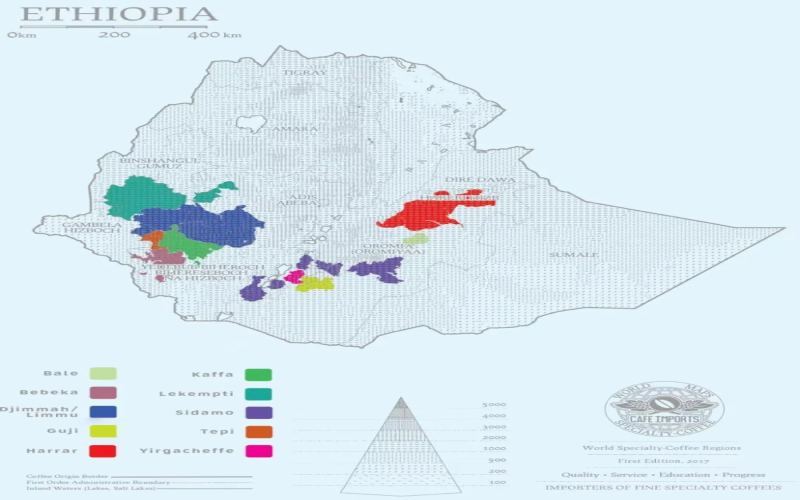
Ethiopia Sidamo Santa Vini: A Complete Guide to the 74158 Variety and Anaerobic Natural Process
Want to learn about top-tier coffee from Ethiopia’s Sidamo region? This article takes an in-depth look at how Santa Vini washing station crafts captivating beans through its unique microclimate and 96-hour anaerobic natural process. It also focuses on the background and characteristics of the JARC-numbered variety 74158, along with the actual processing procedures and parameters, giving you a full understanding of this African specialty coffee from origin to cup. [more…]
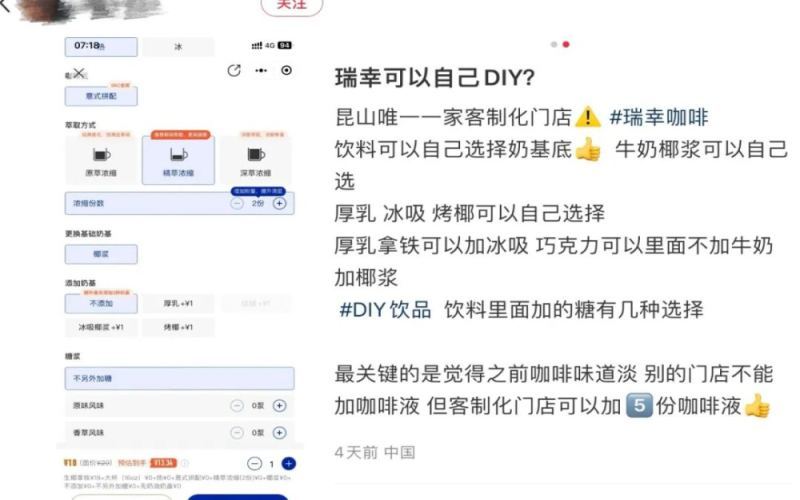
Luckin tests beverage DIY customization service: Will personalized coffee customization be the future trend?
As consumers’ demands for diverse coffee flavors grow, personalized customization has become a new focus in the market. Recently, Luckin Coffee launched a trial beverage DIY self-selection service in some stores, allowing customers to choose their own milk base and even add extra milk or espresso. This move not only meets consumers' needs for flavor adjustments but also sparks industry discussions on balancing efficiency and service. This article delves into the background, implementation details, and potential impacts of Luckin’s innovative attempt. [more…]

Are Specialty Coffee Shop Staff Lacking in Professionalism? A Comprehensive Guide to Common Brewing Methods in Pour Over Coffee
As specialty coffee becomes increasingly popular, consumers are paying more attention to bean varieties, origins, and processing methods. However, some coffee shop staff lack a solid grasp of basic knowledge, sparking discussions in the market. This article provides an in-depth analysis of common coffee processing methods—including washed, natural, and honey processing—and explores the essential skills baristas should possess. It aims to help consumers choose the right shops and offers service improvement directions for industry players. [more…]

Brazil's Coffee Traceability Platform Goes Live: A Practical Guide to Complying with EU New Regulations
In response to the European Union’s stringent EUDR (Deforestation-Free Products Regulation), Brazil’s coffee industry is actively deploying digital traceability solutions. The "Cafes do Brasil" platform, jointly developed by Cecafé and Serasa Experian, uses satellite remote sensing and geographic data to monitor environmental compliance across the production chain. This article details how the platform helps exporters mitigate trade risks, enhance supply chain transparency in coffee, and includes key technical steps for practical implementation. [more…]
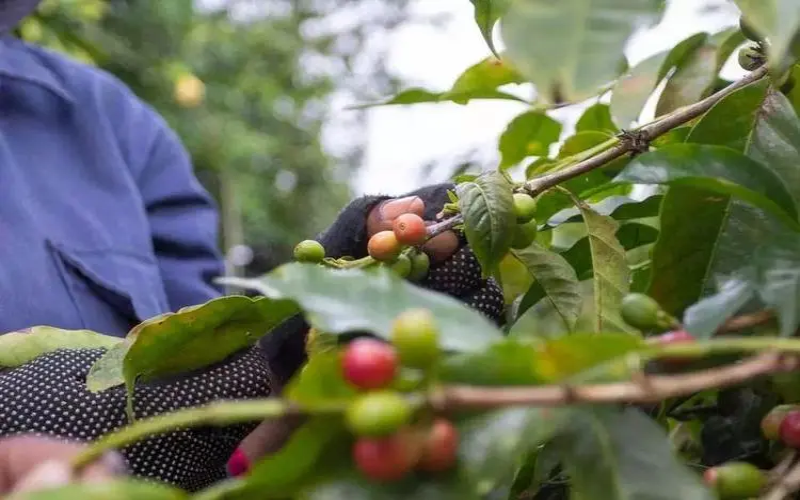
Introduction to Kenyan Coffee Origins | A Complete Guide to the SL28/SL34 Varieties and K72 Washed Process
Delve into the development of Kenya’s coffee industry, from its geographical environment and historical background to its rigorous grading system. This comprehensive guide explores the unique flavor profiles of the SL28 and SL34 varieties, as well as how the K72 washed process shapes the bright acidity and clean taste of Kenyan coffee. Ideal for coffee enthusiasts looking to understand the characteristics of specialty coffee beans and processing methods, this article offers practical insights for tasting and selection. [more…]
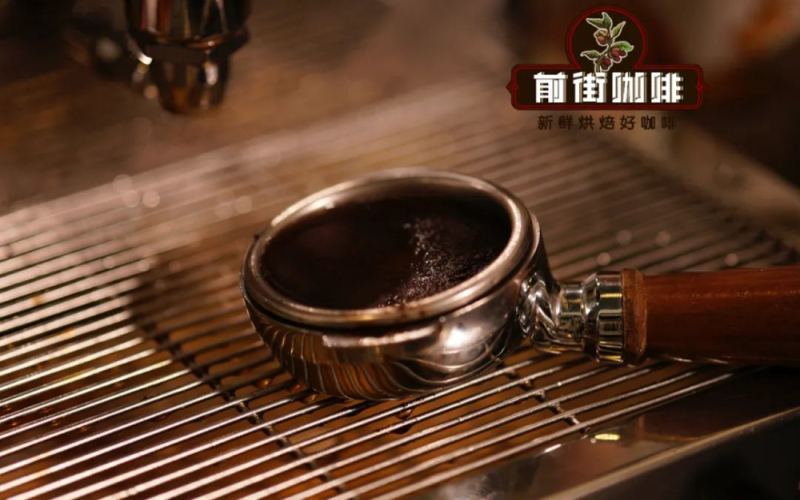
Analysis of Water Accumulation in the Portafilter After Espresso Extraction & Adjustment Techniques
Have you ever noticed that after pulling an espresso shot, the coffee puck is soggy and misshapen, with even a small pool of water sitting at the bottom of the portafilter? This phenomenon not only affects the visual appeal but also indicates potential issues during the extraction process. This article will delve into the causes of water accumulation in the portafilter, covering multiple factors such as grind size, coffee bean freshness, dose amount, extraction pressure, and machine cleanliness. It also provides specific adjustment suggestions and practical tips to help you identify the root cause and improve extraction quality. [more…]

Reasons Behind 9bar Extraction Pressure for Espresso | Flavor Comparison of 6bar vs 11bar in Real Tests
When crafting a refined shot of espresso, extraction pressure is a critical yet often overlooked variable. It's widely known that 9bar is the industry standard, but do you know why it’s 9bar and not some other value? This article analyzes the actual effects of different pressures—6bar, 9bar, and 11bar—on extraction time, flow rate, and coffee flavor through real test data, and delves into the reasons why 9bar has become the mainstream setting, helping you approach espresso brewing more scientifically. [more…]