







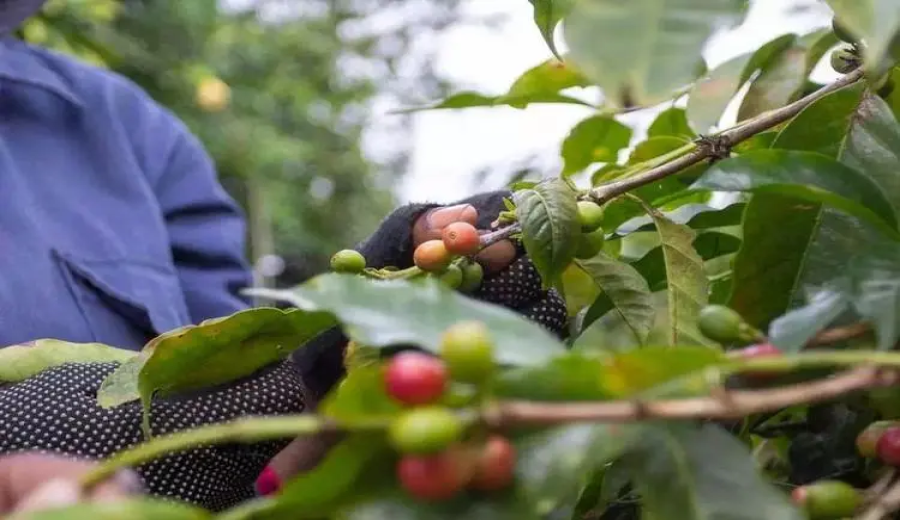
Introduction:Delve into the development trajectory of Kenya’s coffee industry, from its geographical environment and historical background to its rigorous grading system. This comprehensive analysis explores the unique flavor profiles of the SL28 and SL34 varieties, as well as how the K72 washed processing method shapes Kenya coffee’s bright acidity and clean taste. Suitable for enthusiasts eager to understand the characteristics and processing techniques of specialty coffee beans, this article provides practical insights for tasting and selecting.
Kenya is located in East Africa, with the equator running through it and the East African Rift Valley stretching from north to south. It shares borders with Somalia, Tanzania, Uganda, Ethiopia, and South Sudan. The country is predominantly characterized by a highland terrain with an average elevation of about 1,500 meters, and the central highlands are home to Mount Kenya, which rises to 5,199 meters. The region features a tropical savanna climate, with stable temperatures ranging between 10–26°C throughout the year. Coupled with high altitudes and fertile volcanic soils, these conditions create an optimal environment for cultivating specialty-grade coffee.
Although Kenya’s coffee industry started relatively late, it has developed rapidly and boasts a well-established system. In 1893, French missionaries first introduced coffee to the region; during the British colonial period, coffee was primarily grown on large estates and exported mainly to London. It wasn’t until the passage of the Coffee Ordinance in 1933 and the establishment of the Coffee Board that cultivation and sales rights gradually reverted to the Kenyan government. The auction system, established in 1934, continues to this day and has become one of the world’s important coffee trading models. The agricultural legislation of the 1950s further granted farmers land use rights, promoting the localization and sustainable development of the coffee industry.
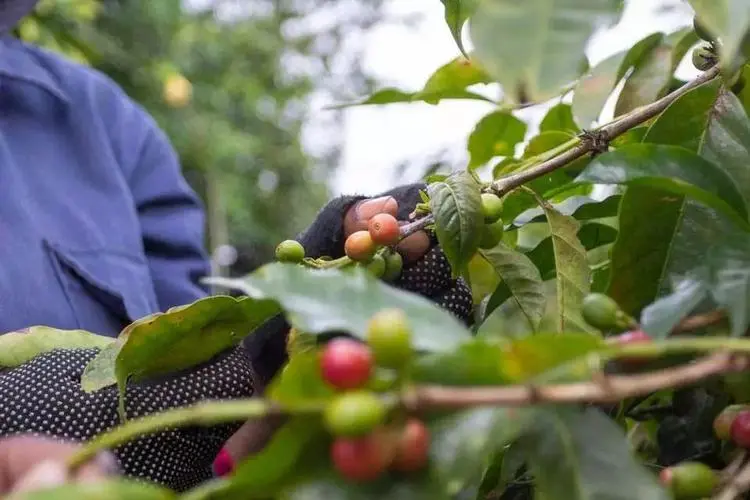
Kenya’s coffee grading system is centered on bean size and quality, divided into grades such as AA+, AA, AB, PB, C, E, TT, and T. Among these, AA+ and AA typically consist of the largest and highest-quality beans. Exporters further unofficially subdivide the AA and AB grades into three tiers—TOP, PLUS (+), and FAQ—based on cupping results. Evaluation criteria cover acidity, body, and flavor, each scored on a scale from 1 to 3. For example, a coffee that scores 1 in all three categories is classified as the premium TOP grade.
In terms of varieties, Kenya cultivates a diverse range of coffee cultivars, including K7, Ruiru 11, Batian, and the renowned SL series, among which SL28 and SL34 have garnered the most attention. In the late 1930s, the Kenyan government commissioned the former Scott Agricultural Laboratories (now the National Agricultural Laboratories) to evaluate 42 varieties for their yield, quality, and disease resistance—the “SL” stands for Scott Laboratories. Genetic testing reveals that SL28 originates from the Bourbon variety, while SL34 is derived from Typica. Both are celebrated for their complex flavors and pronounced sweetness, with SL34 offering a relatively softer and cleaner taste.
Kenya’s most famous processing method is the K72 washed process, distinguished by its prolonged low-temperature fermentation. After harvesting, farmers first select high-quality beans, remove the skin, and then place them in fermentation tanks for 24 hours. They are then washed to remove some mucilage, rinsed, and fermented again for another 24 hours. This cycle is repeated three times for a total of 72 hours. This technique allows the coffee beans to ferment thoroughly in a stable environment, resulting in bright acidity, a clean taste, and a richly layered flavor profile.
Practical Supplement:The K72 process requires strict control over water temperature and the frequency of water changes to ensure stable fermentation and avoid over-fermentation, which can lead to off-flavors. Additionally, Kenya’s auction system and grading standards provide global buyers with a consistent source of high-quality beans, making them an important reference for selecting specialty coffee.
Take, for example, the Kenya Assalia AA TOP from the Asail factory in the Thika region. This lot is cultivated using the SL28 and SL34 varieties, processed via the K72 washed method, and grown at elevations between 1,550–1,750 meters. When brewed, it reveals complex flavors reminiscent of cherry tomatoes, black plums, berries, citrus, and green tea. It boasts bright acidity, a clean taste, and a lingering tea-like aftertaste—making it a classic choice for experiencing the distinctive character of Kenya coffee.
The above content is compiled by CoffeeHunters, a coffee news website.


